














Summary:
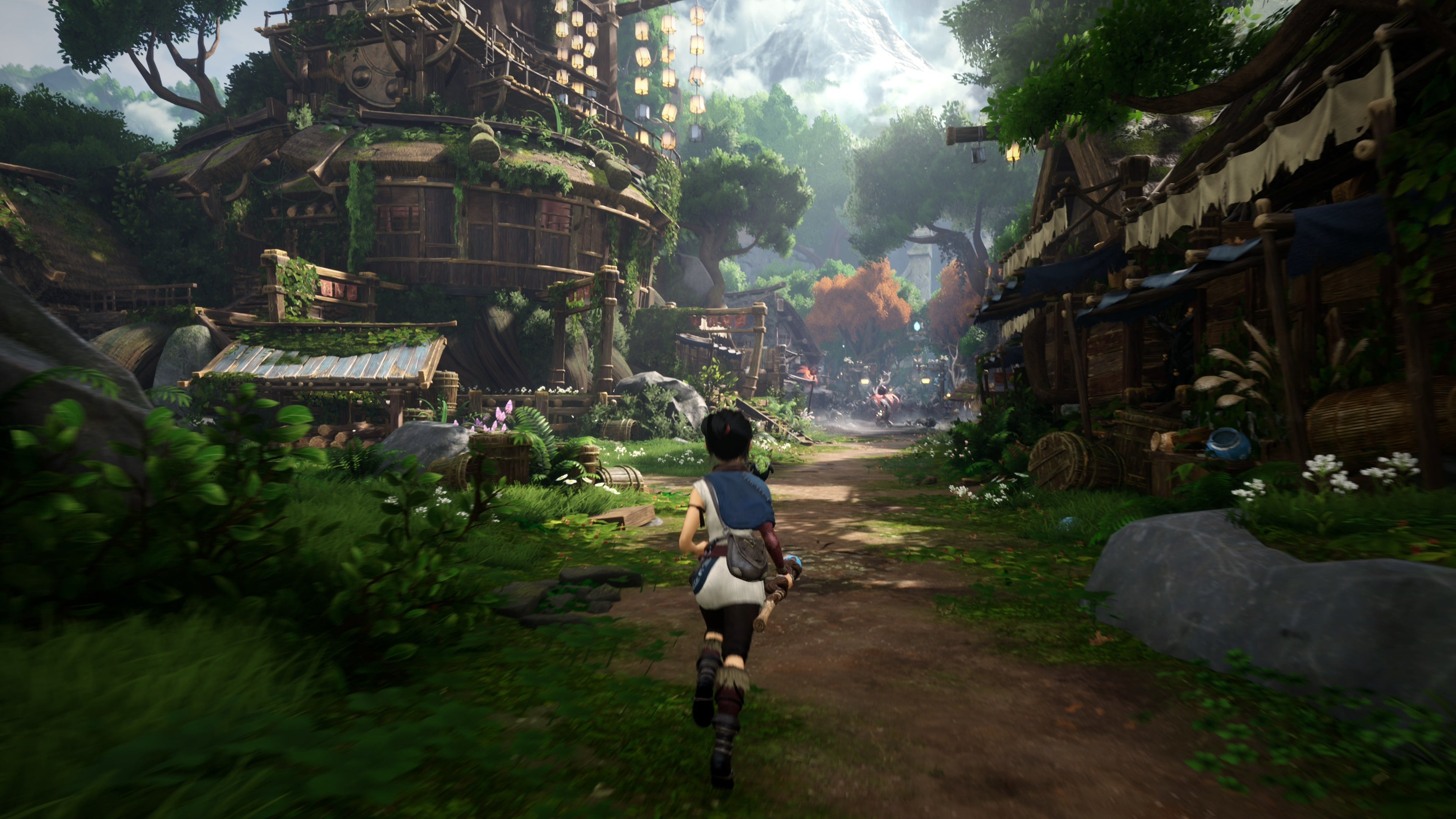
Kena: Bridge of Spirits arriving on Nintendo Switch 2 this Spring feels like one of those pairings that should have happened ages ago. The game already has the kind of identity that tends to click with Nintendo players – a striking fantasy world, expressive characters, action that stays lively without losing its sense of atmosphere, and an emotional story that balances warmth with loss. Now that it is finally making the jump, the biggest takeaway is not simply that the game is coming over, but that it is bringing the full package with it. That means players are getting the latest version of the experience, including the Anniversary DLC, New Game+ mode, charmstones, Spirit Guide Trials, and the rest of the updates that helped round out the original release.
That matters because Kena is not a game that lives on visuals alone, even though its animation quality and art direction grab attention almost instantly. Under the surface, there is a satisfying mix of exploration, puzzle solving, collectible hunting, and quick combat that asks you to stay alert. The Rot companions are adorable, sure, but they also shape how encounters and traversal feel, giving the adventure a playful heartbeat. Add in hidden rewards, customizable upgrades, and a village wrapped in corruption and spiritual unrest, and there is a lot more going on here than a pretty coat of paint.
For Nintendo Switch 2 owners, this version looks poised to be an easy recommendation. Playing at home or on the go suits the structure of Kena especially well, because it is the kind of journey that invites both long sessions and short check-ins. One minute you are pushing deeper into a haunted forest, the next you are hunting for secrets tucked into the corners of the map like tiny treasures waiting under loose floorboards. With the full feature set included from day one, this release has the feel of a polished arrival rather than a stripped-back late port.
Kena: Bridge of Spirits finds a new home on Nintendo Switch 2
Kena: Bridge of Spirits heading to Nintendo Switch 2 this Spring gives the game a fresh opening with a different audience, and honestly, it feels like a smart match. Kena has always had a certain Nintendo-like appeal in the way it blends charm, adventure, discovery, and a little bit of danger into one inviting package. It is colorful without feeling lightweight, emotional without getting too heavy-handed, and action-focused without turning into a nonstop wall of noise. That balance is tricky to pull off, yet Kena manages it with the confidence of a game that knows exactly what kind of mood it wants to create. For players who missed it on PlayStation 4 or other platforms, this release is less of a second chance and more of a proper introduction. It places a polished fantasy adventure onto hardware that suits bite-sized sessions just as well as longer playtimes, which is a very nice lane for a game built around exploration, combat, and steady progression.
Why this Switch 2 version matters more than a simple port
The biggest reason this release stands out is that it is not being framed as a bare-minimum conversion. Nintendo players are getting a feature-complete version with the later updates already folded in, and that changes the conversation right away. Instead of asking whether this edition feels behind, we can look at it as the most rounded version of Kena arriving on a new platform. That includes the Anniversary DLC additions, New Game+, charmstones, and Spirit Guide Trials, all of which help the game feel richer and more flexible. In other words, this is not the kind of release that shows up late to the party carrying half the snacks. It arrives with the whole table set. For a story-driven action adventure, that matters because first impressions do a lot of heavy lifting. Players jumping in on Switch 2 are meeting a version of Kena that has had time to grow into itself.
A release window that leaves room for momentum
The Spring launch window also gives this version a nice bit of breathing room. That season tends to be packed with curiosity, new hardware energy, and players looking for experiences that can show off what a platform feels like beyond the usual first-party staples. Kena may not be a brand-new game in the strictest sense, but for many Nintendo fans it will feel new enough, especially with portable play in the mix. That matters because perception can shape excitement as much as release timing does. A strong game landing on a new platform at the right moment can suddenly feel reborn, like an actor walking back on stage in a better spotlight. Kena has the kind of visual identity and approachable action that can make that happen.
A world that mixes beauty, mystery, and quiet heartbreak
One of Kena: Bridge of Spirits’ biggest strengths is the setting itself. The world looks inviting at first glance, but there is a current of sadness moving underneath it. Forests, ruins, shrines, and forgotten spaces are not just scenery here. They carry the sense that something went wrong long before Kena arrived, and that mood gives even the prettiest areas a little sting. It is like walking through a postcard that has been left out in the rain. The color is still there, the beauty is still there, but the wear tells its own story. That emotional texture helps the adventure stand out from more generic fantasy worlds. It makes exploration feel purposeful. You are not only moving from one objective to the next. You are piecing together what happened, why the corruption spread, and what it will take to restore balance.
Kena’s role as a spirit guide gives the adventure its emotional core
Kena is not just a hero with a staff and a mission marker. Her identity as a spirit guide shapes the entire rhythm of the journey. She is there to help trapped spirits move on, which gives the story a gentler and more reflective tone than the combat-heavy footage might suggest. That emotional thread keeps the game from feeling like a checklist of fights and collectibles. Every area has a sense of unresolved history, and Kena acts as the bridge between pain left behind and peace still waiting to happen. That gives the story a human pulse. Even when the path ahead is full of corrupted enemies and blocked routes, the motivation behind the journey stays clear. There is always the feeling that healing is part of the job, not just winning. That is a subtle difference, but it gives the whole experience more heart.
The village and its corruption create a stronger sense of purpose
The corruption spreading through the village is more than a visual effect or a convenient excuse for monsters to appear. It creates a constant sense that the world needs help, and that your actions matter. Clearing corruption becomes both a gameplay hook and a narrative payoff. When you restore an area, it feels like a genuine shift rather than a cosmetic reset. There is relief in it. The world breathes a little easier, and so do you. That is one reason Kena’s structure works so well. It turns progress into something you can feel, not just measure through menus or percentages.
The Rot are more than cute companions
Let’s be honest, the Rot make an immediate impression. They are tiny, expressive, and so absurdly adorable that they could probably sell plush toys by the truckload. But reducing them to mascot duty would miss the point. The Rot are woven directly into how Kena plays. They help clear corruption, interact with objects, support puzzle solving, and become part of combat in ways that make them feel useful instead of decorative. That balance is important because games with charming side companions sometimes treat them like wallpaper with eyes. Kena does not. The Rot are part of the game’s mechanical language. They also soften the heavier parts of the world with a dose of playfulness, which keeps the atmosphere from becoming too bleak. In a story about loss and healing, that contrast matters. The Rot give the journey a spark of joy without undercutting its emotional weight.
Customization helps the Rot feel personal
Hidden rewards such as Rot Hats may sound like a small thing, but touches like that make exploration more rewarding and the companions more memorable. Customization can sometimes feel tacked on, like a sticker slapped onto a suitcase, but here it fits the tone. The Rot already feel like a living part of the world, so giving players extra ways to personalize them adds charm without distracting from the adventure. It also creates a nice loop where curiosity leads to discovery, and discovery feeds expression. That is a satisfying cycle in any action adventure, especially one that wants players to inspect corners, follow odd paths, and pay attention to environmental details.
Exploration rewards curiosity at every turn
Kena’s world is built in a way that encourages wandering eyes. There are secrets, tucked-away rewards, hidden routes, and optional discoveries that give each area more texture than a straight line from point A to point B. That makes a real difference because exploration works best when it feels tempting rather than mandatory. Kena often creates that temptation through visual cues, environmental storytelling, and the promise that something worthwhile may be waiting just off the main path. It is the gaming equivalent of spotting a half-open door in an old house and instantly wanting to know what is behind it. For Nintendo Switch 2 players, that kind of structure could be especially appealing. It suits portable play well because you can make meaningful progress even in shorter sessions, whether that means chasing collectibles, cleaning up side paths, or unlocking another part of the world.
Spirit Mail and hidden pathways keep the map lively
Spirit Mail adds another layer to that sense of discovery. Uncovering and delivering these messages opens up new areas, which helps the world feel more interconnected and alive. It is a clever idea because it turns what could have been a simple collectible into something that changes where you can go and what you can find. Exploration then becomes less about hoarding items and more about reshaping access. That is a stronger reward loop. You are not just filling a bag. You are opening doors, literally and figuratively, and that gives each discovery more weight.
Secrets and rewards support the game’s pacing
Optional rewards also help Kena breathe between story beats and battles. Instead of pushing the player from fight to cutscene to puzzle with no pause, the world invites detours. Those detours matter because they stop the adventure from feeling rigid. They give players room to set their own rhythm. Some will want to comb every inch of a map, while others will move more directly and double back later. A good exploration system makes both styles feel valid, and Kena largely succeeds at that.
Charmstones add flexibility to the way you play
One of the more interesting parts of the expanded feature set is the inclusion of charmstones, which offer advantages and disadvantages that can shape your approach. That kind of system is often where a game reveals whether it trusts players to experiment. Kena seems to. Rather than locking everyone into one ideal build, charmstones nudge players toward making choices that reflect their comfort level and preferences. Maybe you want more support in certain situations. Maybe you want a tougher setup in exchange for bigger payoffs. Either way, the game gives you room to tune the experience. That flexibility is valuable because action adventures can sometimes fall into a one-size-fits-all rhythm. Charmstones help break that up. They add strategy without turning the whole thing into a spreadsheet with monsters.
Player expression matters in a story-led action game
Customization systems only work when they complement the adventure instead of smothering it, and Kena appears to keep that balance in check. The goal is not to overwhelm players with layers of micromanagement. It is to offer meaningful options that make combat and progression feel a bit more personal. That is a smart middle ground. You still get the cinematic pull of the journey, but you also have room to fine-tune how you tackle its challenges. For players who enjoy experimenting without drowning in menus, that should land nicely.
Combat keeps the pace sharp and satisfying
For all of Kena’s visual beauty and emotional storytelling, the combat is where a lot of players will decide whether the game truly clicks. The good news is that the action has always been one of its strongest selling points. Battles move quickly, enemies apply pressure, and Kena’s mix of melee and ranged attacks keeps encounters active rather than repetitive. You are not simply mashing through pretty scenery. You have to react, position carefully, and use your tools with purpose. The Rot’s powers add another layer of identity, giving combat a bit more flavor than straightforward dodge-and-strike routines. That matters because a game like this needs its fighting to feel energetic enough to support replayability, but not so chaotic that it overwhelms the story and exploration. Kena largely threads that needle.
Corrupt Spirits turn encounters into real tests
The Corrupt Spirits that stand in Kena’s way help maintain tension because they are tied directly to the world’s unrest. They are not random obstacles dropped in just to fill space. Their presence reinforces the central conflict, which makes each encounter feel more grounded in the setting. When story and combat pull in the same direction, the result usually feels stronger. Kena benefits from that alignment. It means the challenge is not just mechanical. It also feels thematic.
Melee, ranged attacks, and upgrades create a steady learning curve
A good action system should reward growth, and Kena’s upgrade path seems designed to do exactly that. As players hone melee skills, sharpen ranged attacks, and strengthen companion-based abilities, the combat loop grows with them. That makes progression feel earned. You are not only unlocking stronger moves. You are understanding the game better. The best action adventures make improvement feel like learning a musical instrument one note at a time, awkward at first, then suddenly fluid. Kena has that kind of promise.
Spirit Guide Trials and progression systems add extra momentum
Spirit Guide Trials are one of those additions that help turn a strong base game into a more rounded package. They provide another avenue for rewards and skill improvement, which is useful for players who enjoy pushing themselves beyond the main path. Not every player will spend hours chasing mastery, of course, but it is a good option to have. Trials can sharpen familiarity with mechanics, provide fresh goals, and give the game some welcome extra momentum after the core story beats begin to settle. That matters on Switch 2 because feature-complete versions tend to leave a stronger impression when they offer both a polished main journey and meaningful side systems. You want the game to feel generous, not thin. Spirit Guide Trials help with that.
New Game+ gives returning players a stronger reason to jump back in
New Game+ can sometimes feel like a token box-tick, but when handled well it gives an action adventure a second wind. In Kena’s case, fresh encounters, tougher challenges, and unique enemies should make replaying the journey feel more than ceremonial. That is especially important for a game with strong atmosphere and combat. Players who loved the world the first time around may want another run, but they also need a reason beyond nostalgia. New Game+ provides that reason. It says the journey is worth revisiting because it can still surprise you. That kind of replay value is a meaningful plus for Nintendo players discovering the game now and for returning fans who might want to double dip on a portable-friendly version.
Portable play could be a natural fit for Kena’s structure
Josh Grier’s comment about letting players experience Kena’s story at home or on the go gets at the clearest appeal of this version. Kena feels like a game that could adapt naturally to that rhythm. You can imagine sinking into longer sessions for major story beats, then using shorter windows for collectible hunting, side activities, or trial runs. Some games lose their magic when chopped into pieces. Kena may actually benefit from it. Its mix of action, exploration, and light customization gives players multiple ways to make progress without needing an uninterrupted evening every single time. That flexibility is one of the quiet strengths of releasing on Nintendo hardware.
What this release means for Nintendo players this Spring
For Nintendo Switch 2 owners, Kena: Bridge of Spirits looks like the kind of release that broadens the platform’s flavor. It adds a polished action adventure with heart, visual identity, and a fully stocked feature set. That combination matters. A platform grows stronger not only through giant headline exclusives, but also through games that fill in the spaces between them with quality and variety. Kena can do that. It brings emotional storytelling, fast combat, exploration, customization, and replay-friendly additions into one cohesive package. More importantly, it arrives in a form that sounds complete rather than compromised. That should be the real headline here. Nintendo players are not just getting Kena eventually. They are getting a version built to make a strong first impression. And for a game with this much atmosphere and personality, that first impression could stick like pine sap on a hiking boot.
Conclusion
Kena: Bridge of Spirits coming to Nintendo Switch 2 this Spring feels like a natural fit finally becoming official. The blend of heartfelt storytelling, lively combat, expressive companions, and rewarding exploration already gave the game a strong identity, and the added benefit of a feature-complete version makes this release even more appealing. With the Anniversary DLC, New Game+, charmstones, Spirit Guide Trials, and portable play all part of the picture, Nintendo players are stepping into an adventure that feels polished, flexible, and easy to recommend. If the goal is to bring Kena’s journey to a wider audience in a way that still feels whole, this version looks ready to do exactly that.
FAQs
- When is Kena: Bridge of Spirits coming to Nintendo Switch 2?
- It has been announced for a Spring 2026 release window on Nintendo Switch 2, though a specific launch date has not been confirmed in the provided announcement details.
- Will the Nintendo Switch 2 version include the Anniversary DLC?
- Yes. The Switch 2 release is described as feature-complete and includes the latest updates, including the Anniversary DLC.
- Does Kena: Bridge of Spirits on Switch 2 include New Game+?
- Yes. New Game+ is part of the announced Nintendo Switch 2 version, giving players a way to replay the adventure with added challenge.
- What kind of game is Kena: Bridge of Spirits?
- It is an action-adventure game that combines story, exploration, puzzle solving, collectible hunting, and fast-paced combat as players help free spirits trapped in a forgotten village.
- Why could Kena work well on Nintendo Switch 2?
- The structure of the game suits both longer sessions and shorter portable play, while its full feature set, exploration loops, and combat systems make it a strong fit for Nintendo’s hybrid format.
Sources
- Award Winning Kena: Bridge of Spirits is Coming to Nintendo Switch 2 This Spring, Games Press, March 5, 2026
- Details revealed for Kena’s free Anniversary Update, out September 27, PlayStation.Blog, August 19, 2022
- Kena: Bridge of Spirits is coming to Nintendo Switch 2, Video Games Chronicle, March 5, 2026
- Kena: Bridge of Spirits announced for Nintendo Switch 2, Nintendo Everything, March 5, 2026
- Kena: Bridge of Spirits is coming to Nintendo Switch 2 this Spring, Engadget, March 5, 2026