














Summary:
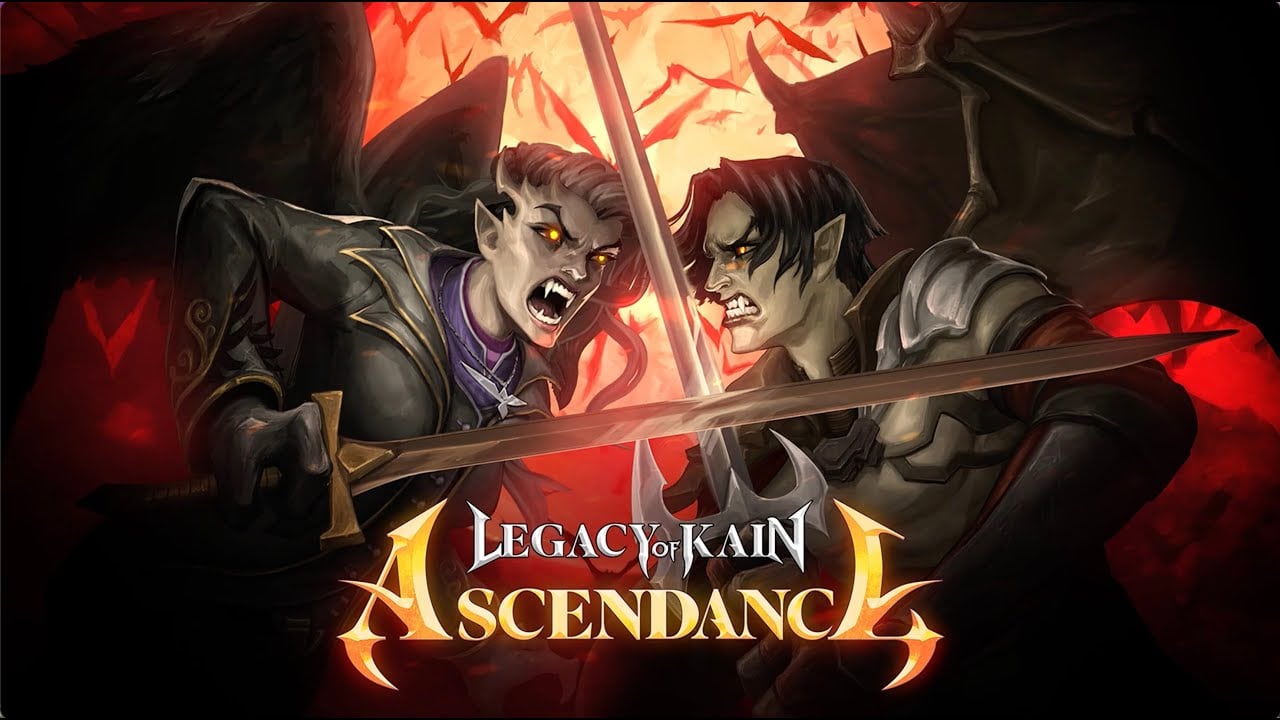
Nosgoth is getting busy again in March 2026, and we are not talking about a tiny cameo or a nostalgic wink. Crystal Dynamics has two distinct releases lined up for Nintendo Switch and Nintendo Switch 2, and they scratch different itches on purpose. Legacy of Kain: Ascendance arrives on March 31, 2026 as a fast 2D action platformer that leans hard into vertical movement, quick decision-making, and that satisfying rhythm where combat and traversal feel like the same language. It is set before the events of Legacy of Kain: Soul Reaver, which makes it feel like a story stepping stone, but the bigger hook is how it plays: fluid melee strings, evasive dashes, supernatural options, and environments that push you to keep moving instead of turtling in a corner.
Earlier in the month, on March 1, 2026, Legacy of Kain: Defiance Remastered brings the final mainline chapter of the original series back with modern upgrades. We still swap between Kain and Raziel, and we still get gothic spaces packed with puzzles, enemies, and secrets, but the remaster adds high-definition visuals, refined controls, and a modernized camera, plus an option to toggle between the updated and original presentation. On top of that, we get extras like photo mode, alternate character skins, a lore reader, and restored material such as unreleased content and lost levels. Put together, March looks like a one-two punch: one part fresh action platforming energy, one part classic story payoff with quality-of-life improvements that make it easier to play today.
The return to Legacy Of Kain in 2026
It has been a long time since Nosgoth felt like an active place instead of a remembered one, and that is why these announcements land with such a thud in the best way. We are getting two different doors back into the same universe, and neither one is trying to be the other. One is built like a nimble, movement-driven action game that wants our hands on the controls as much as possible. The other is a refreshed version of a story-heavy entry that originally closed out the classic run, now adjusted so it feels less like wrestling old camera habits and more like actually playing the game. If you have ever tried to describe Legacy of Kain to someone, you know it is part vibe, part tragedy, part myth, and part razor-sharp voice work. Bringing it back means respecting that tone while also making sure the moment-to-moment play holds up when we are used to smoother controls and clearer readability.


Two releases, two very different flavors
March 2026 basically splits into two moods. On March 1, we go back to Defiance in remastered form, which is the “let’s relive the big narrative collision” option, with Kain and Raziel both playable and the story moving like a duel between fate and free will. On March 31, we get Ascendance, which is pitched as fast, skill-driven, and built around vertical movement, so it sounds like the kind of game where you learn a route the way a skater learns a park. That contrast is a feature, not a mistake. Some days you want a heavy gothic meal with puzzles and lore. Other days you want something that moves, bites, and dares you to get better. With these two releases, we do not have to pick one identity for the series. We get to enjoy both.
Legacy of Kain: Ascendance – release date and platforms
Legacy of Kain: Ascendance is set to release on March 31, 2026, and it is coming to Nintendo Switch and Nintendo Switch 2 alongside PC and other consoles. It is described as a fast 2D action platformer, and it is positioned as a new entry that takes place before the events of Legacy of Kain: Soul Reaver. That timeline placement matters because it gives Ascendance room to build tension and context without needing to retell the same beats everyone already knows. At the same time, it also has the freedom to focus on what it wants to be mechanically, because it is not trying to recreate a specific older template. If you are looking at March and thinking, “Which one gives me something new,” Ascendance is the clear answer, especially if you enjoy platformers where movement is not just a way to get from A to B, but the main event.
Ascendance’s movement-first design and why vertical play matters
Ascendance is built around vertical movement, and that choice tends to change everything about how a 2D action platformer feels. Horizontal play is comfortable, like jogging on a flat path. Vertical play is more like climbing a collapsing tower while someone throws bricks at you. It demands quick reads, tighter timing, and a constant awareness of spacing because falling is always part of the equation. When a game is designed this way, we start thinking in layers instead of lanes. We look for perches, routes, escape angles, and ways to keep momentum when the environment tries to steal it. That fits Nosgoth nicely, because this is not a world that offers safe ground for long. If the game truly commits to “move up, move through, move fast,” then every room becomes a small story about control, risk, and improvisation.
Combat feel in Ascendance: chaining strikes, dashes, and supernatural tools
The feature set points toward a combat system that wants flow instead of brute force. We are told we can chain melee strikes, use evasive dashes, and mix in supernatural attacks, which suggests the fun is in sequencing and timing rather than simply mashing through health bars. Good action platformer combat has a rhythm, like a drum line where every hit sets up the next beat. Dashes are the punctuation marks, the quick little edits that keep us alive when the sentence gets messy. Add supernatural options and we get that extra spice that separates “solid brawler” from “Nosgoth brawler,” because powers can change how we control space, how we juggle threats, and how we recover from mistakes. If the combat is truly skill-driven, we should expect it to reward clean execution and smart decisions, not just bigger stats or a lucky drop.
How we keep momentum without turning fights into chaos
Fast combat can be thrilling, but it can also become noisy if the game does not give us clear rules. The sweet spot is when we always know why we got hit, even if we are annoyed about it. Chaining attacks should feel like stacking plates: steady hands, a bit of swagger, and a small panic every time something wobbles. Dashes need to have purpose, either as a way to reposition for offense or as a real defensive tool that buys breathing room. Supernatural attacks should add variety without becoming a single “always do this” button. When those elements are balanced, momentum becomes a reward we earn and maintain, not a roller coaster we are strapped into. That is where a 2D action platformer can start feeling like a personal skill sport, where we recognize our own improvement from one session to the next.
Level flow in Ascendance: puzzles and hazards that blend into fights
Ascendance’s description calls out environmental challenges and puzzles that flow seamlessly into combat, and that is a big promise because it is hard to do well. The best versions of this idea avoid the stop-start feeling where we solve a puzzle, then walk into a fight room, then solve another puzzle like we are ticking boxes. Instead, we get spaces where hazards are part of the fight and enemies are part of the traversal problem. A crumbling platform is not just scenery, it is a timer. A locked route is not just a gate, it is a decision about where to spend resources and when to take risks. That kind of design makes levels feel like living places rather than themed hallways. In Nosgoth, that matters, because a ruined kingdom should feel hostile even when nothing is actively swinging at us.
Environmental puzzles that do not kill the pace
Puzzles in action platformers can be a vibe killer if they demand slow, fussy trial and error while the rest of the game is asking for speed. The good version is when puzzles are readable, physical, and integrated, like moving through a space with a purpose rather than solving a math problem in a haunted cathedral. If Ascendance nails “puzzles that flow,” we should be able to approach them with the same mindset we use in combat: observe, commit, adapt, repeat. That also opens the door for replay value, because a puzzle that is part of movement can often be solved in cleaner, faster, more stylish ways once we understand it. In other words, we are not just clearing a hurdle. We are learning a route, and routes are where speed, skill, and satisfaction live.
Multiple protagonists in Ascendance: Kain, Raziel, and Elaleth
Ascendance is not a single-hero sprint. It features multiple protagonists, including Kain, Raziel, and a third character named Elaleth. That matters because it means the game can offer different approaches to the same kinds of challenges, and it can keep the pace fresh by changing the “feel” in our hands. Multiple protagonists also fit the series’ identity, because Legacy of Kain has always been about clashing perspectives and the consequences of power. On a practical level, distinct kits can make level design more interesting, since a space that is trivial for one character can be tense for another. On an emotional level, swapping characters can act like changing camera angles in a film, giving us different textures of the same world. It is one setting, but it can feel like different stories depending on who is moving through it.
Kain’s vampiric toolkit and battlefield control
Kain tends to represent authority, force, and that unsettling calm that comes with being the strongest thing in the room. Translating that into a 2D action platformer usually means power that reshapes encounters. We should expect tools that help Kain overwhelm groups, punish mistakes, and keep pressure on enemies who want to create distance. The fun fantasy here is not just “hit harder,” it is “control the pace of the fight.” A strong kit can turn combat into a kind of domination chess, where we herd enemies into bad positions and then cash in with brutal strings. If the game wants to sell Kain as Kain, we need to feel that confidence in motion, like the world is reacting to him rather than the other way around.
Raziel before his fall, then taking flight in vampiric form
Raziel’s setup in Ascendance is especially interesting because it explicitly mentions playing him before his fall as a human Sarafan knight, and then taking flight for the first time in his vampiric form. That sounds like a mechanical shift that could mirror a narrative one. A human version might feel more grounded, more disciplined, maybe more reliant on direct technique and measured movement. A vampiric version with flight suggests a change in traversal freedom, and in a vertical game, that is a huge deal. Flight can break level design if it is unlimited, so the way it is handled will define how meaningful the environments feel. If it is constrained and skill-driven, it can become the most satisfying kind of movement tool: powerful, but only when used with intention. That would make Raziel’s evolution feel tangible in both story and play.
Elaleth and an aggressive, relentless offense
Elaleth is framed as a vampire with an aggressive playstyle focused on fast, relentless offense. That kind of kit often becomes the “high risk, high reward” option, the character you pick when you want to feel like you are surfing on the edge of disaster. In a game built around flow, a relentless offense character can be the one that pushes us to stay in motion, keep combos alive, and treat hesitation like the enemy. The challenge is making that aggression smart, not sloppy. If Elaleth is built well, we should have tools that encourage pressure without removing the need for careful timing. Think of it like driving a small, fast car in the rain. It is exciting, it is responsive, and it will punish overconfidence immediately.
Ascendance presentation: pixel art, cutscenes, and Celldweller’s score
Ascendance is described as bringing Nosgoth to life with beautifully crafted pixel art gameplay and animated cut scenes, which suggests a deliberate retro-modern style rather than a simple throwback. Pixel art can carry an incredible amount of mood when lighting, animation, and color discipline are handled with care. For a dark fantasy setting, it can make ruins feel sharp and haunted instead of just “old.” Animated cutscenes can help deliver character and lore without forcing us to stop and read walls of text, which is especially helpful in a fast-moving game. Then there is the music: Ascendance features an original score by Celldweller. That is a strong signal, because the right music can make even a simple corridor feel like a threat is breathing down our neck.
What an original score can do for pacing and tension
In action platformers, music is not just background, it is the invisible hand shaping our heartbeat. A track can tell us to speed up, calm down, or brace for impact before the game even shows us the threat. With an original score, the goal is usually to create motifs that feel tied to characters and places, so the world gains identity instead of sounding like a generic playlist. In a setting like Nosgoth, that identity matters because tone is half the brand. When the music hits right, it makes movement feel smoother, combat feel sharper, and story moments feel heavier. It is the difference between “we cleared a level” and “we survived a cursed place that wanted to swallow us.”
Returning voice talent and why it matters
Legacy of Kain has a reputation for memorable performances, and Ascendance is bringing back familiar voice talent, including Michael Bell, Simon Templeman, Richard Doyle, and Anna Gunn. That is not a minor detail, because the series’ tone lives in its delivery as much as in its lore. Great voice work can make a single line feel like prophecy, threat, and heartbreak all at once, which is exactly the kind of mood Nosgoth thrives on. Returning actors also help continuity, especially when a franchise reappears after a long quiet stretch. It tells long-time fans that the people behind this understand what made the series feel distinct. For new players, it simply means we are getting performances with weight, not placeholder reads that treat the setting like a costume party.
Legacy of Kain: Defiance Remastered – release date and platforms
Legacy of Kain: Defiance Remastered releases on March 1, 2026 for Nintendo Switch and Nintendo Switch 2 alongside PC and other consoles. This is the fifth and final installment of the original series returning in updated form, which makes it a big deal for anyone who wants the classic arc in a more modern package. The pitch is clear: return to Nosgoth, control both Kain and Raziel, and push through gothic spaces packed with enemies, puzzles, and secrets where every victory has a cost. The remaster is also designed to be playable in a way that respects modern expectations, with high-definition graphics, refined controls, and a modernized camera. Importantly, it also includes an option to toggle between the high-definition and original presentation, so we can choose nostalgia or clarity depending on our mood.
Playing as both Kain and Raziel: two styles, one storyline
Defiance’s dual-protagonist structure is not a gimmick, it is the core of how the story unfolds. Kain and Raziel are not just different in personality, they are different in how they approach the world, how they fight, and what they represent. That difference should come through in combat feel and in how we solve environmental challenges. Swapping characters can make the same space read differently, like turning a sculpture and seeing a new face. It also helps pacing, because the game can alternate between power fantasies, investigative moments, and puzzle sequences without feeling like it is stalling. When this structure is working, we are not simply playing two characters. We are watching a conflict argue with itself, with every switch in control reinforcing the tension between fate, choice, and consequence.
Combat identity: Kain versus Raziel
Even without getting lost in specifics, the appeal is straightforward: each character has distinct abilities, combat styles, and perspectives. That means fights should not blur together. Kain should feel like force and command, while Raziel should feel like pursuit, cunning, and that sense of being the relentless shadow on someone’s heels. When a game gives us two different combat identities, it also gives us two different learning curves, which is great for engagement. We can get comfortable with one style, then refresh our brain with the other. In a remastered release, this matters more than ever, because clean controls and a better camera make it easier to appreciate those differences instead of fighting the interface.
Defiance Remastered upgrades: HD visuals, refined controls, and modern camera
The remaster update list is aimed at the parts that most often age poorly: readability and control. High-definition graphics can make environments clearer, enemies easier to track, and navigation less confusing, especially in large gothic spaces where everything can blend into the same shade of stone and shadow. Refined controls matter because Defiance is not the kind of game that should feel stiff. It should feel deliberate, like every swing and every movement has purpose. The modernized camera is also a big deal, because camera friction is one of the fastest ways to turn a dramatic scene into accidental comedy. On top of that, the option to toggle between the updated and original presentation is a smart touch. It lets us enjoy the upgrade without erasing the original flavor.
Why the presentation toggle is more than a novelty
A toggle between modern and classic presentation sounds like a fun feature, but it also solves a real problem: different players want different kinds of authenticity. Some want the crispness and clarity of the new visuals all the time. Others want to preserve the mood they remember, even if it is rougher around the edges. A toggle respects both camps without forcing an argument. It also invites comparison, which can be genuinely fun. We can hop into a scene, flip the presentation, and see what changed in lighting, texture, and overall atmosphere. That kind of control makes the remaster feel less like a replacement and more like a curated version of the same experience, with options that let us tailor the vibe to the day we are having.
Extras in Defiance Remastered: photo mode, skins, lore reader, lost levels
Defiance Remastered also adds extras that go beyond visuals and controls. Photo mode is included, which makes sense in a world as dramatic as Nosgoth, where towering architecture and eerie composition practically beg to be framed. Alternate character skins give replay incentives and a bit of fan-service without changing the core experience. A lore reader is included as well, which is useful in a series known for dense mythology, shifting timelines, and characters who speak like they are auditioning for a gothic stage play. Then there is the big treat for curious fans: unreleased content and lost levels from the original game. Restored material like this is not just bonus stuff, it is preservation. It gives us a peek at what was planned, what was cut, and how the final version came together.
How these extras change the way we replay Defiance
Extras matter because they change how we spend time in a game after the credits. Photo mode turns environments into playgrounds for composition, and that can extend play sessions in a surprisingly relaxing way. Skins give small goals that encourage mastery, because unlocking cosmetic rewards often nudges us to explore more thoroughly or tackle challenges we might otherwise skip. A lore reader can help both newcomers and returning fans, since it offers a way to keep track of names, places, and concepts without having to pause and search elsewhere. Restored content and lost levels are the most exciting for long-time fans because they add a “what if” layer to the experience. It is like finding deleted scenes in a movie you have loved for years, except you get to play them.
Where to start: best entry point for newcomers and returning fans
If you are new to Legacy of Kain, the obvious worry is getting lost. The names alone can sound like a spell book, and the series is not shy about destiny, betrayal, and timelines that snap like dry branches. The good news is that March gives us two different entry styles. Defiance Remastered is the classic story-heavy route, and it comes with modern improvements that should make it easier to play now than it was for some people back then. Ascendance, on the other hand, is set before Soul Reaver and is built as a fresh 2D action platformer, so it can work as a more approachable “start here and feel the world” option, especially if you like movement-driven games. The best starting point depends on what you want most: narrative weight or mechanical momentum.
If you want story payoff and classic atmosphere first
Start with Legacy of Kain: Defiance Remastered on March 1, 2026 if you want the gothic tone, the dual-protagonist structure, and the feeling of playing a key chapter from the original run with quality-of-life upgrades. The remaster’s refined controls and modernized camera should help the experience feel smoother, which is important when the game is asking us to fight, explore, and solve puzzles in large spaces. The lore reader also helps if you want reminders and context while you play. This route is for players who enjoy story-driven action adventures and do not mind absorbing a world that takes itself seriously. Think of it like choosing a thick, dramatic fantasy novel over a quick action movie. You are here for the weight, the mood, and the consequences.
If you want fast action and movement mastery first
Start with Legacy of Kain: Ascendance on March 31, 2026 if you want something that feels immediately hands-on, with vertical movement and fluid combat built to reward skill. A 2D action platformer is often easier to “pick up and feel” within minutes, because the feedback loop is direct: you jump, you fight, you improve. The multiple protagonists also add variety, so you are not stuck in one playstyle for the whole ride. If you enjoy learning systems, refining routes, and getting cleaner at execution, Ascendance looks like it is aiming right at you. This route is for players who want Nosgoth as a place to move through and survive, not just a story to listen to. If Defiance is the heavy cathedral choir, Ascendance is the chase scene through the bell tower.
What this means for Legacy of Kain going forward
Two releases in the same month send a clear message: Legacy of Kain is not being treated like a single nostalgia drop. We are getting a remaster that modernizes play and adds preservation-focused extras, and we are also getting a new game with a distinct mechanical identity. That combination is smart because it serves different audiences at once. Returning fans get a refreshed way to revisit Defiance, plus extras that feel like a museum wing opened just for them. Players who are curious but not ready to commit to older structure get a new 2D action platformer built with modern pacing in mind. If these releases land well, it creates room for the series to exist again as something active, not just remembered. And honestly, Nosgoth has always been too dramatic, too stylish, and too cursed in the fun way to stay quiet forever.
Conclusion
March 2026 brings two different ways to enjoy Legacy of Kain on Nintendo Switch and Nintendo Switch 2. Defiance Remastered arrives first on March 1 with high-definition visuals, refined controls, a modernized camera, and the option to toggle between updated and original presentation, plus extras like photo mode, alternate skins, a lore reader, and restored material including unreleased content and lost levels. Later in the month, Ascendance launches on March 31 as a fast 2D action platformer set before Soul Reaver, built around vertical movement, fluid combat, environmental challenges that blend into fights, multiple protagonists, an original score by Celldweller, and returning voice talent. Put together, the month feels like a deliberate reboot of momentum: one part classic arc revived with modern comfort, one part fresh action that tests skill and speed. Whether we want to soak in gothic tragedy or chase mastery through fractured ruins, Nosgoth is giving us a reason to clear our calendar.
FAQs
- When does Legacy of Kain: Ascendance release on Switch and Switch 2?
- Legacy of Kain: Ascendance releases on March 31, 2026 for Nintendo Switch and Nintendo Switch 2, alongside PC and other platforms.
- When does Legacy of Kain: Defiance Remastered release on Switch and Switch 2?
- Legacy of Kain: Defiance Remastered releases on March 1, 2026 for Nintendo Switch and Nintendo Switch 2, alongside PC and other platforms.
- What kind of game is Legacy of Kain: Ascendance?
- It is a fast 2D action platformer focused on vertical movement, fluid combat, and skill-driven play, with environmental challenges and puzzles that transition into combat.
- What are the standout upgrades in Defiance Remastered?
- It includes high-definition graphics, refined controls, a modernized camera, and an option to toggle between the updated and original presentation, plus extras like photo mode and a lore reader.
- Does Ascendance bring back familiar voice actors and music talent?
- Yes. Ascendance includes an original score by Celldweller and brings back returning voice talent including Michael Bell, Simon Templeman, Richard Doyle, and Anna Gunn.
Sources
- Legacy of Kain: Ascendance on Steam, Steam, February 2026
- Legacy of Kain: Defiance Remastered on Steam, Steam, February 2026
- Legacy of Kain: Ascendance brings the acclaimed franchise back, Xbox Wire, February 12, 2026
- Legacy of Kain: Ascendance announced for PS5, Xbox Series, Switch 2, Switch, and PC, Gematsu, February 12, 2026
- Legacy of Kain: Defiance Remastered announced for Nintendo Switch 2 and Switch, Nintendo Everything, February 2026
- New Legacy of Kain game Ascendance set with original voice cast, Variety, February 2026