














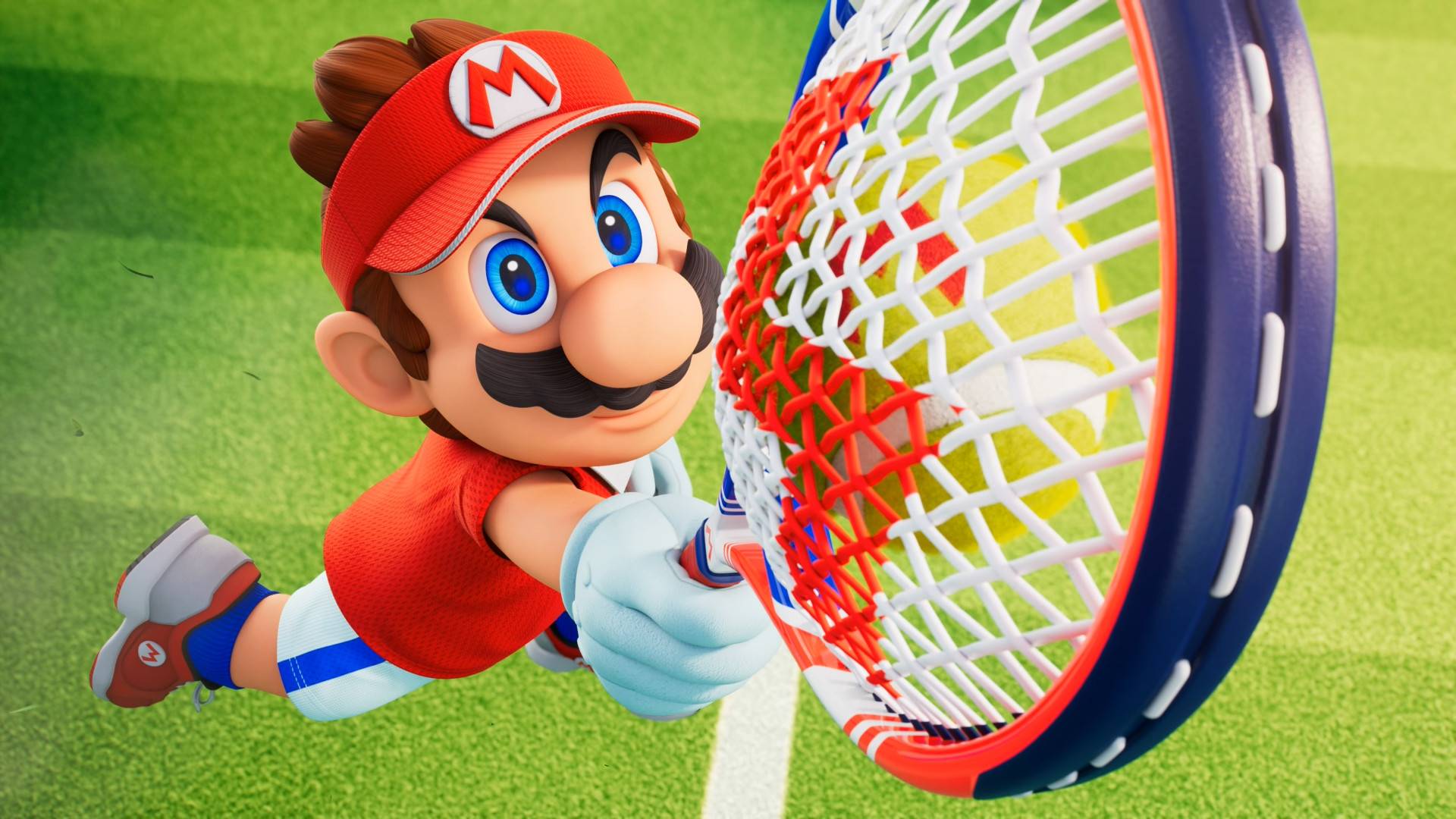
Summary:
Nintendo has rolled out Version 1.0.2 for Mario Tennis Fever on Nintendo Switch 2, and this is the kind of update players tend to notice quickly once they get back on court. It is not just a tiny maintenance patch tucked quietly into the background. Instead, it reshapes parts of the competitive feel of the game by adjusting characters, reworking several Fever Rackets, refining shot behavior, and fixing progression and rating issues that could frustrate players over time. That gives the update real weight, especially for anyone who has been playing online, testing different characters, or pushing through Adventure mode.
Some of the headline changes are easy to spot. Diddy Kong now hits a little harder, while Dry Bones gains better stability and improved sideline aiming. Other light characters such as Baby Peach, Toad, and Shy Guy also get a little more breathing room when returning the ball. On the other side of the net, some stronger or more awkwardly dominant picks have been pulled back. Donkey Kong, Petey Piranha, Rosalina, and Wiggler all lose a bit of reliable reach, and Donkey Kong also sees movement adjustments that should make him feel less overwhelming in certain situations.
The Fever Racket changes are just as important. Several effect durations have been shortened, which should reduce how long certain power swings control a rally. A few extra tweaks make those rackets easier to read or fairer to play against, including the Ghost Racket becoming a little clearer on lobs and the Inky Racket becoming less visually disruptive over time. Add in the fix for the Adventure mode “In the Sky” battle issue and the monthly rating adjustment bug, and Version 1.0.2 starts to look like a patch focused on making the whole experience smoother, fairer, and less annoying. That is exactly the kind of update a multiplayer sports game needs if it wants players to keep coming back for one more match.
Mario Tennis Fever gets a meaningful new update on Nintendo Switch 2
Version 1.0.2 gives Mario Tennis Fever the sort of refresh that feels practical instead of flashy. There is no giant new mode here, no dramatic reinvention, and honestly, that is perfectly fine. Sports games live and die by how they feel from point to point, rally to rally, and match to match. When a patch tightens that moment-to-moment experience, players notice it even if the download does not arrive with fireworks. This update does exactly that. It reaches into the systems that shape competitive play and trims a few sharp edges while nudging weaker options into a better place. That makes the game feel more thoughtfully tuned. It is a little like adjusting the tension on a tennis racket string bed. The frame is the same, the swing is the same, but everything starts responding with more control and less chaos.
Why Version 1.0.2 feels important for regular players
What makes this update stand out is how many different corners of the game it touches at once. Players who prefer online ranked matches get balance changes and a fix to how ratings are handled at the end of each month. Players who enjoy the single-player side get an Adventure mode progression fix that addresses a genuine roadblock. Meanwhile, anyone who simply likes experimenting with the roster now has a reason to revisit a few characters and rackets that may have felt overlooked or slightly irritating before. That broad usefulness matters. An update lands differently when it solves real friction points instead of just polishing the furniture. In this case, Nintendo seems to have looked at player experience from several angles and chosen to make the court feel fairer, clearer, and more stable.
Diddy Kong and the lighter characters come out better
Diddy Kong is one of the clearest winners in Version 1.0.2. His shots and serves now have slightly more strength, which may sound modest on paper, but in a fast tennis game, slight changes can feel huge. A little extra pop can turn a safe shot into a pressuring one and a decent serve into something that pushes an opponent onto the back foot. Dry Bones also benefits in a meaningful way, with improved stability on ball returns and better sideline aiming. That combination could make the character more dependable during tense rallies. Baby Peach, Toad, and Shy Guy each gain slightly improved return stability as well, which should help them feel less fragile when points become scrappy. These changes suggest a clear intention – give some of the lighter or more finesse-oriented picks a sturdier foundation so they can compete without feeling like they need perfect play every second.
The value of small buffs in a sports game
Small buffs often do more for a sports game than giant overhauls. When developers overcorrect, the whole roster can start feeling like a seesaw with half the cast thrown into the air. That does not seem to be the case here. The character boosts in this patch look measured, which is exactly what you want. They are designed to make certain fighters more attractive without turning them into instant nightmares. It also keeps player muscle memory intact. You do not want to log in one day and feel like your favorite character has been replaced by an entirely different person wearing the same outfit. These tweaks appear aimed at refinement rather than chaos, and that usually leads to healthier long-term balance.
Heavy hitters lose some of their edge
If the buffs help underused or less stable characters feel more reliable, the nerfs pull back a few names that may have had too much comfort built into their game. Donkey Kong, Petey Piranha, Rosalina, and Wiggler all see reductions to the distance from which they can stably return the ball. That matters because consistency is power in disguise. A character does not need giant fireworks if they can cover too much space too easily and turn difficult returns into routine ones. Donkey Kong receives extra changes beyond that, including starting to run a little later when moving and an animation adjustment linked to motion extending beyond the hit detection area while moving left or right. In plain terms, the patch seems aimed at making him feel less slippery, less exaggerated, and more honest in how his movement matches his actual effectiveness.
Why these nerfs could improve match flow
Not every nerf is bad news for the game. Sometimes a reduction is exactly what helps the action breathe. If certain characters are too safe, too efficient, or too forgiving, matches can start feeling repetitive. Players drift toward the same picks, the same habits, and the same patterns. That is when a roster begins to shrink even if the character select screen still looks crowded. By shaving back reliable return range for a few stronger names, Version 1.0.2 could make rallies more varied and force more deliberate positioning. That usually leads to better decision-making and more interesting points. Instead of a wall that seems to swat everything back with casual confidence, players may now have to work a little harder for control. Frankly, that is where a tennis game gets its personality.
Donkey Kong receives the most notable correction
Among the heavier characters, Donkey Kong appears to have drawn the most attention. He loses some stable return distance, starts running a bit later, and has an animation issue adjusted so that his motion no longer stretches too far beyond the actual hit detection area when moving sideways. That combination says a lot. It implies Nintendo was not only looking at raw numbers, but also at how the character visually communicated strength and reach during live play. When animation and effectiveness drift apart, players can feel cheated even if they cannot immediately explain why. Tightening that relationship is a smart move. It helps the game feel fairer because what you see lines up more cleanly with what is actually happening.
Fever Rackets now look more balanced across matches
The Fever Racket changes may be the most important part of this patch for players who love the game’s more chaotic mechanics. Several of the strongest or most disruptive rackets have had their effect duration shortened. The Golden Dash Racket drops from 12 seconds to 8 seconds. The Metal Racket and Star Racket both go from 10 seconds to 8 seconds. The Magic Racket and Ghost Racket are shortened from 15 seconds to 12 seconds. Those are not tiny trims. In a game where special effects can swing momentum quickly, shaving even a few seconds off a power window can change an entire point sequence. The message here seems pretty clear – special tools should still feel exciting, but they should not dominate a match for too long once activated.
The Ghost Racket and Inky Racket changes stand out
Two rackets deserve extra attention because their updates are not just about duration. The Ghost Racket now gives players slightly more time to see the trajectory of lobs before they disappear by lengthening that disappearance timing by half a second. That may not sound dramatic, but it could make a big difference in readability, especially during hectic exchanges. The Inky Racket also becomes less oppressive on the visual side, since the time between ink appearing on the screen and starting to drip down has been cut in half. In other words, the mess clears its act faster. That is a welcome adjustment because visual gimmicks are fun until they start feeling like someone smeared jam across your glasses. A little chaos is entertaining. Too much and the joke stops being funny.
Extra utility changes make some rackets fairer
The Metal Racket and Star Racket now allow players to defeat Spinies from the Spiny Racket while their effects are active, which adds a useful interaction that could reduce frustration in certain matchups. The Magic Racket also gets a practical cleanup. If the racket is already a Frying Pan, the transformation motion into a Frying Pan will no longer occur, though HP damage still applies. That sounds like a niche fix, but these are exactly the kinds of strange interactions that can bother players repeatedly once they show up often enough. Cleaning them up helps the special mechanics feel intentional instead of clumsy.
Charge cancel behavior has been adjusted in a noticeable way
One of the subtler gameplay changes in Version 1.0.2 affects shot behavior. Sliding and leaping will no longer occur when performing a charge cancel, though multiball continues to behave as it did in Version 1.0.1. This is the kind of note some players will skim past, but it could have a real effect on feel and consistency. Inputs matter in a game like this. When the character performs extra movement that does not match what the player expects, the controls can feel slippery or slightly theatrical in the wrong way. By cutting out sliding and leaping during charge cancel situations, Nintendo seems to be reducing unintended movement and making player actions easier to predict. That can make the whole game feel tighter without needing a flashy headline to explain it.
Why subtle mechanical cleanup often matters most
There is something funny about patch notes. The lines that look boring are often the ones veteran players remember most. A tiny input fix can be worth more than a giant cosmetic feature because it affects every match, every rally, every split-second reaction. Mechanical cleanup is like fixing a slightly crooked floorboard in a busy hallway. Nobody writes poetry about it, but everybody walks more comfortably once it is sorted. That seems to be the role of this charge cancel adjustment. It is not loud. It is not glamorous. Still, it could quietly make the court feel more responsive, and that kind of improvement tends to age well.
Adventure mode receives an important progression fix
Beyond balance and competitive adjustments, Version 1.0.2 also fixes a bug where the event would not proceed after the “In the Sky” battle in Adventure. Better yet, Nintendo also adjusted progression so the event will continue properly if players resume from save data following that broken point. That last part is crucial. It means the solution is not just theoretical or limited to new players. People who already ran into the issue and were left staring at a progress wall now have a route forward. Anyone who has hit a progression bug in a game knows how sour that can feel. It is like being told the door is open while the doorknob falls off in your hand. Fixing that restores trust, and restoring trust matters.
The single-player side benefits from this update too
It is easy for multiplayer patches to get all the attention, especially when they involve buffs and nerfs that players can debate for hours. Still, the Adventure mode repair deserves real credit. Not every player spends most of their time in ranked competition. Some want a lighter pace, a solo challenge, or a way to enjoy the game without online pressure. For those players, a progression-blocking issue is not a small annoyance. It can stop the whole experience cold. This fix helps the update feel well-rounded because it does not only cater to the loudest competitive conversations. It also takes care of players who simply want the game to function properly from start to finish.
The monthly ratings bug fix matters more than it may seem
Another important fix in Version 1.0.2 addresses a bug where ratings were not being adjusted on the last day of each month at 5 p.m. Pacific time. On paper, that may sound like a calendar problem with a tiny briefcase and a boring tie. In practice, rating systems are the heartbeat of online progression in games like this. If players cannot trust that the system is updating properly at a key reset point, frustration builds fast. Rankings start to feel muddy. Momentum gets lost. Competitive goals lose their shine. Fixing that bug helps preserve confidence in the game’s structure, and confidence is everything when players are investing time into climbing, improving, and measuring their results over weeks and months.
Reliable systems keep competitive play healthy
When rankings work properly, players may not think about them much, and that is actually a compliment. The best systems disappear into the background and simply do their job. Problems only become visible when they fail. By repairing the month-end rating adjustment issue, Nintendo is making sure one of the game’s core competitive systems behaves as expected. That kind of stability is not glamorous, but it supports everything else. You can tweak characters all day long, but if the ranking structure feels unreliable, the competitive scene starts wobbling like a folding table with one short leg.
What these changes suggest about Nintendo’s approach going forward
Looking at the full patch, Version 1.0.2 suggests a development team that is paying attention to several layers of feedback at once. The character adjustments point to balance awareness. The Fever Racket edits show a desire to keep the game’s more chaotic tools entertaining without letting them overstay their welcome. The shot behavior change hints at sensitivity to mechanical feel. The Adventure and rating fixes show attention to player frustration points that reach beyond simple match balance. Put together, this is not a random pile of edits. It feels purposeful. More importantly, it feels like the kind of update that strengthens the game’s foundation rather than decorating the surface. That is encouraging for anyone hoping Mario Tennis Fever keeps improving over time.
Conclusion
Mario Tennis Fever Version 1.0.2 is the kind of update that makes the whole court feel cleaner. It boosts a few characters that needed help, reins in several options that may have been doing a little too much, tones down Fever Racket dominance, and fixes bugs that could genuinely get in the way of progress or competitive trust. Nothing here feels wasteful. The patch is focused, practical, and easy to appreciate once you look at how each change affects real play. For Nintendo Switch 2 players, that is good news. It means the game is not standing still. It is being tuned with a steadier hand, and that usually leads to better matches, fewer headaches, and a stronger reason to keep swinging for one more win.
FAQs
- What is included in Mario Tennis Fever Version 1.0.2?
- The update includes character balance changes, Fever Racket adjustments, a shot behavior tweak related to charge canceling, a fix for an Adventure mode progression issue, a repair for the monthly ratings bug, and several other gameplay improvements.
- Which characters were improved in this update?
- Diddy Kong, Dry Bones, Baby Peach, Toad, and Shy Guy received positive adjustments. These changes mainly improve shot strength, serve power, return stability, or aiming potential.
- Which characters were reduced in power?
- Donkey Kong, Petey Piranha, Rosalina, and Wiggler were adjusted downward in certain areas. Donkey Kong also received movement-related changes and an animation correction tied to hit detection while moving sideways.
- Why are the Fever Racket changes important?
- Several Fever Rackets now have shorter effect durations, which should make matches feel fairer and reduce overly long power swings. Some rackets also received extra interaction and visibility changes that make their effects easier to understand during play.
- Did Nintendo fix the Adventure mode issue in Version 1.0.2?
- Yes. The update fixes the problem where the event would not continue after the “In the Sky” battle in Adventure, and it also allows progress to continue correctly when resuming from save data after that point.
Sources
- How to Update Mario Tennis Fever, Nintendo Support, March 26, 2026
- Mario Tennis Fever 1.0.2 update out now, patch notes – new balance adjustments and more, Nintendo Everything, March 26, 2026
- Mario Tennis Fever Update Now Available (Version 1.0.2), Here Are The Full Patch Notes, Nintendo Life, March 27, 2026
- Mario Tennis Fever Version 1.0.2 is now available, My Nintendo News, March 27, 2026