














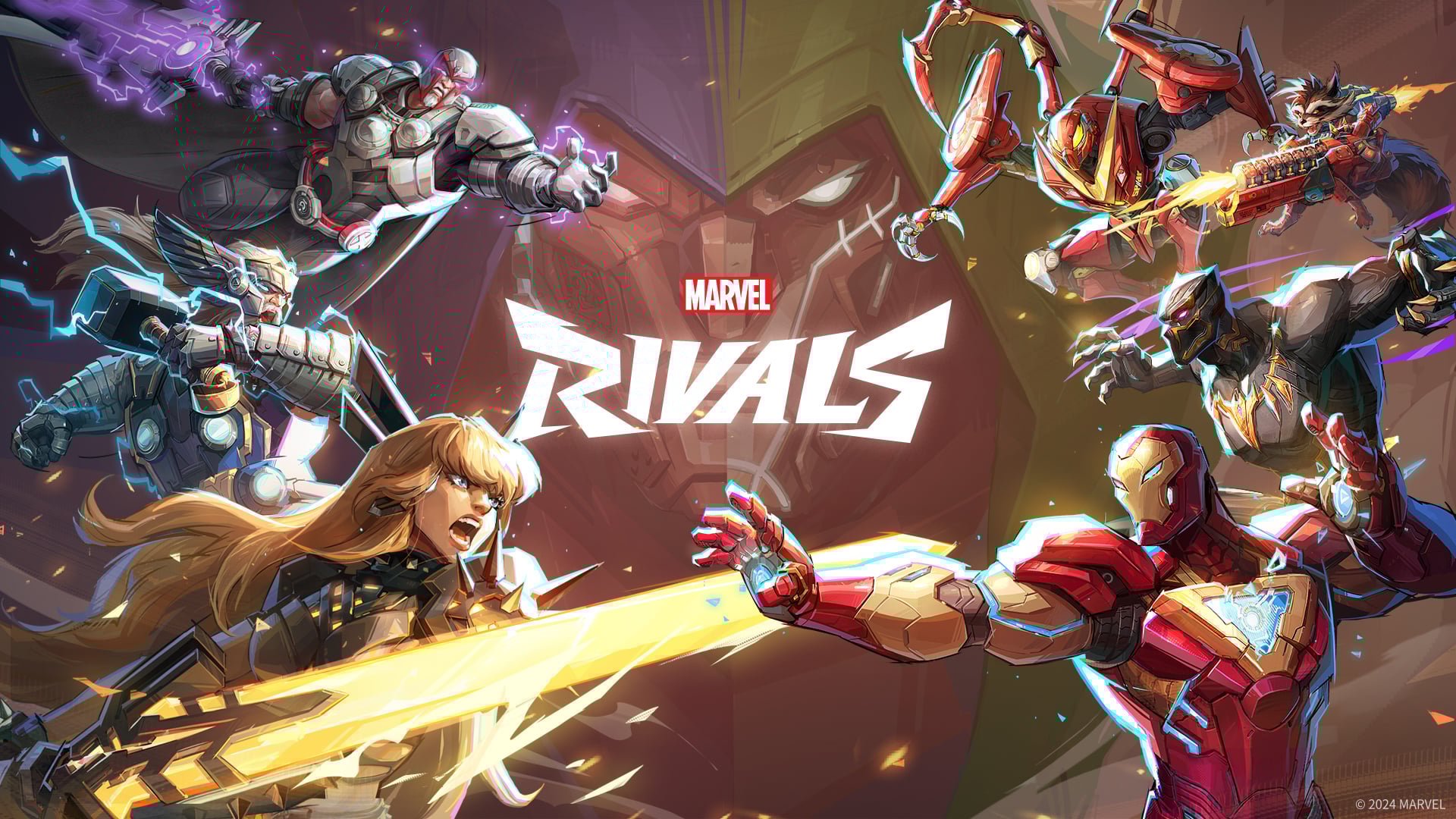
Summary:
Marvel Rivals coming to Nintendo Switch 2 is no longer just one of those rumors that floats around social media for a week and disappears into the fog. It now has something much stronger behind it – a direct confirmation from Marvel Games executive producer Danny Koo, who said the team is working on it and will share more when the time is right. That may sound brief, but it is exactly the kind of update players were waiting for. It shifts the conversation away from wishful thinking and toward a real version that is now in development.
That matters because Marvel Rivals has always looked like a natural fit for a modern portable-friendly system, just not the original Switch. The game is fast, flashy, chaotic, and built around online team battles that thrive when players can jump in quickly. On stronger hardware, that energy works. On weaker hardware, it risks feeling like trying to fit a thunderstorm into a shoebox. Switch 2 changes that equation. It gives NetEase and Marvel Games a platform that may finally support the kind of performance and visual clarity this hero shooter needs.
There are still plenty of unanswered questions. No release date has been announced. No footage has been shown. No one has confirmed how far along the build is or whether it will launch with every feature available elsewhere. Still, the key point is simple and important: this version is happening. For Nintendo fans who wanted a seat at the table, the door is now open. The only missing piece is finding out when Marvel Rivals will make that leap onto Switch 2 and how strong the final result will be once it lands.
Marvel Rivals finally gets real Switch 2 momentum
For a while, Marvel Rivals on Nintendo hardware sat in that awkward middle ground where fans could see the logic, but nobody could quite point to a firm commitment. People wanted it, the game clearly had wide appeal, and the growing interest around Switch 2 made the idea feel increasingly believable. Even so, believable and confirmed are not the same thing. That is why this recent update matters. Danny Koo did not leave the door half open with vague corporate language or a cautious “maybe someday.” Instead, he stated that the team is working on it and would share more news later. That changes the tone around the entire conversation. It tells players this is no longer a theoretical port being weighed in a meeting room somewhere. It is a live project. For Nintendo fans, that is the moment the clouds part a little. The skyline is not fully visible yet, but at least now you know the road is real and not just painted on the wall.
Why Danny Koo’s statement matters
Not every comment from a producer deserves to be treated like a major shift, but this one does. The wording is short, yet it carries weight because it is direct and leaves little room for misunderstanding. When a senior figure tied to Marvel Games says a Switch 2 version is being worked on, that means the conversation has already moved past casual interest. It suggests internal alignment, technical planning, and enough confidence to acknowledge the project publicly. That does not mean fans should start circling a release date on the calendar just yet. It does mean the version exists in a meaningful way. Think of it like hearing the orchestra tuning up before the curtain rises. The show has not started, but nobody is pretending the stage is empty anymore. For a game as visible and active as Marvel Rivals, that kind of confirmation matters because it resets expectations and gives Nintendo players something solid to follow rather than a pile of hopeful guesswork.
What the quote actually confirms
The quote confirms one important thing and avoids several others. It confirms that Marvel Rivals is in development for Nintendo Switch 2. It does not confirm a release window, pricing, feature parity, technical targets, cross-progression support, or whether the version is close enough to reveal soon. That distinction matters because excitement has a funny way of putting roller skates on assumptions. Once fans hear “we’re working on it,” the next leap is often “so it must be close.” That is not guaranteed at all. A project can be real and still be months away from a proper rollout. The safest reading here is the strongest one: Marvel Rivals is happening on Switch 2, but the finer details are still under wraps. That gives us a clean, factual foundation to work from. It is not flashy, but it is dependable, and dependable news often ages better than louder speculation that burns bright for a day and then falls apart.
Why careful wording still leaves room for excitement
There is a difference between uncertain information and measured information. This announcement falls into the second category. Danny Koo did not overpromise, and honestly, that is a good sign. A restrained confirmation usually suggests the team is trying to avoid getting ahead of development realities. Fans may crave a date, a trailer, or a platform breakdown, but careful wording often points to a project that is being handled with some discipline. That can be frustrating in the moment, yet it is often better for the finished result. Nobody wants a rushed reveal followed by delays, missing features, or performance concerns. A little patience now may be the price of a stronger launch later.
Why the original Switch never looked like the right fit
Marvel Rivals is not the kind of game that can simply squeeze itself onto any machine and expect the magic to survive unchanged. Its appeal depends on movement, visual effects, fast reactions, layered character abilities, and multiplayer stability. That is a demanding cocktail. The original Switch has delivered some impressive ports over the years, but it has also shown the limits of aging hardware when games ask for too much all at once. Marvel Rivals feels like one of those projects where compromises could pile up fast. Lower visual detail might be manageable. Lower image clarity could be tolerable. But if framerate, responsiveness, and online consistency start wobbling, the entire experience can lose its bite. A hero shooter without smooth momentum feels like trying to sword fight while wearing oven mitts. You can still swing, sure, but it is not pretty. That is why the original Switch always felt like a poor match, even when the fantasy of playing Marvel Rivals on a Nintendo handheld was easy to love.
Why Switch 2 changes the conversation
Switch 2 gives this idea breathing room. Rather than forcing Marvel Rivals through a narrow technical doorway, it offers a platform that appears far more capable of handling the demands of a modern online action game. That matters because Marvel Rivals is built on energy. Characters burst across the screen, environments and abilities fill matches with visual noise, and players need feedback that is fast and readable. The newer system creates a far more believable path to preserving that feel. The conversation is no longer “can they cut enough corners to make it run at all?” It becomes “how close can they get to the experience players expect?” That is a much healthier starting point. The difference is huge. One approach is survival mode. The other is adaptation with actual ambition. Nintendo fans should care about that shift because it raises the odds that this version can feel like a proper home for the game rather than a novelty built mostly for the box art.
How portable play could become a real strength
Marvel Rivals has the kind of structure that can thrive in portable play when the hardware is up to the task. Team-based matches, recognizable heroes, regular sessions, and that “just one more round” energy all fit nicely with a system that lets players jump in from the sofa, a desk, or on the go. Portable access changes the texture of a multiplayer game. It makes check-ins easier. It makes daily play more natural. It can turn a title from something you schedule into something you casually reach for. That might sound small, but it often changes player habits in a big way. A strong Switch 2 version could make Marvel Rivals more flexible without stripping away the spectacle. That is the dream, really. Not a watered-down side version. Not a compromised experiment. A version that lets the game keep its spark while gaining the kind of freedom Nintendo hardware is known for.
What fans will likely watch most closely
If and when footage appears, players will probably focus on a few key points right away. Performance will be the big one. After that, visual clarity, matchmaking stability, and control feel will likely become the main talking points. Those are not glamorous checklist items, but they are the bones of the experience. If those bones are strong, everything else starts to stand taller. If they are weak, even a great roster and stylish presentation can only do so much. Nintendo fans have seen both outcomes before, so expectations here will be practical as much as emotional.
What Nintendo fans may want from this version
A Switch 2 release is not only about whether Marvel Rivals can run. It is about whether it can feel worth joining on that platform. Players will want confidence that the version is not arriving late, stripped down, or treated like a side door into the larger ecosystem. Feature support will matter. Cross-platform considerations will matter. The state of updates will matter. If Nintendo players feel like they are getting the “yes, technically it exists” version, excitement could cool quickly. But if the game lands with strong support, useful progression options, and a steady cadence that mirrors the wider player base, this could become a major win. Marvel Rivals lives and dies by momentum. Its community thrives when people feel connected to an active, evolving space. A Switch 2 version has to capture that same pulse. Otherwise, it risks being like joining a party after the music has stopped and the host is already stacking chairs.
The biggest questions still hanging over the project
Even with the confirmation in place, several major questions remain unanswered. The first is timing. Is this something players might see soon, or is it still much further out? The second is scope. Will the Switch 2 version arrive fully aligned with other platforms, or will it launch with a more selective feature set? Then there is the issue of progression and account support, which matters enormously in live-service games where players build habits, unlock items, and invest time over months. Another question is communication. Once the team is ready to reveal more, how quickly will they explain the version’s technical goals and platform-specific features? That information will shape the mood immediately. Fans do not need every secret revealed overnight, but they do need clarity when the reveal finally arrives. Clear messaging can steady excitement. Murky messaging tends to create chaos, and the internet does not exactly have a gentle relationship with chaos.
How timing could shape the launch
Timing is more important here than it might first appear. Live-service games move fast. Communities shift. Meta conversations change. Seasonal updates reshape interest. A late-arriving version can still succeed, but it has to enter the scene with enough momentum and enough clarity to avoid feeling like an afterthought. On the other hand, a smartly timed launch could give Marvel Rivals a fresh wave of attention and a new audience at exactly the right moment. Nintendo players are often eager adopters when a multiplayer game feels made for their platform habits. That is a valuable opportunity. But timing has to work with that energy rather than against it. Launching too quietly could dull the impact. Launching without a clear value proposition could do the same. This version does not need to reinvent Marvel Rivals. It just needs to arrive like it belongs.
Why patience still matters
Patience is not always the fun answer, but it is the smart one here. Right now, the most important piece of news is already on the table: the game is being developed for Switch 2. That is meaningful progress. Everything after that should be judged when the team is ready to show specifics. It is tempting to race ahead and fill every blank space with predictions, but that often leads fans into disappointment built on their own expectations rather than the reality of the project. Waiting for stronger details is not boring. It is simply how you keep excitement anchored to something real.
What this means for Marvel Games on Nintendo platforms
There is also a wider angle here that makes this development interesting. A confirmed Switch 2 version of Marvel Rivals says something about confidence in Nintendo’s new hardware as a home for larger-scale multiplayer projects. That matters beyond one game. It reflects a growing sense that Nintendo players should not only be part of family-friendly exclusives, platformers, and party staples, but also part of broader multiplayer conversations that dominate time and attention across the industry. Marvel Rivals is flashy, character-driven, and easy to understand at a glance, which gives it strong crossover appeal. If it arrives in good shape, it could help reinforce the idea that Switch 2 is not merely a place for side versions or delayed experiments. It can be part of the main current. For Marvel Games, that is valuable. For Nintendo fans, it is even more valuable, because it means fewer closed doors and more chances to play the same big names everyone else is talking about.
Conclusion
Marvel Rivals for Nintendo Switch 2 now stands on firmer ground than ever. Danny Koo’s confirmation does not answer every question, but it gives fans the one answer they needed most: this version is being worked on. That turns a long-running possibility into a real platform story worth following. The original Switch never felt like the ideal machine for a game this demanding, but Switch 2 gives the idea a much better chance to succeed without sanding away what makes Marvel Rivals exciting in the first place. There is still a wait ahead, and there are still gaps in what we know. Even so, the core takeaway is strong. Nintendo players are no longer standing outside the window wondering whether Marvel Rivals might eventually show up. The invitation is in motion. Now it is all about seeing when the door opens and how polished the final arrival will be.
FAQs
- Has Marvel Rivals been confirmed for Nintendo Switch 2?
- Yes. Marvel Games executive producer Danny Koo confirmed that the team is working on a Nintendo Switch 2 version and said more news will be shared later.
- Did Danny Koo give a release date for the Switch 2 version?
- No. The confirmation established that development is underway, but no launch date or release window was provided.
- Why did Marvel Rivals not launch on the original Switch?
- The game appears to be a better fit for stronger hardware. Its fast multiplayer action and technical demands likely made the original Switch a less practical match.
- Could portable play help Marvel Rivals on Switch 2?
- Absolutely. The structure of quick multiplayer sessions and frequent check-ins could make handheld play a natural strength, provided performance and online stability hold up well.
- What should fans wait for next?
- The next important update will likely be an official reveal with clearer details on timing, features, and how the Switch 2 version compares with other platforms.
Sources
- Marvel Rivals Has Reportedly Been Confirmed For Switch 2, Nintendo Life, March 25, 2026
- Marvel Rivals dev “in contact with Nintendo” about Switch 2 port, Nintendo Everything, February 15, 2025
- Marvel Rivals Is Officially Coming to Nintendo Switch 2, GamerBraves, March 25, 2026