














Summary:
We all know the feeling: you’re watching a big live showcase, half-expecting the usual rhythm, and then something hits that makes the room collectively lean forward. That’s the vibe Mega Man Dual Override brought to The Game Awards 2025. The reveal didn’t land because a logo appeared. It landed because the setup played with our brains in the best way, starting in an unfamiliar place, letting the music slowly tip its hand, and then snapping into recognition once the clues stacked up. Geoff Keighley later shared how that moment was built, and the story is surprisingly specific: a stretch of persistent check-ins with Capcom, a mysterious package full of Mega Man items that felt like a wink and a handshake at the same time, and a trip to Capcom HQ in Osaka where the team didn’t just talk – they handed over a controller for an early build and asked for feedback.
From there, we get the craft side of reveals that people rarely think about. The sequence needed to feel like a discovery happening in real time, not an obvious teaser with a blinking sign that says “SURPRISE.” That meant layering hints, protecting the secret with small production decisions, and treating the music like the emotional ignition switch. Keighley pointed to a beloved orchestral Mega Man performance as a north star, and the final presentation leaned into that same kind of swelling recognition, the kind that makes you grin even if you’re trying to play it cool. Add in the deliberate nods to the series’ history – including a signal that points to this being positioned as the next mainline step – and the reveal becomes more than an announcement. It becomes a memory we can replay, beat for beat, and still feel that little jolt when the pieces click.
The night Mega Man returned to the spotlight
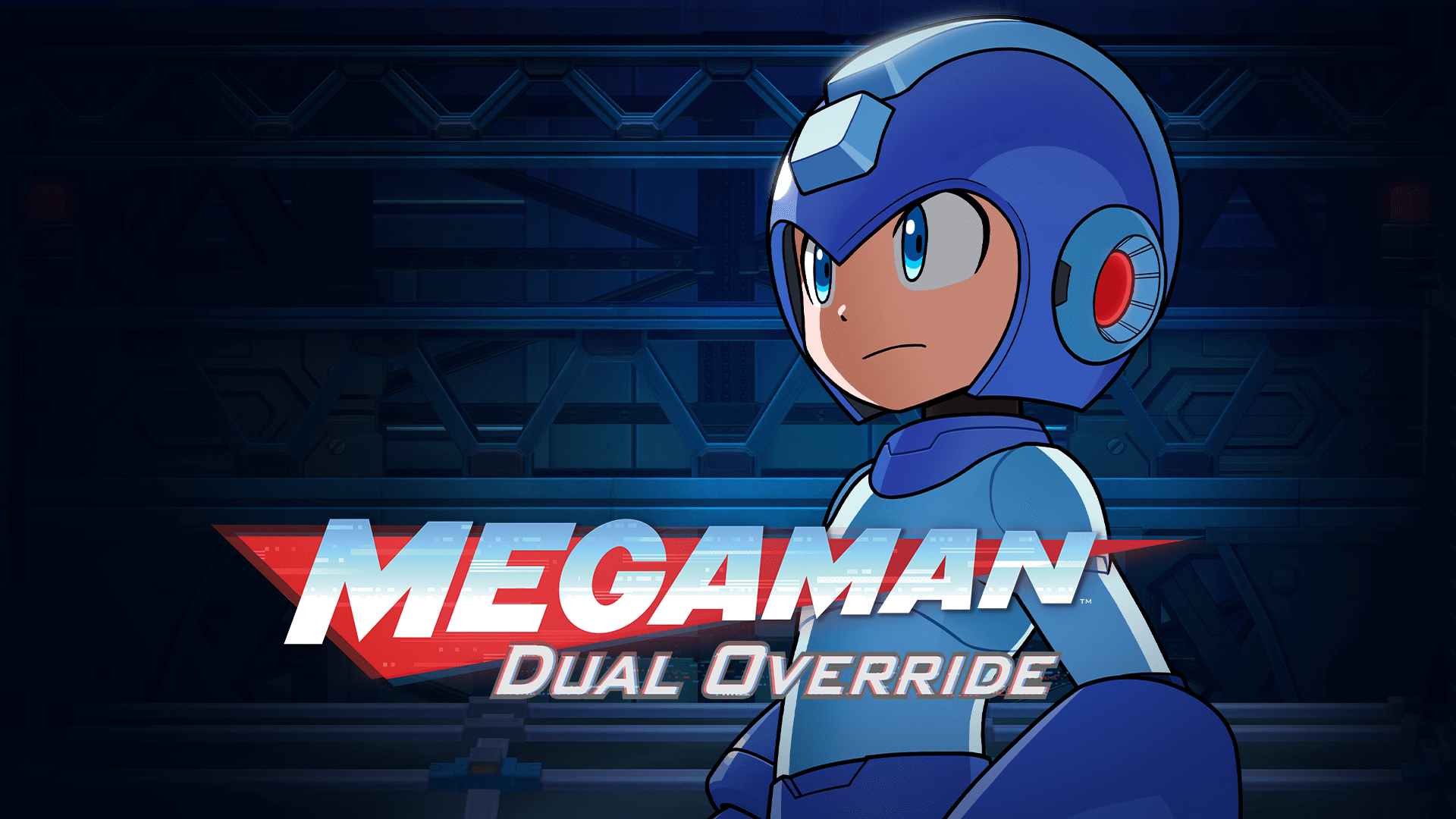
Mega Man showing up at The Game Awards 2025 wasn’t just another trailer in the reel – it was a reminder of how a franchise can sit quietly for a while and still have the power to make people react on instinct. You could feel the recognition factor doing the work in real time: the sound, the imagery, and the pacing all pushed the audience toward that “wait… is this what I think it is?” moment. That kind of reaction doesn’t happen by accident. It’s planned like a magic trick, where the reveal isn’t the rabbit, it’s the split second when you realize the hat was never empty. Mega Man Dual Override was framed as a proper return, not a casual cameo, and the live setting mattered because the energy in the room becomes part of the announcement. When the crowd figures it out together, the moment gains weight that a random upload on a quiet Tuesday just can’t match.

A long-running question Geoff Keighley kept asking Capcom
One of the most human parts of the story is that it started with persistence, not spectacle. Keighley described regularly asking Capcom leadership, including Ryozo Tsujimoto, when it might be time to bring Mega Man back in a big way. That detail matters because it frames the announcement as something that brewed over time rather than a sudden, last-minute handshake. It also lines up with how major franchises tend to move internally: teams test ideas, revisit what “right” looks like, and wait until they have something they’re willing to place under bright lights. The takeaway is simple – before there was a trailer, there was relationship-building and repeated curiosity. And when that curiosity finally got an answer, it came in a very Capcom way: playful, dramatic, and just cryptic enough to make the point without spelling it out.
The mysterious package that changed the conversation
The turning point, as Keighley told it, was a package arriving shortly after Summer Game Fest. Not an email. Not a calendar invite. A physical box with Mega Man plushies, a helmet, and figurines – the kind of delivery that feels like a movie prop because it’s so deliberately on theme. The message attached to it was blunt and theatrical, basically a “we’re doing this” signal with Capcom’s fingerprints all over it. The genius here is that the package isn’t just a cute anecdote. It’s a communication strategy. It sets the tone early: this return should feel like an event, not a quiet update. It also shows confidence. You don’t send a box like that unless you’re ready for the spotlight and ready to let a trusted partner help shape how the world first sees what you’ve been building.
A visit to Capcom HQ in Osaka
Once the signal was sent, the story shifts from hints to hands-on collaboration. Keighley described traveling to Capcom HQ in Osaka, which is where the reveal stops being a plan on paper and becomes something you can actually feel. That setting matters because it reinforces that this wasn’t a remote “send the trailer file and we’re done” situation. It was an in-person effort with real time spent aligning on vision and execution. When a publisher invites someone into the building for a behind-the-scenes look, it’s not casual. It’s a way of saying, “We trust you with the early version, and we want your read on how this lands.” That dynamic is rare, and it’s part of why this reveal story has traveled so widely – it offers a peek at the invisible handshake between a big stage and the creators stepping onto it.
When the lights dimmed and Capcom leaned into theater
Capcom didn’t just present a slide deck. They staged a moment. Keighley described the room darkening, the Mega Man theme kicking in, and staff entering in full costume – including a Mega Man outfit and a Dr. Wily look that leaned into the series’ playful rivalry. It’s funny, but it’s also smart. Cosplay in the boardroom sounds wild until you remember what Mega Man is at its core: bold silhouettes, iconic characters, and a vibe that’s always balanced sincerity with a wink. This kind of presentation can do something a normal meeting can’t. It resets everyone’s mindset from “product planning” to “showtime.” And when you’re about to decide how to reveal a beloved character again, that mindset shift is everything. It keeps the work rooted in identity instead of drifting into generic marketing talk.
Hands-on with an early ROM and why that matters
One detail from Keighley’s story that stands out is that Capcom handed him a controller and let him play an early ROM of Mega Man Dual Override. That matters because it suggests the team cared about first impressions at a tactile level, not just visually. Trailers are one thing. Actually touching an early build is another, because it forces the conversation to include pacing, feel, and the little cues that make Mega Man look like Mega Man when you’re the one in control. Early feedback at that stage can shape what gets emphasized in the first public showing, even if the on-screen footage is short. It also signals confidence in the direction. Letting someone outside the immediate dev circle play an early version is a risk, so teams usually do it when they believe the foundation is sturdy enough to represent the vision, even if everything isn’t final yet.
Turning a reveal into a shared live moment
The Game Awards thrives on communal discovery, and this reveal was designed to make the audience do the work of connecting dots. That’s not manipulation in a bad way – it’s the same reason a great joke needs timing and why a good scary movie holds the camera a beat too long. The point is to create a reaction that feels earned. Keighley has talked about building sequences where people aren’t immediately sure what they’re seeing, until suddenly the answer becomes obvious. Mega Man Dual Override fit that approach perfectly because the franchise has musical DNA that’s instantly recognizable once it peeks through. When the reveal is built around that recognition curve, the crowd response becomes part of the soundtrack. It turns an announcement into a moment you remember, not just a clip you scroll past.
Why the opening had to start “wrong” on purpose
The reveal concept leaned into misdirection: begin in a setting that doesn’t scream Mega Man, let orchestral music swell without handing you the punchline, and allow the first hints to arrive as subtle audio fingerprints rather than giant neon signs. That “start wrong” tactic is powerful because it makes the brain pay attention. When something feels unfamiliar, you scan for clues. When something feels familiar, you relax. The reveal wanted scanning mode. It wanted people leaning forward, doing that quiet internal inventory of melodies and motifs, like “I know this… I know this…” That’s also why protection of surprises matters so much in live-show planning. If the secret leaks, the audience isn’t scanning anymore – they’re waiting. And waiting is the opposite of discovery. The entire structure was built to make discovery the star.
Threading Mega Man history into the set dressing
One of the cleverest details Keighley highlighted is that the environment included monitors showing years that represent every Mega Man release so far. On its own, that sounds like a background easter egg. In practice, it’s a breadcrumb trail that rewards attention without confusing anyone who misses it. The audience that catches it gets a little extra satisfaction, like finding a hidden path in a level you’ve played a hundred times. The audience that doesn’t catch it still gets the main beat when the reveal snaps into focus. This kind of layered design is hard because it has to be clean enough for a live broadcast and still packed enough to please the fans who freeze-frame trailers. It’s also a reminder that Capcom understands how Mega Man fans watch announcements – with excitement, yes, but also with a detective’s magnifying glass.
The music choice: an orchestral Dr. Wily hint that lands
Music did more than set mood here – it carried the identity reveal on its back. Keighley specifically pointed to an orchestral Mega Man performance he loves, and the on-stage presentation used orchestral power to build suspense before letting recognizable themes peek out. That’s a smart choice because Mega Man melodies are like instant time machines. You hear a few notes and you’re back in the menu screen, back in the stage select, back in the stress of one hit point left while the boss theme pounds in your chest. Orchestral arrangements amplify that emotional punch without needing to shout. It’s the difference between someone telling you “this is important” and you feeling it in your ribcage. When the theme resolves into something you recognize, the reaction is automatic. You don’t decide to get excited. Your brain hits the switch for you.
The space station teaser and the “12” signal
The reveal’s space station framing was a deliberate choice because it created distance from the obvious Mega Man visual language, at least at first. That distance is the runway that allows the music and clues to accelerate into recognition. Keighley described the sequence as one where the audience might not be sure what they’re hearing until hints start stacking up. The “12” moment on the monitors was positioned as a final nudge right before the door opens, tying the tease to the idea of a next numbered step in the series. It’s a small thing, but it’s the kind of small thing that Mega Man fans latch onto because it speaks a clear language: legacy, continuity, and forward motion. And because it’s embedded in the scene rather than announced out loud, it feels like a reward for paying attention instead of an instruction.
How subtle audio cues do the heavy lifting
Subtlety is tricky in a live-show environment. Broadcast compression, crowd noise, and the pace of the program can flatten details. That’s why the audio approach here is so interesting: the orchestral build had to be clear enough to register but restrained enough to keep the mystery alive. Think of it like smelling a familiar food before you see it. The scent alone can tell you what’s cooking, but only if it’s allowed to linger. The reveal used that same principle with musical motifs, letting the audience catch a whiff of Dr. Wily’s world before confirming anything visually. It’s a bold strategy because it trusts the audience to be smart, and it trusts the franchise to be recognizable without a logo slam. When that trust pays off, the payoff feels personal, like the reveal was aimed directly at your memory.
The tiny production tweaks that protected the surprise
Keighley mentioned months of tweaks, including changing corridor color choices so the visual language wouldn’t give too much away too early. That kind of detail sounds almost silly until you realize how quickly fans decode trailers now. Color palettes, shapes, lighting patterns – everything becomes evidence in the court of the internet. So the protection strategy isn’t just “don’t leak the trailer.” It’s “don’t accidentally hint too loudly through design.” These micro-decisions also show how reveal-building is part craft, part paranoia, and part love letter. You don’t obsess over corridor colors unless you care about the audience experience. The goal is to let the surprise survive long enough to be shared live, because a surprise that stays intact doesn’t just inform people. It gives them a story to tell, the kind that starts with “I was watching live and then…”
Secrecy, coordination, and why live shows feel risky
Live reveals are controlled chaos. They look smooth on screen because teams build safety nets behind the curtain, but the risk is real because so many moving parts must align at the same time. Keighley described dozens of collaborators working in secrecy, with full sequences not being rehearsed in the exact live form until the moment arrives. That’s a wild thing to admit because it highlights how much trust and process is involved. It’s not reckless – it’s practical. The more people who fully rehearse the whole thing repeatedly, the more chances the secret leaks, and the more the moment loses its spark. So the team balances preparation with protection, building confidence in pieces while keeping the full picture locked up. When it works, you get a reveal that feels like lightning in a bottle.
Dozens of collaborators, limited rehearsals, real pressure
When a moment like this hits the stage, it’s not just Capcom and a presenter. It’s audio teams, stage managers, broadcast crews, lighting, musicians, cue runners, and people whose names we’ll never see but whose timing decides whether the reveal lands. That’s why Keighley framed these sequences as emotional centerpieces, not just promotional beats. The emotional part is earned through coordination. You can’t fake the feeling of something happening live unless it actually is happening live, with real people hitting their marks under real pressure. And in a way, that pressure matches Mega Man’s own vibe. Mega Man has always been about precision under stress – jump timing, pattern reading, one mistake costing you. A live reveal built on precision feels strangely on brand, like the franchise is returning through a performance that reflects its own gameplay heartbeat.
What we can say about Mega Man Dual Override right now
After a reveal like this, the internet does what it always does: it turns excitement into assumptions at warp speed. But there’s a cleaner way to keep the hype fun without turning it into a rumor factory. We can stick to what was actually shown and what was actually shared about how the reveal came together. The confirmed pieces center on the announcement at The Game Awards 2025, the behind-the-scenes Instagram story Keighley posted about the mystery package and the Capcom HQ visit, and the intentional design choices around music, staging, and secrecy. Beyond that, it’s smarter to keep our feet on the ground. Not because it’s boring, but because official details are always more satisfying when they arrive without being pre-chewed by a thousand speculative threads.
Separating what was shown from what people assume
A good rule of thumb is to treat the reveal as a snapshot, not a full blueprint. A reveal trailer is built to establish tone, identity, and the fact that something exists and is coming. It’s not built to answer every question about mechanics, structure, or scope. That’s especially true for franchises with passionate communities, where every frame becomes a thesis statement. With Mega Man Dual Override, the reveal and the behind-the-scenes story already give us plenty to talk about without inventing extra layers. We saw a carefully staged reintroduction and heard about collaboration that included early feedback on an early build. That tells us Capcom is taking the re-entry seriously. The rest is best left to official follow-ups, because nothing kills excitement faster than arguing about features that were never promised.
How to follow official updates without getting burned
If you want to track Mega Man Dual Override in a way that stays fun, treat official channels like your anchor. When Capcom publishes updates, trailers, or developer notes, those are the moments that deserve the spotlight. The same goes for verified posts from The Game Awards leadership when they share behind-the-scenes context. Everything else tends to become an echo chamber, where the loudest guess gets repeated until it sounds like fact. A practical approach is to keep a short list: Capcom’s official announcements, The Game Awards’ official channels, and a couple of reliable outlets that clearly separate reporting from commentary. That way, you get the excitement without the whiplash. And honestly, that’s the best way to enjoy a Mega Man return – steady hype, no unnecessary drama, and room to be surprised again when the next real detail drops.
Conclusion
Mega Man Dual Override’s reveal worked because it respected the audience. It trusted us to recognize the sound, to notice the hints, and to feel that surge of realization together in a live room. Geoff Keighley’s behind-the-scenes story adds a second layer of fun: the mystery package that flipped the switch from “maybe someday” to “we’re ready,” the Osaka visit that included a theatrical Capcom welcome, and the hands-on early build moment that shows collaboration went beyond swapping files. Add the orchestral approach, the deliberate misdirection, and the tiny production decisions that protected the secret, and we get a blueprint for how to bring a classic name back without making it feel dusty. If this is what Capcom considers the right moment, then the return already has what it needs: identity, confidence, and a reveal people will keep replaying like a favorite stage theme.
FAQs
- How did Mega Man Dual Override end up being revealed at The Game Awards 2025?
- Geoff Keighley said it followed ongoing conversations with Capcom, a mystery package that signaled they were ready, and planning that led to the live reveal at The Game Awards 2025.
- What was in the mystery package Capcom sent?
- Keighley described a box that included Mega Man plushies, a helmet, and figurines, paired with a message that made the intent clear.
- Did Geoff Keighley actually visit Capcom in Osaka for this reveal?
- Yes. He described going to Capcom HQ in Osaka, where they discussed the vision for the next Mega Man and he played an early build.
- Why did the reveal start in an unfamiliar space station setting?
- The staging was designed to create uncertainty at first, letting the audience discover the identity through subtle clues and music before the moment clicks.
- Why was orchestral music such a big part of the reveal?
- The orchestral build helped create suspense and emotional payoff, letting recognizable Mega Man themes emerge in a way that feels cinematic and instantly familiar.
Sources
- It all started a few days after Summer Game Fest, when a mysterious package arrived, Instagram, December 2025
- Mega Man Dual Override Brings The Blue Bomber Back In 2027, Game Informer, December 11, 2025
- Geoff Keighley Shares How TGA’s Mega Man Reveal Came Together, TheGamer, December 2025
- Geoff Keighley reveals how Mega Man: Dual Override’s Game Awards reveal came to be, GoNintendo, December 31, 2025
- Geoff Keighley Shares the Story Behind Mega Man: Dual Override’s TGA Reveal, Rockman Corner, December 2025
- Geoff Keighley reveals how Mega Man Dual Override turned up at The Game Awards, My Nintendo News, December 31, 2025
- Frederick Lloyd | Ursine Vulpine, X, December 2025