














Summary:
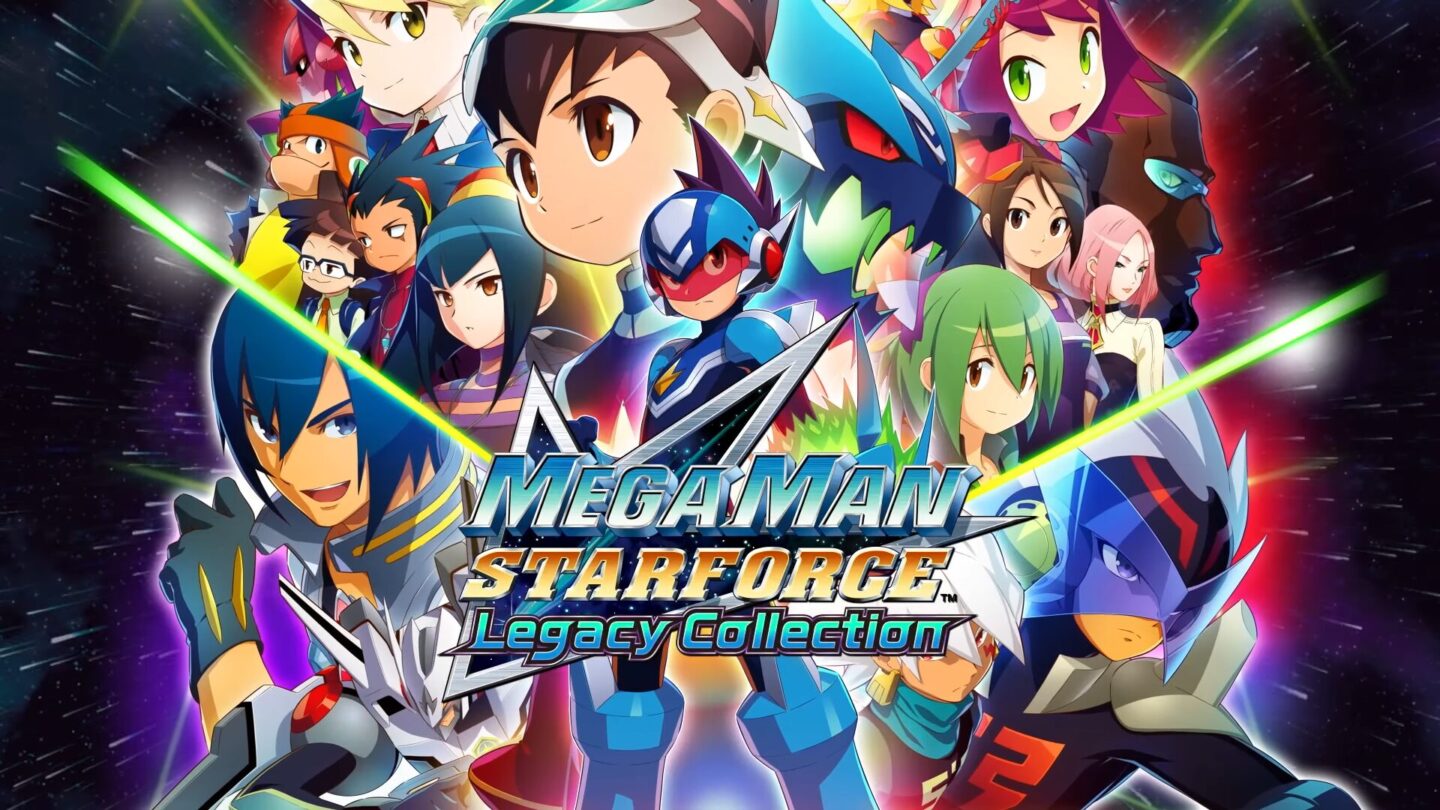
Mega Man Star Force Legacy Collection is officially locked in for March 27, 2026 on Nintendo Switch, PlayStation 5, PlayStation 4, Xbox Series X|S, Xbox One, and PC via Steam. If you ever missed the DS era – or you lived it and want that exact flavor back without digging through old carts and nostalgia fog – this release is basically a tidy time capsule with a few modern conveniences baked in. We’re getting all three main Star Force entries, including the multiple versions that originally split content, encounters, and rewards. That’s how we land at seven total games: Leo, Dragon, Pegasus, Zerker x Ninja, Zerker x Saurian, Black Ace, and Red Joker.
On top of the games themselves, Capcom is leaning into “nice to have” extras that actually matter once the initial hype fades. We can browse a big gallery of artwork, and we can put the music front and center with a music player, which is perfect for anyone who has ever caught themselves humming a battle theme while making coffee. Online play is also part of the package, and the idea isn’t just competitive bragging rights – it’s keeping the core systems feeling alive, with battling and other connected features that fit how the series was designed to be shared. Pre-orders come with a small but fun set of bonuses: four arranged music tracks and two cosmetic main menu characters, Geo Stelar (Casual Wear) and Omega-Xis. In other words, this isn’t trying to reinvent Star Force. It’s trying to let us play it again – cleanly, conveniently, and with enough extras to make the whole bundle feel like a proper celebration.
What Mega Man Star Force Legacy Collection is and why it matters
We’re looking at a focused bundle that brings the Mega Man Star Force series back in one place, and the timing matters because Star Force has always been the “IYKYK” corner of Mega Man fandom. It’s not the classic side-scroller lane, and it’s not exactly Battle Network either, even though they’re cousins who share a family laugh. Star Force takes the action RPG idea and aims it forward, literally, with battles built around positioning and timing, plus that satisfying loop of collecting tools and experimenting until something clicks. The biggest reason this release matters is simple: access. When a series lives on older hardware, it quietly becomes harder to talk about, harder to recommend, and harder to revisit without jumping through hoops. With this collection, we don’t have to treat Star Force like a lost chapter. We can actually play it, compare the versions, and share tips without adding “if you can find it” at the end of every sentence. If you’ve ever wanted to understand why Geo Stelar and Omega-Xis have such a loyal fanbase, this is the cleanest on-ramp we’ve had in years.

Release date, price, and platforms
Capcom has set Mega Man Star Force Legacy Collection for March 27, 2026, and it’s landing on Nintendo Switch, PlayStation 5, PlayStation 4, Xbox Series X|S, Xbox One, and PC via Steam. That wide platform spread is a big deal because it means we aren’t stuck in one ecosystem to join the party. In addition, the collection has been listed at $39.99, with regional pricing also shown as £32.99 and €39.99 in the same announcement coverage, which gives us a clear expectation for where it sits in the market. The important part isn’t just the calendar date, though. It’s the signal that Capcom is treating Star Force as something worth preserving and replaying, not a footnote. If you’ve been watching Capcom’s pattern with other legacy bundles, this fits the same practical promise: put the full set in one package, add a few modern touches, and let us decide how far we want to take it.
Nintendo Switch focus – handheld comfort and quick sessions
On Nintendo Switch, Star Force feels like it was made for the rhythm of modern play, even though the originals are from the DS era. We can pick it up, run a few encounters, tweak a setup, and put it down without needing a whole evening blocked off. That matters because Star Force is the kind of series where small gains add up, and short sessions can still feel productive. It also helps that Switch is the natural “hangout” platform for a lot of Mega Man fans, especially anyone who grew up with portable systems as their default. If you’re the type who likes to test a new strategy while half-watching something in the background, handheld play is basically the snack-sized version of RPG comfort food. And yes, it’s also the platform where “just one more battle” turns into “why is it 1:00 AM,” so we should probably keep water nearby and pretend we’re responsible adults.
PS5, PS4, Xbox, and PC – what changes and what doesn’t
On PlayStation, Xbox, and PC, the biggest win is consistency: stable access, modern storefronts, and a straightforward way to jump between entries without swapping hardware generations. What we should not expect is a totally different identity for the games depending on platform. The core experience is still Star Force, built around its distinct battle style and progression systems, and the point of a legacy release is usually preservation plus convenience rather than a full rebuild. Where these versions can shine is in the “sit down and sink in” setup: bigger screens, comfortable controllers, and a more traditional living room vibe that fits longer story stretches. If Switch is the backpack version, the other platforms are the couch version. Same meal, different plate. Either way, we get the full set of seven games and the extra modes that wrap around them.
All seven included games and how the versions work
This collection includes seven games because Star Force originally used multiple versions for each main entry, and those differences weren’t just cosmetic. Versions could shift available forms, encounters, and certain progression flavors, which means two people could both say “I played Star Force 2” and still have noticeably different memories. With the legacy bundle, we don’t have to argue about which version is “the real one.” We can simply play them, compare them, and pick what fits our mood. Think of it like ordering the same pizza with different toppings: the base is the same, but the experience changes enough that you’ll have a preference, and you’ll defend it like it’s a personality trait. The lineup covers all three main Star Force titles, across their included variants: Leo, Dragon, Pegasus, Zerker x Ninja, Zerker x Saurian, Black Ace, and Red Joker.
Star Force 1 – Leo, Dragon, and Pegasus
Mega Man Star Force kicks off with three versions: Leo, Dragon, and Pegasus. Even if we don’t memorize every difference on day one, it’s helpful to know what these versions represent. They’re the series’ opening handshake, introducing Geo Stelar’s world and the bond with Omega-Xis while teaching us how Star Force wants to be played. The early hours are about learning the flow of battles, getting comfortable with timing and positioning, and figuring out how to build a setup that doesn’t fall apart the moment an enemy gets aggressive. The three versions give us options for how that journey feels, and with all of them included, we can treat them like parallel paths rather than mutually exclusive choices. If you’re new, we can pick one and commit without regret. If you’re returning, we can finally answer that old question of “what did I miss in the other versions” without needing a second childhood to do it.
Star Force 2 – Zerker x Ninja and Zerker x Saurian
Mega Man Star Force 2 arrives in two versions: Zerker x Ninja and Zerker x Saurian. If Star Force 1 is the introduction, Star Force 2 is where we typically start caring more about fine-tuning and the feel of growth, because sequels tend to assume we understand the basics and want more knobs to twist. The version split here is part of that identity. We get two flavors that can shape how we approach fights and progression, which is perfect for players who love experimenting but annoying for anyone who hates missing out. The collection solves that old annoyance by letting us have both. We can play one straight through, then hop into the other and treat it like an alternate timeline run – same backbone, different highlights. It’s also a nice way to keep the middle chapter fresh, because Star Force 2 is often the entry people argue about most, and having both versions in one place makes that conversation a lot more grounded.
Star Force 3 – Black Ace and Red Joker
Mega Man Star Force 3 rounds things out with Black Ace and Red Joker, and this is where the “versions matter” feeling often gets loudest among longtime fans. By the time we reach the third main entry, we’re usually invested in how systems layer together and how the series handles its late-game identity. Two versions here means two lanes to explore, and it gives returning players a real reason to replay instead of just rewatching cutscenes in their head and calling it nostalgia. Having both Black Ace and Red Joker included is also important because it makes Star Force 3 easier to recommend. We don’t have to say “play this one, unless you like that other thing, in which case you should have bought the other version fifteen years ago.” We can simply say: pick a version, enjoy the ride, and if you love it, the other path is waiting. That’s the kind of simple choice that makes a collection feel like it respects our time.
What we get beyond the games
A legacy bundle lives or dies on the extras. Not because extras are flashy, but because they’re what we actually use once the initial “wow, it’s back” moment passes. Capcom has positioned this collection with add-ons like a gallery and a music player, plus other touches that support how we replay and revisit. These features matter because Star Force has always had style – character art, enemy designs, UI flair, and music that sticks in your brain like a catchy chorus you didn’t ask for. When a collection lets us interact with that style directly, it turns the package into something more than seven ROMs in a trench coat. It becomes a little museum we can open whenever we feel like it. And yes, we will absolutely spend ten minutes scrolling through art when we said we were going to do “one quick battle.” That’s just how it goes.
Gallery and music player – the “museum mode” we actually use
The collection includes a gallery of illustrations and a music-focused mode, and Capcom’s own descriptions highlighted that this isn’t a tiny bonus folder. Coverage around the release points to a large archive of artwork and a dedicated music player, which is exactly what fans want when a series is known for its vibe as much as its mechanics. The gallery is the kind of feature that rewards both types of players: the ones who love lore and design details, and the ones who simply enjoy seeing official art without hunting it down across random corners of the internet. The music side is just as important. Star Force tracks have that energetic, futuristic pulse that makes even a normal menu feel like it’s gearing up for something dramatic. Being able to jump into that soundtrack whenever we want is like having a “motivation button” on demand. Press play, feel heroic, immediately overestimate how good we’ll be at the next fight. Classic.
Assist features and customization – smoothing the rough edges
Assist features and customization options are the quiet heroes of any re-release, because they help us match the game to our real life, not our fantasy life where we have endless free time and perfect reflexes. Release coverage around the new trailer referenced assist-style adjustments, and other write-ups highlighted the broader idea of quality-of-life options that let us tailor the experience. That can mean making combat feel snappier for veterans or making the learning curve less steep for newcomers. It’s also a helpful way to keep replay runs from feeling like chores, especially if we’re switching between versions and want to experiment rather than grind. Think of these options like adjustable handlebars on a bike: we’re still riding the same route, but we can set the height so our back doesn’t hate us afterward. The goal isn’t to change Star Force’s identity. It’s to make it easier to enjoy in 2026, with 2026 schedules and 2026 attention spans.
Online play – battling, trading, and staying connected
Online play is supported in Mega Man Star Force Legacy Collection, and that’s one of the headline details Capcom has repeated alongside the release date. The key point is that online features fit Star Force’s social DNA. The series is built around connection, rivalry, and sharing tools, so online support doesn’t feel bolted on. It feels like restoring a feature that modern audiences expect. Coverage around the announcement specifically references online functions that include battling and other connected interactions, which suggests we can take the series’ competitive and community energy beyond the couch. For a lot of us, online is also the difference between “I beat it once” and “I stuck with it for months.” A living matchmaking pool, a friend group trading strategies, or even just that one rival who always seems to have the perfect counter – it keeps the loop interesting. And if we get humbled online, we can always pretend it was “for research” and go back to story mode with our pride intact.
Pre-order bonuses – what we receive and what it really means
Pre-order bonuses can be either exciting or completely forgettable, with very little middle ground. For this collection, the bonuses land in the “small but charming” category, which is honestly the sweet spot. We’re not talking about locking real gameplay behind a paywall. We’re talking about extras that add flavor, especially if we’re the kind of person who loves customizing menus and collecting alternate tracks like they’re trophies. Coverage around the announcement has been consistent about what’s included: four bonus musical arrangements, plus Geo Stelar (Casual Wear) and Omega-Xis as selectable main menu characters. That’s a clean bundle of bonuses because it’s visible every time we boot the collection, and it taps directly into two things Star Force fans care about – music and character identity. It’s not going to change the outcome of a boss fight, but it will make the whole package feel a little more “ours.”
Four arranged tracks and two main menu characters
The pre-order bonus includes four musical arrangements and two cosmetic main menu characters: Geo Stelar in casual wear and Omega-Xis. Multiple announcement write-ups repeat the same set of items, which makes it easy to understand what we’re actually getting. The music arrangements are perfect for anyone who treats game soundtracks like workout fuel or background focus noise, because arranged tracks often give familiar melodies a fresh edge. The menu characters are equally simple but fun. If you grew up with Geo and Omega-Xis, seeing them greet you in the menu is like walking into a room and hearing an old friend say, “Hey, we’re back.” It’s also the kind of bonus that doesn’t demand anything from us. No tricky claim process, no in-game chores, just a little extra personality. If we’re already planning to pick it up near launch, it’s a nice cherry on top. If we’re not, we’re not missing core gameplay, and that’s the healthiest kind of bonus.
Smart ways to use the bonuses without overthinking them
The best way to treat these bonuses is to enjoy them, then move on. Seriously. It’s easy to get stuck in the “am I doing this the optimal way” trap, especially with RPG collections where we already have seven games staring at us like a to-do list. We don’t need that energy. The arranged tracks are there to keep the vibe fresh, so we can swap them in when we want a slightly different mood during play. The main menu characters are there to add a personal touch every time we start up the collection. That’s it. No pressure, no performance anxiety, no “true fan” checklist. If you’re the type who likes to savor things, we can save the arranged tracks for a second playthrough of a version so the change feels noticeable. If you’re the type who wants the shiny thing immediately, we can turn them on from day one and grin like we just found a secret. Either approach is valid. The point is to make the experience feel fun, not to turn bonuses into homework.
How we can prep for launch day without stress
Launch day excitement is real, but so is the reality that seven games can feel like a buffet where we don’t know what to put on the plate first. The good news is we don’t need a perfect plan. We just need a simple starting point and a mindset that treats this collection as something we can live with over time, not something we must “finish” immediately. A practical approach is to decide whether we want to relive our original path or explore the version we never touched. Another practical approach is to pick the entry that matches our current mood: if we want introductions and setup, we start with Star Force 1. If we want sequel energy and tinkering, we jump to Star Force 2. If we want late-series confidence, we go Star Force 3. The collection exists to give us options. We should use them like options, not obligations.
Picking a starting point that matches our playstyle
If we’re brand new, starting with Star Force 1 is the smoothest way to learn the rules of the world and the flow of battles. We get the foundation, we meet the characters in the intended order, and we’re less likely to feel like we walked into the middle of a conversation. If we’re returning players, we can be a bit more playful. We can pick the version we never owned and treat it like an alternate-universe replay, or we can revisit the one that’s burned into memory and see how it feels with the collection’s modern extras. It also helps to remember that versions exist for a reason: they’re not “right and wrong,” they’re “different and interesting.” When we choose a version, we’re choosing a flavor. If it’s not our favorite, we can switch. That freedom is the entire point of having all seven games in one package. And if we still can’t decide, we can always do the most honest thing possible: pick the one with the coolest name and pretend it was a strategic decision.
Getting ready for online play with friends
If online play is part of why we’re excited, it’s worth thinking about how we want to engage with it early on. The healthiest approach is to treat online as a bonus lane, not the main road. We can enjoy story progression and builds first, then hop online when we feel comfortable, especially if we’re learning systems for the first time. If we’re playing with friends, the fun often comes from sharing discoveries: “this setup works,” “that enemy pattern is nasty,” “try this when you’re stuck.” Online also tends to reward curiosity more than perfection. We don’t need to be the best in the world. We just need to be willing to learn and laugh when things go sideways. Because they will go sideways. Someone will show up with a strategy that makes us question everything, and we will respond by going back to the drawing board like a cartoon inventor surrounded by crumpled paper. That’s part of the charm.
Who this is for – and who might bounce off it
Mega Man Star Force Legacy Collection is for people who like action RPG systems, strategic battles, and a series that mixes heart with sci-fi style. It’s also for anyone who loves seeing a full era preserved properly, with versions included and extras that respect the fandom. That said, not everyone will click with Star Force instantly, and that’s fine. The battle system has its own rhythm, and the progression loop rewards experimentation. If you want purely reflex-based action with zero menu thinking, Star Force might feel like it’s asking you to slow down and plan. If you love building, collecting, and gradually mastering a system, it will feel like a playground. The best part of this collection is that it gives us room to find our own pace. We can sample an entry, decide if the vibe fits, and move around without losing access or buying separate versions. It’s a low-friction way to figure out whether Star Force is “your thing.”
Newcomers, returning fans, and Battle Network-curious players
For newcomers, the biggest benefit is straightforward: we get the full set in one place, with the ability to explore without fear of missing the “other version.” For returning fans, it’s a chance to revisit Geo Stelar and Omega-Xis with the kind of convenience that makes replaying feel inviting instead of inconvenient. And for Battle Network-curious players, Star Force is an interesting comparison point. They share a DNA, but they express it differently, like two siblings who both love music but picked different instruments. If you’re coming from Battle Network, we can treat Star Force as a fresh angle on familiar ideas: collection, strategy, progression, and that satisfying moment when a battle plan works exactly how we pictured it. The collection format also supports casual curiosity. We can try Star Force 1, see if it clicks, and then decide how deep we want to go. No pressure, no gatekeeping, just a big bundle of “try it and see.”
The “one more battle” crowd and the story-first crowd
This collection serves two very different player types, and that’s part of why it’s easy to recommend. If we’re the “one more battle” crowd, Star Force can hook us with its loop: tweak a setup, test it, get a reward, repeat. It’s the same brain itch as optimizing a loadout in any modern game, just wrapped in Star Force’s unique style. If we’re story-first, the series gives us a character-driven setup that centers on Geo Stelar and the bond with Omega-Xis, and the collection makes it easier to experience that arc across all three main entries. What’s nice is that we don’t have to choose one identity. We can be story-first on weeknights and battle-gremlins on weekends. We can take it slow, or we can sprint. The collection doesn’t punish either approach. It just hands us the keys and lets us drive.
Conclusion
Mega Man Star Force Legacy Collection landing on March 27, 2026 is one of those announcements that quietly solves a real problem: access. We get all seven version-split entries in one package, plus extras like a gallery and a music player that fit the series’ strengths. Online support adds the kind of modern connective tissue that helps Star Force stay lively beyond the first playthrough, and the pre-order bonuses are the right kind of bonus – fun, visible, and not essential. The best way to approach this collection is to treat it like a playlist, not a checklist. We can start with the entry that fits our mood, explore versions at our pace, and use the extras to make the experience feel personal. Whether we’re returning fans, curious newcomers, or people who just want another Mega Man corner to explore, this collection is a clean invitation to step back into Geo Stelar’s world and see why Star Force still resonates.
FAQs
- When does Mega Man Star Force Legacy Collection release?
- It releases on March 27, 2026 across Nintendo Switch, PS5, PS4, Xbox Series X|S, Xbox One, and PC via Steam.
- How many games are included in the collection?
- Seven games are included: Leo, Dragon, Pegasus, Zerker x Ninja, Zerker x Saurian, Black Ace, and Red Joker.
- Does the collection support online play?
- Yes. Capcom has confirmed online play support alongside the release date announcement.
- What are the pre-order bonuses?
- Pre-orders include four bonus musical arrangements plus Geo Stelar (Casual Wear) and Omega-Xis as cosmetic main menu characters.
- What extras are included besides the games?
- The collection includes extra features like a gallery of illustrations and a music player, in addition to the seven games.
Sources
- Mega Man Star Force Legacy Collection launches March 27, 2026, Gematsu, December 17, 2025
- Mega Man Star Force Legacy Collection reveals Nintendo Switch release date, new trailer, Nintendo Everything, December 16, 2025
- Mega Man Star Force Legacy Collection Release Date Set, Siliconera, December 17, 2025
- Mega Man Star Force Legacy Collection launches on March 27, 2026, RPG Site, December 17, 2025