














Summary:
Metroid Prime 4: Beyond has one talking point that keeps popping up in fan chats: the Galactic Federation troopers. For some players, they feel like someone left the door open and let “company” into a series that usually thrives on silence, loneliness, and that classic feeling of being a single flashlight in a massive cave. Nintendo’s explanation, shared through a Famitsu interview and echoed across English-language reporting, frames the troopers as a deliberate emotional lever. The goal was not simply to add chatter, objectives, or busywork. The goal was to create hesitation and conflict in the player, the kind of internal pause where pressing forward does not feel like a clean victory lap.
Instead of starting from a checklist of set pieces, Nintendo described starting from theme and then shaping how the troopers behave so the player naturally reacts. In plain terms, the team wanted moments where you look at someone who cannot really handle themselves and think, “Alright, fine, we’re getting you out of here.” That changes the texture of the journey on Planet Viewros, because now isolation is not the only flavor in the bowl. Responsibility joins the mix, sometimes as a welcome contrast and sometimes as a distraction, depending on how you feel about companionship in Metroid. The real question is not whether troopers “belong” on principle. The real question is whether their presence actually produces the feeling Nintendo aimed for, and whether the game still protects the series’ signature tension when it counts.
The mood we expect from Metroid Prime
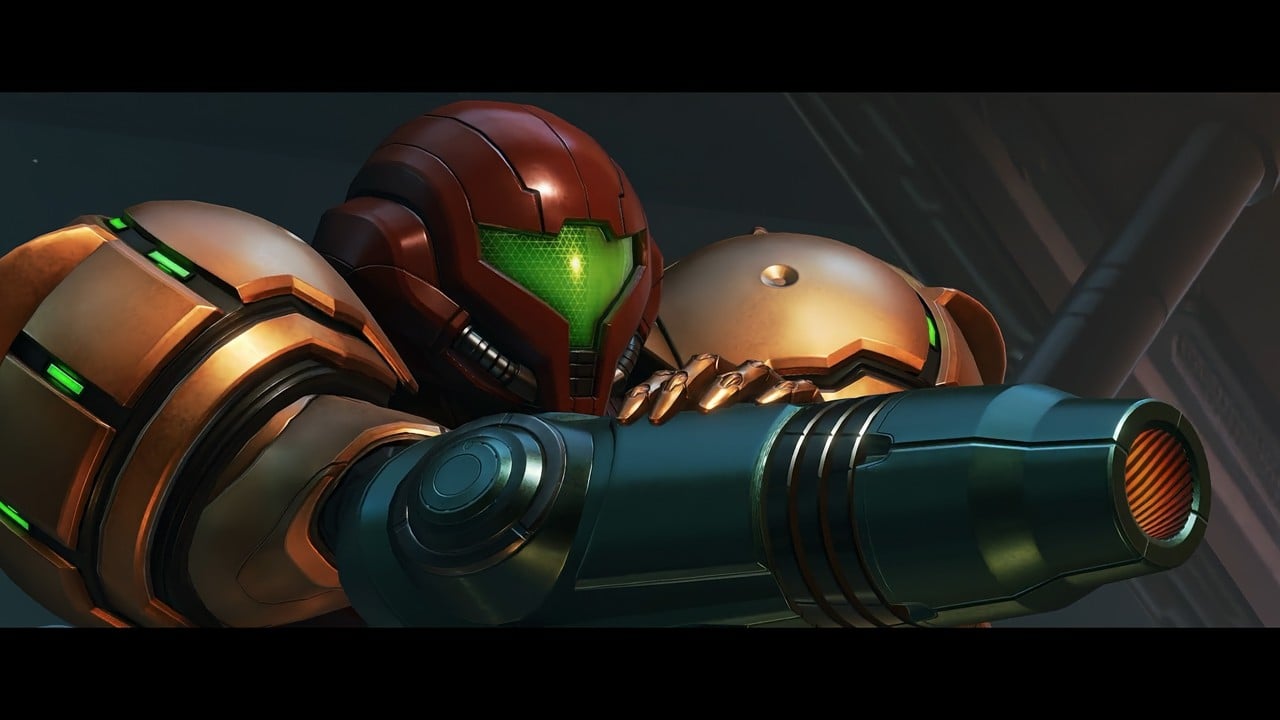
When we think “Metroid Prime,” we usually picture a very specific vibe: quiet corridors, distant creature sounds, and that feeling of being dropped into a place that does not care if we make it out. It is the gaming equivalent of walking into an abandoned museum after hours, where every echo feels like it might be followed by footsteps. That mood is not just decoration. It is a design pillar that shapes how we explore, how we scan, and how we interpret danger. Even when the action ramps up, the series has often relied on the player feeling emotionally alone, like Samus is the only steady heartbeat in the room. That’s why any new “human presence” can feel like a loud color splashed onto a carefully muted painting. The moment we add friendly voices, visible allies, or characters who need help, the atmosphere shifts from pure isolation to something more social – and that can either add texture or dilute tension, depending on execution.
Why the troopers spark debate in the first place
The gripe is not hard to understand. For a lot of players, Metroid is comfort food, but the kind that is spicy and a little intimidating. We come for solitude, we stay for the creeping dread, and we weirdly enjoy feeling small in a massive world. Galactic Federation troopers change that equation by putting other people on the board, and not just as background flavor. Their presence can tug the tone toward “mission with a squad,” even if the core gameplay still keeps Samus in control. It also invites a different kind of attention: instead of reading the world itself, we start reading personalities, competence levels, and who might slow us down. Some players love that because it adds contrast and makes the world feel lived-in. Others feel like it breaks the spell, the way a phone notification breaks the mood during a good movie. The debate is really about emotional purity versus emotional complexity, and which one we want Metroid Prime to prioritize.
Nintendo’s core theme: hesitation and conflict
Nintendo’s stated reasoning puts theme front and center. The team described starting with what they wanted players to feel, and the headline emotion was hesitation mixed with conflict. The example they used is telling: normally, when we finish a game, we hit the confirm button without a second thought, like we are stamping a passport and moving on. Here, they wanted a moment where we pause internally, where “completion” is not a simple pat on the back. That is a bold target because it is about psychology, not mechanics. It means the story beats, the tone, and the relationships have to push against that natural “I did it” instinct. Bringing Federation soldiers to Viewros was positioned as part of that plan, with the idea that their presence and situation would shape how we feel about the journey and what it means to see it through. In other words, the troopers are not just there to populate the world. They are there to complicate the emotional finish line.
The protection angle: making responsibility feel real
The most interesting part of the explanation is the “protection” angle. Nintendo described wanting the player to feel like protection is necessary, almost instinctive. That is a very specific emotional button to press, because it changes the player’s role from lone survivor to reluctant guardian. If we are honest, that can be a powerful twist for Samus, who is often portrayed as capable enough to handle anything without blinking. Now the question becomes: can the game make us care about people who are not as strong, not as prepared, and sometimes not as brave? It is like being the only person in a storm who remembered to bring an umbrella. Suddenly, you are not just trying to stay dry – you are trying to keep someone else from getting soaked too. Done well, that creates tension of a different kind, because the stakes feel personal rather than purely environmental. Done poorly, it can feel like babysitting, and nobody boots up a sci-fi adventure hoping for a babysitting shift.
Emotion first: building reactions through behavior
One detail from Nintendo’s explanation matters a lot: they talked about focusing on NPC AI and how characters act in scenes, rather than starting from a list of “features” to cram in. That is a subtle but important difference. It suggests the team was chasing a natural reaction, not a forced one. Instead of telling us “here is the mission type,” they wanted us to look at a character’s behavior and arrive at a feeling on our own. If a character comes off as cowardly, panicky, or simply out of their depth, the hope is we respond like a decent person would: we step in. It is emotional design through observation, like watching someone struggle to carry a heavy box and automatically moving to help without being asked. That approach can make interactions feel less like a gamey checklist and more like a believable situation. Of course, it also raises the bar, because behavior has to be consistent, readable, and earned over time for the feeling to stick.
Why NPC AI and cutscenes were treated as the foundation
Nintendo’s reasoning also highlights something that often gets overlooked in these debates: companions are only as good as their moment-to-moment presence. If their AI makes them feel like cardboard cutouts, we stop caring. If their behavior is believable, we start projecting meaning onto them. That is why building the troopers from the inside out – how they move, how they react, how they show fear or competence – can be more impactful than any single mission concept. Cutscenes matter here too, because they shape first impressions and reinforce personality. A character who looks shaky in a scene but suddenly becomes a superhero in gameplay will feel fake. A character who consistently struggles, consistently needs backup, and consistently shows human fear can create exactly the kind of “we have to get you out of here” instinct Nintendo described. This is also where pacing lives. Even a great idea can feel annoying if it interrupts flow too often, or if it turns quiet exploration into constant chatter.
How “weakness” becomes a design tool, not a joke
Weak characters can be tricky. If they are written as purely incompetent, they become a punchline, and we stop taking the situation seriously. If they are written with a believable kind of weakness – fear, limited training, bad luck, or being stuck in the wrong place at the wrong time – they can feel human. Nintendo’s explanation leans on the idea that we should read weakness in combat and respond with protection, not ridicule. That is a delicate balance, because players have low patience for characters who feel like they exist only to be carried. The best version of this idea is when weakness comes with some kind of value: knowledge, access, a skill set, or even emotional grounding that changes how we interpret the world. Think of it like a cracked compass that still points roughly north. It is not perfect, but it is better than wandering blindly. If the troopers bring anything that feels meaningfully “real” to the situation, their weakness can actually strengthen the tone by reminding us that Viewros is dangerous for normal people, not just for us.
Viewros as a stage for solitude and company
Planet Viewros is framed as the place where this whole experiment has to work. A new world in Metroid Prime usually means a new kind of silence, where we learn the rules through scanning and survival rather than through conversation. Adding Federation troopers means Viewros also becomes a social pressure cooker, even in small doses. The planet is no longer just “hostile environment,” it is “hostile environment with other lives caught in it.” That can add weight, because danger stops being abstract. It is not just about us taking damage. It is about the idea that someone else might not make it if we do not step in. Viewros can still feel lonely, but it is a different kind of lonely, more like being the only capable person in a crisis while everyone else is scrambling. That mood can be intense, and it can also be exhausting if the game leans on it too hard. The key is whether Viewros still gives us space to breathe, listen, and explore without feeling like we are constantly on call.
Rescue signals and the push-pull of going alone
One way the troopers naturally fit into Metroid’s structure is through the idea of receiving signals and choosing how to respond. That preserves player agency, because we are not always dragged into interaction on a tight leash. It is also thematically fitting: Metroid has always been about curiosity pulling us into danger. A distress signal is basically curiosity with guilt attached. Do we ignore it and push forward, or do we detour and help? That push-pull can create tension without needing constant scripted companionship. It is the same feeling as seeing a side door slightly open in a scary building. We know it might be trouble, but we also know we will not stop thinking about it if we walk past. If Metroid Prime 4: Beyond uses trooper-related moments to tempt and test us, rather than smother us, the presence of other characters can actually deepen the classic exploration loop instead of replacing it.
Keeping exploration quiet even when allies exist
For the troopers to coexist with Metroid’s identity, the game still needs long stretches where we are alone with our thoughts. Silence is not just atmosphere – it is a gameplay tool that makes scanning feel meaningful and makes unknown sounds feel threatening. The good news is that allies do not automatically erase that, as long as the game is disciplined. If interactions are spaced out, if communication is limited at key moments, and if the planet itself remains the main “character,” then the troopers can be present without hijacking the vibe. Think of it like adding a small campfire to a dark forest. The fire changes the scene, but it does not turn the forest into a city. The forest is still there, still huge, still indifferent. When the game lets Viewros be strange and quiet, the troopers become a contrast point rather than the new center of gravity. That is when their presence can enhance dread instead of deflating it.
What the decision changes moment to moment
On the ground, the troopers change how we read risk. When we are alone, every threat is purely about survival and progress. When someone else is involved, we start thinking in layers: can they handle this, will they follow, will they get in the way, will they survive the encounter? Even if the game does not literally punish us for their failures, the mere idea of responsibility can affect how we play. We might slow down, scan more, or choose safer routes, not because the game forces it, but because we feel like we should. That is exactly the kind of emotional manipulation Nintendo described, and yes, that is not a bad thing if it is done with care. It is like watching a horror movie alone versus watching it with someone who scares easily. Suddenly, you are not just managing your own nerves – you are managing the room. The moment-to-moment question becomes whether that extra layer feels meaningful or whether it feels like noise piled onto a series that already has a strong identity.
Help without the classic escort mission vibe
A lot of players flinch at anything that smells like an escort mission, and that reaction is almost muscle memory at this point. Nintendo’s explanation pushes back against that framing by suggesting they did not start by deciding “we should do an escort.” Instead, they aimed for a feeling and then built behavior that would lead us there. If the troopers are integrated in a way that does not constantly tether our movement, the result can feel less like escorting and more like crossing paths, helping out, and moving on. That distinction matters, because Metroid’s best moments often come from uninterrupted exploration where we set the pace. If trooper moments are more like spikes of responsibility rather than a permanent chain, they can add variety without becoming the whole meal. The real win is when we help because it feels right, not because the game screams “objective updated” in our face every thirty seconds.
Player agency: choosing when to protect and when to slip away
The most important safeguard here is agency. When we can choose to engage, choose to detour, and choose to return to solitude, the troopers stop feeling like a genre swap and start feeling like part of a living world. Agency also makes the protection theme more personal. If we choose to help, it feels like our decision, not the designer’s leash. And when we choose to move on, it can create that pinch of guilt Nintendo seems to be aiming for. That is where hesitation can show up naturally: do we press forward and treat the planet like a puzzle box, or do we slow down and treat it like a disaster zone with people caught inside? Metroid Prime is at its best when it makes us feel clever and vulnerable at the same time. Adding moral friction to that can work, as long as the game does not take control away too often. Nobody likes being told “feel this now.” We prefer to arrive there ourselves, even if we get nudged.
How to tell if it works for you
This whole debate gets easier when we stop treating it like a courtroom drama and start treating it like a personal taste test. Some players want pure solitude, full stop. Some players want a world that feels populated and reactive. Metroid Prime 4: Beyond is trying to thread that needle, and the troopers are the thread. The best way to judge the choice is not by asking whether it matches tradition perfectly, but by asking whether it produces the intended emotions without breaking what we love. Does Viewros still feel eerie? Do we still get that lonely adrenaline when we step into a new area? Do trooper scenes add weight, or do they feel like someone talking during the best part of a song? We can also pay attention to how we behave. If we find ourselves scanning more carefully, moving more thoughtfully, or feeling a tug of responsibility, then Nintendo’s stated goal is landing at least partially. If we are rolling our eyes and speed-running past every interaction, then the idea might be bouncing off.
Simple questions to ask while playing
Here are a few questions that cut through the noise without turning play into homework. Do we feel protective because the characters earn it, or because the game tries to guilt us into it? Do trooper moments feel like a natural extension of the world, or do they feel pasted on? Do we still get long stretches of quiet where we can soak in the environment, or does conversation keep stepping on the mood? Most importantly, do we feel conflicted at points where we normally would feel triumphant? That last one is the big target Nintendo described, and it is rare for a game to aim for it so directly. If we notice ourselves hesitating emotionally, even briefly, then the troopers are doing more than just “being there.” They are shaping the internal rhythm of the journey. And if we do not feel that at all, it is still useful feedback – it tells us the implementation might not be matching the ambition, at least for our playstyle.
Payoff, perspective, and what the ending is asked to justify
Nintendo also indicated that the reason the troopers are on Viewros is tied to the ending, which quietly raises the stakes for the whole design choice. When a game asks us to tolerate a tonal shift, it is basically making a promise: “Stay with this, and it will mean something.” That promise does not require a twist to be good, but it does require coherence. The ending does not have to shock us. It has to make the journey feel intentional. If the presence of the troopers reframes what we experienced – why we felt protective, why we felt conflicted, why we hesitated – then the choice can land with real punch. If the ending does not connect those dots in a satisfying way, then the troopers risk feeling like an experiment that never fully pays off. Either way, the ending becomes the lens through which a lot of players will re-evaluate the entire vibe. It is like hearing the final note of a song and suddenly deciding whether the weird middle section was genius or just weird.
What this could mean for the series going forward
Whether we love the troopers or dislike them, the bigger takeaway is that Metroid Prime 4: Beyond is willing to play with the series’ emotional palette. That is interesting because it suggests Nintendo is not treating Metroid Prime like a museum piece. The series can keep its identity while still testing new pressures: responsibility, companionship, and moral friction layered onto isolation. If the experiment lands for enough players, we might see future Metroid entries use allies in very controlled ways, not as a permanent squad, but as occasional mirrors that make Samus feel even more singular. If the experiment turns off too many fans, it can also act as a boundary marker, a clear sign of how much “company” the audience wants in this universe. Either way, the conversation is valuable because it forces us to articulate what we actually love about Metroid. Is it the loneliness itself, or is it the feeling of overcoming loneliness? Those are related, but not identical. And that difference is exactly where design experiments like this either shine or stumble.
Conclusion
Galactic Federation troopers in Metroid Prime 4: Beyond are not a random sprinkle of NPCs. Nintendo framed them as a deliberate tool to create hesitation and conflict, and to make us feel protective on Viewros by shaping behavior and AI rather than relying on a checklist of forced scenarios. That choice naturally changes the vibe, because Metroid Prime’s identity is tightly tied to solitude. The deciding factor is not whether the idea sounds “right” in theory. The deciding factor is whether it feels right in our hands: whether Viewros still breathes with quiet tension, whether responsibility adds weight instead of clutter, and whether the journey earns the emotional pause Nintendo aimed for. If we walk away feeling even a little conflicted about what “winning” means, then the troopers did their job. If we walk away missing the pure silence, that is a real reaction too – and it is exactly why this design choice has become such a lightning rod.
FAQs
- Why did Nintendo add Galactic Federation troopers to Metroid Prime 4: Beyond?
- Nintendo explained that the troopers support the theme of hesitation and conflict, and are meant to make the player feel a sense of responsibility and protection on Viewros.
- Do the troopers remove the lonely feel that Metroid Prime is known for?
- They can change the tone in places, but the experience can still preserve solitude if the game gives enough quiet exploration time and keeps interactions disciplined.
- Is this basically an escort mission situation?
- Nintendo’s explanation emphasizes building emotion through NPC behavior and AI rather than designing around a classic escort format, so the intent is “natural protection,” not constant tethering.
- What should we watch for to judge whether the troopers work?
- Pay attention to whether their presence creates genuine hesitation, whether we feel protective for believable reasons, and whether the atmosphere stays tense instead of chatty.
- Does the game connect the troopers to the bigger story?
- Nintendo indicated the reasoning links to the ending, so the sense of payoff often depends on whether the conclusion makes their presence feel purposeful.
Sources
- 『メトロイドプライム4 ビヨンド』約18年ぶり新作秘話。「任天堂のゲームの中でも最高水準を目指したグラフィックと処理落ちのないゲームプレイを体験いただきたいです」〖インタビュー〗, Famitsu, December 29, 2025
- 『メトロイドプライム4 ビヨンド』レビュー。進化か? 原点回帰か? それとも『ゼルダ』化か? 約18年ぶりのナンバリング新作はシリーズの是非を問う内容に, Famitsu, December 4, 2025
- Nintendo comments on controversial decision to feature Galactic Federation troopers in Metroid Prime 4, Nintendo Everything, January 3, 2026
- Nintendo comments on inclusion of Galactic Federation troopers in Metroid Prime 4, My Nintendo News, January 3, 2026
- Galactic Federation troopers are in Metroid Prime 4: Beyond to enhance the feelings of “hesitation and conflict,” says Nintendo, GoNintendo, January 4, 2026
- Metroid Prime 4: Beyond, Nintendo, December 4, 2025

Adding squad-like elements kinda ruins that creepy solitude vibe Metroid is known for.
I actually think the troopers might make the game better. Samus being alone is cool, but adding some responsibility could add emotional depth. If done right, it could be a powerful shift in tone.