














Summary:
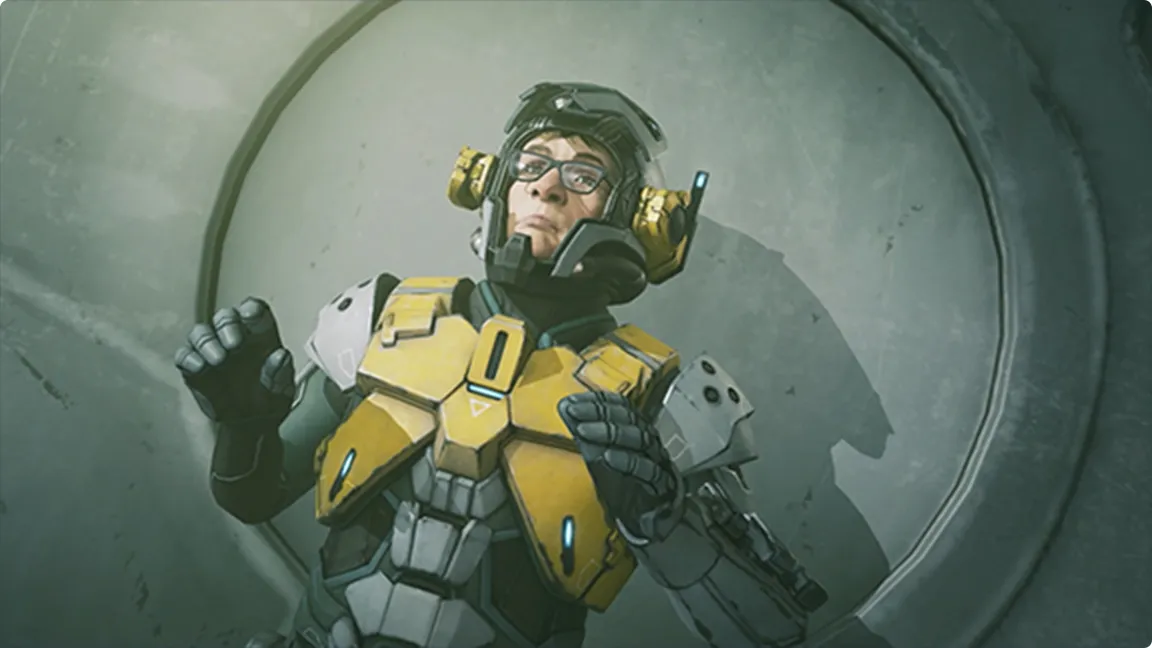
After Metroid Prime 4: Beyond landed in players’ hands, dataminers and fans started poking around in the game’s files and uncovered something surprisingly hefty: over 30 minutes of unused voice clips. The majority of it appears tied to the stranded Federation Troopers who share the planet Viewros with Samus, and the lines sound like they were built for base camp moments where you could slow down, listen in, and soak up the mood. If you’ve already spent time with the Troopers in the finished release, you’ll understand why this discovery immediately set off alarms – those characters have been one of the most argued-about parts of the experience.
What makes this find interesting isn’t just the raw amount of recorded audio, but what it implies. Voice work usually comes in late, it costs real money, and it’s not something teams toss in for fun and then forget. So when you discover fully voiced conversations that never show up, it raises the obvious question: what changed? Maybe it was pacing. Maybe it was tone. Maybe it was a simple “too much chatter” call made after playtesting. Or maybe the Troopers became a lightning rod and someone decided that giving them even more time in your ear would pour gasoline on an already spicy debate.
Either way, these unused clips act like a little window into an earlier version of Prime 4: Beyond – one where base camp may have been more of a character space, not just a pit stop. And whether you love the Troopers, dislike them, or just want everyone to stop calling you on comms when you’re trying to admire alien ruins, the discovery gives us a fresh angle on why the final release feels the way it does.
Metroid Prime 4: Beyond – Unused voice clips hiding in plain sight
It’s one thing to hear “there’s cut audio” and shrug, because nearly every big release leaves scraps behind. It’s another thing when the scraps add up to more than half an hour of fully voiced dialogue. That’s not a single alternate line or a weird placeholder grunt – that’s a real chunk of performance that had to be written, recorded, and organized. Fans digging through Metroid Prime 4: Beyond’s files have pointed to a stash of voice clips tied largely to the supporting cast, especially the Federation Troopers who end up stranded alongside Samus on Viewros. The clips have been collected and shared in a way that makes them easy to preview, with the relevant portion beginning around the 7:38 timestamp in the video people have been passing around. And the moment you hear the cadence and back-and-forth, it’s hard not to think, “Okay, these weren’t meant to sit in a folder forever.” It feels like the kind of banter and character texture designed to play when you’re safe, grounded, and briefly not sprinting away from something that wants to turn you into space dust.

Where the lines were meant to live: life at base camp on Viewros
The unused clips don’t sound like mid-combat callouts or mission-critical instructions. They feel like base camp material – the kind of optional conversations that would pop when you wander close enough, linger long enough, or choose to interact instead of bolting back out into the wilds. Base camp is a very specific vibe: a little bubble of “we made it through that” inside a hostile world that’s constantly reminding you how small you are. On Viewros, that contrast matters even more because Samus is typically portrayed as the calm center of a storm, while everyone else is trying not to panic. Dropping additional Trooper chatter into those segments would have made camp feel busier, warmer, and arguably more “occupied” than many players expect from a Metroid Prime title. It also would have created more opportunities for the Troopers to feel like actual people rather than radio noise – assuming the writing landed. And that’s the tension right there: base camp dialogue can be a cozy campfire story, or it can be someone tapping you on the shoulder every ten seconds while you’re trying to enjoy the silence.
Why base camp chatter hits differently in a Metroid adventure
Metroid has always been really good at making silence feel loud. The whirr of machinery, the drip of water in an abandoned corridor, the distant hum of something alive behind a wall – those sounds do a lot of storytelling without a single spoken word. So when a Prime game leans harder into voiced supporting characters, it’s naturally going to feel like a bigger swing than it would in a more talkative series. Some players want Samus alone because it reinforces that “you against the planet” mood, like you’re exploring a haunted house where the house is also trying to eat you. Others are fine with more characters as long as they add meaning, tension, or genuine personality instead of just filling air. That’s why the idea of adding 30 more minutes of Trooper dialogue feels so loaded. It’s not simply “more lines.” It’s more presence, more texture, more chances for humor, more chances for annoyance, and more chances for the tone to shift away from eerie isolation into something closer to a squad-based adventure. If you already liked the Troopers, extra base camp chatter sounds like dessert. If you didn’t, it sounds like someone offering you a second plate of the thing you’re trying to politely push away.
What the unused clips reveal about the Federation Troopers
Based on reports around the find, the unused dialogue seems to focus heavily on the Troopers’ personalities and day-to-day moments rather than major plot beats. That matters because one of the big criticisms aimed at talkative side characters in any game is that they can feel like megaphones for objectives instead of believable people. Extra dialogue can fix that – it can add small quirks, tiny fears, jokes that reveal coping mechanisms, and little hints about relationships inside the group. Or it can do the opposite and make characters feel even more one-note if the extra material repeats the same jokes or the same “aren’t we a fun squad?” rhythm. The most interesting part is that the clips exist at all in such volume, because it suggests the Troopers weren’t a last-minute sprinkle. They were planned, recorded, and integrated enough that their unused lines stayed organized in the shipped build. Even if you never hear them during normal play, their existence tells us the Troopers were once meant to occupy more space in the experience. Whether that’s a missed opportunity or a bullet dodged depends entirely on what you want Metroid Prime to feel like when you pick up the controller.
Tone check: humor, stress, and small human moments
One reason developers cut voiced dialogue late is tone. A joke that plays well in a recording booth can land like a soggy firecracker when you’re actually playing, especially if it pops at the wrong time. The unused clips reported so far lean more humorous in places, which makes sense: base camp scenes are the natural spot for comic relief, because you’re not actively being hunted by something with too many teeth. Humor can also be a pressure valve. When characters are stranded, exhausted, and scared, jokes become a way to pretend everything’s fine while everyone quietly knows it isn’t. That can be surprisingly effective when done right, because it gives the world a pulse. At the same time, humor in Metroid is like hot sauce – a few drops can brighten the dish, but pour in half the bottle and suddenly that’s all you taste. If playtesting showed that the Troopers were already testing people’s patience, adding more comedic chatter could have pushed the vibe from “characterful” to “constant.” And once players start describing characters as “in your ear,” it’s hard to walk that back with even more audio. So these clips read like an alternate flavor of Prime 4: Beyond: slightly more chatty, slightly more grounded in team dynamics, and potentially a lot more polarizing.
Tiny details that hint at bigger scenes
What’s fun about cut dialogue is that it often includes tiny, throwaway bits that accidentally reveal structure. A line about a plan that never happens. A reference to a tool you never end up using. A character mentioning a routine that suggests camp used to have more steps, more downtime, or more optional interactions. Even without treating these clips like sacred lore tablets, the sheer breadth of them hints that base camp may once have been designed as a stronger hub – a place you return to not just to progress, but to check in, overhear evolving conversations, and track how stress reshapes the group over time. That kind of slow-burn character evolution is common in RPGs, but in Metroid it’s a more unusual ingredient. If the Troopers were meant to be updated like a living chorus – new lines after key events, little reactions to discoveries, small disputes settling into uneasy acceptance – then cutting those lines would simplify the entire “human layer” of the game. You’d still have the Troopers, but with fewer connective tissues, fewer little callbacks, and fewer moments that make them feel like they’re actually processing what’s happening on Viewros instead of simply existing near Samus.
Why the dialogue may have been cut late
When you find a pile of unused voice lines, the tempting story is “they changed everything at the last second.” Real life is usually less dramatic, but the presence of fully recorded audio can still point to late-stage trimming. Voice recording tends to happen after scripts are stable enough to lock, and it costs enough that teams don’t casually record half an hour “just in case.” So what would make a team cut a big batch anyway? The obvious answer is flow. In a game built around exploration, atmosphere, and player-driven pacing, too much optional chatter can still create a sense of pressure – like you’re expected to stand around listening when you’d rather move. The other answer is reception. If early impressions or internal playtests suggested that certain characters were rubbing players the wrong way, reducing their overall footprint becomes an easy lever to pull. You don’t need to rewrite the entire story. You just cut the extra material, keep the essentials, and hope the temperature drops. That kind of late adjustment is common in big projects, because it’s often safer than ripping out entire systems. In this case, trimming Trooper dialogue would be a surgical change with a huge impact on feel.
Pacing, interruption, and the “let me explore” problem
Exploration is fragile. The second you’re fully immersed – scanning a wall, tracking a distant sound, noticing a faint shimmer that might be a hidden path – any interruption can snap the spell. That’s why players often react strongly to frequent radio chatter or companion commentary. Even if the lines are well acted, the timing can feel invasive, like someone repeatedly knocking on the bathroom door to ask how your day is going. Extra base camp dialogue might seem harmless because it’s “optional,” but optional still shapes behavior. If the game rewards you with story context only when you stop and listen, it can make you feel like you’re missing out whenever you don’t. That creates friction: do you keep moving and maintain the atmosphere, or do you pause and absorb character moments that may or may not be worth it? Cutting a large chunk of camp chatter could be a direct attempt to protect pacing and keep the experience tighter. It also reduces the chance of repetition, because large dialogue pools often include lines that trigger too often or overlap awkwardly with what you’re doing. If the Troopers were already a hot topic, smoothing pacing would be the most practical reason to trim them down.
The Trooper debate and the risk of pushing it further
Some players enjoy having a supporting cast because it makes the world feel inhabited, and it can highlight Samus’s competence in a way silence sometimes can’t. Others see talkative Troopers as a tonal clash – like putting a chatty tour group in the middle of a haunted museum. Once that split exists, every additional line becomes political. Not real-world politics, but fandom politics: “this is what Metroid should be” versus “this is what Metroid can also be.” If the Troopers were already divisive, adding more dialogue would not have fixed the divide, it would have sharpened it. More lines means more chances for a character to annoy someone. It also means more opportunities for the game to feel less lonely, less mysterious, and less like a place you’re uncovering with your own curiosity. From a developer’s perspective, trimming the dialogue might have been a way to keep the Troopers present without letting them dominate the conversation around the release. Ironically, the discovery of the unused clips does the opposite – it throws gasoline on the debate by proving that yes, there was a version of Prime 4: Beyond that talked even more.
What leftovers in the files suggest about development decisions
Leftover voice lines don’t automatically mean chaos, but they do suggest prioritization. At some point, a team likely decided what Prime 4: Beyond needed to be to ship in the shape it’s in now. Maybe base camp once had more interactive beats, and later it was streamlined. Maybe dialogue triggers were originally broader, and then narrowed so they’d pop less often. Maybe entire sequences were cut, leaving voice lines orphaned but not worth the time to clean out. Development is a constant game of “what matters most,” and late in production, what matters most is stability, clarity, and cohesion. The Troopers being present at all shows a commitment to a more character-driven structure than some players expect, but the existence of so much unused audio suggests that the team also worried about overdoing it. It’s like seasoning a meal: you can always add more, but you can’t easily remove it once it’s mixed in – unless you’re willing to remake the dish. Cutting the extra dialogue is the “remove it” option, and keeping it in the files is the “we’ll ship, we’ll move on, we’ll clean later if we ever have time” option. For fans, the leftovers are fascinating because they show the edges of a decision: the game could have been more talkative, but someone chose restraint.
What we’d actually want, if it ever returns
If the unused dialogue ever resurfaces in an official way, the best outcome is choice. Not fake choice where you’re “allowed” to ignore it but the game still pushes it into your ears, and not mandatory chatter that triggers while you’re trying to line up a jump. Real choice: an extras menu, an unlockable audio gallery, or optional camp interactions that only trigger when you actively opt in. That way, players who love character moments can feast, while players who prefer quiet exploration can keep their mood intact. It also gives the dialogue a different framing. Instead of feeling like it’s competing with atmosphere, it becomes a behind-the-scenes bonus – a “here’s what else was recorded” treat, like finding deleted scenes on a movie disc. If the team cut the lines because they thought they were too much in the moment-to-moment flow, then returning them as optional extras would respect that original concern. And honestly, that kind of compromise fits the fan split perfectly. Let the people who want more Troopers have more Troopers. Let the people who want less keep the silence. Everybody wins, and Samus gets to stay the coolest person in the room who doesn’t need to fill empty space with small talk.
Listening without spoiling your own run
Unused voice clips can contain more than jokes. Even if they aren’t “required” story moments, they can still reference locations, events, character arcs, and outcomes that hint at where things go. So if you haven’t finished Prime 4: Beyond and you care about surprises, treat these clips like you’d treat someone texting you a screenshot of the final scene with “LOL.” The safest approach is to wait until after the credits, then circle back and listen with your guard down. If you’re already done, you can treat the audio like a bonus commentary track. If you’re in the middle, be picky: stick to discussions that clearly focus on base camp flavor rather than mission beats, and be ready to tap out if you hear names, locations, or details you haven’t reached yet. The funny thing is, this is the one moment where having the Troopers be divisive might actually help – if you’re already not invested in their chatter, it’s easier to skip it and keep playing. But if you like them, that curiosity is going to itch. Just remember: the game isn’t going anywhere. Viewros will still be there when you’re ready.
The fan split: why people can’t stop arguing about it
The Trooper debate isn’t really about voice lines. It’s about identity. For a lot of players, Metroid Prime is a specific feeling: solitude, tension, environmental storytelling, and the sense that you’re trespassing somewhere ancient and dangerous. When a supporting cast shows up and talks frequently, it can feel like someone turned on a bright overhead light in a moody room. For other players, a cast gives stakes. It makes the world feel reactive and lived-in, and it can highlight how extraordinary Samus is when everyone else is struggling. The unused dialogue discovery pours fuel on both sides. The “less talk, more atmosphere” crowd hears it and thinks, “We were one step away from a nonstop podcast.” The “give me character moments” crowd hears it and thinks, “We could’ve had more depth.” Both reactions make sense because they’re rooted in what each person wants from Metroid. And that’s why the argument keeps going: nobody’s arguing about a simple preference, they’re arguing about what the series should prioritize. The unused clips are just the newest evidence in a debate that’s been simmering since the moment Samus first got a voice in any form.
Takeaways for the next Metroid
The biggest lesson here is that optional doesn’t always feel optional, and atmosphere is a delicate thing. If Metroid wants to keep experimenting with supporting casts, the series needs smarter control over when, how, and how often characters speak. Give players toggles. Give players clear opt-ins. Let silence be a feature, not an accident. At the same time, if the goal is to expand character work, the answer isn’t necessarily “remove dialogue.” The answer is to make dialogue earn its space – say something that reveals fear, worldbuilding, or tension, not just a joke to fill the air. The unused Prime 4: Beyond clips show there was an appetite to flesh out the Troopers more than the final release did, and the fact that they were cut suggests the team recognized the risk. Going forward, the series can thread the needle: keep Samus iconic and self-contained, keep exploration sacred, but still allow richer supporting moments for players who want them. Think of it like a volume knob instead of an on-off switch. Metroid doesn’t have to choose between silence and character. It just has to stop forcing one taste on everyone at the same time.
Conclusion
Finding over 30 minutes of unused voice lines in Metroid Prime 4: Beyond isn’t just trivia – it’s a clue. It tells us the Federation Troopers likely had a bigger presence planned for base camp on Viewros, and that presence was trimmed back before release. The reasons could be as practical as pacing and trigger frequency, or as audience-focused as reducing a feature that was already splitting players. Either way, the discovery puts a spotlight on how late-stage decisions shape the feel of a game, sometimes more than big story beats do. For some, the cut dialogue sounds like a missed chance to make the Troopers feel more human. For others, it sounds like the best cut the team could’ve made to protect exploration and mood. If the audio ever returns officially, the best answer is choice – let people opt in, treat it as extras, and keep the core experience intact. Until then, the unused clips will keep doing what Metroid does best: leaving us staring at a mystery and arguing about what it means.
FAQs
- What exactly was found in Metroid Prime 4: Beyond’s files?
- Reports describe over 30 minutes of unused voice clips tied largely to supporting characters, especially the stranded Federation Troopers, with the audio showcased in a fan-shared video segment beginning around the 7:38 mark.
- Does unused dialogue mean the story was changed?
- Not automatically. Unused voice lines often reflect trimming for pacing, tone, or trigger logic rather than a full story rewrite, but they can still hint that certain scenes or optional interactions were once more robust.
- Why would fully recorded lines be cut so late?
- Voice work can be cut if playtesting suggests it interrupts exploration, repeats too often, or shifts the tone in a way that doesn’t fit the intended mood. It’s also a fast way to reduce a divisive element without rebuilding major systems.
- Could the unused dialogue show up later in an official way?
- It’s possible for cut audio to return as optional extras or unlockables in some games, but there’s no guarantee. If it ever does return, the cleanest approach would be a true opt-in format that doesn’t disrupt exploration.
- How can we listen without ruining surprises?
- If you care about spoilers, the safest move is to finish the main experience first. Even “optional” chatter can reference locations or events, so waiting until after the credits helps keep discoveries intact.
Sources
- ‘You want me to build rocket skates?!’ – Fans uncover 30 mins of cut Metroid Prime 4 dialogue, Video Games Chronicle, December 16, 2025
- Over 30 minutes of cut NPC dialogue discovered for Metroid Prime 4, Nintendo Everything, December 16, 2025
- Over 30 minutes of unused dialogue is hiding in Metroid Prime 4: Beyond’s data files, Nintendo Wire, December 16, 2025
- Dataminers discover 30+ minutes of cut dialog from Metroid Prime 4: Beyond, GoNintendo, December 16, 2025
- Unused dialogue from Metroid Prime 4: Beyond discovered – (Spoiler Warning), Shinesparkers, December 11, 2025