














Summary:
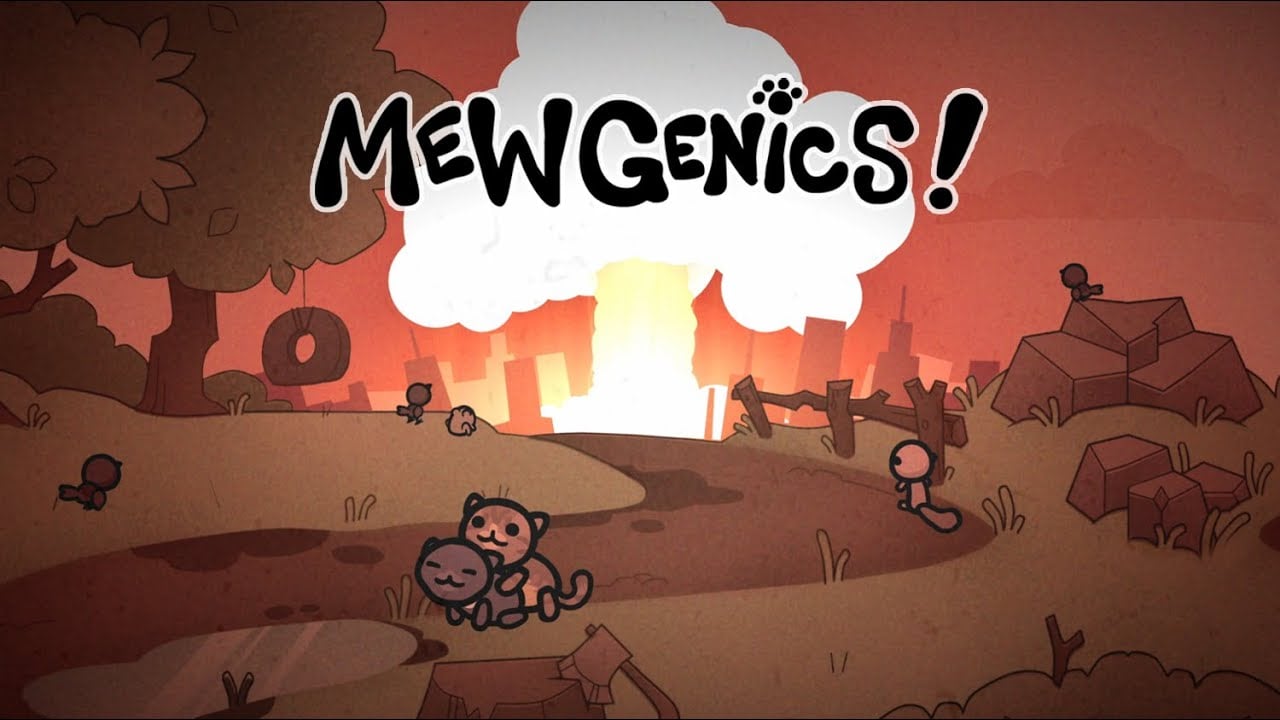
Mewgenics didn’t just launch, it cannonballed into Steam like a cat that saw an open tuna can and chose chaos. The new game from Binding of Isaac co-creator Edmund McMillen and developer Tyler Glaiel quickly climbed the platform charts, pulled in massive concurrent player numbers, and sparked the kind of “wait, how big is this getting?” chatter that usually follows a breakout hit. Within days, reports and developer posts pointed to a huge commercial start, including the headline-grabbing milestone of one million copies sold on Steam. That combination – sales, player peaks, and nonstop online conversation – is exactly why the next question arrived almost immediately: when do consoles get in on this?
What makes this situation feel unusually direct is that we’re not dealing with vague hints. McMillen has responded publicly to questions about console timing, saying the team is already working on it, while also being honest that the finish line isn’t pinned down yet. Separate comments from a pre-launch Steam Deck AMA add another spicy detail: the Nintendo Switch 2 was described as the “front runner” at that moment, even as the team weighed publisher options and tried to figure out what’s viable across the console landscape. Put all that together and the picture is clear. Console versions are being worked on, Switch 2 is being actively discussed, and the only real mystery is how quickly decisions and development can turn momentum into a release date.
Mewgenics launches with a shockwave on Steam
Mewgenics arrived on Steam and immediately acted like it owned the place, the way a cat walks into your living room and pretends it pays rent. In its first week on sale, the game’s performance became a story all by itself: it climbed the charts, drew huge crowds, and turned casual curiosity into a full-on feeding frenzy. This matters because Steam doesn’t hand out attention evenly. New releases fight for space, and most games get a quick burst before the crowd moves on. Mewgenics did the opposite. It held attention, pulled in new players day after day, and kept trending because people weren’t just buying it – they were sticking around, streaming it, and dragging friends into the madness. When a launch turns into an event, console players notice fast, and the “when can we play it too?” pressure ramps up almost instantly.

The Steam concurrency story – why the numbers matter
Concurrent player peaks can sound like spreadsheet trivia until you realize what they represent: real humans choosing the same game at the same time, over and over, instead of hopping to the next shiny thing. Reports citing SteamDB data showed Mewgenics reaching an all-time peak of roughly 115,000 concurrent players, clearing the peak for Hades 2 in the same broad genre conversation. That’s a big deal because Hades 2 is not some random benchmark – it’s one of the most visible modern roguelike names, with a massive fanbase ready to click “Play” the second it drops. When Mewgenics posts a higher peak, it’s a billboard-sized signal that the game isn’t living on niche hype alone. It’s crossing into the “main character of the week” zone, and that kind of heat tends to pull publishers and platform holders into the conversation.
One million sold and the “hit” label becoming real
Player peaks create buzz, but sales lock in the reality that a project has broken out of the indie bubble. Within about a week of launch, social posts and follow-up reporting pointed to Mewgenics surpassing one million copies sold on Steam. That milestone changes the tone of everything that follows. A game that sells that quickly isn’t just “interesting,” it becomes a platform opportunity: a proven crowd-pleaser with a community ready to show up again on a new system. It also helps explain why console port talk accelerated so fast. When the numbers are that loud, questions stop being polite. People want timelines, platforms, and promises. And while developers can’t always provide a calendar date on command, Mewgenics is already in the phase where the demand is obvious, public, and not going away.
The console question arrives immediately
When a game blows up on PC, console players don’t sit quietly in the corner knitting patience scarves. They start asking, loudly and repeatedly, whether a port is happening and how soon. That’s exactly what happened here. Fans pressed Edmund McMillen about console timing, and the response was both encouraging and refreshingly human: the team is working on it, they’re not sure when it will be done, and it may end up in development for “all systems.” That phrasing matters because it signals intent, not a narrow plan for one platform. At the same time, it also sets expectations in a realistic place. Development isn’t a microwave dinner where you hit a button and wait for a beep. Porting can be smooth or it can be a wrestling match with performance targets, controls, certification steps, and a dozen little surprises hiding in the corners.
“Working on it now” – what that tells us
Those four words carry more weight than a vague “we’ll see” ever could. Saying work is happening now implies the team isn’t waiting for the dust to settle before thinking about consoles. It suggests active planning, early builds, or at least a serious push to get the process moving while momentum is still hot. It also lines up with the reality that a breakout launch creates a window of opportunity. If you wait too long, the internet moves on. If you move quickly, you can capture that same excitement on another platform and let a second wave of players pile in. Still, “working on it now” doesn’t magically produce a release date, because ports can hit bottlenecks. The honest part is the “not sure when,” which is basically the developer version of saying, “We’re cooking, but we’re not serving raw chicken.”
“All systems” talk – what it signals and what it doesn’t
It’s tempting to read “all systems” as a locked list of platforms, but the safer way to interpret it is as a directional statement: the team wants the game everywhere it makes sense. In practice, that can include multiple console families, but it can also depend on publisher support, technical feasibility, and business math that most players never see. Some platforms are easier to target, some have stricter requirements, and some demand more optimization work to hit performance goals without sacrificing the feel that made the game popular in the first place. “All systems” also hints at ambition. It’s a way of saying, “We’re not doing a one-off port and calling it a day.” The flip side is that bigger ambition can mean more moving parts, and more moving parts can mean a longer path to launch.
Why Nintendo Switch 2 keeps coming up as the front runner
Here’s where the conversation gets spicy in a very Nintendo way. In a pre-launch AMA on r/SteamDeck, McMillen talked about platform viability and publisher decisions, then dropped the detail that Switch 2 seemed like the front runner at that time. That single line is why Switch fans perked up like a dog hearing a treat bag crinkle. It also makes sense on a practical level. The Switch audience has historically shown up for indie hits, roguelikes, and games that fit handheld play loops. Mewgenics, with its run-based structure and “just one more attempt” energy, fits that lifestyle like it was born there. The key is that this doesn’t read like wishful thinking from the outside. It’s a developer pointing at where the demand and fit might be strongest, even while acknowledging that the business side still needs to settle.
The publisher factor – how that changes the timeline
McMillen’s comments also highlighted that the team was deciding on a publisher and would defer to that publisher on what’s worth developing for. That’s not a throwaway line. Publishing support can change everything about a console rollout: funding for porting, access to specialist engineers, QA resources, certification experience, marketing muscle, and even relationships with platform holders. Without that support, a small team might move slower simply because there are only so many hours in the day and only so many fires you can put out at once. With the right partner, multiple versions can progress in parallel. The downside is that picking a partner takes time and involves negotiation, planning, and aligning on priorities. So if you’re wondering why “front runner” doesn’t instantly translate into “release date,” this is a big part of the answer.
Viability talk – why developers sound cautious
When McMillen says he doesn’t know what’s viable anymore, that’s not drama, it’s honesty about a shifting market. Console development comes with costs and risks that have changed over time: performance expectations are higher, certification can be more complex, and players are less forgiving about technical rough edges. On top of that, the ecosystem is fragmented. Some audiences prefer portable play, others demand high-end visuals, and some platforms reward certain genres more than others. A developer weighing ports has to think about where the game will feel best and where it has the best chance to find a long-term home. That’s why “viable” shows up in the conversation. It’s not about whether people want the port, it’s about whether the team can deliver a version that feels right and makes sense to ship.
What a Switch 2 version could look like in practice
Let’s talk about what players actually care about when they imagine a Switch 2 version, because nobody wakes up excited to download a “technically functional” port. People want the feel to survive the trip. For Mewgenics, that likely means readable visuals in handheld mode, smooth performance during busy moments, and controls that don’t feel like you’re trying to play piano while wearing oven mitts. Switch-style play also changes habits. You might do shorter sessions, suspend and resume, or hop in for a quick run on the couch. A good port leans into that rhythm instead of fighting it. If Switch 2 is indeed a front runner, it’s probably because the platform fit is obvious: the game’s loop suits handheld play, and Nintendo audiences tend to embrace quirky, offbeat projects that commit to their personality.
Controls, readability, and why handheld-friendly design matters
On PC, players have flexibility: mouse, keyboard, controller, different screen sizes, and a whole buffet of options. Consoles narrow those choices, which means the control scheme and UI need to be solid. A Switch 2 version would ideally offer crisp text sizing, clear iconography, and smart input shortcuts that feel natural on Joy-Con style controls or a Pro-style controller. Handheld readability is a quiet killer of ports, because what looks great on a monitor can turn into eye-strain soup on a smaller screen. The best console versions treat readability as a core feature, not an afterthought. And because Mewgenics has systems, items, and decision-making moments, clarity matters. Nobody wants to lose a run because the UI made a critical choice look like a guessing game.
Performance expectations and the “feel” factor
For a game built around repeated runs and tactical choices, performance isn’t only about bragging rights. It’s about trust. If the game stutters during key moments or loads too slowly between scenes, the loop loses its momentum. Players stop saying “one more run” and start saying “maybe later,” which is basically the kiss of death for run-based design. A Switch 2 port would likely aim for stable frame pacing, quick transitions, and consistent responsiveness, especially in handheld mode where players notice hitching fast. This is also where experienced porting help matters. A publisher with console expertise can smooth out the rough edges and help the game land in a way that feels native, not like it was dragged across platforms on a sled made of duct tape.
The “day-one patch” reality and how to read it
Console releases often come with patches, and that’s not automatically a red flag. The real question is whether the version feels complete at launch and whether updates are normal polish or emergency repairs. If Mewgenics comes to consoles, we should expect the usual launch window tweaks: balancing, minor fixes, and quality-of-life adjustments that come from a broader player base stress-testing the game in new ways. What you want to see is a pattern of thoughtful updates rather than a scramble to fix foundational issues. Given the game’s strong PC start and the developer’s openness about planning, the goal will likely be to ship in a state that keeps the magic intact. Nobody wants the console debut to be remembered as “great idea, messy execution.”
The waiting game – realistic signs to watch for next
So how do we track what happens next without turning into conspiracy detectives squinting at every emoji on social media? The most reliable signs are boring in the best way: publisher announcements, ratings board listings, storefront pages going live, and platform-specific trailers. If a publisher deal gets announced, that’s a big domino. After that, you’ll often see platforms named more clearly, followed by marketing beats like screenshots tailored to console UI, control explanations, or mention of platform features. Another tell is developer language shifting from “working on it” to “in development for X and Y.” That’s when plans harden. Until then, the honest answer is that consoles are in motion, the timeline is not locked publicly, and Switch 2 keeps being mentioned because the fit is strong and the developer has literally pointed at it as the leading candidate.
What to play now on Switch if you want the vibe
If you’re on Switch today and you’re feeling that impatient itch, there are still ways to scratch it while Mewgenics cooks. Think of roguelike runs with strong personality, tactical decision-making, and that “fail forward” loop where every attempt teaches you something. Switch has no shortage of run-based favorites that reward smart choices and keep sessions snack-sized. The point isn’t to replace Mewgenics, because a game with its particular flavor is its own weird little creature. The point is to keep your hands busy while the console port story develops. When Mewgenics finally lands, you’ll be warmed up, faster at reading systems, and ready to sink into the loop without bouncing off the learning curve.
Community energy and momentum can shape platform choices
One underrated factor here is the community itself. Big player peaks and strong sales don’t just impress fans, they influence business decisions. Platforms want attention, publishers want momentum, and developers want to keep the conversation alive. When a game becomes a regular topic on social feeds, in streaming circles, and in comment sections, it creates pressure in the most straightforward way possible: there are clearly more people who want to buy this thing. That matters for console decisions because it changes the risk calculation. A port isn’t a shot in the dark anymore, it’s a response to proven demand. And because Switch audiences tend to rally behind distinctive indie hits, it’s not surprising that Switch 2 is being framed as a front runner. The crowd fit is there, the play pattern fit is there, and the developer has already nodded in that direction publicly.
Conclusion
Mewgenics has already done the hard part that most games never manage: it grabbed attention and held it, turning a launch week into a full-blown moment. With massive concurrent player peaks reported from Steam tracking, a rapid climb to one million copies sold, and direct comments from Edmund McMillen about console work happening now, the path forward feels less like a question of “if” and more like “how soon.” The biggest tension is timing. Ports take work, publisher decisions shape priorities, and viability isn’t always obvious in a market that keeps shifting under everyone’s feet. Still, the through-line is clear. Console versions are being worked on, and Switch 2 has been described as a leading candidate in the conversation. If you’re waiting to play on a controller in the living room or in handheld mode on the couch, the smartest move is to watch for publisher news and platform announcements, because those are the next dominoes that tend to fall before dates show up.
FAQs
- Is Mewgenics confirmed for consoles?
- Edmund McMillen has publicly said the team is working on console versions now, while also noting the timing is not confirmed yet.
- Did McMillen really say “all systems”?
- Yes, he responded to a question about console timing by saying they’re working on it and it might be in development for all systems, which signals broad intent rather than a single-platform plan.
- Why is Nintendo Switch 2 being called a front runner?
- In comments shared from a Steam Deck AMA, McMillen said Switch 2 seemed like the front runner at that time, while also mentioning publisher decisions and platform viability.
- When could a console release happen?
- No public date has been confirmed. The most reliable next step to watch is a publisher announcement, followed by platform confirmations and storefront pages.
- What should we watch for as the next real sign?
- Look for a publisher reveal, then official platform naming, ratings board listings, and storefront listings. Those typically show up before a release window is announced.
Sources
- Mewgenics Hits 1 Million Copies Sold, Game Informer, February 17, 2026
- Working on it now not sure when it will be done though…, X (Edmund McMillen), February 2026
- Edmund McMillen here! Mewgenics is Steam Deck verified and releasing tuesday! AMA!, Reddit, February 2026
- Mewgenics Console Release Is In The Works, And Switch 2 Is The Frontrunner, Nintendo Life, February 2026
- Mewgenics becomes the most-played roguelite ever on Steam, Polygon, February 2026