














Summary:
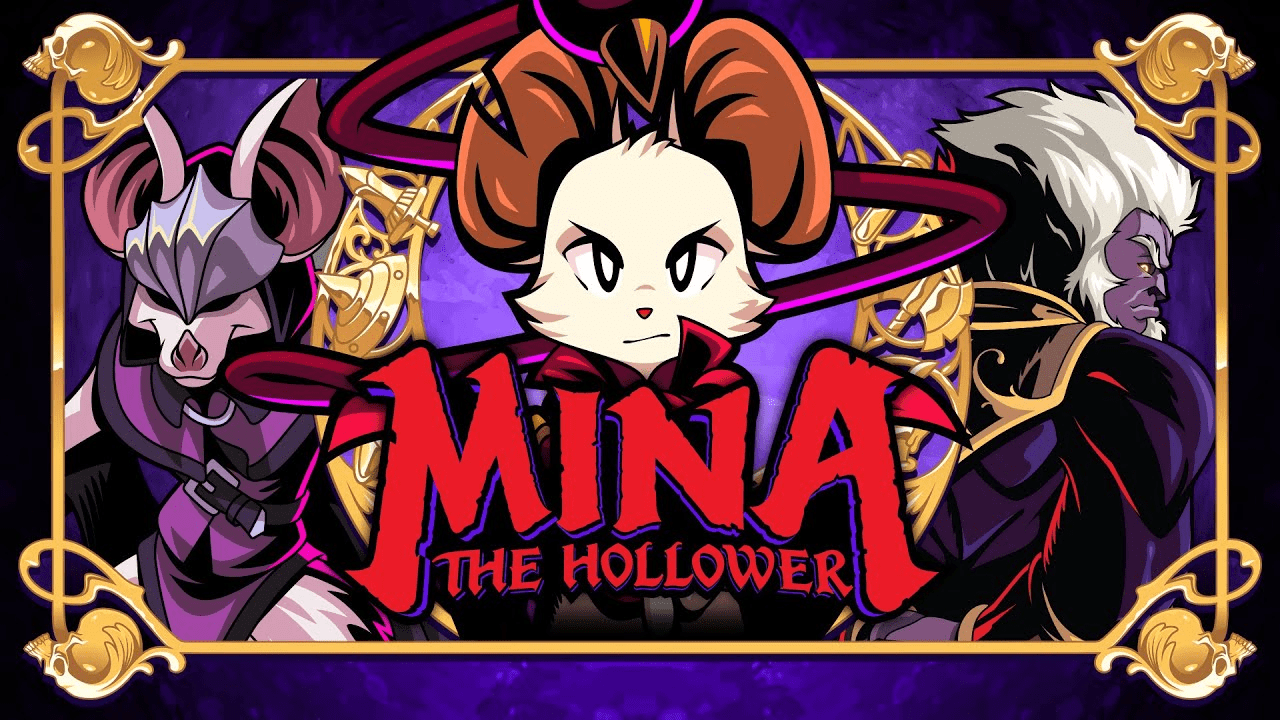
We finally have a real window for Mina the Hollower: Spring 2026. That single update does something powerful for anyone who has been tracking this game for years – it turns vague waiting into a calendar you can actually picture. No exact day is locked in yet, but Spring means the launch is expected to land somewhere between March and May, and that is close enough to start counting weeks instead of seasons. It also reframes the earlier delay in a more grounded way. Yacht Club Games already said the team needed extra time to add final polish and balancing, and now we can see the shape of that extra time instead of imagining an endless fog.
The interesting part is how this kind of delay usually plays out. When a studio says “polish,” we are not talking about a shiny coat slapped on at the end. We are talking about the tiny decisions that decide whether a hit feels fair, whether a dodge feels responsive, and whether a boss teaches you something instead of just yelling at you. Mina the Hollower is built around a striking identity – a retro-inspired action-adventure feel with a signature burrowing mechanic – and those systems live or die on tuning. Add in a limited-time PS5 demo with progress that can carry into the full game, and we have a very practical way to get a feel for the pacing and the vibe while the finish line gets closer. The wait is still a wait, but now it has edges, and that makes it easier to be excited without spiraling.
What Mina the Hollower “Spring 2026” date actually tells us
“Spring 2026” sounds simple, but it is sneakily useful because it narrows the landing zone into something we can reason about. Yacht Club Games has said Mina the Hollower is coming in Spring 2026, and that lines up with a March to May window rather than a vague “sometime next year” shrug. That matters because the closer we get, the more every tiny storefront listing and rumor tries to hijack your mood. A defined season is like putting tape on the floor and saying, “Aim here.” We still do not have a specific release day, so we should not pretend we do, but we can plan our expectations. If you are the type who books days off, you cannot lock anything in yet. If you are the type who just wants to know the wait is not endless, this is the first update in a while that genuinely calms the nerves.

The delay explained
The delay happened for a reason that is both frustrating and reassuring: the team was not quite ready to ship at the previously planned time. Yacht Club Games described the decision as a tough one and framed it as extra time for final polish and balancing rather than a massive change in direction. That distinction matters. A huge delay often comes with scary questions about scope, tech issues, or major reworks. This one was presented as the last stretch where small improvements add up into a better-feeling whole. If we have ever played a game where one boss is oddly spiky, or where an early area feels weirdly stingy with health, we know exactly why balancing is worth protecting. Nobody loves waiting, but waiting is easier to swallow when it is tied to the things we complain about most when they go wrong.
Polish and balancing – why that matters more than it sounds
Polish is the word studios use when they do not want to dump a thousand tiny patch notes onto your head, but it is often the difference between “pretty good” and “I cannot stop playing.” It is hitboxes that match what your eyes think you see. It is input response that makes you trust your hands instead of blaming the controller. It is enemy timing that teaches you a rhythm instead of forcing you to brute-force healing. Balancing is just as important because Mina the Hollower is built around action, movement, and a combat loop that needs to feel sharp without feeling mean. When a studio says it is tuning difficulty and balance, that can mean reworking damage values, adjusting invincibility frames, smoothing progression, and making bosses land in that sweet spot where you lose because you made a mistake, not because the game felt cheap. That is the kind of work you only get right by taking the time.
Why this moment is big for Yacht Club Games
Yacht Club Games has a reputation for delivering tightly crafted experiences, and that reputation is both a gift and a pressure cooker. When people hear “the Shovel Knight team,” expectations snap into place immediately: tight controls, smart level design, and a sense that every pixel has a job. Mina the Hollower has also been in the public eye for a long time, which adds a different kind of weight. The longer the wait, the louder the opinions get, and the more every new clip gets inspected like it is courtroom evidence. A Spring 2026 window is a confidence move because it says the team can finally see the finish line. It also signals that the work is in a stage where fine-tuning is the priority. For players, it means we can shift from “Is this real?” to “How do we want to play it when it lands?” and that is a healthier vibe.
The Shovel Knight shadow and the Mina identity
It is impossible not to compare Mina the Hollower to Shovel Knight because that is the lens many of us look through first. But the smarter way to think about it is as a new house built by the same crew, not a remodel of the old one. The comfort comes from trust in the builders. The excitement comes from the fact that Mina is going for a different flavor: action-adventure energy with a moody, spooky edge, and a traversal mechanic that immediately stands out. When we see a studio delay something for final polish, it often means they want the new house to feel solid under your feet on day one, not like a place you tolerate until patches arrive. If Mina is meant to be its own pillar for the studio, then nailing the first impression is everything. Spring 2026 starts to feel like the moment that identity finally becomes playable reality.
The tone and look – retro roots, modern bite
Mina the Hollower wears its retro inspiration proudly, and that is part of why it is so easy to remember after a single trailer. The art direction leans into a crisp, throwback vibe that reminds people of classic handheld-era adventure games, but the presentation aims for modern readability and punch. That balance is tricky because nostalgia can turn into clutter fast if animations, effects, and enemy tells are not crystal clear. This is another place where “polish” is not a throwaway word. The better the game looks in motion, the more confident we feel when the screen gets busy. We want to read threats quickly, spot openings, and feel like we earned every clean win. A moody atmosphere only works if it does not hide important information, and a retro look only works if it does not fight the controls. If the team is spending time sanding edges, this is one of the areas that benefits immediately.
Animation readability and why it decides the feel
Animation readability is one of those nerdy details that becomes obvious the moment it is missing. When an enemy winds up, we need to see it. When Mina attacks, we need to understand the range. When we get hit, we need feedback that is firm but not annoying. If the animation language is clear, difficulty feels fair even when it is high, because the game communicates honestly. If it is unclear, even easy encounters feel sloppy because you are guessing instead of reacting. This is why balancing and polish often go hand in hand. Tuning damage numbers without tuning readability is like adjusting a recipe without tasting it. Mina the Hollower is built around motion, timing, and spacing, so the animation layer is basically the conversation the game has with your hands. Get that conversation right, and everything else starts to click.
Movement and feel – making exploration satisfying
Exploration is not just about map size, it is about how it feels to move through space. Good movement makes backtracking feel like a choice, not a chore. Mina the Hollower is aiming for that “one more room” loop where curiosity pulls you forward even when you promised yourself you would go to bed. That depends on responsiveness, acceleration, and how the game handles corners, ledges, and transitions. If movement is floaty, the world feels mushy. If it is too stiff, the world feels like a grid you are fighting against. The sweet spot is when Mina feels nimble and grounded, like a skilled adventurer who still has weight. Polishing movement often includes small adjustments you would never notice in patch notes, but you would absolutely feel in your hands. If we want Mina to feel great on both TV and handheld play, movement tuning is one of the most important places to invest time.
Combat basics – whip timing and spacing
Combat in a game like Mina the Hollower lives and dies on timing. We are not just swinging a weapon, we are managing distance, reading patterns, and choosing when to commit. A whip-style weapon is especially interesting because it can reward precise spacing, but it can also feel awkward if hit detection is fuzzy or if the recovery frames are tuned poorly. This is where balancing is not just about difficulty, it is about flow. We want enemies to pressure us without turning every encounter into a slow dance of pokes and retreats. We want hits to feel crunchy, not vague. We want to take damage and immediately understand why. When a studio delays for polish, combat is usually one of the main reasons. Combat tuning is a thousand tiny choices: how long a wind-up lasts, how far a strike reaches, how enemies stagger, how healing works, how often resources drop. Get that right, and the whole game feels smarter.
Burrowing – the signature twist and how it changes fights
Burrowing is the mechanic that makes Mina the Hollower instantly recognizable, and it also changes how we think during fights. It is not just an escape button. It is positioning, timing, and mind games. A good burrow system lets you dodge through danger, pop up where you want, and turn defense into offense, but it also needs limits so it does not trivialize threats. That balance is delicate. If burrowing is too safe, enemies cannot pressure you and combat loses tension. If it is too risky, players avoid it and the game loses its signature flavor. The best version is when burrowing feels like a confident move that still requires judgment, like ducking behind a pillar in a movie fight scene and reappearing with a plan. This is exactly the sort of system that benefits from extended tuning because the difference between “cool idea” and “core identity” is feel.
Risk, reward, and the little decisions that make burrowing fun
The most exciting action systems are built from small decisions that stack up. With burrowing, the question is rarely “Can we do it?” and more “Should we do it right now?” Do we burrow to dodge a hit, or do we save it to reposition for a counter? Do we pop up immediately, or do we wait a beat to bait an enemy move? Those micro-choices are where tension lives, and tension is what makes victories memorable. If the designers tune burrowing so that it interacts cleanly with enemy patterns, traps, and arena layouts, it becomes a tool you actively think with, not a gimmick you occasionally tap. That is why it is worth being patient. The best version of Mina is one where burrowing is not just helpful, it is expressive. It lets different players solve problems in different ways and still feel clever.
World structure – how progression can stay readable
Progression is where action-adventure games can either feel welcoming or feel like they are deliberately trying to confuse you. A readable world does not mean a simple world. It means we understand our goals, we can form a mental map, and we can tell the difference between “come back later” and “we missed something obvious.” Mina the Hollower has the opportunity to nail that balance because its identity leans toward classic adventure rhythms, where exploration is rewarded and secrets matter. But modern players also expect smoother quality-of-life touches, like clear signposting, satisfying shortcuts, and a sense that backtracking is efficient. Polish here can mean improving map clarity, adjusting unlock pacing, and making sure new abilities open up interesting options rather than just acting as keys. If we want Mina to be the kind of game that feels good in short handheld sessions, readable progression is essential.
Boss design and difficulty tuning
Boss fights are where balancing becomes visible. They are the moments people clip, stream, argue about, and remember. A good boss should teach a lesson, test it, and then let you feel like you mastered it. A bad boss makes you feel like you survived it. Yacht Club Games has specifically mentioned balancing as part of the delay, and bosses are often a big part of that work because bosses combine everything: movement, attack timing, telegraphs, damage values, and resource management. If one boss is tuned too hard, it becomes a wall that interrupts the game’s rhythm. If it is tuned too easy, it becomes a cutscene with extra steps. The sweet spot is when you lose, laugh, adjust, and immediately want another attempt. If Mina the Hollower lands that feeling across multiple major fights, people will talk about it for years, and not in the “please patch this” way.
Platforms, demos, and save carryover details
The Spring 2026 launch is not tied to just one platform. Yacht Club Games has said Mina the Hollower is coming to Nintendo Switch 2, Nintendo Switch, PlayStation 5, Xbox Series X, and Steam, which is a big deal for players who want options. It also means expectations will vary because people will imagine different performance targets depending on where they plan to play. On top of that, demo availability has become part of the conversation. A limited-time demo is not just marketing anymore, it is a trust-building tool. It lets you test the feel, the pacing, and the general vibe before committing. When a studio is known for craftsmanship, a demo is basically an invitation to judge the work directly. If you are excited but cautious, demos are where doubt either disappears or gets confirmed, and that is healthier than living on screenshots alone.
Limited-time PS5 demo and progress carryover
One of the most practical pieces of news is the limited-time PS5 demo, paired with the promise that progress can carry over into the full game. That matters because it changes how we approach the demo. We are not just nibbling at a slice and tossing it away, we are potentially starting our save file early. It also encourages slower, more curious play. We can poke at mechanics, explore side paths, and learn enemy tells without feeling like we are wasting time. Carryover also signals confidence. Studios do not usually let demo progress transfer unless they feel good about how the opening hours represent the real experience. If you are the kind of player who loves to learn systems, this is your chance to get comfortable with Mina’s flow while the team finishes the final tuning. It is a nice bridge between “waiting” and “playing,” which is exactly what the moment needs.
Reading the March to May window without losing your mind
A March to May window is both close and annoyingly non-specific, which is a perfect recipe for overthinking. The trick is to treat the window like a range, not a secret code. Studios often hold exact dates until they are confident about certification, manufacturing timelines, storefront coordination, and final bug-fixing. That is not drama, it is logistics. So instead of refreshing feeds every morning like it is a part-time job, we can use the window in sane ways. If you want to avoid spoilers, plan your social media habits for spring. If you want to buy day one, set aside budget in that period. If you want to play on a specific platform, keep an eye out for platform-specific details as the window tightens. Waiting is still waiting, but a window lets us wait with our shoulders relaxed instead of clenched up to our ears.
Keeping hype healthy while we wait
Hype is fun until it turns into a stress hobby. We have all been there: you get excited, you read everything, you watch every clip, and suddenly the thing you love starts to feel like homework. The healthier approach is to pick a lane. Maybe we watch the trailers and then stop. Maybe we try the demo and then leave the rest as a surprise. Maybe we follow official updates and ignore storefront placeholders that look like nonsense. The nice thing about this update is that it gives us permission to chill. Spring 2026 is not far away, and the delay was framed around polish and balancing, which are the exact reasons we usually beg studios to delay in the first place. If we want Mina the Hollower to land with the kind of confidence Yacht Club Games is known for, giving the team room to finish strong is not just acceptable, it is smart.
Conclusion
Mina the Hollower landing in Spring 2026 is the kind of update that makes the wait feel real instead of endless. We still do not have an exact day, but a March to May window is close enough to start imagining how this fits into our actual lives. The earlier delay also reads differently now that we have context. Yacht Club Games said the extra time was for final polish and balancing, and those are the invisible details that decide whether a game feels fair, responsive, and worth replaying. Add in the limited-time PS5 demo with progress carryover, and the gap between now and launch stops feeling like dead air. If we keep expectations grounded and stick to official updates, the next few months can feel like anticipation instead of anxiety. The best part is simple: the finish line is in sight, and it finally has a season attached to it.
FAQs
- When is Mina the Hollower coming out?
- It is scheduled for Spring 2026, and the window has been described as landing between March and May. An exact release date has not been announced.
- Why was Mina the Hollower delayed?
- Yacht Club Games said the team needed more time for final polish and balancing, framing it as extra finishing work rather than a major shift in direction.
- Which platforms are confirmed for Mina the Hollower?
- It has been announced for Nintendo Switch 2, Nintendo Switch, PlayStation 5, Xbox Series X, and Steam.
- Is there a demo, and does progress carry over?
- There is a limited-time demo on PS5, and it has been stated that progress can carry over to the full game.
- Does “Spring 2026” mean the game could slip again?
- The only confirmed information is the Spring 2026 window and that an exact date has not been shared. The best approach is to rely on official updates as the window narrows.
Sources
- Mina the Hollower Launches in Spring 2026, Yacht Club Games, February 12, 2026
- Mina the Hollower launches Spring 2026 on PS5, PlayStation Blog, February 12, 2026
- Delay Extravaganza II: The Tail Continues, Yacht Club Games, October 6, 2025
- PSA: No, Yacht Club’s New Game Isn’t Coming Out In 2030, Nintendo Life, February 5, 2026