














Summary:
Capcom is letting us get our hands on Monster Hunter Stories 3: Twisted Reflection ahead of its March 13, 2026 launch, and the best part is that we don’t have to treat the trial like a throwaway snack. The free demo on Nintendo Switch 2 is built to roll your progress into the full game, which means every minute you spend learning the flow of battles, tuning your settings, and shaping your early choices can pay off later. If you’ve ever bounced off a JRPG because the opening hours felt slow, this is your chance to test the pacing without committing. If you already love the Monster Hunter Stories style, the demo is basically a warm-up lap where you can get your hands back on the steering wheel.
The trick is knowing what to prioritize. We want to use the demo time to get comfortable with the combat rhythm, understand how the game communicates enemy intent, and make early decisions that still feel good when the full release unlocks the wider world. We also want to avoid the classic demo mistakes, like rushing through menus, skipping optional tutorials, or ignoring settings until the first tough fight makes us regret it. Below, we break down what to do the moment the demo hits the eShop, what “carry over” typically involves, and how to set yourself up so March 13 feels like a smooth continuation instead of a restart.
The Monster Hunter Stories 3: Twisted Reflection demo drop and what “carry over” really means
The headline is simple: the Monster Hunter Stories 3: Twisted Reflection demo is free on Nintendo Switch 2, and progress transfers to the full version when the game launches on March 13, 2026. That single detail changes how we should treat the demo. Instead of playing like it’s a disposable preview, we can play like it’s the opening stretch of our real adventure. In practice, “carry over” usually means your save file from the demo can be imported or recognized by the full game, so your key progress continues forward. That often includes your character setup and early story completion, and it may include items or early companions depending on how Capcom structured this trial. The safe move is to assume that the game will clearly tell us what transfers once the demao is installed, because Capcom tends to spell out save transfer rules in the trial description or on the official site. Treat the demo like a first day at a new job: we want to look around, learn the systems, and leave everything tidy so the next day starts smoothly.

Where to download on Switch 2 and how to avoid common hiccups
On Switch 2, the cleanest approach is to grab the trial version directly from the Nintendo eShop listing for Monster Hunter Stories 3: Twisted Reflection. If the demo is “later today,” it can appear as a separate trial entry or as a button on the main product page, depending on how the store page is set up. If you do not see it right away, we can try the obvious fixes that somehow still feel like magic: refresh the eShop, check the game’s page again, or search by the full name rather than “Stories 3.” Storage is the other classic trap. JRPG demos can be bigger than you expect, and the Switch family is famous for the “not enough space” surprise at the worst possible moment. Make a little room first, even if it’s just clearing one big download you forgot about. Finally, if you care about transfer, keep everything on the same user profile you plan to use for the full game. It sounds basic, but it’s the kind of basic thing that saves you from future pain.
What we can do in the trial version without spoiling the fun
Good demos walk a tightrope. They need to show off the vibe and the systems, but they cannot dump the entire mystery on the floor. From what Capcom and various listings describe, the trial version gives us an early slice: enough story context to understand the stakes, enough battles to learn the turn-based logic, and enough exploration to see what this entry is aiming for. The smart way to play is to sample broadly before we commit to grinding anything. We should do a handful of fights to learn the tells, wander enough to understand map flow, and interact with side activities until we recognize what feels rewarding. Then we can decide where to invest time. If progress transfers, it’s worth doing optional tutorials and early side tasks, because we are not “wasting” that time. At the same time, we do not need to treat this like a marathon. The best demo experience is leaving with clarity: we know what we love, we know what we need to learn, and we know what we want to do first on launch week.
Story setup: why Twisted Reflection starts with tension, not a picnic
Monster Hunter Stories has always been about relationships, not just raw power. We bond with Monsties, we build a party that feels personal, and we move through a world where the monsters are characters as much as obstacles. Twisted Reflection leans into that energy, but it also frames the start with pressure. The setting revolves around conflict between kingdoms and a mysterious threat that turns the world uneasy, which is a great recipe for a demo because it gives immediate momentum. Even if you only play the opening portion, we can already feel the tone: this is not just “go ride a cool dragon.” It’s “go ride a cool dragon while the world looks like it’s cracking at the seams.” If you’re new, that tension is helpful because it tells you why the next quest matters. If you’re returning, it is a reminder that Stories is at its best when the emotional stakes sit right next to the spectacle.
Why the opening hours matter more when your save carries over
When a demo is isolated, we can sprint through it and shrug. When our save carries over, the opening hours become our foundation. That means the early conversations, tutorials, and first decisions matter because we might be living with them later. It also changes how we should absorb the story beats. We do not need to stare at every line like it’s a final exam, but we should slow down enough to understand the basics: who we are, what we are protecting, and what the world is afraid of. Those early threads are usually the ones that pay off later with big reveals or character moments. The funny thing is that a carry-over demo makes patience feel rewarding, because you are not “stuck in the intro” twice. You do it once, properly, and then you move on. Future you will be grateful, and future you deserves nice things.
Combat basics: winning the rock-paper-scissors mind game
If you’ve played Stories before, you know the secret sauce: battles are turn-based, but they still feel like a contest of reads and reactions. The demo is the perfect place to re-learn that rhythm. We want to pay attention to how enemies signal their next move type, how often they switch patterns, and when the game expects us to take risks. Instead of spamming our strongest option, we should treat early fights like a sparring session. Try different approaches, see how the game rewards correct predictions, and notice how quickly momentum can flip if we get greedy. The goal is not to “win fast.” The goal is to understand why we won, so tougher fights later feel like puzzles rather than brick walls. If you’ve ever lost a battle and thought, “That was unfair,” the demo is where we learn whether it was unfair or whether we just ignored the signs like a person who doesn’t read the instructions and then blames the furniture.
The battle rhythm: when to play safe and when to push
Even in early encounters, Stories battles have a tempo. Sometimes the smartest move is to protect your team and stabilize, and sometimes the smartest move is to push damage before the enemy can set up. The demo is where we learn that tempo without the stress of late-game consequences. Watch for moments when enemies repeat a move style, because patterns are information. Pay attention to how your party’s health swings, because that tells you how punishing mistakes will be later. Also, take note of the utility options. Turn-based games often hide their strongest tools in “boring” buttons like buffs, debuffs, and status effects, and then you realize those buttons are actually the keys to the kingdom. If you treat every fight like a fistfight, you might win early, but you will eventually meet a monster that turns fistfights into a bad idea. The demo is where we build better habits, one smart turn at a time.
Party building: early choices that won’t haunt us later
The joy of Stories is building a team that feels like yours. In a carry-over demo, that team can become the seed of your full playthrough. That does not mean we need to overthink every choice, but it does mean we should understand what we are choosing. If the demo lets us name a character, customize looks, or pick early companions, we should take a moment and do it intentionally. Think of it like picking a profile picture you will stare at for weeks. It’s worth an extra minute. Beyond that, focus on learning roles. Who is your steady damage dealer, who keeps the team alive, who controls the pace of a fight? The demo is where we can test combos without commitment. If you fall in love with a particular Monstie, great. If you do not, also great. The point is to leave the demo knowing what kinds of team setups feel fun to you, because fun is what keeps a long RPG run alive.
How to test synergy quickly without turning the demo into homework
We can keep this simple. In the demo, pick a small goal for each battle: one fight is for trying a new skill, one fight is for watching enemy patterns, one fight is for testing a support option. That way, we learn a lot without feeling like we are grinding spreadsheets. If the demo includes any kind of crafting, upgrades, or skill management, try it at least once so it doesn’t feel intimidating later. Most people bounce off systems they ignore, not systems that are “too complex.” Also, pay attention to how your team handles mistakes. A party that collapses after one wrong guess might be flashy but fragile. A party that can recover gives you breathing room, and breathing room is what lets you experiment. Nobody learns when they are constantly panicking. Well, except maybe cats, but cats are built differently.
Exploration and side tasks: what’s worth your time in a limited slice
Demos sometimes tempt us with busywork, and it’s easy to get trapped doing side tasks that feel pointless. The carry-over twist changes the math. If your progress transfers, side tasks can be a smart investment, especially if they teach you mechanics, give you early resources, or unlock quality-of-life features. We should prioritize anything that improves how we play. Tutorials that explain traversal, early side quests that introduce useful NPCs, and activities that reward basic materials are usually worth it. On the other hand, if something feels like pure grinding with no clear long-term benefit, it’s fine to skip. The demo is not a second job. It’s a taste test. We want to leave with momentum, not burnout. If you finish the demo and feel energized, you did it right. If you finish it and feel like you ran a marathon in flip-flops, it might be time to change your approach.
Performance and settings on Switch 2: what to tweak first
Switch 2 gives Capcom room to aim higher than older handheld standards, but settings still matter. The demo is where we should check the basics immediately: camera speed, button prompts, audio levels, and any performance toggles that exist. If there’s an option that favors smoother motion versus sharper visuals, pick what feels best for you and stick with it long enough to judge properly. A lot of players flip options every two minutes and then wonder why nothing feels consistent. Also, spend a moment checking readability. Text size, UI scaling, and contrast can make a huge difference in a turn-based RPG where information clarity is everything. If you can’t easily read what the enemy is doing, you will make worse decisions, and the game will feel harsher than it actually is. Settings are not boring. Settings are comfort. Comfort is power.
Smart prep for March 13, 2026: a simple launch-ready routine
Because the full game hits on March 13, 2026, we can use the demo as a calm setup for launch week. The goal is to make the transition feel like picking up a book where you left off, not re-reading chapter one. First, make sure your Switch 2 system and game are updated. Second, keep your demo save file safe on the profile you will use later. Third, take a mental note of what you want to do next. It can be as simple as “I want to try a different party setup” or “I want to explore more before story missions.” This is also a good time to decide your pacing. Are you a weekend binge player, or do you prefer short nightly sessions? The demo can tell you what style fits this game’s rhythm. And if you’re playing with friends nearby, it’s fun to compare first impressions. Not in a competitive way, more like swapping notes after watching the same movie and arguing about the best scene.
Quick demo checklist for a smooth carry-over start
Before you close the demo, do a quick sanity pass. Confirm the save is created and loads properly. Open the settings menu and make sure the camera and controls feel natural. Try at least one optional activity so you understand how side tasks are presented. Do a few battles with intention, not autopilot, so you learn the core rhythm. Finally, watch the trailer again after playing. It hits differently once you’ve felt the combat and movement in your hands. You’ll notice details you missed, and it will sharpen your sense of what you’re excited for on March 13. That’s the sweet spot: curiosity plus confidence.
Trailer watch notes: what to look for when Capcom shows its hand
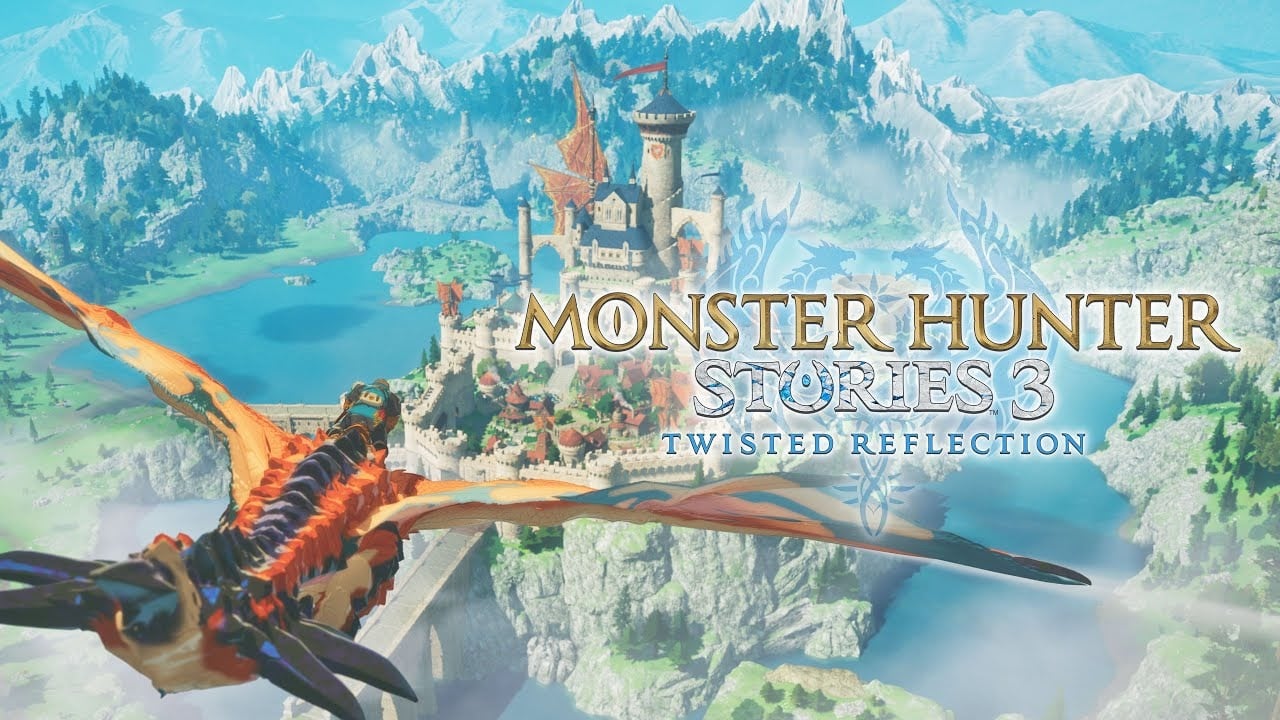
Trailers are marketing, sure, but they’re also a little puzzle box. After playing the demo, we can watch the trailer with better eyes. Look for hints about the variety of environments, because that often signals how exploration will evolve. Watch the party shots and monster reveals, because they can suggest how broad the Monstie roster might be and what kinds of roles those creatures fill. Notice how battles are framed. If the trailer emphasizes cinematic moments, it may point toward more set-piece encounters. If it emphasizes UI clarity and tactical decisions, it’s telling you the turn-based layer is a priority. Most importantly, listen to tone. Capcom tends to show whether a story is lighthearted, tragic, or somewhere in between through music and pacing. If the trailer feels tense, it’s probably because the story wants to pull you forward with stakes, not just spectacle. And honestly, that’s a good thing. A good RPG is like a road trip: the scenery matters, but you still want a reason to keep driving.
Conclusion
The free Monster Hunter Stories 3: Twisted Reflection demo on Switch 2 is more than a quick preview because your progress carries over to the full release on March 13, 2026. That makes today’s play session feel meaningful, even if you only have a small window to jump in. Focus on learning the battle rhythm, testing party roles, and setting up your controls so everything feels natural. Sample exploration and side tasks with intention, not obligation, and leave yourself a clear sense of what you want to do next when the full game opens up. If the demo clicks, launch day will feel like a continuation of your story, not the start of a new save you have to rebuild from scratch.
FAQs
- Is the Monster Hunter Stories 3 demo free on Switch 2?
- Yes, the trial version is listed as a free download for Nintendo Switch 2, giving you a playable slice ahead of the full launch.
- Does demo progress carry over to the full game?
- Yes, Capcom and multiple store and news listings state that save data from the demo can be transferred to the full version when it releases on March 13, 2026.
- What should we prioritize first in the demo?
- Start by checking settings and controls, then do a handful of battles to learn enemy patterns, and finally sample exploration and at least one optional activity so you understand the loop.
- Where do we download the demo on Switch 2?
- Use the Nintendo eShop on Switch 2 and search for the game’s full name. The demo may appear as a trial version entry or as a download option on the main product page.
- When does the full game release?
- Monster Hunter Stories 3: Twisted Reflection launches on March 13, 2026 for Nintendo Switch 2, with the official site and trailer listings showing that date.
Sources
- Monster Hunter Stories 3: Twisted Reflection (Official Site), Capcom, February 2026
- PSA: Monster Hunter Stories 3 Switch 2 Trial Demo Now Available, Save Data Carries Over, Nintendo Life, February 2026
- Monster Hunter Stories 3: Twisted Reflection – Demo Trailer, Capcom, February 2026
- Monster Hunter Stories 3: Twisted Reflection (Steam Listing), Steam, February 2026
- Monster Hunter Stories 3: Twisted Reflection has a free demo out now, Windows Central, February 2026