














Summary:
MOUSE: P.I. for Hire is taking a short detour before it hits the road for real, with PlaySide Publishing and Fumi Games moving the launch to April 16, 2026. On paper, that kind of delay looks small, almost like the calendar just blinked. In practice, those last weeks are where games either tighten their shoelaces or trip over them in public. The team’s message is simple and direct: they want extra time and care so the final result lands as “an experience to remember,” and they’re framing it as a final push rather than a major restart. That wording matters because it sets expectations. We’re not looking at a project that vanished into a fog of uncertainty, we’re looking at a controlled step back so the last stretch feels right.
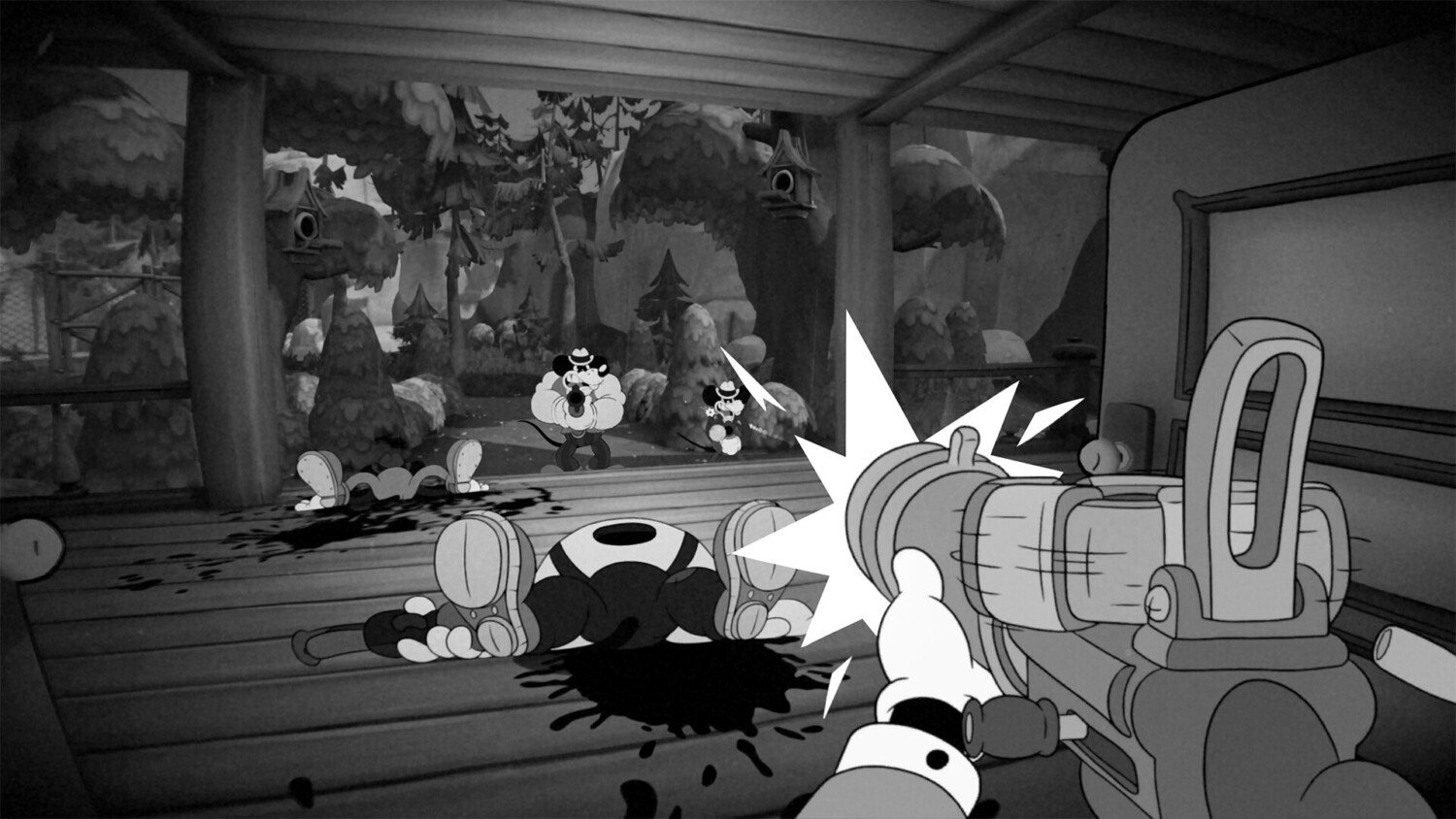
That last stretch tends to be all about feel: performance stability, input responsiveness, animation timing, readability in combat, and those tiny rough edges that make a stylish game feel clunky if they slip through. A rubber hose, black-and-white shooter lives and dies on rhythm. The visuals are bold, the motion is expressive, and the moment you pull the trigger, you want punch, clarity, and flow – not a mushy blur of effects. With the new date locked, the more interesting question becomes what the extra time is likely being spent on, how we should read the studio’s tone, and how we can keep excitement high without inventing expectations the game never promised.
The delay for MOUSE: P.I. For Hire
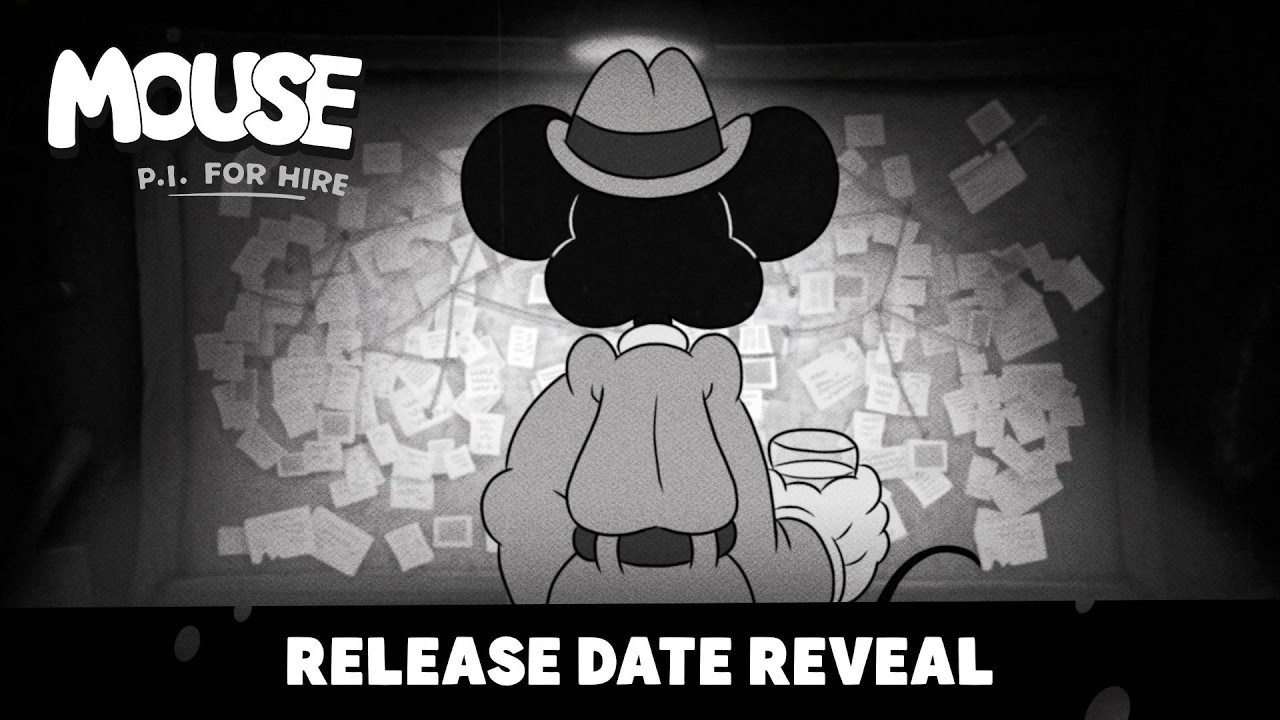
MOUSE: P.I. for Hire is now set to release on April 16, 2026, after previously aiming for March 19. The announcement doesn’t dance around it or hide behind vague phrasing. It says the team is in the final stages, they want extra time and care, and they believe those extra weeks help them deliver the best version of the game. That kind of message is the developer equivalent of straightening a tie before stepping onto stage. Nobody changes the date just for fun, and nobody wants to ship a stylish game where the style is doing heavy lifting but the feel is lagging behind. If you’ve ever played a shooter where aiming feels “off” by a hair, you already know why a few weeks can be priceless.
Why “a few extra weeks” can change a game’s first impression
First impressions in shooters are brutal because your hands judge the game before your brain finishes reading the mood. If movement feels sticky, if the framerate stutters when effects pop, or if enemies blend into the background for half a second too long, the spell breaks. For a game leaning into a bold cartoon look, that spell is the whole point. The best part about a short delay is that it usually targets the exact stuff players complain about in the first hour: responsiveness, clarity, pacing, and stability. Think of it like a detective tightening the knot on a tie before walking into a smoky bar. The case might be the same, but the confidence changes everything.
Timing, feel, and polish: the invisible work players notice instantly
Polish is funny because it’s mostly invisible until it’s missing, and then it’s all you can see. In a first-person shooter, polish often means consistent frame timing, predictable weapon recoil, readable enemy tells, and input that feels sharp instead of slightly delayed. It also means reducing those tiny “wait, what hit me?” moments that turn tense combat into frustration. When a team says they’re close but need a bit more time, it usually points to this layer. Nobody is rewriting the identity of the game in a few extra weeks. They’re sanding down the splinters so the game’s personality, humor, and atmosphere can actually land the way it’s meant to.
Animation readability in fast fights: why rubber hose style is tricky
Rubber hose animation looks smooth and playful, but it can also be a readability minefield in fast action. Characters stretch, squash, and exaggerate motion, which is great for personality, but shooters rely on quick visual reads. You need to instantly understand what’s an enemy tell, what’s a harmless flourish, and what’s a hit indicator you should react to right now. That’s tougher in monochrome, too, because contrast and silhouettes do extra work. Fine-tuning that balance can mean adjusting animation timing by frames, changing how muzzle flashes light a scene, or making damage reactions clearer without turning everything into loud noise. It’s the kind of work that’s boring to talk about, but incredible to feel.
Audio and punch: jazz, gunfeel, and the power of small tweaks
Sound can make a shooter feel expensive even when the visuals are intentionally retro. A weapon that sounds thin often feels thin, even if the damage numbers say otherwise. In a game with a jazzy, noir vibe, audio also sets tone: footsteps in an alley, the crack of a shot, a sting of brass when things go sideways. Small changes to mixing, reverb, and impact sounds can help combat feel tighter and reduce fatigue during longer sessions. It’s also a place where last-minute improvements can be dramatic, because you don’t need to rebuild levels to improve how the game breathes. You just need every punchline and every gunshot to land with confidence.
The style hook: rubber hose noir, and why it stands out
MOUSE: P.I. for Hire isn’t chasing realism, and that’s the smartest thing it could do. The rubber hose look is immediately recognizable, and the noir framing gives it a mood that’s more “late-night cigarette glow” than Saturday morning sugar rush. That contrast is the hook: cute silhouettes doing gritty detective business, with bullets flying and jazz in the background. A strong hook also raises the bar, because players will forgive less if the moment-to-moment experience doesn’t match the vibe. Style is a promise. It says, “We know exactly what we are,” and once that’s on the table, the gameplay needs to back it up like a reliable partner in the field.
Noir detective energy without slowing the action to a crawl
Noir is all about tension, suspicion, and the sense that everybody is hiding something, including the streetlights. The challenge is keeping that feeling while still delivering a shooter that moves. If the mystery side drags, the pacing dies. If the shooting overwhelms everything, the detective angle becomes wallpaper. The sweet spot is when the story pushes you forward naturally, like you’re following footprints that keep appearing just ahead of your flashlight beam. That’s why clarity matters. The better the game communicates what you’re doing and why, the more noir can color every moment without turning the whole experience into a stop-and-start parade of exposition.
Worldbuilding in Mouseburg: tone, corruption, and atmosphere
A noir city works when it feels like it has secrets in the walls, not just enemies in the streets. Mouseburg, as a setting, has the potential to do that through environmental storytelling: signage, posters, lighting, alley layouts, and little visual jokes that still feel grimy. The more cohesive the atmosphere, the more the rubber hose art becomes a lived-in world rather than a novelty filter. And because the visuals are bold, the smallest details can pop. A crooked neon sign, a shadowy doorway, a distant siren-like sting in the music, these are the things that make players slow down for a second and soak it in, even in an FPS.
Pacing the mystery: how a case can drive an FPS forward
A good detective case in an action game is like a string pulling you through the level. You don’t need endless branching outcomes for it to work. You need motivation, escalation, and the feeling that each new location adds a piece to the puzzle. That’s where noir shines. The case starts simple, then gets messy, then gets personal, and suddenly you’re not just clearing rooms, you’re chasing answers. When the pacing is right, combat encounters feel like obstacles in an investigation, not random arenas. It turns “another shootout” into “somebody really doesn’t want you asking questions,” which is a much better reason to reload.
The shooter core: combat rhythm, weapons, and momentum
Even with the coolest art direction in the world, MOUSE: P.I. for Hire will live or die on how it feels to move, aim, and fight. Shooter fans can smell sloppy tuning instantly. Momentum matters because it’s the heartbeat of the experience. If you’re always waiting for animations to finish, or if recoil feels inconsistent, the rhythm falls apart. A short delay is often about tightening that rhythm. It’s the difference between a game that looks great in clips and a game that feels great in your hands for hours. And if the goal is to be “an experience to remember,” the hands are the judge and jury.
Tools of the trade: cartoon weapons and power-ups done right
Cartoon weapons are a playground for creativity, but they still need rules. Players need to understand what each weapon is for, how it behaves, and when it’s the right call. Power-ups can be hilarious and satisfying, but only if they’re readable and balanced so they feel earned instead of random chaos. The best shooters make your toolkit feel like a set of decisions, not just a pile of noise. That’s why tuning matters near launch. You can adjust ammo economy, swap enemy placement, tweak damage falloff, and suddenly the entire flow improves. When that happens, variety stops being a gimmick and starts being the reason you keep pushing forward.
Difficulty and approachability: challenge without cheap shots
There’s a difference between hard and annoying, and shooters sometimes forget that line exists. Good difficulty is pressure that feels fair, like the game is daring you to improve. Bad difficulty is when you die and the only lesson is “well, that was nonsense.” For a stylish FPS trying to welcome curious players who came for the aesthetic, approachability matters. That doesn’t mean babying anyone. It means clear feedback, consistent rules, and smart checkpoints so the challenge feels exciting instead of exhausting. If the developers are using extra weeks to smooth difficulty spikes and reduce jank, that’s a win for everyone, from speed demons to first-timers.
Moment-to-moment feedback: UI clarity, hit reactions, and flow
Feedback is the language a shooter uses to talk to you, and it should speak clearly. When you hit an enemy, you should feel it. When you take damage, you should understand where it came from without needing a replay. When you pick something up, you should know what changed. That’s UI, hit reactions, sound, and visual effects all working together. In a monochrome, high-style game, this is extra important because it’s easy for effects to blend together if they aren’t tuned carefully. A few smart tweaks can turn confusion into flow, and flow is what makes players say “one more level” at 1:00 a.m.
Launch prep: platforms, store pages, and what to watch next
The delay sets a clear target and gives everyone a cleaner runway to plan around April 16, 2026. That’s helpful because launch week is already a noisy time, and players like knowing exactly when to show up. It also gives the team room to share updates leading into release, which they explicitly mentioned. The best way to treat this period is as a steady build, not a daily rollercoaster. Keep an eye on official channels, store page updates, and trailers that focus on real gameplay. The goal is simple: arrive at launch with expectations based on what’s been shown, not what people daydreamed into existence.
How to follow updates without getting burned by hype cycles
Hype is fun, but it can also turn every small detail into a rumor tornado if you’re not careful. A smart approach is to prioritize direct statements from the developer and publisher, plus reputable outlets that quote those statements accurately. If you see a claim that doesn’t link back to anything concrete, treat it like a witness who “swears they saw something” but can’t describe the suspect. The delay message itself promised more to share before launch, so there’s no need to fill the silence with guesses. Let the official updates do the talking. It keeps excitement healthier, and it keeps disappointment from creeping in for no reason.
What “more to share” usually looks like before release
When studios say they’re excited to share more in the lead-up, it typically means practical showcases: short gameplay clips, weapon reveals, level snippets, maybe a behind-the-scenes look at animation or audio. The key detail is that these updates tend to focus on confidence. You’ll often see clearer explanations of what the game loop looks like, what the tone is aiming for, and what the player is actually doing minute to minute. If the team is using this extra time wisely, the previews should start feeling sharper and more consistent. Not louder, sharper. That’s the difference between noise and clarity, and clarity sells the fantasy better than hype ever could.
A practical release-week checklist for anyone jumping in day one
When April 16 arrives, the best launch experience usually comes from small, boring prep. Make sure your preferred platform has enough free space, update your system software ahead of time, and expect a day-one patch because that’s common for modern releases. If you’re sensitive to motion or certain visual effects, check the settings early and adjust before you hit heavy combat. And if you’re the kind of player who loves discovering secrets, give yourself permission to slow down. A noir world is built for lingering looks and suspicious corners. Sometimes the best detective work is simply paying attention, even when the guns are loud.
Conclusion
April 16, 2026 is now the date, and the reason is the one players usually hope to hear: extra time to make the final result land the way it should. A short delay can be the difference between a stylish shooter that looks cool in screenshots and one that feels sharp, readable, and satisfying for the long haul. With MOUSE: P.I. for Hire leaning on a bold rubber hose noir identity, that final layer of polish matters because it protects the vibe from being undercut by technical friction. If the team delivers on the promise of “an experience to remember,” these few weeks will look less like a setback and more like the smartest move they could have made.
FAQs
- What is the new release date for MOUSE: P.I. for Hire?
- MOUSE: P.I. for Hire is now scheduled to release on April 16, 2026.
- Why did MOUSE: P.I. for Hire get delayed?
- Fumi Games and PlaySide Studios said they want extra time and care in the final stages to deliver the best version of the game and make it “an experience to remember.”
- How long is the delay compared to the previous date?
- The game moved from March 19, 2026 to April 16, 2026, which is roughly a few additional weeks.
- Who is developing and publishing MOUSE: P.I. for Hire?
- Fumi Games is the developer, and PlaySide is involved on the publishing side, with the delay announcement shared under the Fumi Games and PlaySide Studios names.
- What should we watch for between now and launch?
- The team said they plan to share more in the lead-up to release, so expect official updates like gameplay snippets or announcements as April 16 gets closer.
Sources
- MOUSE: P.I. for Hire delayed to April 16, Gematsu, Feb 23, 2026
- Mouse: P.I. For Hire Delayed To April, Game Informer, Feb 24, 2026
- Mouse PI For Hire Delayed, But Not By Much, GameSpot, Feb 24, 2026
- Mouse P.I. For Hire has been delayed to April, TheSixthAxis, Feb 24, 2026