

Summary:
Nihon Falcom is basically telling fans, “We’re speeding up, and Switch 2 is coming along for the ride.” The the studio wants to increase how many games it releases per year, keep leaning into multi-platform development, and expand its Nintendo Switch 2 support with more ports. On top of that, Falcom has said it has six unannounced titles in development for multiple formats, and one of those efforts includes a Switch 2 port of an existing game that the company still hasn’t named. That last part is the classic Falcom move: just enough detail to get everyone’s group chats buzzing, but not enough to ruin the surprise.
What makes this shift interesting is the mix of ambition and practicality. Releasing more often is exciting, but it also raises the obvious question: can a studio keep its signature pacing, world-building, and combat tuning when the treadmill speeds up? Meanwhile, focusing on Switch 2 ports isn’t just a “nice to have” feature for Nintendo players. It’s a way to put Falcom’s back catalogue and recent releases in front of a wider audience, with hardware that can better handle smoother performance, faster loading, and sharper visuals. If you’ve ever loved a JRPG but hated the feeling of waiting on doors, menus, or texture pop-in, you already know why this matters.
Below, we break down what Falcom actually said, what it suggests about their release rhythm, why Switch 2 support is a meaningful business and creative decision, and what fans should realistically expect next. No fortune-telling, no wild guessing about the mystery port. Just a clear view of where Falcom is aiming and why that direction could shape the next wave of Trails, Ys, and whatever else they’re cooking up.
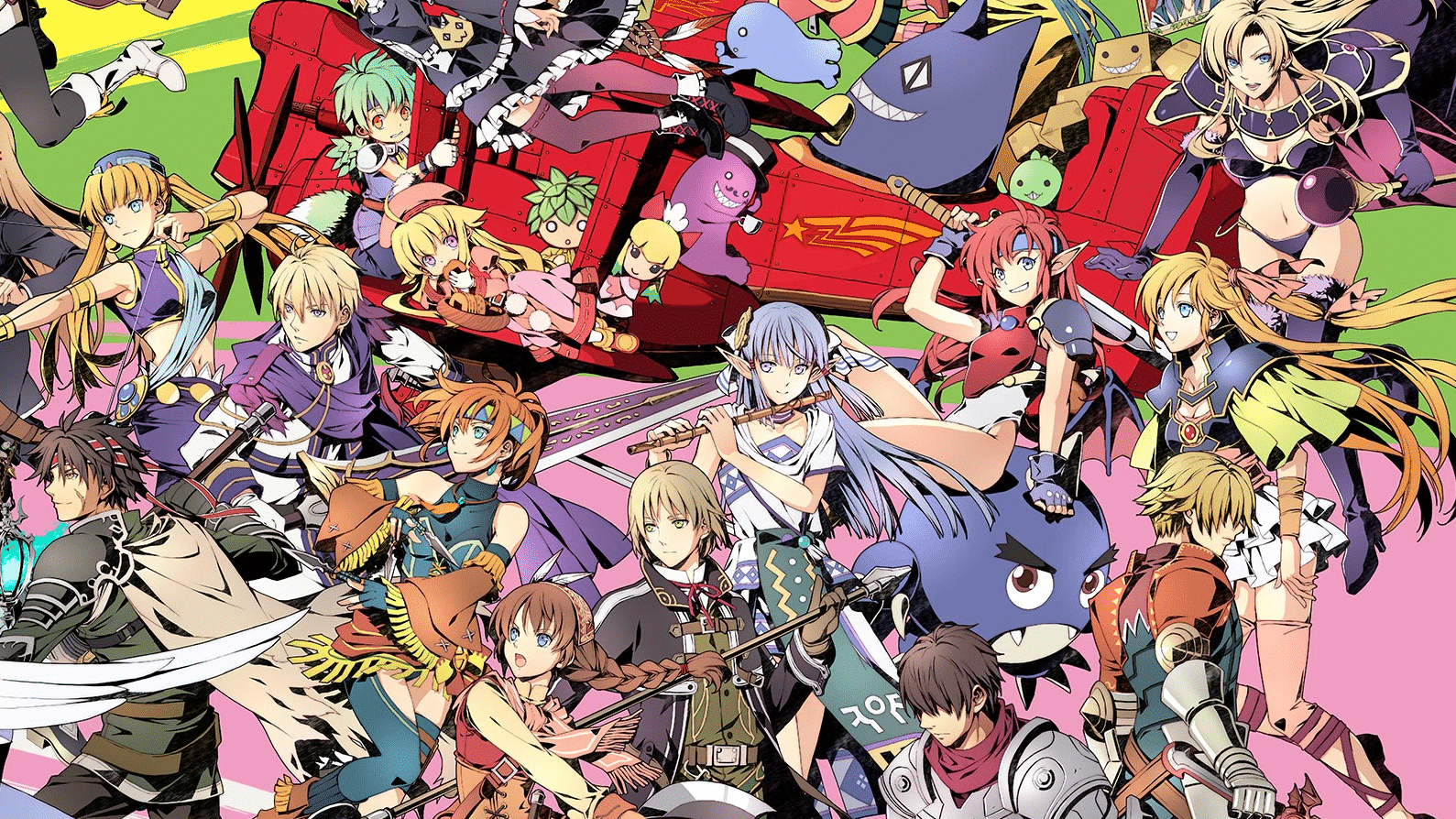
Trails developer Nihon Falcom plans
Falcom has laid out a plan to increase the number of titles it releases per year and to expand support for Nintendo Switch 2 with more ports. That’s the core message, and it’s refreshingly direct. Instead of acting like every release exists in its own little bubble, Falcom is talking about output and platform strategy as one connected machine. Think of it like a kitchen that’s decided to serve more meals per night, while also upgrading the stove so fewer orders come out late and lukewarm. The extra spice here is that Falcom has also confirmed it has six unannounced titles in development for multiple formats. We’re not talking about a single project in pre-production, we’re talking about a slate. And within that slate, Falcom has teased a Switch 2 port of an existing title, but hasn’t revealed which one yet.
Why Falcom is pushing for more yearly releases
Increasing yearly releases usually means one of two things: a studio is feeling confident, or a studio is responding to market reality. With Falcom, it can be a bit of both. When fans stick around for long-running series, momentum becomes valuable, because momentum keeps players engaged between big story arcs and helps newer audiences find an on-ramp. A faster cadence can also smooth out the “all eggs in one basket” problem, where a single delay causes a long dry spell. But there’s a human side too. A higher release pace only works if production planning is tight, pipelines are modern, and teams aren’t sprinting until they collapse. So when we hear “more releases,” we should hear “more structure,” because that’s what it takes to make the math work without sacrificing the small details Falcom fans care about.
Nintendo Switch 2 support – why it’s a big shift
Falcom increasing Nintendo Switch 2 support matters because it frames Nintendo’s platform as more than an occasional stop. It’s part of the route. Falcom has already seen what happens when its games reach a broader audience, and Switch platforms can be a gateway for players who might not follow every PlayStation or PC release. Switch 2 also changes the conversation about compromises. If a port is smoother, sharper, and faster to play, fewer people bounce off before the story and combat hook them. That’s not just a technical win, it’s a word-of-mouth win, and Falcom lives and dies on word of mouth. The studio’s message also signals intent around self-publishing more major titles on Switch 2, which can shape timelines, pricing, and how quickly updates roll out in different regions.
Ports on Switch 2 – what usually changes
When people hear “port,” they sometimes imagine a quick copy-paste job with a new logo slapped on the box. In reality, ports often live in the messy middle between engineering and art, where tiny decisions affect how a JRPG feels minute to minute. Switch 2 support can mean improved performance, better loading, higher resolution targets, or more stable frame pacing. It can also mean practical tweaks that you only notice after ten hours, like snappier menus, reduced hitching during combat transitions, or clearer text scaling in handheld mode. If we’ve ever loved a game but felt it was fighting the hardware, a better port is like finally getting to hear a song without static. Same melody, less noise, more room to enjoy it.
Performance and presentation targets
Performance is where “good enough” and “feels great” split into two different universes. A JRPG can have the best writing in the world, but if movement stutters, battles hitch, and loading breaks the rhythm, it chips away at immersion. Switch 2 ports give Falcom the chance to hit steadier frame rates, shorten loads, and present cleaner visuals without needing to redesign the whole game. Presentation also covers image quality choices, like how aggressive dynamic resolution is, how sharp UI elements stay, and whether effects like shadows and ambient occlusion are tuned for clarity instead of just “more stuff on screen.” When a port is done right, the game stops feeling like it’s squeezing through a narrow doorway and starts feeling like it’s walking through the front entrance.
Loading times, resolution, and frame pacing
Loading times are the silent killers of pacing, especially in story-heavy games where we want to bounce between towns, menus, and battles without losing the thread. Resolution is the flashy headline, but frame pacing is the part your hands notice first. A game can technically “run at 60,” yet still feel uneven if frames arrive inconsistently. Switch 2 ports often aim to tighten that experience, making camera movement smoother and inputs feel more immediate. Even small improvements can change how battles read, how exploration feels, and how long we’re willing to stay in “just one more side quest” mode. If the original version felt like it was jogging with untied shoelaces, better pacing is the knot that stops the trip.
The small fixes fans notice first
Fans notice the little things because Falcom games are long, and long games turn little things into big things. Text size and readability in handheld mode can decide whether late-night play sessions feel cozy or exhausting. Menu speed matters because JRPGs are menu-heavy by nature, and slow menus are like driving behind a tractor on a one-lane road. Audio mixing and localization subtitle timing can also be part of a polished port, because presentation isn’t only pixels. And then there’s the boring but essential stuff: fewer crashes, fewer odd bugs, and smoother transitions between areas that players will hit dozens of times. A port doesn’t need fireworks to impress, it needs consistency. That’s what makes the experience feel cared for instead of merely delivered.
Six unannounced projects – what “multi-format” hints at
Falcom saying it has six unannounced titles in development for multiple formats is a big signal, not because it guarantees six quick releases, but because it reveals scale and planning. Multi-format development usually means a studio is coordinating builds across different hardware targets, which can affect timelines, testing, and how early platform decisions are made. It also suggests Falcom is thinking about wider launches, not just staggered releases that arrive months apart depending on region or platform. For fans, the healthiest way to read this is: Falcom is building a pipeline that can support parallel work, including ports and new projects. It’s like seeing a train yard with multiple tracks being used at once. Not every train arrives today, but the station is clearly busier than before.
The secret Switch 2 port – what we can say without guessing
Falcom has said it is working on a Nintendo Switch 2 port of an existing title, and it hasn’t revealed which title it is. That’s the boundary, and we should respect it, because guessing quickly turns into rumor soup that wastes everyone’s time. What we can say is that an “existing title” port suggests Falcom sees value in bringing more of its catalogue forward on Switch 2, not only pushing brand-new releases. That can be meaningful for series continuity, especially for story-driven franchises where missing entries create friction. If you’ve ever wanted to play a long-running series in order, you know that missing one key release can feel like trying to read a novel with chapters torn out. Even without naming the game, the strategy is clear: reduce gaps, expand reach, and make it easier for players to stick with Falcom’s worlds.
How Falcom typically rolls out announcements
Falcom tends to reveal projects through a mix of official materials, business updates, and partner announcements, then follows with more direct marketing when timing is locked. That means fans often see early signals in corporate planning language before a splashy trailer appears. It’s not always glamorous, but it’s useful, because it provides a roadmap for what the studio is prioritizing. When we hear about self-publishing goals, multi-language support, or platform emphasis, it’s basically the scaffolding around future reveals. The trick is patience. Falcom’s announcements often move from “we intend to” to “here’s the key art” to “here’s the release window,” and each step adds certainty. If we treat every early mention as a launch guarantee, we set ourselves up for disappointment. If we treat it as intent, we stay grounded and still get to be excited.
What Switch 2 owners should expect from Falcom JRPGs
For Switch 2 owners, the practical expectation is more Falcom releases showing up on the platform, with ports playing a bigger role in the near term. That’s good news if we want more JRPG variety, especially from a studio known for long, character-driven adventures and satisfying combat loops. We should also expect Falcom to keep balancing accessibility with depth, because that’s the secret sauce that makes its games work for both newcomers and series diehards. If ports are done well, Switch 2 could become an even more comfortable home for Falcom’s catalog, where players can chip away at long campaigns in handheld mode and still enjoy a strong experience docked. The best part is the feeling of momentum. When a platform gets steady support, it stops feeling like a side option and starts feeling like a reliable place to invest time.
What long-time Falcom fans should watch for next
Long-time fans should keep an eye on how Falcom balances new releases versus ports, because that ratio tells us a lot about priorities and capacity. If the studio aims to release more often, fans will naturally wonder how that affects writing quality, world detail, and combat iteration. Another thing to watch is multi-language support and how that shapes launch timing outside Japan. When localization planning happens earlier, releases can land closer together across regions, which keeps community discussion unified instead of fragmented. Also worth watching is how Falcom positions series continuity on Switch 2. If the goal is to reduce gaps, we might see more deliberate choices around which games to bring over and when. For fans, that’s not just convenience, it’s the difference between “I’ll try it someday” and “I can actually commit to this series now.”
Risks of scaling up – quality control and schedules
Whenever a studio says it wants to increase output, the same worry pops up: are we trading quality for quantity? It’s a fair question, and it doesn’t make anyone a downer for asking it. More releases can stretch QA resources, increase the risk of rough edges, and put pressure on teams to hit dates. Ports add complexity too, because supporting multiple platforms means more builds, more certification, and more potential for version-specific bugs. The optimistic view is that Falcom wouldn’t outline this plan unless it believed it could improve structure and pipelines. The cautious view is that plans are easier to write than to execute. The most realistic view is in the middle: if Falcom scales carefully, the payoff is big, but if it rushes, fans will notice fast. Nobody plays a 60-hour RPG for “good enough.”
The business angle – why ports can fund new games
Ports can be more than nostalgia. They can be financial oxygen. A well-timed port can bring in revenue from players who missed the original release, and that revenue can help fund new projects without the studio needing to gamble everything on one massive launch. Ports also extend the life of older games, turning them into evergreen entry points for new fans. For a studio like Falcom, that matters, because its series thrive when more people can join the conversation without feeling lost. There’s also a brand effect: when more titles are available on a popular platform, the studio’s name becomes familiar to a wider audience. In business terms, it’s portfolio strength. In player terms, it’s simple: more ways to play, fewer dead ends, and less time spent hunting down old hardware just to catch up.
The next year – checkpoints worth circling
The next year should be watched through checkpoints rather than hype spikes. First, look for official confirmation of the mystery Switch 2 port, because naming the title will clarify whether Falcom is filling a series gap, upgrading a recent release, or bringing a fan favorite to new hardware. Second, watch how Falcom talks about release cadence in follow-up updates, because “increasing output” becomes real when dates and windows appear. Third, keep an eye on how multi-language support is communicated, because that’s often a clue about how globally synchronized future launches may be. And finally, observe the quality of the ports that do arrive. If they land with strong performance and polish, confidence rises for everything that follows. If they land rough, the conversation changes quickly. Either way, Falcom has made one thing clear: Switch 2 is part of its plan, not an afterthought.
Conclusion
Falcom’s message is simple, but the implications are huge: more releases per year, more Switch 2 support, more ports, and a slate of six unannounced projects moving through development. For fans, that combination can feel like standing in front of a vending machine where every button is a JRPG, and suddenly the machine has been restocked. The excitement is real, but the healthiest approach is to stay grounded: Falcom has confirmed direction and intent, and the next step is seeing how that intent becomes named projects, release windows, and polished launches. If the studio executes well, Switch 2 owners get more great games to play, and long-time Falcom fans get fewer gaps and more momentum. If execution slips, the community will call it out, because that’s what happens when people care. For now, the takeaway is clear: Falcom is accelerating, and Nintendo’s newest platform is sitting in the passenger seat.
FAQs
- What did Falcom actually confirm about Switch 2 support?
- Falcom said it plans to increase Nintendo Switch 2 support and publish more Switch 2 ports, including a Switch 2 port of an existing title that it has not named yet.
- How many unannounced projects does Falcom have in development?
- Falcom has stated it has six unannounced titles in development for multiple formats, alongside other planned releases discussed in its business planning materials.
- Does “more yearly releases” mean Falcom will ship six games in one year?
- No. Having six unannounced titles in development does not mean they all release in a single year. It indicates an active slate that may span multiple years and include both new games and ports.
- What usually improves when a JRPG gets a Switch 2 port?
- Ports often target smoother performance, improved loading times, cleaner visuals, and more consistent frame pacing, plus quality-of-life tweaks like faster menus and better handheld readability.
- When will we know what the mystery Switch 2 port is?
- Falcom has not provided a title yet, so the timing depends on when it chooses to reveal it in future updates or announcements.
Sources
- Trails developer Nihon Falcom to shift focus on increasing number of released titles per year and publishing more Switch 2 ports. Six unannounced titles currently in development, AUTOMATON WEST, January 8, 2026
- Falcom Reiterates Support For Switch 2, Currently Working On New Port, Nintendo Life, January 8, 2026
- Trails developer Nihon Falcom plans to provide more Nintendo Switch 2 support, My Nintendo News, January 9, 2026
- Nihon Falcom once again pledges Switch 2 support, teases unannounced port, GoNintendo, January 8, 2026
- Falcom Outlines Future Plans: Trails, Ys, And More in Development, Including New 2026 Title, Noisy Pixel, December 26, 2025