














Summary:
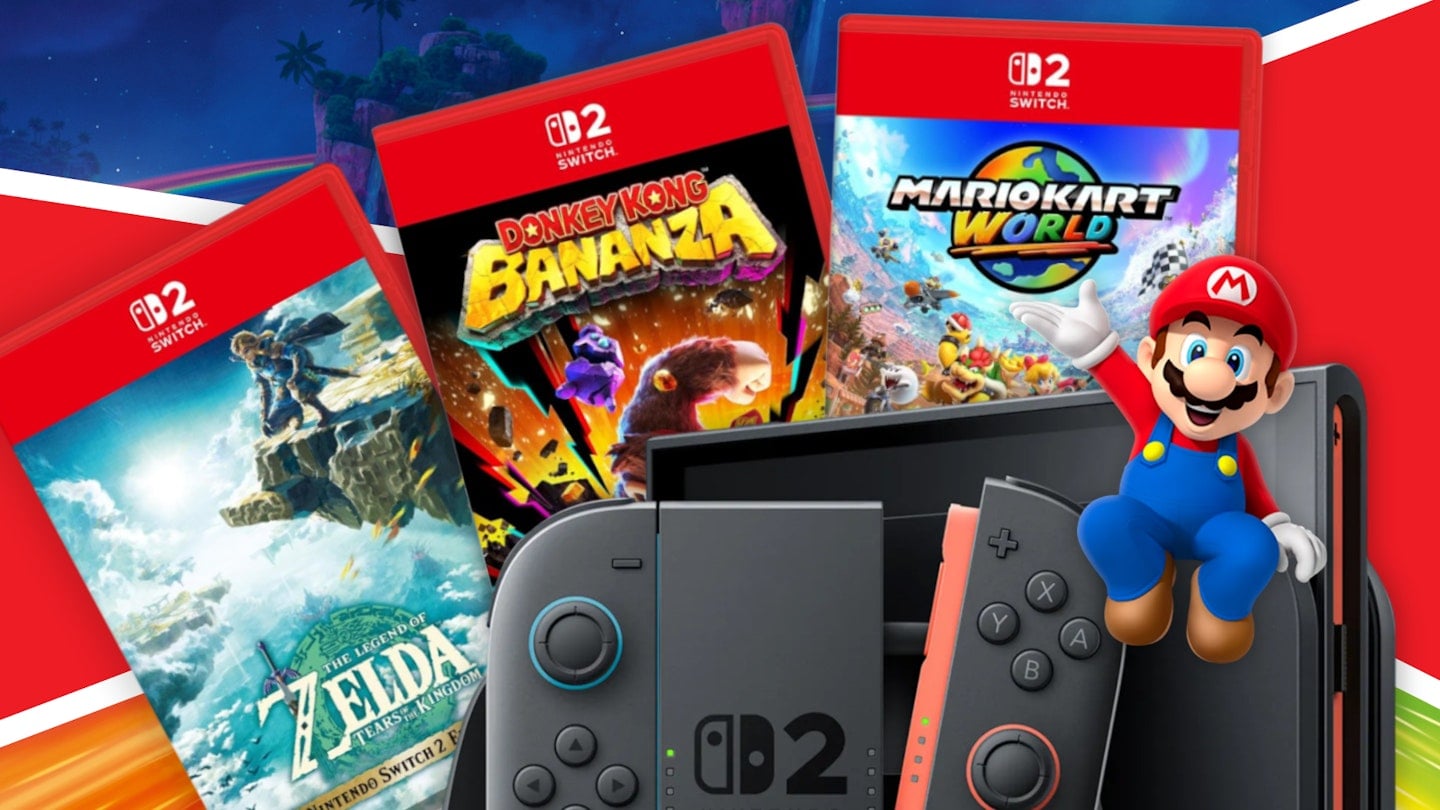
Nintendo has moved to clear up confusion around Nintendo Switch 2 game pricing in the United States, and the core message is simpler than some early reactions made it sound. Physical games are not becoming more expensive under this change. Instead, Nintendo says digital versions of new Nintendo-published games exclusive to Switch 2 will carry a lower MSRP than their physical counterparts. That distinction matters because it shifts the conversation away from a price hike narrative and toward a format-based pricing model. For players who saw the initial chatter and feared that boxed copies were about to jump across the board, the clarification changes the tone immediately.
The reason Nintendo gives is straightforward. Packaged and digital versions offer the same experience, but they do not come with the same production and distribution costs. A physical copy has manufacturing, packaging, shipping, retail handling, and the usual store-side realities attached to it. A digital copy skips several of those steps. Nintendo is now reflecting that gap more clearly in MSRP for certain games, starting in May 2026. Even then, there is an important wrinkle. Retail partners still set their own actual selling prices, which means what you pay in the wild may not always match the suggested price on paper.
This makes the update interesting for more than one reason. Physical collectors may feel relieved that Nintendo is not formally pushing boxed game prices higher. Digital buyers, meanwhile, may feel this change is simply common sense arriving a little late. The early example tied to the rollout, Yoshi and the Mysterious Book, helps show how Nintendo intends to present the policy. More importantly, it hints at how future Nintendo-published Switch 2 exclusives could be handled. The result is a pricing shift that feels small at first glance, yet says quite a lot about how Nintendo wants players to think about value, format choice, and the difference between suggested price and the number that actually stares back at you from a store page.
Nintendo clarifies the change for Switch 2 game prices
Nintendo has now made its position much clearer, and that matters because the first wave of reactions was noisy for a reason. Whenever a platform holder talks about game prices, players brace themselves like someone hearing a suspicious creak in the attic at midnight. The worry is immediate. Is this a stealth increase? Is this the moment another standard price jumps higher? In this case, Nintendo’s clarification cuts through that tension. The company says the cost of physical games is not going up. What is changing is the MSRP for digital versions of new Nintendo-published games that are exclusive to Nintendo Switch 2 in the U.S. Those digital versions will be set lower than their physical counterparts. That is an important difference because it places the adjustment on the digital side of the equation, not on the physical one. It also tells us Nintendo wanted to stop the conversation from drifting toward the idea that boxed releases were being pushed into a new, more expensive baseline. That is not the message the company wants attached to this move, and based on its wording, that is not what it says is happening.
Physical game prices are staying where they are
For physical buyers, this is the line that matters most. Nintendo is not framing this as a rise in the cost of boxed games. That means players who prefer cartridges, shelves, cases, and the small joy of actually holding what they bought do not need to read this update as a direct shot across the bow. That is significant because physical buyers have spent years feeling like the ground under them shifts every few months. One week it is limited print anxiety, the next it is stock shortages, and after that it is a debate about whether digital convenience is slowly squeezing boxed releases into a niche corner. Nintendo’s clarification at least steadies the floor a bit. It says the physical price itself is not increasing as part of this specific change. That does not mean every boxed title will feel cheap, and it does not guarantee retailers will never move numbers around. It does mean Nintendo is drawing a line between a digital MSRP adjustment and a physical price hike. For collectors and players who simply like owning a tangible copy, that distinction is not a technical footnote. It is the entire story.
Why digital Switch 2 games are getting a lower MSRP
Nintendo’s reasoning is practical rather than dramatic, and honestly, it is the sort of explanation most players can understand in about three seconds. Physical and digital versions may deliver the same game, but they do not travel to the customer in the same way. One needs packaging, manufacturing, shipping, warehousing, and coordination with retail distribution. The other appears on your system after a purchase and a download. Put simply, one has more moving parts, and moving parts cost money. Nintendo says the new pricing reflects those different production and distribution costs while giving players more choice in how they buy and play. That explanation will sound obvious to some people because, frankly, it is obvious. Plenty of players have wondered for years why digital storefronts often did not more clearly reflect the lower overhead compared with physical releases. So this move may not feel radical. It may feel overdue. Even so, what matters here is not whether the logic is surprising. What matters is that Nintendo has now chosen to apply it more openly to new Nintendo-published Switch 2 exclusives in the U.S., and that creates a clearer split between the two formats than before.
What MSRP actually means for buyers at checkout
This is where a lot of confusion tends to creep in, because MSRP sounds authoritative even though it is not always the final word. MSRP is the manufacturer’s suggested retail price. Suggested is doing a lot of heavy lifting in that sentence. It gives you the intended baseline from the publisher, but it does not mean every store must obey it like it is carved into stone. Think of it as the starting whistle, not the final score. Nintendo can set the suggested price for its digital releases when it sells them directly, and it can establish a reference point for physical releases too, but what you actually see at checkout can still vary depending on where you shop. That matters because some players will look at the headline and assume every store will display the same exact physical and digital difference. Real life is messier than that. Promotions happen. Retail competition happens. Regional patterns happen. So while the MSRP tells us Nintendo’s intention, the practical buying experience can still have a few extra wrinkles.
Retail partners still control the final shelf price
Nintendo’s wording leaves no mystery here. Retail partners set their own prices for physical and digital games, and pricing may vary by title. That means the company is clarifying its own stance without pretending it controls every store listing a player may run into. In other words, Nintendo can sketch the map, but retailers still decide some of the turns you take. This matters because players do not buy games in a vacuum. They compare stores, watch for preorder discounts, use loyalty points, wait for promotions, and sometimes stumble into a lower price because one shop wants to outmuscle another. So while the new policy explains the official direction, it does not lock the whole market into a neat little box. That is especially relevant for physical copies, where retail competition can sometimes soften what looks steep on paper. It is also relevant for digital sales run by third parties, where pricing can occasionally shift in ways players do not expect. The smart way to read Nintendo’s message is as a company-level clarification, not as a promise that every checkout screen in America will now look identical.
Why this matters for collectors and physical buyers
Physical buyers are often painted as stubborn romantics, as if they sit in candlelight polishing game cases and whispering about manuals from 2004. To be fair, some probably do, and there is no shame in that. Still, the preference for physical goes beyond nostalgia. A boxed copy can be displayed, traded, resold, gifted, borrowed, and kept long after storefront design trends come and go. It feels like ownership in a more visible, concrete way. That is why Nintendo’s clarification lands as a relief for this part of the audience. If digital were simply staying the same while physical jumped higher, the update would have felt like a much sharper nudge away from cartridges. Instead, Nintendo is saying physical is holding its position while digital is being priced lower in certain cases. That is still a meaningful difference, and some physical-first players will dislike the symbolism of it. Yet it is very different from being told that the boxed version itself is being pushed into a fresh price tier. For collectors, that difference is the gap between irritation and full-blown alarm.
Why digital buyers may see the update as overdue
From the digital side, the reaction is likely to be simpler. Many players will look at this and think, yes, that makes sense, what took so long. Digital storefronts remove several costs tied to physical releases, so the idea that digital versions should sometimes be cheaper has always had a certain common-sense appeal. For those players, Nintendo’s change feels less like a revolution and more like the company finally acknowledging something that was obvious in the room all along. There is also a convenience factor that digital buyers already value. Instant access, no cartridge swapping, no shelf space, and easy library management all add to the appeal. When a lower MSRP joins that list, digital becomes even easier to justify. Of course, digital still comes with trade-offs tied to storage, platform ecosystems, and the lack of resale. But that has always been the bargain, hasn’t it? You trade the physical object for speed and convenience. Now Nintendo is sweetening that trade a little more clearly for certain Switch 2 exclusives.
What Yoshi and the Mysterious Book tells us about the rollout
The first real example often tells you more than the announcement itself, and that is true here. Nintendo says this pricing approach begins in May 2026, starting with preorders for Yoshi and the Mysterious Book. That makes Yoshi less of a random side note and more of a signpost. It shows where the policy starts, how Nintendo plans to communicate it, and what players can expect to look for when future exclusives appear. Launching the change with a family-friendly first-party release is also a neat way to make the message feel calm rather than confrontational. Yoshi is not exactly the mascot of chaos. Nobody reads a Yoshi listing and expects a corporate knife fight. So as a rollout example, it works. It lets Nintendo demonstrate the new pricing structure without wrapping it around a louder, more combustible release. For observers trying to understand whether this is a one-off or a broader direction, Yoshi serves as the first breadcrumb, and it is one worth paying attention to.
What this could mean for future Nintendo-published exclusives
Based on Nintendo’s wording, this is not being positioned as a special exception for a single title. It is framed around new Nintendo-published digital titles exclusive to Switch 2 in the U.S., which suggests a broader policy direction for that category moving forward. That does not mean every game will land with the exact same gap between formats, and it does not mean players can assume details before Nintendo reveals them. What it does mean is that the company has drawn a new pricing philosophy into public view. For future Nintendo-published exclusives, players may now expect digital MSRP to sit below physical more often than before. That expectation alone changes how people read reveal trailers, preorder pages, and store listings. It also adds one more layer to the familiar question of how Nintendo defines value in the Switch 2 era. Some players will focus on convenience, others on collectability, and others on plain old cost. This new structure gives each of those groups a slightly different reason to pay attention.
What Nintendo’s message does and does not say
It helps to separate the confirmed details from the assumptions trying to sneak in through the side door. Nintendo’s message does say that physical game prices are not going up as part of this change. It does say that new Nintendo-published digital Switch 2 exclusives in the U.S. will have a lower MSRP than physical versions. It does say that retail partners still set their own prices, which means actual selling prices can vary. What it does not say is that every future game will follow one fixed formula without exception. It also does not say that a store cannot discount a physical copy more aggressively than expected or that the practical difference between formats will always feel the same to every buyer. That is why the smartest reading is also the calmest one. Nintendo has clarified the direction, but it has not turned the market into a machine with only one lever. The broad takeaway is clear. The fine print of how each release lands will still matter, and players will still need to look at each listing with open eyes rather than autopilot.
Conclusion
Nintendo’s clarification takes a story that briefly felt murky and turns it into something far more straightforward. Physical Switch 2 game prices are not being raised under this policy. Instead, Nintendo is lowering the MSRP for certain digital releases, beginning with new Nintendo-published exclusives in the U.S. from May 2026 onward. That may sound like a modest shift, but it carries real weight because it changes how players interpret the balance between physical and digital buying. Physical fans get reassurance that boxed copies are not being pushed upward by this announcement. Digital buyers get a pricing model that better reflects the lower overhead of digital distribution. Meanwhile, retailers still retain the freedom to shape the final number players see when they shop. Put it all together, and the update feels less like a dramatic industry shock and more like Nintendo adjusting the pricing language around format in a clearer, more deliberate way.
FAQs
- Is Nintendo increasing the price of physical Switch 2 games?
- No. Nintendo’s clarification says the cost of physical games is not going up under this pricing change.
- Why are digital Switch 2 games getting a lower MSRP?
- Nintendo says the difference reflects the costs associated with producing and distributing physical and digital formats.
- Will every store charge the same price for physical and digital games?
- No. Nintendo says retail partners set their own prices, so the final selling price can vary by store and by title.
- When does this pricing policy begin?
- Nintendo says the change begins in May 2026, starting with preorders for Yoshi and the Mysterious Book in the U.S.
- Does this apply to all Nintendo Switch 2 games?
- Nintendo specifically refers to new Nintendo-published digital titles that are exclusive to Nintendo Switch 2 in the U.S., so players should watch each game listing for exact details.
Sources
- About Nintendo Switch 2 Game Pricing, Nintendo, March 25, 2026
- Nintendo Maintains Nintendo Switch 2 Pricing, Retail Pre-Orders to Begin April 24 in U.S., Nintendo, April 18, 2025
- Yoshi and the Mysterious Book, Nintendo, March 2026
- Nintendo confirms the cost of physical Switch 2 games ‘is not going up’ after announcing digital titles will cost less than physical versions in the US, TechRadar, March 26, 2026
- Nintendo says “the cost of physical games is not going up” in the US, digital Switch 2 games are getting cheaper, instead, GamesRadar+, March 26, 2026