














Summary:
Gaming aficionados everywhere are buzzing about the possibility of two highly anticipated developments: a new iteration of Nintendo’s popular console and Rockstar’s latest chapter in a renowned open-world series. Many enthusiasts believe fresh hardware can reignite passion among players, while others see game releases like Grand Theft Auto 6 as massive catalysts for renewed excitement and industry evolution. These forces could converge to create a pivotal moment in entertainment, offering a spike in consumer spending that surpasses previous records. There is a sense of unity among individuals, all hoping for a revival of the growth once seen in past years. That optimism stems from a longing for groundbreaking experiences and fresh ways to play, especially as gaming becomes a more essential part of daily routines. Those who track these trends professionally, such as seasoned analysts, predict that pent-up demand and brand recognition will work hand in hand to spark dynamic changes. Hardware advancements can pique curiosity, and when paired with a blockbuster title, they could usher in a new era of unprecedented engagement. Alongside this, economic factors, technological shifts, and a continuous hunger for entertainment are converging to set the stage for significant evolution in how we interact with games. By linking consumers’ eagerness for the latest releases with innovative console features, this synergy could offer a genuine turning point in an ever-shifting market.
The Ever Evolving Gaming Landscape
We find ourselves at a crossroads in the gaming world, where anticipation rises alongside speculation about new consoles and blockbuster titles. The community has witnessed technological leaps and cultural shifts that have shaped how and why people interact with games. Over the last decade, players have gravitated to interactive experiences that deliver more than just static entertainment, embracing virtual adventures that blend storytelling, competitive play, and social elements. It’s a space that pushes boundaries, evolving with each hardware generation and each groundbreaking release. Some observers say gaming is no longer just a pastime—it’s a lifestyle choice that brings people together and fuels thriving online communities.
Gamers now expect more than incremental updates. They crave transformative experiences featuring cutting-edge graphics, immersive gameplay, and online connectivity that fosters genuine camaraderie. In this environment, new console launches and high-profile game debuts naturally command attention. They promise to break molds, surpass benchmarks, and satisfy long-standing demand for innovation. For anyone who’s been watching the industry, the excitement is palpable, tinged with curiosity about how upcoming releases might redefine the landscape. This outlook shapes the decisions of investors, developers, and publishing giants, all aiming to cater to a diverse audience eager for novelty.
Mat Piscatella’s Insights on Market Dynamics
Mat Piscatella, associated with a prominent sales tracking organization, has built a reputation for forecasting trends and offering insights into what drives consumer behavior. He dissects sales data to see how emerging releases influence spending habits, which makes his voice particularly resonant whenever significant announcements loom on the horizon. As he monitors ongoing developments, Piscatella points to an environment that is ripe for renewed energy. He emphasizes that big-ticket products—like potential next-gen consoles or highly awaited franchises—can shift the entire market’s momentum.
The heart of his perspective lies in the possibility that consumer enthusiasm for something truly new and innovative might inspire fresh waves of investment. When players collectively gravitate toward a game or console, it isn’t just the hardware and software companies that benefit. Ancillary markets, such as peripherals, merchandise, and streaming services, also ride that wave. In short, Piscatella sees a scenario where coordinated launches of new systems and landmark titles could jolt the industry, prompting it to surpass certain spending benchmarks and inject vigor into what some see as a stagnant cycle.
The Possible Launch of Nintendo Switch 2
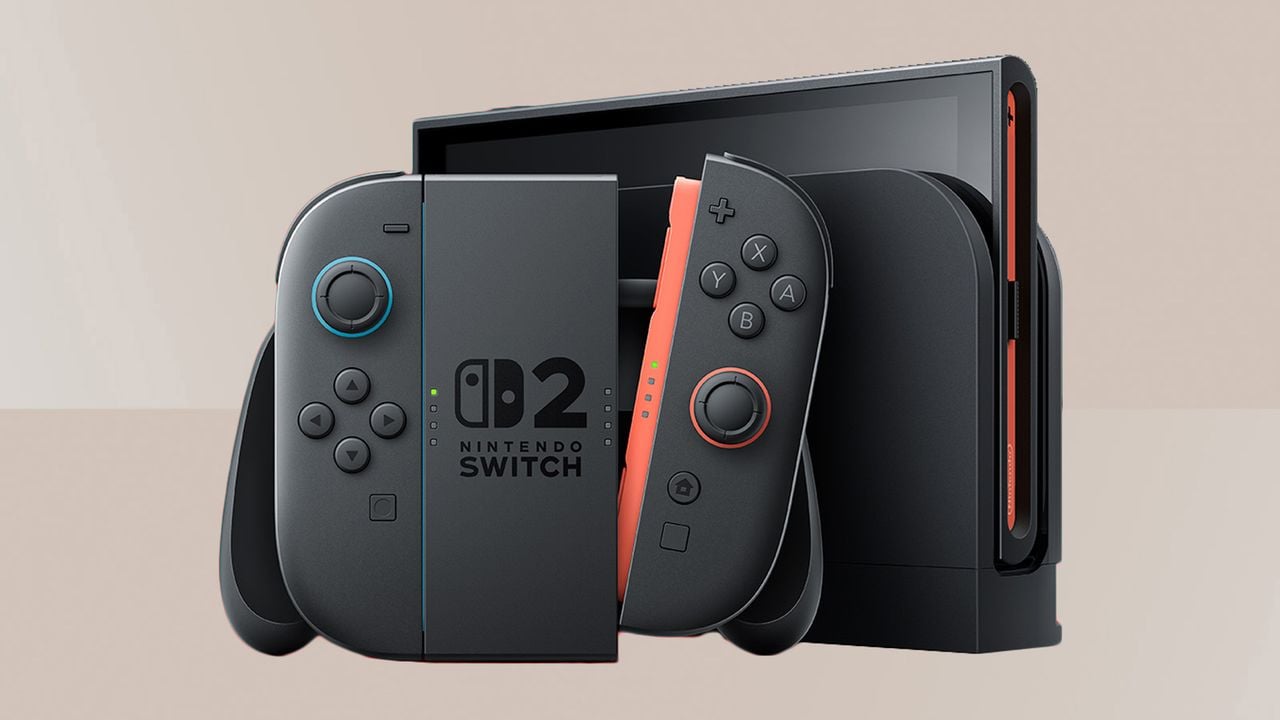
It’s tough to ignore the chatter about a successor to the Nintendo Switch. If there’s one brand that has consistently surprised gamers, it’s Nintendo. Past hardware reveals managed to captivate a worldwide audience, showcasing how creativity and simplicity can be combined to produce experiences that resonate with families, casual fans, and dedicated players alike. A potential new system—referred to as “Switch 2” by many—has garnered buzz for its rumored features and the possibility of bridging gaps in performance or functionality that some players have long hoped to see.
This speculation isn’t merely about new hardware specs. It’s also about how Nintendo might pivot or refine its design ethos. Could a new model transform handheld-console hybrid gaming? Might it integrate fresh network features, augmented reality, or other unexpected innovations? Such questions fuel imagination as fans envision a device that honors the flexible nature of the original Switch while elevating performance to match modern standards. If these rumors hold water, industry experts like Piscatella predict a flurry of investment, ultimately pulling the market out of any malaise and guiding it toward an era of improved revenues and a broader base of engaged consumers.
Analyzing the Potential Impact of Grand Theft Auto 6
Alongside speculation about next-gen hardware, another giant looms on the horizon: Grand Theft Auto 6. Rockstar Games has a history of delivering blockbuster experiences that extend far beyond initial release windows. Their titles become cultural phenomena, spurring discussion, creating viral moments, and often setting new benchmarks for how open-world design can be executed. This series, in particular, has always been a bellwether for sales and consumer engagement, drawing in longtime fans while captivating new audiences.
The excitement around the next installment is linked to the series’ pedigree and how each new entry significantly advances technology and narrative scope. We’ve seen entire worlds come to life, replete with side activities, compelling characters, and robust online features that keep communities engaged for years. If Rockstar maintains its track record, GTA 6 could shatter sales records and solidify the industry’s upward trajectory in a single stroke. There’s also the chance that major hardware updates coincide with the game’s release, creating a synergy that amplifies consumer spending and sets the stage for lasting growth.
Financial Projections and Spending Trends
When you pair potentially groundbreaking hardware with a blockbuster release, conversations about expenditure naturally follow. Analysts like Piscatella see a future where players, eager to experience these new titles in optimal form, might upgrade their systems or return to gaming in a way they haven’t for years. This enthusiasm can be contagious: once some begin investing in the latest consoles, others follow suit to stay abreast of the community they game with. The resulting pattern is a concentrated burst of spending that reignites market interest, with benefits trickling to retailers, hardware makers, and game publishers.
The sheer volume of possible purchases—ranging from consoles and big-name titles to additional controllers and online subscriptions—means the overall ecosystem stands to grow. Financial experts believe that even a few percentage points of growth at this scale can result in record-breaking numbers. That’s because these few points reflect millions of buyers, each potentially influencing a network of friends and family. If the momentum sustains, the industry might surpass the heights reached in 2021, a time widely recalled for near-unprecedented engagement, partly spurred by broader global circumstances.
Revisiting the 2021 Peak
The year 2021 marked a notable high in gaming sales. Multiple factors contributed to that surge. Not only were people spending more time at home, but developers also began capitalizing on advanced hardware capabilities. Titles offered deeper immersion, while digital storefronts flourished, making it easier for users to access the latest games from the comfort of their living rooms. However, some speculated whether that impressive performance was an anomaly. Could it be replicated or even surpassed?
This is where upcoming releases and platform advancements step into the spotlight. The thought of exceeding that level of market engagement is no longer reserved for idealists. Both analysts and fans foresee a convergence of factors—high-profile reveals, rumored technical upgrades, and a renewed collective hunger for escapism—that could restore industry momentum to an even higher echelon. A fresh console generation, combined with a game as massive as GTA 6, might prove the key to unlocking a renewed golden age in interactive entertainment.
Switch 2 Rumors: What Could Drive Industry Growth
Nintendo has long been revered for its ability to deliver playful, family-friendly experiences without sacrificing depth. The mention of a follow-up to the widely successful Switch is, thus, a natural magnet for speculation. Rumors swirling around this potential successor include improved graphics, better battery life, and possibly new ways to interact with games on the go. As these whispers spread, fans and market watchers ask themselves: does a new piece of hardware have the potential to break boundaries all over again?
The Switch introduced the possibility of seamless gaming experiences between docked consoles and handheld sessions, a feature that resonated with travelers, students, and busy professionals. For a sequel system to move the needle further, it might integrate advanced networking that fosters online communities more effectively. Imagine jumping from your living room screen to a handheld mode in an instant, all while staying connected to a global community of friends sharing real-time achievements. The capacity to deliver that sense of freedom and spontaneity could prove irresistible, driving both initial console purchases and ongoing engagement for years to come.
How Consumer Excitement Fuels Investment
When the hype machine starts churning, it ignites more than consumer anticipation: it sparks broader confidence from investors. If a sizable portion of the public shows an appetite for upcoming releases, financial backers often see it as a signal to pour resources into publishers, developers, and hardware manufacturers. This influx of capital can expand marketing budgets, speed up production timelines, and encourage risk-taking in game design. That cyclical effect helps the market continually reinvent itself, offering fresh experiences that can capture players’ hearts and wallets anew.
Additionally, there’s a psychological aspect to consider. Excitement breeds more excitement. Watching a sibling, a roommate, or a colleague immerse themselves in a new console or game can trigger a form of social validation, prompting others to follow suit so they don’t miss out on the conversation or shared experiences. Ultimately, the momentum becomes self-sustaining, elevating sales figures while fostering a competitive drive among various industry stakeholders to unveil their own attention-grabbing innovations.
Nintendo’s Influence on Market Shifts
Nintendo famously operates on its own rhythm, often diverging from the hardware arms race that other competitors engage in. Instead of fixating on raw power or hyper-realistic graphics, they tend to highlight accessibility, imaginative design, and iconic franchises. This creative identity has birthed phenomena like motion-controlled gaming and hybrid console-portable devices. By choosing to chart their own course, Nintendo shapes trends in a way that keeps the market vibrant. Competitors respond, seeking to carve out a niche or outshine Nintendo’s strategies, all of which contribute to an ever-shifting environment for the gaming public.
A hypothetical “Switch 2” unveiling could prompt a chain reaction. Rival companies might accelerate their own release schedules or double down on existing hardware lines to stay in the conversation. Publishers would be more eager to produce titles for the new device, broadening the software library that ultimately defines a console’s long-term success. Collectively, these actions raise awareness and spark new reasons for players to invest not just in hardware but in the ecosystem around it—think online subscriptions, game expansions, and even novel accessories to enhance gameplay experiences.
Brand Loyalty and the Future of Gaming
The interplay of brand loyalty and technological leaps often determines how receptive the broader population is to new products. If fans have historically enjoyed a company’s offerings, they might be more willing to line up for whatever comes next, even if it’s still shrouded in secrecy. Nintendo’s track record of releasing enduring classics fosters a sense of trust that could bridge the gap between speculation and purchase. Similarly, the Grand Theft Auto franchise carries its own legacy. Many players have spent years roaming virtual cities, forging memories that make the promise of a new entry inherently tantalizing.
Looking ahead, we can expect the gaming realm to grow more competitive yet more diverse. Cloud streaming, virtual and augmented reality, and cross-platform integration all beckon, suggesting that innovation will continue to come from multiple directions. Still, the anchor points remain: iconic brands, creative design philosophies, and large-scale experiences that capture imaginations worldwide. Whether or not the rumored releases meet lofty hopes, the conversation they generate is enough to spotlight gaming as a medium poised for fresh heights. When high expectations meet proven names, a surge in market activity is practically guaranteed.
Conclusion
We stand on the cusp of change, with some anticipating that the next console iteration and a highly awaited open-world adventure will nudge the gaming industry toward record spending and renewed energy. Observers like Mat Piscatella see a delicate but thrilling balancing act, where consumer eagerness can align with product ingenuity to surpass expectations. The potential for this convergence to revitalize an entire market underscores the significance of a single, massive launch—or the combined momentum of multiple releases. In an age when gamers seek captivating escapades on versatile devices, a well-timed hardware and software combo can do more than just drive sales—it can redefine cultural moments. Whether these speculations fully materialize or evolve in ways we can’t yet foresee, the hype circling a new Nintendo console and the next Grand Theft Auto has already set the stage for what could be a transformative period in interactive entertainment.
Frequently Asked Questions
- Q: Will a new Nintendo console really cause a surge in gaming sales?
- A: Industry analysts believe that a long-anticipated device often reinvigorates excitement and encourages spending, particularly if it delivers features fans crave.
- Q: Why are experts so confident in GTA 6’s potential impact?
- A: Grand Theft Auto is known for breaking sales records and shaping gaming culture, so a new installment tends to capture worldwide attention and stimulate purchases.
- Q: Could this new wave of releases surpass the peak from 2021?
- A: Many suggest that the right combination of high-profile games and innovative hardware could exceed previous records, bolstering revenue and industry engagement.
- Q: How does brand loyalty influence major launches?
- A: Brand loyalty means fans are more inclined to trust and adopt new releases from companies they value, generating stronger initial sales and positive word-of-mouth.
- Q: What role do rumors and speculation play in driving investment?
- A: Hype can encourage investors to back projects, creating a cycle where greater resources lead to more innovative products that attract wider audiences.
Sources
- Grand Theft Auto VI set to break records despite gaming slowdown, Financial Times, January 2025
- Everything we know (and think we know) about the Nintendo Switch 2, The Verge, January 11, 2025
- Nintendo Switch 2 Release Date Window, Size, Games, Price, GameSpot, February 2025
- All the new video games launching in 2025, Polygon, February 14, 2025
- Nintendo Switch 2: what we know about the next-generation system, TechRadar, February 2025