














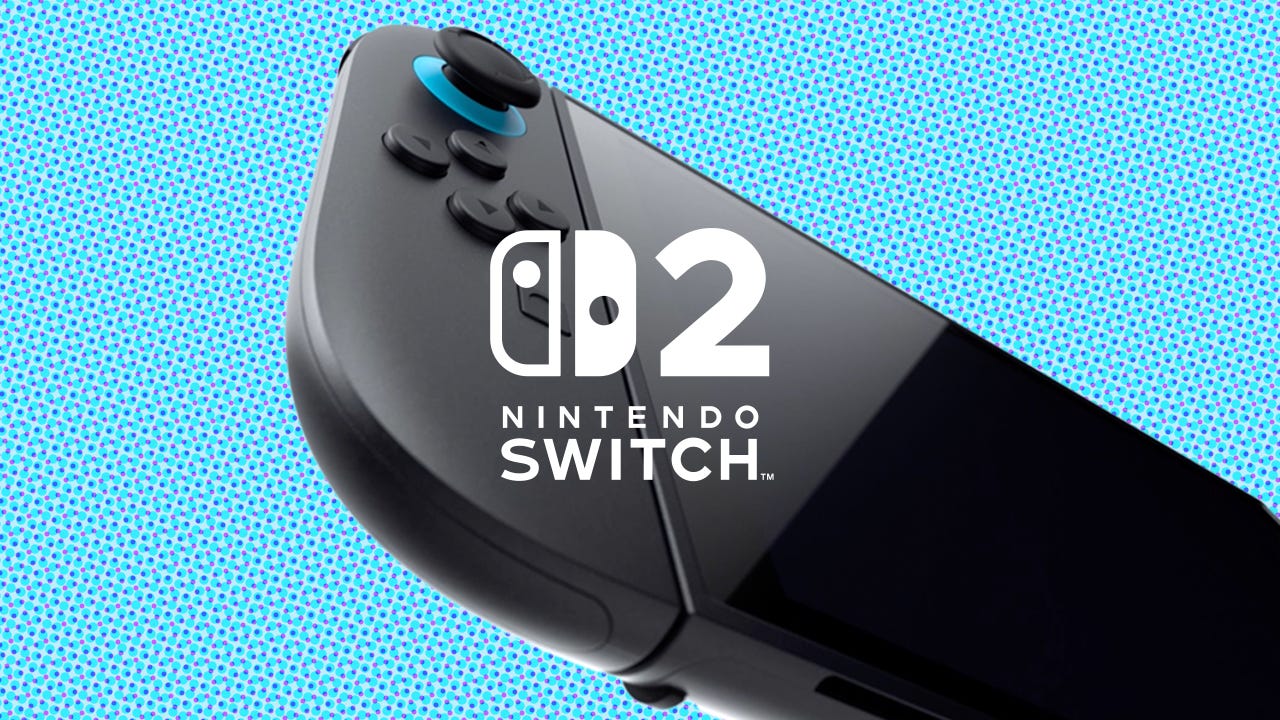
Summary:
A new report has sparked fresh discussion around Nintendo’s hardware plans by claiming the company is preparing a Nintendo Switch 2 revision with a replaceable battery for the European market. If that proves accurate, the move would line up with European rules that push electronics makers toward longer-lasting, easier-to-repair devices. It would also mark a meaningful shift in how Nintendo approaches one of the most frustrating parts of modern handheld ownership: battery wear. Anyone who has owned a portable system long enough knows the story. The battery starts strong, then little by little it loses stamina, until a once-reliable handheld begins to feel like it needs a charger attached at all times. A design that lets users replace that battery more easily could change the equation.
The idea matters for more than convenience. It touches repair costs, product lifespan, resale value, and the broader question of whether game hardware should be built to last or quietly nudged toward replacement. For European buyers, it could make Switch 2 ownership more practical over the long haul. For Nintendo, it could be a sign that regional regulation is starting to shape hardware design in very visible ways. At the same time, caution is still necessary. The report points to a possible revision, not a fully announced retail product with a launch date, pricing, or confirmed global rollout. That distinction matters. Still, even at this stage, the reported change is worth watching closely because it speaks to where portable gaming hardware may be headed next: less sealed off, less disposable, and a little more owner-friendly than what many players have come to expect.
What the reported Nintendo Switch 2 revision says
The reported change centers on a Nintendo Switch 2 revision designed to make battery replacement easier for consumers, especially in Europe. That matters because the current conversation is not about a brand-new generation already replacing Switch 2, but about a revised version of the same platform that could be adjusted to meet regulatory and consumer expectations. In practical terms, the claim suggests Nintendo may alter the internal design so owners can swap the battery more easily instead of treating it like a sealed component best left buried behind adhesives and repair shop invoices. For players, that is the difference between a system that ages gracefully and one that slowly turns into a wall-hugging handheld. The reported reason behind the change is just as important as the hardware itself. This would not simply be Nintendo waking up one morning and deciding to be nice. It would be a response to European rules and a wider push for repair-friendly electronics. That gives the report weight, because it fits a broader market trend rather than sounding like a random feature rumor thrown into the wind.
Why a replaceable battery matters for Switch 2 owners
A replaceable battery sounds like a small feature until you actually live with a handheld for several years. Then it becomes one of the most important parts of the whole experience. Batteries are consumable by nature. They wear down, lose capacity, and eventually stop performing the way they did when the system was fresh out of the box. That decline can turn longer sessions into a constant hunt for an outlet, and nobody buys a portable gaming system because they dream of staying tethered to the wall like a vacuum cleaner. If Nintendo makes battery replacement easier, owners could keep the same system running well for far longer without the stress of complicated repairs. It also lowers the fear of long-term ownership. People are generally more willing to invest in expensive hardware when they believe it can be maintained instead of discarded. For families, collectors, and regular players alike, a replaceable battery is not just a technical detail. It is reassurance. It tells buyers the machine may still be worth using years from now, even after countless recharges and late-night gaming marathons.
How EU battery rules are shaping hardware decisions
The European Union has been moving toward stricter standards for sustainability, repairability, and battery access in consumer electronics, and that backdrop gives this reported revision real context. These rules are not aimed at gaming alone. They are part of a larger effort to make devices easier to maintain, less wasteful, and less dependent on sealed-in components that shorten useful lifespan. For a company like Nintendo, that means regional policy can influence real hardware design choices. That is a big deal because platform holders tend to prefer uniform global hardware when possible. Creating a separate revision or altering a design for compliance is not something a company does for decoration. It is the kind of move that happens when the regulatory pressure is strong enough to matter. In that sense, the reported Switch 2 revision is about more than one battery. It reflects a broader collision between modern electronics design and a growing expectation that consumers should be able to maintain the products they buy. Europe is not just setting rules on paper here. It may be changing how future gaming hardware is built from the inside out.
What right to repair means in practical terms
Right to repair can sound abstract until you translate it into everyday ownership. In simple terms, it means products should be designed in a way that does not turn basic maintenance into an obstacle course. For Switch 2 owners, that could mean a battery that is accessible without excessive glue, proprietary nonsense, or a repair process that feels like defusing a bomb with a butter knife. It also suggests clearer instructions, a more sensible path to replacement parts, and less dependence on sending hardware away for routine maintenance. That is where the practical value really kicks in. A battery is not a luxury upgrade. It is one of the most predictable points of wear in any portable device. If the owner can replace it more easily, the system becomes less fragile as a long-term purchase. It may also create a healthier repair ecosystem around the device, whether through official service channels, independent repair shops, or careful users who simply want to keep their hardware alive. In short, right to repair turns ownership into ownership again, rather than a long rental agreement with a screwdriver-shaped gatekeeper.
Why easier battery swaps could extend the system’s life
One of the biggest advantages of a replaceable battery is simple: it keeps the system useful for longer. That might sound obvious, but it has major knock-on effects. Portable systems often feel outdated not because the processor suddenly becomes hopeless, but because the battery no longer supports real portable use. A device can still run games perfectly well and yet feel half-retired because it drains too fast, charges poorly, or becomes unreliable on the go. A battery-friendly revision could help Switch 2 avoid that fate for many owners. Instead of seeing battery degradation as the beginning of the end, users could treat it as routine maintenance, like replacing worn tires on a good car. The hardware remains the same core machine, just refreshed where it counts. That helps casual players, dedicated fans, and second-hand buyers alike. It also reduces unnecessary waste, because a failing battery would no longer push otherwise functional hardware closer to the drawer of forgotten gadgets. For a system expected to have a long life, that kind of design choice could pay off in a very real way.
How this could change repair costs and consumer confidence
Repair costs shape buying confidence more than many companies like to admit. When consumers believe a device will be expensive or awkward to fix, they start treating it like something fragile and temporary. That is bad for trust. A replaceable battery revision could soften that problem for Switch 2 by making one of the most common long-term repair needs easier and potentially cheaper to handle. Even users who never open their own devices may feel better knowing that battery service could become more straightforward. That confidence matters at purchase, years later during ownership, and again when it is time to resell or pass the system on. It changes the emotional math. Instead of thinking, “I hope this thing survives,” owners may think, “Even if the battery fades, I’ve got options.” That is a healthier relationship between customer and hardware. It also makes the platform look more future-proof. In a market where players are spending serious money on consoles, accessories, storage, and software, that sense of durability is not a minor bonus. It is part of the value proposition, and it could make the revised model especially attractive in regions where repair rights are becoming a bigger part of buying decisions.
Whether this revision could expand beyond Europe
Europe may be the immediate reason for the reported redesign, but it is fair to wonder whether Nintendo would really stop there. Companies often prefer a cleaner global strategy when a hardware change makes sense operationally, financially, or from a public image standpoint. If a replaceable battery revision is already being developed for one major region, the door opens to a wider rollout, especially if consumer response is positive. That said, there is no firm confirmation that Nintendo plans to release the same version everywhere right away. Regional differences in compliance, production, and sales strategy can keep companies from flipping a global switch overnight. Still, the logic for broader expansion is easy to see. A repair-friendly Switch 2 would not only satisfy European expectations, it could appeal to buyers in Japan, the United States, and elsewhere who are increasingly aware of hardware longevity and repair rights. If public pressure rises and the revised design proves workable, Nintendo may decide that keeping one friendlier hardware standard is easier than explaining why some players get the better version while others are stuck with the sealed one.
What it may signal about Nintendo’s long-term hardware plans
If this reported revision becomes real, it could hint at something larger than a regional compliance tweak. It may suggest Nintendo understands that portable hardware now lives under different expectations than it did years ago. Consumers are paying closer attention to repairability, regulators are asking tougher questions, and the old approach of sealing everything shut is looking less comfortable by the year. A replaceable battery model would show Nintendo adapting to that reality instead of pretending it can glide past it forever. That does not automatically mean every future Nintendo device will become a repair lover’s dream, complete with angelic choirs and easy tabs on every component. But it would be a meaningful step. It could influence how future revisions, accessories, and even successor systems are designed. Once a company changes course in one visible way, it becomes harder to argue that such changes are impossible. In that sense, the Switch 2 revision could be a test balloon for a more serviceable hardware future, one where longevity becomes part of the design conversation rather than an afterthought waiting for customer complaints.
Why the report should still be treated carefully
As promising as this sounds, caution is still the smart approach. The key point is that this is reported information, not a fully detailed Nintendo announcement with final hardware specifications, launch plans, and regional availability laid out in black and white. That distinction matters because hardware plans can shift, launch timing can change, and reported features can arrive in forms that differ from early expectations. Even the phrase “replaceable battery” deserves careful reading. There is a meaningful difference between a battery that is truly simple for an owner to swap and one that is technically replaceable with tools but still not especially convenient for the average person. The broad direction may be clear, but the final implementation is what will decide whether this becomes a player-friendly improvement or merely a compliance checkbox with a nicer headline. So yes, the report is noteworthy, and yes, it aligns with the direction of European regulation. But until Nintendo confirms the revision and shows exactly how it works, the most sensible takeaway is cautious interest. Think of it like spotting a promising item on a restaurant menu before the plate reaches the table. It might be excellent, but the tasting comes later.
What this means for players watching the next Switch 2 update
For players, the biggest takeaway is that repairability is becoming part of the Switch 2 conversation in a way that feels concrete rather than theoretical. Even if you are not planning to open a console yourself, a reported battery-friendly revision signals that long-term usability is now on the radar. That matters because portable gaming systems are not short-term toys for many buyers. They are daily devices, travel companions, family machines, and often years-long investments. If Nintendo moves toward easier battery replacement, it could improve confidence around buying into the platform for the long haul. It may also nudge the wider industry, because once one major handheld platform is pressured into a more repair-aware design, others cannot pretend the issue is invisible. For now, players should keep an eye on official confirmation and on how Nintendo explains the revision if it becomes formal. The details will matter. But even at this stage, the reported change feels like more than a footnote. It suggests that the future of portable hardware may involve a little less sealing, a little more sense, and a better chance that the device you buy today will still feel worth keeping tomorrow.
Conclusion
The reported Nintendo Switch 2 revision with a replaceable battery stands out because it touches several issues at once: repairability, regulation, long-term value, and consumer trust. If the report proves accurate, European buyers could see a more practical version of Switch 2 that is easier to maintain and potentially cheaper to keep running over time. That would be good news not just for repairs, but for the overall lifespan of the system. At the same time, the report still needs official confirmation, and the final design details will decide how meaningful the change really is. For now, the key point is clear. A more repair-friendly Switch 2 would not be a tiny footnote. It would be a meaningful shift in how Nintendo approaches handheld ownership in a market that increasingly expects devices to last longer and waste less.
FAQs
- Is Nintendo confirmed to be releasing a replaceable battery Switch 2 model?
- No official Nintendo announcement has fully confirmed the reported revision yet. The current discussion is based on reporting tied to the European market, so it should be treated as credible but still unconfirmed until Nintendo shares formal details.
- Why is Europe central to this reported Switch 2 revision?
- Europe is central because EU battery and repair rules are pushing manufacturers toward designs that are easier to maintain. That makes the region a likely starting point for any hardware revision focused on battery replaceability.
- Would a replaceable battery make Switch 2 last longer?
- Yes, it likely would. Battery degradation is one of the most common reasons handheld systems become less practical over time, so easier replacement can extend useful life without requiring a full hardware replacement.
- Does replaceable always mean easy for every owner?
- Not necessarily. A battery can be replaceable in a technical sense while still requiring tools and care. The real value will depend on how simple Nintendo makes the process in the final design.
- Could this version launch outside Europe too?
- It is possible, but there is no confirmed global rollout yet. If the revision works well and demand grows in other markets, Nintendo could decide to expand it beyond Europe later on.
Sources
- A new Nintendo Switch 2 could be the poster child for replaceable batteries, The Verge, March 20, 2026
- New law on more sustainable, circular and safe batteries enters into force, European Commission, August 17, 2023
- Regulation (EU) 2023/1542 of the European Parliament and of the Council of 12 July 2023 concerning batteries and waste batteries, EUR-Lex, July 28, 2023
- Batteries, European CommissionMarch 21, 2026
- Europe Might Be Forcing Nintendo To Revise The Switch 2, Nintendo Life, March 20, 2026