














Summary:
Recently, Nintendo Switch 2 owners in PAL territories have found themselves at the center of a frustrating pattern that has quickly become hard to ignore. Players in Europe, Australia, and New Zealand have been comparing store listings and noticing that some owner discounts and free upgrade paths are not appearing the same way they do in Nintendo of America regions. That alone is enough to raise eyebrows, but what has made the situation feel more serious is that it has not been tied to just one release. Yooka-Replaylee became an early flashpoint when the promised owner discount for existing Yooka-Laylee players on Nintendo Switch was not extended across certain regions, with Playtonic explaining that regional store systems did not currently support that type of promotion outside Nintendo of America areas. That explanation may be understandable on a technical level, but for players trying to buy a game they already supported once before, it still lands with a thud.
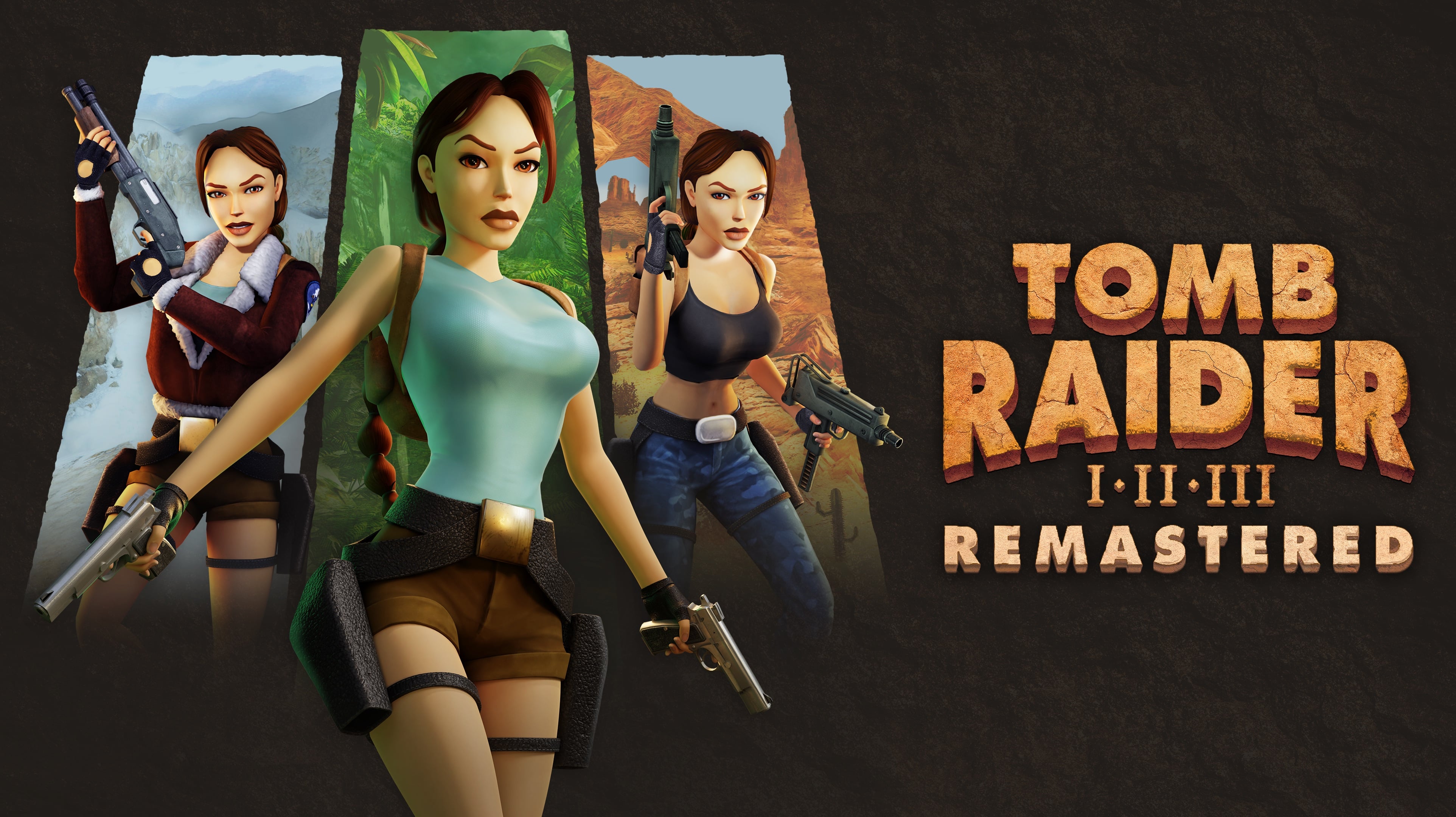
Then Tomb Raider I-III Remastered pushed the issue back into view. The Nintendo Switch 2 version was promoted as a free upgrade for existing Switch owners, yet PAL-region players reported that the upgrade was not available when expected, even while other regions appeared to have access. Later reports indicated that the rollout was phased across regions, which softened the blow a little, but it did not erase the confusion or the sense that PAL users were once again being asked to wait while others moved first. That is the real story here. This is not just about two games. It is about trust, consistency, and the growing expectation that digital ownership should feel the same no matter where you live. When store systems create different outcomes for the same customers, the problem stops feeling small very quickly.
The Nintendo Switch 2 PAL region problem players did not expect
When a new console arrives, players usually worry about the fun stuff first. They think about performance, launch games, frame rates, sharper visuals, and whether old favorites will feel fresh again on stronger hardware. What most people do not expect is a geography lesson buried inside the eShop. Yet that is exactly where many Nintendo Switch 2 owners in PAL territories have found themselves recently. Instead of simply downloading an upgrade or receiving an owner discount, some players have had to compare regions, read community threads, and wonder why the same purchase history seems to count in one store but not another. It is the kind of issue that sounds minor until it happens to you. Then it suddenly feels like you bought a ticket to the same show but got seated behind a pillar.
That frustration has grown because the problem has not stayed isolated. One example can be brushed off as a messy launch hiccup. Two examples begin to look like a pattern. Once Yooka-Replaylee and Tomb Raider I-III Remastered both became part of the conversation, PAL players had reason to ask whether the issue was bigger than any single publisher. That question matters because modern storefronts are supposed to make ownership feel smoother, not stranger. If a player bought a qualifying game and the publisher is offering a discount or a free upgrade, the process should feel automatic. Instead, for some PAL-region owners, it has felt like trying to open a door with the right key only to discover the lock changes depending on which country you live in.
Why PAL territories are suddenly part of the conversation
PAL territories are not a new concept, but the way they still shape digital buying experiences can catch people off guard. For many players, the term sounds like a relic from older hardware generations, back when television standards and regional game releases were much messier than they are now. That is why this latest situation feels so odd. On paper, the industry is more connected than ever. Games launch worldwide, online stores operate around the clock, and digital libraries are treated as long-term investments. In practice, though, the store structure behind those systems can still create regional gaps that feel stuck in another era.
Europe, Australia, and New Zealand are often grouped together in these discussions because they can end up sharing the same broad problem without sharing the same expectations as Nintendo of America customers. A promotion may be technically simple in one store environment and awkward or unsupported in another. That sounds dry and administrative, but the player experience is anything but dry. From the customer side, it feels personal. You supported the original release. You expected the same upgrade path or loyalty discount. Then the price on your screen tells a different story. That is why PAL territories have moved from background detail to the heart of the debate. They are not just side notes in a regional policy document. They are where the unevenness becomes visible.
Yooka-Replaylee set the tone for owner discount frustration
Yooka-Replaylee became one of the clearest early examples because the promise was simple and easy to understand. Existing owners of Yooka-Laylee were told they could receive a 30 percent owner discount on Yooka-Replaylee. That kind of offer makes immediate sense. It rewards early support, gives returning players a reason to jump back in, and creates goodwill around a refreshed release. It is a familiar carrot, and usually a pretty effective one. The trouble came when players in PAL territories realized that the Nintendo Switch 2 version was not treating all regions equally.
That is when the tone shifted from excitement to annoyance. Nobody enjoys hearing that a better deal exists, only not for them. It makes the store feel less like a shared marketplace and more like a patchwork quilt stitched together with different rules on every square. For PAL players, the discount issue was not just about saving money. It was about fairness. If the promotion is meant to reward prior ownership, then location should not be the deciding factor. The whole point of digital ecosystems is that they are supposed to remove friction. In this case, they seemed to create it instead, and players noticed immediately.
What Playtonic actually said about the missing discount
What made the Yooka-Replaylee situation more notable was that there was an official explanation behind it. Playtonic stated in its FAQ that Nintendo Switch 2 players in Nintendo of America regions who own Yooka-Laylee are eligible for an automatic discount, but that regional store systems do not currently support extending the same offer in other regions. That wording matters because it shifts the story away from a vague rumor and toward a specific limitation. The developer did not present it as a choice rooted in preference. It presented it as a store-system constraint.
Even so, an explanation is not the same as satisfaction. From a player’s perspective, the result still stings. Imagine being told the restaurant has your reservation, but only if you entered through a different door. The logic may be real, yet the outcome still feels absurd. That is why the response did little to calm broader concern. In some ways, it made the conversation bigger. Once a publisher openly points to regional system limitations, players begin to wonder how many future promotions might run into the same wall. Suddenly this is no longer a one-off inconvenience. It becomes a warning sign.
Tomb Raider I-III Remastered added fuel to the issue
If Yooka-Replaylee lit the fuse, Tomb Raider I-III Remastered poured more powder on the ground. Aspyr’s Nintendo Switch 2 version was presented as a free upgrade path for existing Nintendo Switch owners, which sounds refreshingly straightforward. Buy once, upgrade later, enjoy the cleaner version on stronger hardware. That is the kind of message players like because it feels generous and clear. But then PAL-region users began reporting that the expected free upgrade was not appearing for them when it was already visible elsewhere. That changed the mood quickly.
The reason this case landed harder is simple. A missing discount is frustrating, but a missing free upgrade tends to feel even more immediate. One is a reduced price that never showed up. The other is access to the newer version itself. When PAL players saw that the upgrade path did not seem to be live on schedule, it made the regional divide feel sharper. There is also a trust factor here. If a publisher says the upgrade is free for existing owners, most people do not mentally add an asterisk that says “depending on your region and rollout timing.” They hear free, they check the store, and they expect the button to be there.
Why the free upgrade confusion hit harder this time
Part of the sting came from the timing. By the time Tomb Raider I-III Remastered entered the picture, players were already primed to be suspicious after the Yooka-Replaylee discount issue. That meant people were quicker to compare regions and quicker to assume that PAL territories were once again getting the short end of the stick. In a vacuum, a phased rollout might have been treated as an annoying delay and little more. In context, it looked like confirmation of an emerging regional problem.
Later reports indicated that the Tomb Raider upgrade was rolling out in phases across regions, and PAL users did eventually begin to see the free download appear. That is important, because accuracy matters here. The issue was not a permanent denial in the same sense as the Yooka-Replaylee owner discount. Still, the fact that it appeared late enough to trigger widespread confusion is meaningful by itself. Digital systems live or die on clarity. If players have to cross-check social posts, community threads, and foreign storefronts to understand whether an advertised upgrade applies to them, the rollout has already become messier than it should have been.
The bigger problem with regional eShop systems
These situations point to a broader weakness in how regional eShop systems handle ownership benefits. Players do not think in backend store logic. They think in simple relationships. I bought the earlier version. The publisher offered a benefit for earlier buyers. Therefore I should get that benefit. Once the store breaks that chain, frustration becomes inevitable. It also creates a strange gap between what publishers want to offer and what regional store structures can reliably support. That is a bad combination, because it leaves everyone slightly annoyed for different reasons.
For customers, it feels inconsistent. For publishers, it can turn a goodwill gesture into a public headache. For Nintendo, it creates a perception problem around the flexibility of its storefronts at exactly the moment Switch 2 should be building confidence. Nobody wins much from that outcome. A loyalty discount should feel like a thank-you note. A free upgrade should feel like a smooth handoff. When regional systems complicate both, the whole experience starts to resemble airport baggage claim. You know your stuff is supposed to arrive. You just do not know when, where, or why somebody else’s suitcase showed up first.
Why this matters for digital ownership on Nintendo platforms
The heart of the issue is not just price. It is ownership. Digital libraries have become long-term collections, and players increasingly expect those collections to carry benefits forward. That expectation becomes even stronger during hardware transitions. When a new platform appears, people naturally want continuity. They want better performance without buying the same game twice, or at least a discount that recognizes past support. If those benefits depend heavily on region-specific store quirks, the sense of stable digital ownership starts to wobble.
This matters because trust is built one storefront interaction at a time. A smooth upgrade teaches players that their purchases have lasting value. A broken or delayed benefit teaches them to be cautious. Over time, that difference shapes buying behavior. Some players will wait before purchasing cross-generation releases. Others will hesitate before assuming that future promotions apply equally across regions. That is not disastrous overnight, but it is not healthy either. A digital ecosystem should feel like firm ground, not a set of stepping stones with a few missing in the middle.
How publishers end up caught in the middle
It is tempting to blame a single company every time a region-specific problem appears, but the reality is often more tangled. Publishers announce a discount or free upgrade because it is a smart, player-friendly move. Then the technical or commercial structure behind regional stores complicates how that promise is delivered. The result is a familiar mess. Players aim frustration at the publisher because that is the name they see on the store page, while the publisher may be wrestling with limits that sit inside platform systems or region-by-region store rules. It is a bit like watching a stage play where the actor gets booed for a trapdoor the audience cannot see.
That does not mean publishers are free from criticism. Clear communication still matters, and so does planning around regional differences before a promotion goes public. But it does mean the problem is usually bigger than one studio making a strange decision for fun. In the Yooka-Replaylee case, Playtonic directly pointed to store limitations outside Nintendo of America regions. In the Tomb Raider case, the phased nature of the rollout suggests timing and regional distribution were part of the issue. Different details, same headache. Players are left staring at the checkout screen while the people behind the scenes untangle the wiring.
What PAL players are likely to watch next
PAL-region players will now be watching future upgrade announcements much more closely, and honestly, who could blame them? Once a pattern appears, even a loose one, people start reading the small print with a magnifying glass. They will look for regional wording, digital-only conditions, rollout caveats, and platform-specific exceptions. That extra caution is understandable, but it also signals a loss of easy confidence. Ideally, nobody should need detective skills just to know whether their prior purchase qualifies them for a benefit.
Players are also likely to pay closer attention to community reporting, because that is often where these differences appear first. A Reddit thread, a regional eShop screenshot, or a publisher FAQ can become the first real indicator that an offer is not landing the same way everywhere. That kind of crowdsourced awareness is useful, but it should not be the main way people learn how a store promotion works. The cleaner solution is simple communication backed by store systems that actually behave the same way across regions. Until that happens, PAL owners will keep one eye on the announcement and the other on the fine print.
Why Nintendo may need a cleaner upgrade system
Nintendo does not need a flashy slogan to fix this problem. It needs a cleaner system. The ideal setup would make ownership verification and upgrade eligibility feel consistent regardless of region, especially for digital purchases tied to the same account history. That would reduce confusion for players, save publishers from awkward explanations, and make the eShop feel more modern during a moment when expectations are higher than ever. The Switch 2 is supposed to represent a step forward. Store logic should move forward with it.
There is also a branding angle that should not be ignored. Nintendo benefits when upgrading feels simple and generous. Players talk about that. They recommend games more easily. They feel better about investing in digital libraries. But when region-specific store behavior muddies that experience, it chips away at the clean message. Nobody gets excited by a sentence like “available in select regions subject to backend limitations.” That is not exactly box art material. A stronger, unified upgrade framework would do more than remove friction. It would make the whole ecosystem feel sturdier and more predictable.
Where this leaves Switch 2 owners right now
Right now, the most accurate reading is that PAL players have good reason to be frustrated, even if the details differ from game to game. Yooka-Replaylee exposed a discount limitation that Playtonic said could not be extended outside Nintendo of America regions because of regional store-system support. Tomb Raider I-III Remastered created a separate wave of concern when PAL owners did not initially see the promised free Nintendo Switch 2 upgrade at the same time as players in other regions, though later reporting indicated the release was rolling out in phases and did reach Europe after that delay. That distinction matters, and it should be kept clear.
The broader takeaway, though, is still the same. PAL territories should not keep feeling like the awkward afterthought whenever owner benefits are involved. Players in Europe, Australia, and New Zealand are not asking for special treatment. They are asking for equal treatment. When a loyalty discount or free upgrade is offered, they want the same clean experience other regions receive. That is a reasonable expectation, and recently it has not always been met. Until the eShop handles these benefits more consistently, every new promotion will carry a quiet question in the background: does this apply to everyone, or only to some of us again?
Conclusion
The recent problems surrounding Yooka-Replaylee and Tomb Raider I-III Remastered have turned a niche store issue into a much bigger conversation about fairness, ownership, and consistency on Nintendo Switch 2. In one case, PAL-region owners missed out on a discount because the offer could not be supported in the same way outside Nintendo of America territories. In the other, the free upgrade path appeared uneven during rollout, leaving PAL users confused until the download began surfacing more broadly. Different causes, similar result. Players in Europe, Australia, and New Zealand were left feeling like they had to wait, double-check, or miss out. That is not the kind of experience anyone wants attached to a new console generation. If Nintendo and its publishing partners can smooth out these regional gaps, the whole ecosystem will feel stronger. Until then, PAL owners will keep watching every upgrade promise with a raised eyebrow and a finger hovering over the refresh button.
FAQs
- Are PAL territories completely blocked from Nintendo Switch 2 upgrade offers?
- No. The recent examples show different situations rather than one universal block. Yooka-Replaylee’s owner discount was not supported in the same way outside Nintendo of America regions, while Tomb Raider I-III Remastered’s free upgrade appeared to be delayed as part of a phased regional rollout.
- Which regions are usually included when people say PAL territories?
- In this discussion, PAL territories generally refer to Europe, Australia, and New Zealand. These are the regions players have been pointing to when comparing missing discounts and upgrade availability on Nintendo Switch 2.
- Why did Yooka-Replaylee become such a talking point?
- It became a flashpoint because the owner discount was clearly described, yet Nintendo Switch 2 players outside Nintendo of America regions were told that regional store systems did not currently support that specific promotion. That made the regional difference impossible to ignore.
- Was Tomb Raider I-III Remastered permanently denied to PAL users as a free upgrade?
- No. Reports later indicated that the free Nintendo Switch 2 upgrade was rolling out in phases across regions, and PAL users began seeing the free download after the initial confusion. The issue was still frustrating because the rollout did not appear equally clear or timely everywhere.
- Why does this matter beyond just two games?
- It matters because players increasingly treat digital purchases as lasting libraries that should carry benefits forward. When discounts and upgrades vary by region, confidence in digital ownership and storefront consistency starts to weaken.
Sources
- Yooka-Replaylee | FAQ, Playtonic Games, October 8, 2025
- Tomb Raider I-III Remastered Gets A Switch 2 Release, Free Upgrade “Coming Soon”, Nintendo Life, March 13, 2026
- FREE UPGRADE FOR TOMB RAIDER I-III REMASTERED ROLLS OUT FOR NINTENDO SWITCH 2, Tomb Raider Chronicles, March 26, 2026
- PAL territories are being excluded from some Nintendo Switch 2 owner discounts and free upgrades, My Nintendo News, March 21, 2026
- Tomb Raider I-III Remastered, Nintendo, March 12, 2026