














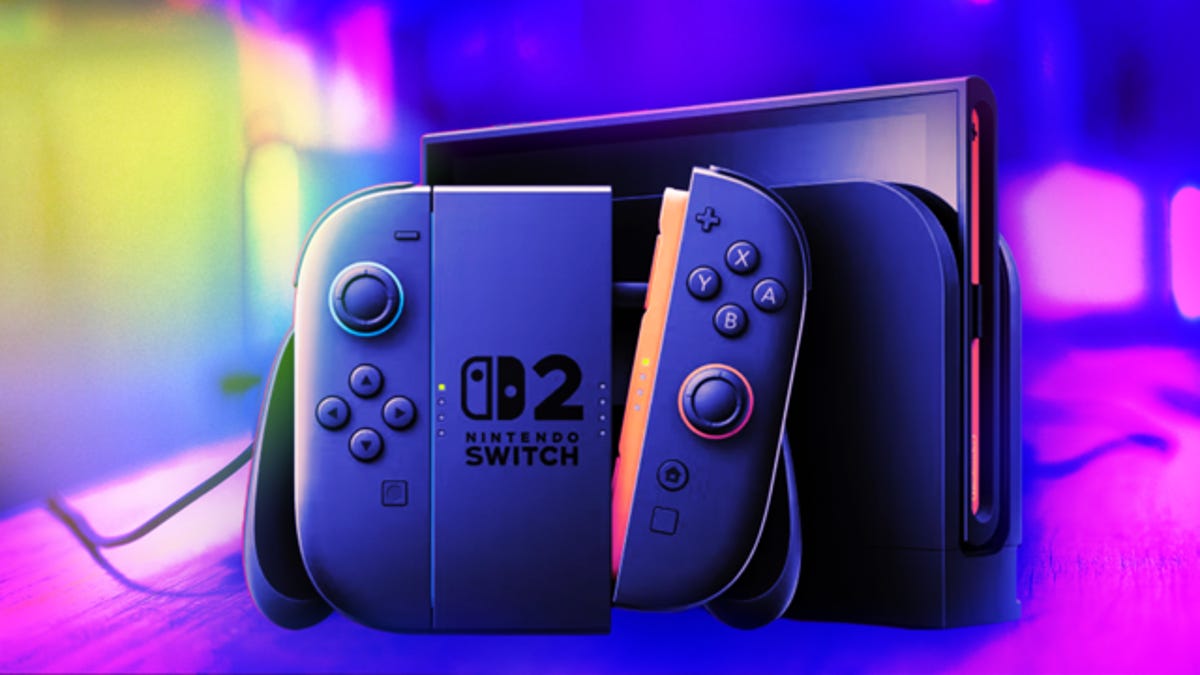
Summary:
Reports claiming that Nintendo may reduce Nintendo Switch 2 production from 6 million units to 4 million this quarter have added a very different tone to the conversation around the system. Not long ago, the platform looked like a machine built to glide through its early life on excitement alone. Strong launch chatter, major expectations, and the usual Nintendo momentum gave it the kind of glow that can make almost any platform seem unstoppable. Now the mood feels more grounded. If the report is accurate, the issue is not a collapse, but a sign that demand may not be moving at the pace Nintendo hoped for, especially in the United States.
That matters because early momentum is precious. A console can survive a slow patch, but it rarely enjoys seeing doubts show up this soon. When production plans change so sharply, people start asking uncomfortable questions. Is the price too high for some buyers? Has the software lineup been too thin for too long? Are players waiting for a bigger must-have run of games before making the jump? Those questions do not appear out of nowhere. They appear when confidence starts wobbling.
Even so, this is not a story about panic. It is a story about expectations colliding with market reality. Nintendo has not officially confirmed the reported cut, which leaves some room for caution, but the broader message is still clear. Switch 2 may still have room to perform well, yet it now looks less like an automatic runaway success and more like a platform that needs sharper execution. The next stretch will depend on software, value, timing, and whether Nintendo can turn curiosity into sustained demand instead of brief excitement.
Nintendo Switch 2 production report points to a sharper slowdown than expected
The reported decision to cut Nintendo Switch 2 production from 6 million units to 4 million changes the tone around the system in a big way. Numbers like that do not feel cosmetic. They feel like a company looking at the road ahead, checking the fuel gauge, and deciding it is smarter to ease off the accelerator than pretend the destination is closer than it really is. For Nintendo, that is especially notable because the company usually projects confidence around hardware momentum. When a report suggests output is being scaled back this early, it naturally pushes people to ask whether the launch glow has started to fade faster than expected. That does not mean Switch 2 is suddenly in trouble, but it does mean the early story may be getting rewritten. Instead of a simple tale about a hot new machine riding cleanly into the future, we may be looking at a more uneven picture where enthusiasm exists, yet is not spreading evenly across regions. That distinction matters because hardware success is not built on headlines alone. It is built on steady demand, week after week, especially after the first wave of excitement settles down.
Why the reported drop from 6 million to 4 million matters
A reduction of 2 million units in a single quarter is not the kind of adjustment people shrug off with a casual “well, these things happen.” It signals that Nintendo may be reacting to something more meaningful than minor forecasting noise. A one-third cut suggests the original expectations and the actual pace of demand are no longer lined up neatly. That gap can shape how retailers plan inventory, how investors judge momentum, and how consumers interpret the platform’s future. If buyers sense hesitation from the company, that can add another layer of uncertainty to a system that should ideally be building confidence, not questions. It also matters because quarters tied to stronger shopping periods carry extra weight. Missing the mark there is a bit like a striker missing an open goal. The match is not over, but it is the moment people keep replaying. For Nintendo, this reported adjustment could become a talking point that sticks around longer than the production figure itself, especially if the software release schedule does not quickly give buyers a fresh reason to jump in.
Weaker U.S. sales appear to be the key pressure point
The United States is too large and too influential a market to treat as a small regional wobble. If sales there are softer than expected, Nintendo cannot simply smile politely and move on. That market often shapes the broader conversation around console health, especially when analysts, investors, and publishers are looking for signs of strength. A slowdown in the U.S. can make a platform look more fragile even if other territories are performing more steadily. It also hints at a practical problem. Consumers in the U.S. tend to respond quickly to price, perceived value, and the strength of the release schedule. If those elements are not lining up, demand can cool off sooner than a company expects. That seems to be the cloud hanging over this report. It is not just that sales may be softer, but that they may be softer in the very market where Nintendo needs durable momentum. When that happens, every question gets louder. Is the price landing badly? Are players waiting for more games? Has the launch window lacked enough punch? Suddenly, the conversation stops being about raw excitement and starts being about conversion.
Nintendo has not officially confirmed the reported change
That is an important point, and it deserves to stay front and center. The report may be credible, and the sourcing may be strong, but until Nintendo says something on the record, there is still a gap between reported planning and official confirmation. That gap matters because production decisions can shift, internal targets can be revised, and announcements can land with more nuance than early reports suggest. In other words, this is not a sealed envelope with a red wax stamp. It is a report about what Nintendo is said to be preparing. Even so, the lack of official confirmation does not make the story irrelevant. Far from it. Reports like this tend to matter because they influence perception long before a company issues a formal statement. By the time the official wording arrives, investors, fans, and observers have often already started drawing conclusions. So while caution is necessary, silence does not erase the significance of the claim. It simply means the smartest reading right now is measured rather than absolute.
The software lineup question is suddenly impossible to ignore
Hardware can attract attention, but software is what gives people a reason to take their wallet out instead of just nodding politely from across the room. That is why the criticism aimed at the Switch 2 lineup matters so much. If a new platform does not build a strong rhythm of must-play releases, buyers begin to drift into “maybe later” mode. And “maybe later” is one of the most dangerous phrases in gaming. It sounds harmless, but it quietly freezes momentum. The comment tied to this report points directly at that issue by arguing that the lineup has been poor until recently. Even if that reads a bit harshly, the broader concern is easy to understand. Players do not buy new systems just because they exist. They buy them because they feel they will miss out if they do not. Without enough of that pressure, interest can stay warm without ever turning hot. Nintendo has survived quieter stretches before, but the challenge with a new system is that the market wants a drumbeat, not a pause. A thin lineup makes the machine feel less urgent, and urgency is everything in a launch period.
Pokémon may have offered hope, but not a full turnaround yet
Pokémon is one of the few names in gaming that can change the atmosphere around a platform almost overnight. It is the kind of series that acts like a lighthouse during rough weather, pulling attention back toward the shore. That is why the mention of Pokémon offering hope stands out. It suggests Nintendo may have finally found a spark powerful enough to lift sentiment, or at least stop the mood from slipping further. But hope and recovery are not the same thing. A single hit, no matter how recognizable, does not always erase months of softer momentum. It can help, absolutely, yet it may still take time before one successful release translates into broader hardware demand. Some players will jump in immediately. Others will still wait to see whether that release marks the start of a stronger run or just one bright flare in a darker stretch. For Nintendo, that distinction is crucial. Pokémon can reopen the conversation, but lasting momentum usually comes from a sequence, not a solo performance. One song can fill the room, but a real concert needs more than one track.
Investor reaction shows how fragile confidence can be
Markets are not always patient, and they are definitely not known for being sentimental. When reports like this appear, investors tend to react quickly because they are not just pricing current sales, they are pricing expectations about what comes next. That is why production news can hit harder than many fans expect. It becomes shorthand for confidence, or the lack of it. If Nintendo is reducing output, some investors will read that as a warning that demand is not tracking where it needs to be. Others may see it as disciplined planning by a company unwilling to flood the channel with excess inventory. Both readings can exist at once, but the first one is usually louder in the short term. That makes the public reaction part of the story. A platform can be doing reasonably well and still look vulnerable if expectations were inflated beforehand. In that sense, the reported cut is not only about units. It is about narrative. Once the market starts questioning momentum, Nintendo has to do more than sell hardware. It has to restore belief.
A production cut does not automatically mean the system is failing
This is where perspective matters. A reduction in planned output is serious, but it is not the same thing as an obituary. Console launches are messy, forecasts change, regions behave differently, and companies adjust strategy when real demand replaces internal optimism. That is business, even if it looks dramatic from the outside. A production cut can reflect caution rather than collapse. It can mean Nintendo wants to avoid oversupply, protect pricing power, and keep the market balanced while it waits for stronger software support. Seen that way, the move could even be practical. Better to tighten output than stuff shelves and create the impression that the system is sitting still. Still, practical decisions can carry symbolic damage. Even if the adjustment makes sense internally, it still tells the world that the first plan no longer looks ideal. So no, this does not prove Switch 2 is failing. But it does prove the platform may need more help than many expected. Those are not the same thing, and keeping that distinction clear makes the story much easier to read.
What Nintendo may need to do next to regain momentum
If Nintendo wants to shift the mood, it will likely need more than a careful statement or a polite reassurance. It will need visible reasons for buyers to care again. That usually starts with software, because games are the engine that pulls everything else forward. A stronger release cadence, more variety, and a clearer sense of what makes Switch 2 essential rather than merely attractive would go a long way. Price and value may also become part of the conversation, especially in the U.S., where hesitation can spread quickly if buyers feel they are paying premium money without premium urgency. Marketing matters too. Nintendo is usually excellent at shaping emotion around its platforms, but emotion alone only lasts so long if the release calendar looks patchy. In some ways, this is a very fixable situation. The machine does not need a miracle. It needs momentum that feels real, repeatable, and easy for consumers to understand. People need to look at the platform and think, “Now is the time,” not “Maybe once a few more games arrive.” That difference is everything.
The bigger takeaway for Nintendo Switch 2 in 2026
The biggest lesson here is not that Nintendo Switch 2 is doomed, nor that one report suddenly erases everything positive around the platform. It is that success is not automatic, even for Nintendo. Early sales headlines can create the illusion that a system is untouchable, but the market has a habit of testing every assumption once the confetti settles. If this reported production cut is accurate, then 2026 may become the year when Switch 2 stops being judged as a shiny new machine and starts being judged as a platform that must earn long-term trust. That is a tougher standard, but also a healthier one. It forces Nintendo to prove demand is durable rather than simply loud. It forces the software lineup to do real work. And it reminds everyone watching that gaming hardware lives or dies on momentum, not mythology. Right now, Switch 2 still has every chance to recover its footing. But the road ahead looks less like a victory parade and more like a proper test. Sometimes that is when the real story finally begins.
Conclusion
The reported reduction in Nintendo Switch 2 production feels important because it suggests the machine may be facing a more complicated market than early optimism implied. Weaker U.S. demand, questions around the software lineup, and the lack of official confirmation all combine to create a story that is more nuanced than a simple success or failure label. Nintendo still has time, brand strength, and major software power on its side, which means this could end up being remembered as a temporary course correction rather than a defining stumble. Still, the next moves matter. If Nintendo can turn software momentum into stronger hardware urgency, the conversation can shift quickly. If not, this report may end up looking like the first clear warning sign that the platform needed help sooner than expected.
FAQs
- Has Nintendo officially confirmed the reported production cut?
- No official confirmation was available at the time reflected in the reported coverage. The claim comes from Bloomberg reporting based on sources familiar with the matter.
- Why is the reported production change getting so much attention?
- Because a move from 6 million units to 4 million units in one quarter would be a significant reduction. It suggests Nintendo may be adjusting expectations in response to softer demand, especially in the United States.
- Does this mean Nintendo Switch 2 is failing?
- No. A production cut does not automatically mean a platform is failing. It can also reflect a company trying to avoid oversupply while it waits for stronger market conditions or a better software release rhythm.
- Why are U.S. sales being highlighted so heavily?
- The U.S. is one of the most important console markets in the world. When momentum weakens there, it can affect investor confidence, retail planning, and the broader public narrative around a system.
- Could upcoming games still improve Nintendo Switch 2 demand?
- Yes. Strong software can change hardware momentum quickly. A more consistent release schedule with recognizable system-selling games could help Nintendo rebuild urgency and confidence around Switch 2.
Sources
- Nintendo Cuts Switch 2 Output by Over 30% on Weak Holiday Sales, Bloomberg, March 24, 2026
- Nintendo Switch 2 Sells Over 3.5 Million Units Worldwide in First Four Days, Nintendo, June 11, 2025
- Financial Results Explanatory Material, Nintendo, February 3, 2026
- Nintendo is reportedly cutting Switch 2 production this quarter as US demand dips, Video Games Chronicle, March 25, 2026