














Summary:
The latest Nintendo Switch 2 firmware update feels like one of those changes that looks modest at first and then slowly starts to impress the more you sit with it. The biggest headline is the arrival of Handheld Mode Boost for compatible original Nintendo Switch software. That alone is a smart addition because it addresses one of the most common little frustrations players run into when moving older games onto newer hardware. Some titles simply feel better when they can behave more like they do in TV mode, and now the Switch 2 gives players a way to tap into that behavior while staying in handheld play. It is the kind of feature that does not scream for attention, but once you understand what it does, it becomes very easy to appreciate.
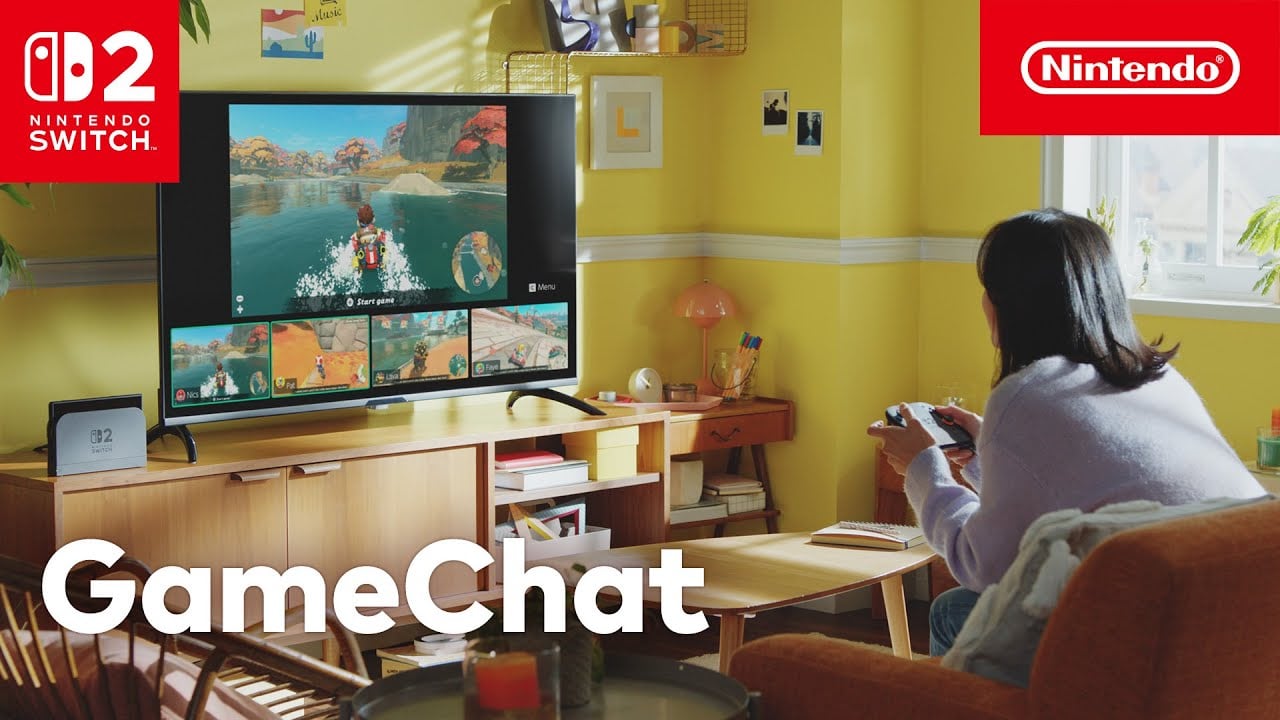
What makes the update even more interesting is that the story does not seem to stop there. Good Vibes Gaming has also spent time with the new firmware and pointed to another welcome change: GameChat appears to be in better shape after the update. That matters more than ever because GameChat is not staying freely available forever. Nintendo has already confirmed that the open-access period runs through March 31, 2026, after which a paid Nintendo Switch Online membership will be required. In other words, the timing here is not random. Nintendo is polishing a social feature right before it moves behind a subscription wall, which is exactly when people will start judging it more seriously.
Put all of that together, and this update feels less like a routine patch and more like a focused quality-of-life move. It gives original Switch software a more appealing place on Switch 2, and it gives GameChat a better shot at feeling worth using before the membership requirement kicks in. That may not be the loudest firmware update Nintendo has ever delivered, but it is certainly one of the more practical ones.
The latest Nintendo Switch 2 update feels small until you look closer
Firmware updates often arrive with all the glamour of a dishwasher manual. They sit there, full of technical wording, quietly waiting for someone to care. This Nintendo Switch 2 update is a little different. On paper, version 22.0.0 might not look like a dramatic shake-up, but once you look at what it actually changes, it starts to feel much more meaningful. The standout addition is Handheld Mode Boost, a new system option that lets compatible original Nintendo Switch software run as if the console were being played in TV mode. That is a clever move because it targets a very real use case instead of throwing in a flashy feature that most players will barely touch. At the same time, attention has also shifted toward GameChat, with Good Vibes Gaming highlighting that the feature seems improved after the firmware change. Together, those additions give the update a practical identity. It is not trying to reinvent the machine. It is trying to make the machine feel better in everyday use, and that can matter more than any giant headline feature.
Handheld Mode Boost gives older Switch games a more comfortable place on newer hardware
One of the quiet challenges of backward compatibility is that older software does not always make the jump in the most elegant way. Yes, it works, but working and feeling right are not always the same thing. Handheld Mode Boost appears designed to smooth out that gap. Nintendo says the option makes compatible Nintendo Switch software run as if the console is in TV mode, even when you are playing in handheld mode on Switch 2. That opens the door to a better experience for titles that behave differently depending on whether they are docked or portable. For players, the appeal is easy to understand. You pick up the system, launch an older game, and potentially get behavior that feels closer to the stronger version of that same experience. It is the kind of system-level polish that can make a library feel refreshed without forcing developers to issue game-by-game overhauls. That is smart design. Instead of asking every older release to do the heavy lifting, Nintendo is using the hardware and firmware to carry part of the load.
Why running in TV mode while handheld play is active can matter so much
This is where the update gets especially interesting, because the phrase “run as if in TV mode” is doing a lot of work. In many original Nintendo Switch games, TV mode can influence how the game allocates resources, handles resolution targets, or behaves more broadly in performance terms. So when Nintendo introduces an option that brings that logic into handheld use on Switch 2, it is not just a checkbox buried in settings for the fun of it. It has the potential to make older software feel more at home on the new system. That can mean a sharper overall impression, smoother behavior, or simply a more satisfying sense that the hardware is stretching its legs instead of tiptoeing around older limits. There is also something psychologically powerful about it. Players do not want their newer console to feel like it is politely pretending to be old hardware when it could clearly do more. Handheld Mode Boost tells people that Switch 2 is not just preserving the past. It is helping it stand up a little straighter.
A useful feature does not need fireworks to matter
There is something refreshing about a feature like this because it solves a practical problem without demanding applause every five seconds. Not every worthwhile upgrade needs confetti cannons and a heroic trailer voice. Handheld Mode Boost is appealing precisely because it is so grounded. It makes sense the moment you hear it explained. If some older games feel better in TV mode, and if Switch 2 is powerful enough to bring that behavior into handheld use for compatible titles, then of course players would want that option. It is a tidy little example of Nintendo addressing the reality of how people use the system. Plenty of players spend a huge amount of time in handheld mode, and they do not want that choice to feel like a compromise whenever they revisit older software. This update suggests Nintendo understands that. Sometimes the best system improvements are the ones that quietly remove friction. You may not throw a party for them, but you definitely notice when they are there.
GameChat may be getting better at exactly the right moment
While Handheld Mode Boost is the easiest addition to point to in official update notes, it is not the only reason this firmware has people talking. Good Vibes Gaming has also been looking over the update and came away with the impression that GameChat has improved as well. That is an important detail because GameChat has always been one of those features that sounds promising on paper but needs smooth real-world execution to win people over. Voice and social tools are judged brutally. If they feel clunky, awkward, or just slightly off, players drift away fast. Nobody wants their group session to feel like it is being held together with tape and crossed fingers. That is why even modest improvements can carry a lot of weight here. A better-feeling GameChat experience could do more than polish a feature. It could change whether people actually build it into their regular play habits. And at this stage, Nintendo needs that more than ever.
Why Good Vibes Gaming’s reaction is worth paying attention to
When a firmware update lands, the official notes usually tell you what changed, but they do not always tell you what the change feels like. That is where hands-on impressions become useful. Good Vibes Gaming dug into the update and flagged GameChat as another area that seems better after the firmware rollout. That does not turn the update into magic, and it does not mean every single user will have the exact same reaction, but it does matter because it adds a layer of practical observation on top of Nintendo’s official messaging. In other words, this is where the dry patch note meets the living room test. Does the feature feel cleaner? Does it seem more usable? Does it leave a better impression than before? Those are the questions players actually care about. A system feature can be technically present and still fail to become part of everyday use. If GameChat is beginning to feel more polished, then Nintendo may be fixing one of the most important parts of the feature at the moment it matters most.
The subscription deadline suddenly gives GameChat a lot more pressure
There is no way around it: GameChat is about to be judged more seriously because the free ride is ending. Nintendo has confirmed that the GameChat open-access period lasts until March 31, 2026. After that, a paid Nintendo Switch Online membership is required to use it. That deadline changes the mood around the feature immediately. During a free trial window, players are more forgiving. They experiment, they poke around, and they tolerate a little roughness because there is no extra cost attached. Once a paid membership becomes part of the equation, expectations rise fast. Suddenly people are not just asking whether the feature exists. They are asking whether it is worth keeping in their routine. That is why the timing of these apparent improvements stands out. Nintendo is not polishing GameChat in a vacuum. It is doing so right as the feature approaches a line where players will start measuring value much more carefully. That makes every little improvement feel more strategic.
This update says a lot about how Nintendo is shaping the Switch 2 experience
What makes this firmware update interesting is not just the individual features, but the pattern they suggest. Nintendo seems to be refining Switch 2 from two directions at once. On one side, it is improving how the new system handles older software, which helps make the existing library feel stronger and more inviting. On the other side, it is tightening up system-level features like GameChat that are meant to define the newer platform experience. That is a smart balance. A new console cannot live on launch excitement forever. It needs to become the place where your older games feel worth revisiting and your newer habits feel worth building. Handheld Mode Boost speaks to the first goal. Better GameChat speaks to the second. Put together, they show Nintendo paying attention to the daily reality of ownership. People want their system to feel smoother, more useful, and more settled over time. They want fewer rough edges and more reasons to stay in the ecosystem. This update is a step in that direction.
Why original Switch players are likely to feel the benefit first
The players most likely to appreciate this update right away are probably the ones who still bounce between newer releases and older Nintendo Switch favorites. That group is huge, and it makes perfect sense. The original Switch library is stacked with games people still love returning to, whether for comfort, unfinished backlogs, or simple nostalgia. If Switch 2 can make some of those experiences feel better in handheld mode through a system setting rather than a full individual patch, that is a meaningful quality-of-life win. It reduces the sense that older games are stuck in a separate era of the hardware family. Instead, they remain active parts of your current routine. The same logic applies to GameChat. Features like that only matter if they fit naturally into how players already use the system. A stronger overall experience makes it easier for people to carry their habits forward rather than treating new features as side attractions they forget after a week. Nintendo is not just adding tools here. It is trying to make them stick.
A polished ecosystem usually grows through steady upgrades like this
Big reveals grab the spotlight, but systems usually earn long-term goodwill through smaller, steadier improvements. That is how an ecosystem starts to feel mature rather than merely exciting. This update fits that mold very well. Handheld Mode Boost is exactly the kind of practical enhancement that helps people feel better about their whole library, while GameChat improvements could make one of Switch 2’s social features feel more dependable before it becomes a paid perk. It is not glamorous, but it is effective. Think of it like tuning an instrument. You do not always notice each twist of the peg, but by the end, everything sounds more right. That seems to be what Nintendo is aiming for here. The company is taking areas where players might have felt little bits of resistance and reducing them. Over time, that matters a lot. It is how hardware stops feeling new and starts feeling settled, dependable, and genuinely pleasant to live with every day.
Conclusion
The latest Nintendo Switch 2 firmware update does not need to be loud to be valuable. Handheld Mode Boost is the clear headline because it gives compatible original Nintendo Switch games a more appealing way to behave in handheld play, and that alone makes the system feel more thoughtful. At the same time, the renewed attention around GameChat gives the update an extra layer of importance, especially with the feature’s free access ending on March 31, 2026. If Good Vibes Gaming is right that GameChat now feels improved, then Nintendo may be tightening one of its newer social tools just before players begin judging it through the lens of a paid Nintendo Switch Online membership. That is smart timing. More importantly, it suggests Nintendo is focusing on the parts of the Switch 2 experience people actually live with every day. No fireworks required.
FAQs
- What is Handheld Mode Boost on Nintendo Switch 2?
- It is a system setting added in firmware version 22.0.0 that makes compatible original Nintendo Switch software run as if the console is in TV mode while you are playing in handheld mode.
- Does Handheld Mode Boost work with every original Nintendo Switch game?
- Nintendo describes it as working with compatible software, so it should not be assumed that every single game benefits in exactly the same way.
- What changed with GameChat in this update?
- Nintendo’s update notes mention added support features for GameChat, and Good Vibes Gaming has also said the feature appears improved after the firmware update.
- When will GameChat require Nintendo Switch Online?
- Nintendo says GameChat can be used without a Nintendo Switch Online membership until March 31, 2026. After that date, a paid membership is required.
- Why does this update matter for Switch 2 owners?
- It improves how the system handles older Switch software in handheld play and may also make GameChat feel better to use, which makes the overall Switch 2 experience more polished.
Sources
- System Update Information for Nintendo Switch 2, Nintendo Support, March 16, 2026
- GameChat – Nintendo Switch 2, NintendoMarch 18, 2026
- Nintendo Switch 2 Firmware 22.0 – Is GameChat Actually Improved?, Good Vibes Gaming, March 2026
- Switch 2’s New Boost Mode is a Game Changer for Switch 1 Games, Good Vibes Gaming, March 2026
- System Update Information for Nintendo Switch 2, Nintendo Support UK, March 17, 2026