














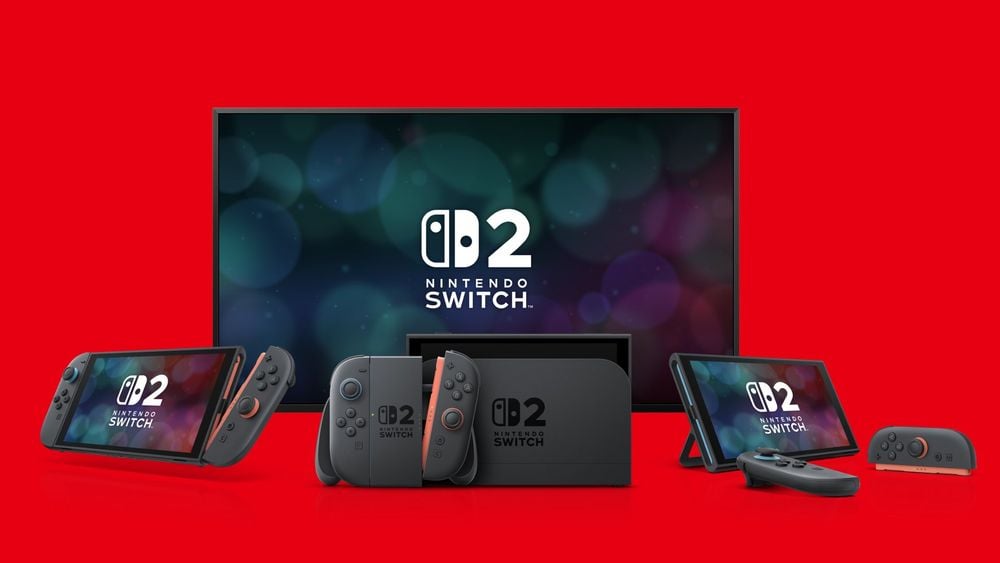
Summary:
Nintendo’s decision to offer a lower-priced, Japan-only Switch 2 created an immediate talking point because it tried to solve two problems at once. On one side, the company needed to keep its new hardware within reach for players in Japan, where a weak yen and ongoing cost pressure have made expensive electronics a harder sell. On the other side, Nintendo still had to protect the profitability of its most important hardware launch in years. That balancing act now appears to be under sharper scrutiny.
Recent analysis from Toyo Securities’ Hideki Yasuda argues that the cheaper Japanese-language model may be dragging down Nintendo’s margins even while the Switch 2 continues to sell strongly. His estimate suggests the lower-priced model could be generating a meaningful loss per unit, largely because production costs appear to be high while the domestic retail price remains comparatively restrained. That creates a strange picture. Sales momentum looks healthy, yet the financial reward from those sales may not be landing with the same force.
The idea is not hard to understand. A console can fly off shelves and still leave executives with a headache if each unit brings in less profit than expected. It is a bit like running a packed restaurant where every table is full but the signature dish is priced too low. The room looks busy, the energy looks great, but the math at the end of the night tells a less cheerful story.
Nintendo’s own recent financial materials add weight to the broader margin conversation. The company reported major year-on-year growth in net sales and operating profit for the first nine months of fiscal year 2026, yet profitability ratios moved in the opposite direction. That gap has helped fuel discussion around the Switch 2’s domestic pricing model, especially in Japan, where the cheaper version was clearly designed to improve accessibility. The result is a fascinating tension between market strength, consumer affordability, and the hard realities of hardware economics.
Nintendo’s lower-priced Japan-only Switch 2 has created a new debate
Nintendo rarely makes a hardware decision that feels accidental, and the Japan-only Switch 2 clearly falls into that category. The lower-priced model was not introduced as a quirky side note or a minor retail experiment. It was a deliberate response to local conditions, and that is exactly why people are still talking about it. On the surface, the move looks smart. Japanese consumers received a cheaper entry point into the Switch 2 family, which likely helped Nintendo keep the system attractive in its home market. Yet once the sales numbers met the profit discussion, the mood changed. Suddenly, the conversation was no longer only about affordability or accessibility. It became about trade-offs. Can Nintendo keep hardware within reach for Japanese buyers without quietly kneecapping its own margins? That question now sits at the heart of the debate. When a console sells well but sparks concern about per-unit profitability, the usual victory lap gets interrupted. Instead of a straightforward success story, we get a more interesting one – a story where strong demand and weaker returns may be living under the same roof.
Why Nintendo introduced a cheaper model for the Japanese market
The logic behind the cheaper model is fairly easy to grasp once you look at the market conditions around it. Japan has been dealing with currency weakness and inflation pressure, and that can make premium hardware feel heavier on the wallet than the sticker price alone suggests. Nintendo responded by offering a Japanese-language system at a lower price than the multi-language version. That was a practical move, not a sentimental one. It helped create a version that felt more realistic for domestic buyers without forcing Nintendo to use the same structure globally. In other words, the company built a local answer to a local problem. That matters because console launches are not won by theory. They are won by getting the box into living rooms. If Japanese consumers had looked at the Switch 2 and seen only a price that felt just a little too painful, momentum could have cooled quickly. Nintendo chose to keep that from happening. The gamble worked on the demand side, but the cost side may now be reminding everyone that there is no free lunch in hardware pricing.
The key differences between the Japan-only and multi-language systems
The gap between the two systems is more than just price. Nintendo positioned the Japanese-language Switch 2 as a more restricted product, while the multi-language system remained the more flexible option. The cheaper unit supports Japanese as the system language and only links with Nintendo Accounts set to Japan. Meanwhile, the multi-language version sits at a much higher price point and is sold through a more limited channel in Japan. That structure tells you everything about Nintendo’s thinking. The company did not simply discount the same machine for everyone. It created a version with tighter boundaries in exchange for a lower barrier to entry. It is a little like buying a train ticket that gets you where you need to go, but only on a fixed route and without first-class perks. For many buyers, that trade is perfectly fine. They want the hardware, they live in Japan, and the lower price matters more than broader flexibility. From Nintendo’s side, though, every concession baked into that lower price has to be justified by scale, strategy, or both.
Why the lower price immediately stood out
What made the pricing split so striking was the size of the difference. The Japanese-language model was positioned well below the multi-language version, making the domestic option feel clearly more approachable rather than slightly cheaper by token amount. That kind of gap changes buyer behavior fast. Consumers do not need a spreadsheet to notice when one model looks substantially easier to justify. They feel it instantly. For Nintendo, that likely boosted the appeal of the Japan-only machine right out of the gate. The problem is that a dramatic price difference also invites another kind of attention. Analysts start asking what has been sacrificed to make that number possible. Was the margin trimmed to the bone? Is the lower price still workable if manufacturing costs stay elevated? Once those questions arrive, the console stops being only a commercial product and starts looking like a case study in strategic compromise.
Strong sales do not always translate into stronger margins
One of the easiest mistakes to make in gaming is assuming that strong hardware sales automatically mean strong financial comfort. They often travel together, but they are not the same thing. A console can be a crowd-pleaser and still pressure the balance sheet. That is the awkward beauty of hardware economics. You can have excitement in stores, a healthy installed base, and a launch that looks energetic from the outside, while the underlying profitability remains less glamorous. Nintendo’s current discussion fits that pattern. The Switch 2 has clearly delivered meaningful hardware momentum, but recent analysis suggests that the domestic sales mix may be working against the company’s margins. In plain terms, success can get expensive when the most popular version is also the least profitable. That is the sort of sentence executives hate and analysts love. It creates tension, and tension keeps the story alive. Investors want growth, but they also want quality growth. Selling a lot of hardware matters. Selling a lot of hardware that leaves enough money on the table matters even more.
What Hideki Yasuda believes is happening behind the numbers
Hideki Yasuda’s view cuts straight through the noise. His argument is that Nintendo’s lower-priced Japanese model may be pulling down profitability because the estimated production cost sits far above the retail reality of that version. His estimate suggests a sizable loss per unit, and that is what turned a pricing choice into a bigger financial conversation. The important thing here is not just the headline number. It is the mechanism behind it. Yasuda is effectively saying that Nintendo may have chosen domestic affordability even though it would weaken near-term economics for each unit sold. That sounds dramatic, but it is not irrational. Companies sometimes accept weaker hardware margins to achieve broader platform goals. Still, the more successful that cheaper model becomes, the more the margin pressure can scale with it. That is the strange part. Success stops feeling clean. Instead of every sale strengthening the story, each sale may deepen the concern. It is a bit like winning a race while slowly noticing your shoes are falling apart.
Why component costs and currency pressure matter so much
Hardware pricing is never just about the box sitting on a store shelf. It is shaped by the cost of everything inside it, and in the Switch 2’s case that matters a lot. Semiconductors, memory, batteries, casing, assembly, logistics – none of that is cheap, and none of it politely pauses when exchange rates turn ugly. If key parts are tied to dollar-denominated costs while the console is sold in yen at a deliberately restrained local price, pressure builds quickly. That is why the weak yen keeps hovering over this entire discussion like a rain cloud that refuses to move on. You can launch a strong product, generate healthy excitement, and still find yourself staring at margin erosion because the currency backdrop is doing you no favors. For consumers, the lower price feels like relief. For Nintendo, it may feel more like swallowing a bitter pill for the sake of long-term positioning. The company may have decided that domestic momentum was worth that discomfort, but discomfort is still discomfort.
The danger of a hardware hit with thinner returns
A successful console with thinner-than-expected returns creates a delicate balancing act. Nintendo wants the Switch 2 to build a large installed base because hardware adoption drives software sales, subscriptions, accessories, and the wider platform ecosystem. That is the bigger picture, and it matters. Still, there is a difference between investing in future growth and letting profitability slide too far in the present. If the cheaper Japanese model becomes the dominant purchase choice in its market, the installed base grows nicely, but the path to stronger margins may get bumpier. That does not mean the strategy is failing. It means the reward may be arriving in a different order. First comes user growth, then comes the chance to recover value through software and services. That can work beautifully if software attachment is strong. If not, the pressure lingers. Nintendo is not juggling bowling balls here, but it is definitely not tossing feathers either.
The profit margin story in Nintendo’s latest financial results
Nintendo’s latest reported figures help explain why this discussion has gained real traction. The company posted substantial year-on-year growth in net sales and operating profit for the first nine months of fiscal year 2026, which sounds excellent on its own. But the ratios underneath those headline gains tell a more complicated story. Gross profit margin and operating profit ratio both moved lower, even as total sales climbed sharply. That gap is important because it shows that growth alone is not the whole picture. Nintendo itself pointed to a heavier hardware mix and the lower profitability of Switch 2 hardware compared with the older Switch. In other words, the company did not pretend everything scaled neatly. More hardware sales helped lift revenue, but they also shifted the margin profile in a less favorable direction. That broader trend does not prove Yasuda’s exact estimate on its own, but it does create the kind of financial backdrop that makes his thesis feel plausible rather than random.
Why Japan’s success may be pulling profitability in the wrong direction
Japan is usually the kind of market strength Nintendo loves to celebrate, and for obvious reasons. It is home turf. It is culturally central to the company. It also helps shape momentum and perception around a launch. But market success can become a little mischievous when the winning SKU is the one with the tighter economics. If domestic sales are especially strong and the lower-priced Japanese-language system is doing most of the heavy lifting, then the success story starts carrying a hidden weight. Nintendo may be getting the user growth it wants, but the mix could be less profitable than a stronger share of higher-priced units elsewhere. That is the tension analysts keep circling back to. It is not that Japan is a problem. It is that one type of success inside Japan may come with a cost. A company can absolutely choose that trade, especially if it believes software and ecosystem spending will make up the difference. But it is still a trade, and markets never stop measuring those.
Could Nintendo raise the price of the console later on
The obvious question is whether Nintendo eventually responds with a price adjustment. Yasuda believes that raising the price could help restore healthier economics, and that idea is easy to understand. If the margin per unit is under strain, a price increase is the most direct lever. The catch is that direct levers can be politically messy. Nintendo has to think about installed base growth, consumer goodwill, sales momentum, and the wider market environment before touching the number on the box. The company has already said no decision has been made on any future hardware price change, which leaves the door open without committing to anything. That feels like the classic corporate answer because, frankly, it is. Still, it is also the honest one. Nintendo may prefer to watch component costs, exchange rates, and sell-through patterns a bit longer before making a move. Price changes are easy to announce and much harder to unwind once players start grumbling.
Custom design models could offer another path
Yasuda also floated another possibility: custom design models. That may sound cosmetic at first, but special editions can be surprisingly useful when a company wants to improve its average selling price without bluntly raising the baseline cost of the standard unit. Players often treat themed hardware differently from regular hardware. It feels collectible. It feels limited. It feels like an event. And once emotion enters the room, pricing flexibility tends to follow. Nintendo knows this better than most companies in gaming. A custom model tied to a major franchise could help lift returns while keeping the core domestic system accessible. That would not erase the margin issue overnight, but it could soften it in a more consumer-friendly way. Instead of telling buyers they must pay more for the same thing, Nintendo could give them a premium option that many would happily choose. It is a softer landing, and sometimes softer landings are exactly what a pricing strategy needs.
What this means for Japanese players and Nintendo’s wider strategy
For Japanese players, the main takeaway is actually positive. Nintendo’s lower-priced domestic system appears to have done what it was supposed to do: make Switch 2 ownership more realistic in a difficult pricing climate. That is not a small win. Hardware accessibility matters, especially when gaming budgets are being stretched by broader economic pressure. At the same time, the financial discussion around margins shows that consumer-friendly choices can come with real internal costs. Nintendo may be willing to absorb some of that pain because the bigger objective is not just selling a machine today. It is building an audience that will buy games, subscribe to services, and stay inside the platform for years. That is the long game, and Nintendo has always liked the long game. So while the margin debate is real, it does not automatically make the strategy a mistake. It simply makes it more nuanced. Sometimes the smartest move is not the prettiest one on a quarterly chart.
Why this pricing decision still makes strategic sense even under pressure
Even with all the margin pressure talk, the decision can still make strategic sense. Nintendo needed a strong start for Switch 2 in Japan, and pricing the Japanese-language system more aggressively helped remove one of the biggest obstacles to adoption. A larger installed base can strengthen software sales, improve engagement, and reinforce the system’s broader ecosystem over time. That kind of momentum can be worth a lot, even if the hardware economics look less cheerful at first glance. The company may be betting that what it gives up in near-term margin, it can regain through the lifetime value of each user. That is not guaranteed, of course, but it is a coherent strategy. Think of it like planting a tree in expensive soil. The upfront cost can sting, but the harvest later may justify it. The key question now is whether Nintendo needs to tweak the plan with pricing changes or premium variants, or whether software and ecosystem spending will do enough of the recovery work on their own.
Conclusion
Nintendo’s cheaper Japan-only Switch 2 has opened up one of the more interesting hardware debates of the year because both sides of the story make sense. The lower price appears to have improved accessibility in a market facing real economic pressure, and that likely helped the system gain stronger footing with domestic buyers. At the same time, analyst concerns about per-unit losses and weaker margins have put a spotlight on the cost of that consumer-friendly decision. Nintendo’s latest financial results show that revenue growth and profit growth do not always move in lockstep with margin quality, which gives this debate real weight. For now, the company has not committed to a price increase, and that leaves multiple paths open. It could hold the line, adjust pricing later, or lean into premium models that lift returns more gently. Either way, this is no longer just a story about a cheaper console. It is a story about how Nintendo balances affordability, momentum, and profitability without dropping any of the plates.
FAQs
- What is the Japan-only Switch 2 model?
- It is the Japanese-language Nintendo Switch 2 sold in Japan at a lower price than the multi-language version. It is designed to be more accessible for domestic buyers and comes with tighter usage limitations tied to the Japanese market.
- Why is the Japan-only Switch 2 cheaper?
- Nintendo positioned it at a lower price to make the system more affordable in Japan, where currency weakness and inflation have made consumer electronics harder to price competitively.
- Is the cheaper model fully region-free?
- No. The Japanese-language system only supports Japanese as the system language and can only be linked to Nintendo Accounts set to Japan, which makes it more restricted than the multi-language model.
- Why are analysts worried about Nintendo’s margins?
- The concern is that the lower domestic retail price may not leave enough room against estimated production and component costs, meaning strong unit sales in Japan could still put pressure on profitability.
- Could Nintendo raise the Switch 2 price in Japan?
- It is possible, but Nintendo has said no decision has been made on future hardware price changes. The company says any decision would consider profitability, sales trends, installed base, and market conditions.
Sources
- Nintendo Switch 2 to be released on June 5, 2025, Nintendo, April 2, 2025
- Financial Results Explanatory Material, Nintendo, February 3, 2026
- Q&A Summary (English Translation of Japanese Original), Nintendo, February 3, 2026
- The Switch 2’s cheaper, Japan-only model may be generating loss of $160 per unit for Nintendo, Japanese analyst says, AUTOMATON, March 10, 2026