


Summary:
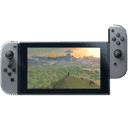
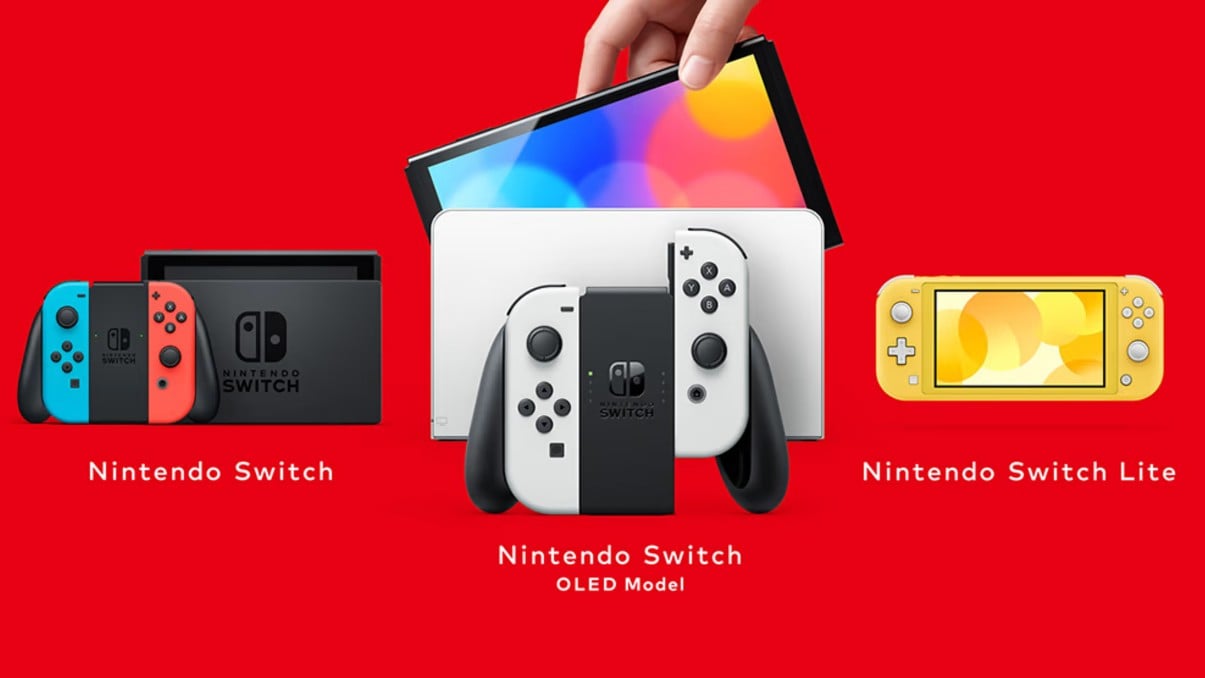
Nintendo’s latest earnings update puts a big, clean number on the Switch era: 155.37 million Switch systems sold worldwide as of December 31, 2025. That total combines the base model, Switch Lite, and Switch OLED, and it matters because it pushes the Switch past the Nintendo DS, which finished at 154.02 million lifetime units. In other words, the Switch is now Nintendo’s best-selling console ever, and it pulled off that overtake after years of steady momentum rather than one single “lightning in a bottle” holiday.
The same report refreshes the platform’s top-selling games list, and the lineup reads like a highlight reel of everything the Switch did well: evergreen multiplayer staples, comfort-food life simulation, a smash-hit fighting crossover, modern Zelda classics, and Mario adventures that people still recommend to friends like they’re passing along a secret restaurant tip. Mario Kart 8 Deluxe leads the pack at 70.59 million, followed by Animal Crossing: New Horizons at 49.32 million, and Super Smash Bros. Ultimate at 37.44 million. The rest of the top 10 stays just as recognizable, with Breath of the Wild, Super Mario Odyssey, Pokémon Scarlet and Pokémon Violet, Pokémon Sword and Pokémon Shield, Tears of the Kingdom, Super Mario Party, and New Super Mario Bros. U Deluxe all holding their places as high-volume sellers.
Beyond the top 10, Nintendo also shared updated totals for several other first-party releases, including Nintendo Switch Sports at 17.84 million and Super Mario Bros. Wonder at 17.15 million, plus additional figures for more recent and catalog-style releases. Put together, the update shows a platform that kept selling systems because the library kept selling itself, year after year, to brand-new buyers and long-time fans alike.
Nintendo’s latest Worldwide Sales report in plain English
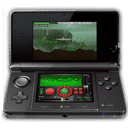
Nintendo’s newest earnings release does two things at once: it updates the Switch hardware total and it refreshes the scoreboard for the platform’s biggest software sellers. The headline is simple enough to repeat in one breath: the Switch family is now at 155.37 million units sold worldwide as of December 31, 2025, and that moves it ahead of the Nintendo DS at 154.02 million. If you have ever watched a long race where the leader changes right near the finish line, you know the vibe here. The DS held the crown for a long time, and the Switch has been closing the gap for years, one steady step at a time. The update also gives us a neat snapshot of what people actually bought in massive numbers, which is often more revealing than what people say they loved. Sales totals have a funny way of cutting through noise and showing which games became habits rather than weekend flings.
Switch passes the Nintendo DS – what the 155.37M milestone really means
Surpassing the Nintendo DS is not just a trivia win, it is a signal about how broad the Switch audience became. The DS was everywhere: kids, commuters, grandparents, you name it. For the Switch to pass that mark, it needed more than hype and a strong launch year. It needed endurance, like a marathon runner that still looks annoyingly fresh at kilometer forty. Nintendo’s 155.37 million figure includes all Switch models, which also tells a story about accessibility: some buyers wanted the classic dock-and-TV setup, others grabbed a Lite for pure handheld convenience, and plenty upgraded to the OLED for that nicer screen. It is also a reminder that the Switch did not “replace” one audience, it blended multiple Nintendo audiences into one device family. That kind of unification helps games sell longer because the install base is not split into separate lanes.
The updated Switch top 10 best-sellers – why these games keep printing copies
The top 10 best-selling Switch games list is a mix of games that never stopped being relevant and games that became cultural touchstones. Nintendo’s list has Mario Kart 8 Deluxe at 70.59 million, Animal Crossing: New Horizons at 49.32 million, Super Smash Bros. Ultimate at 37.44 million, The Legend of Zelda: Breath of the Wild at 33.64 million, and Super Mario Odyssey at 30.27 million. Pokémon Scarlet and Pokémon Violet sits at 28.08 million, Pokémon Sword and Pokémon Shield at 27.08 million, The Legend of Zelda: Tears of the Kingdom at 22.40 million, Super Mario Party at 21.28 million, and New Super Mario Bros. U Deluxe at 18.80 million. What ties these together is not one genre, it is replay value and word-of-mouth. These are the titles people keep buying because someone else says, “You need this one,” like they are handing you the keys to the city.
Mario Kart 8 Deluxe at the front of the pack
Mario Kart 8 Deluxe sitting at 70.59 million is the definition of an evergreen. It is the game you boot up when friends come over, when family visits, when you have fifteen minutes to kill, and when you want to settle an argument with blue shells instead of words. Part of its secret sauce is that it does not demand a big time commitment. You can play two races and feel satisfied, or you can play for hours and still feel like you are improving. It also thrives on the Switch’s pick-up-and-play identity, which makes it easy to bring to gatherings or to dock at home. When a game becomes the default party icebreaker, it stops feeling like a purchase and starts feeling like a household item. That is how you end up with numbers that look almost unreal.
Animal Crossing: New Horizons and the “forever game” effect
Animal Crossing: New Horizons at 49.32 million is what happens when a game becomes a routine. People did not just “finish” it, they lived in it, checked in daily, and treated their island like a tiny digital garden that kept growing. Even after the initial wave, it stayed relevant because it is the kind of game friends recommend to friends who are stressed, tired, or simply craving something gentle. It also has a broad appeal that ignores the usual gamer labels, which helps it keep selling long after launch. The Switch itself helped here too, because handheld play fits perfectly with short daily sessions. This is comfort food that does not go stale, and the sales total reflects that staying power.
Smash, Zelda, and the power of long legs
Super Smash Bros. Ultimate at 37.44 million, Breath of the Wild at 33.64 million, and Super Mario Odyssey at 30.27 million show three different kinds of longevity. Smash is a social magnet and a competitive rabbit hole at the same time, which means it sells to casual groups and dedicated fans alike. Breath of the Wild sells like a modern classic because it is frequently recommended as a “must play,” even to people who did not grow up with Zelda. Odyssey holds up as a joyful, approachable Mario adventure that still feels fresh years later, and that matters because parents and newcomers often start their Switch library with something recognizable. These games are not just popular, they are reference points. When a platform has multiple reference-point titles, the library practically sells itself.
How Zelda became both a system seller and a long-term staple
Zelda’s presence in the top 10 with Breath of the Wild and Tears of the Kingdom is especially telling because it shows two different waves of demand. Breath of the Wild has that “first big adventure” status for many Switch owners, while Tears of the Kingdom at 22.40 million proves that a direct follow-up can still reach blockbuster territory. That is not automatic. Sequels sometimes rely on the same audience and then flatten out, but here the numbers suggest continued expansion. It helps that the Switch era Zelda games became conversation starters, the kind that make people trade stories about discoveries, clever solutions, and “wait, you can do that?” moments. When a game generates stories, it generates sales, because curiosity is a powerful salesperson that does not even charge commission.
Pokémon sales momentum – two generations, two different stories
Pokémon Scarlet and Pokémon Violet at 28.08 million and Pokémon Sword and Pokémon Shield at 27.08 million underline how consistent Pokémon demand remains on Switch. Two different mainline generations both reached enormous totals, which suggests a wide base of players who show up every time there is a new entry. The numbers also hint at how the Switch era captured both longtime fans and newer players, because the platform itself became a default place to play big Nintendo franchises. Pokémon is also uniquely positioned as a social franchise, even when you play solo, because trading, battling, and sharing teams turns it into a community activity. That community energy extends the sales tail, because the conversation does not end after launch month. It keeps going, and so do the purchases.
Tears of the Kingdom joining the top tier
The Legend of Zelda: Tears of the Kingdom landing at 22.40 million and holding a top 10 spot is a strong statement about sequel demand on a mature platform. By the time a system is deep into its lifecycle, some releases sell mainly to the existing base. Tears of the Kingdom still pushed into the upper tier, which suggests it reached beyond the core crowd. It also shows how Nintendo benefited from building trust over time: players who loved Breath of the Wild did not just hope the follow-up would be good, they expected it. That confidence reduces hesitation, and hesitation is the enemy of big numbers. In plain terms, a lot of people bought it because it felt like a safe bet for a great time, and the sales total reflects that widespread confidence.
Party games that quietly stack millions
Super Mario Party at 21.28 million and New Super Mario Bros. U Deluxe at 18.80 million are great examples of “quiet giants.” They are not always the loudest games in online chatter, but they keep moving copies because they fit real-life play patterns. Party games thrive when families buy a Switch, when groups want something easy to understand, and when people want laughter without homework. New Super Mario Bros. U Deluxe benefits from being instantly readable: you jump, you run, you grab coins, you smile. These titles are the dependable options in a library, like a favorite hoodie that always fits. They also tend to be bought later, not just at launch, which helps them accumulate massive totals over time.
Why late-generation buyers matter more than people think
Late-generation buyers are often treated like an afterthought, but they can be a huge driver for games like these. Someone who buys a Switch years into its life still wants a starter set of “obvious picks,” and Nintendo’s catalog is full of them. That is how older titles keep stacking sales long after the initial spotlight moves on. A late buyer does not care that a game launched years ago if it is still fun today, and these games are built to stay fun. It is the same reason people still watch classic movies for the first time decades later. Great does not expire, and neither do sales when the audience keeps refreshing.
New updated sales figures outside the top 10
Nintendo also shared updated totals for several other games beyond the top 10 list, and they paint a fuller picture of the platform’s depth. Nintendo Switch Sports is now at 17.84 million, and Super Mario Bros. Wonder sits at 17.15 million, showing that newer and accessible first-party releases can still reach very large audiences. The report also lists Super Mario Party Jamboree at 9.41 million and Pokémon Legends: Z-A (Switch) at 8.41 million. On the catalog side, Super Mario Galaxy (Switch) is at 2.28 million and Super Mario Galaxy 2 (Switch) at 2.24 million. Put together, these numbers show a platform where sales are not concentrated only in the top three. There is a wide middle that still moves millions, which is exactly what keeps a hardware ecosystem healthy.
What these numbers suggest about the Switch era
When you line up the hardware milestone with the software totals, one idea keeps popping up: the Switch era ran on consistency. Big games arrived, stayed relevant, and continued selling to new owners who joined later. The top 10 list is dominated by titles that are easy to recommend and easy to return to, which means the Switch library did not just “launch strong,” it kept its grip on people’s time. The additional sales figures reinforce that Nintendo had multiple lanes of success at once: party experiences, platformers, sports-style pick-up play, and long-form adventures. That variety matters because it reduces the risk of the platform feeling one-note. If you are a buyer standing in a store or browsing online, you are more likely to commit when you can picture several games you will actually play. The Switch numbers show that a lot of people could picture that future, and they pressed buy.
Conclusion
Nintendo’s latest report locks in a defining moment for the Switch family: 155.37 million units sold worldwide as of December 31, 2025, officially moving it past the Nintendo DS to become Nintendo’s best-selling console ever. The updated top 10 software ranking highlights why the platform stayed hot for so long, with Mario Kart 8 Deluxe leading at 70.59 million and a lineup of evergreen hits behind it. The fresh figures outside the top 10 add even more context, showing that the Switch library kept producing multi-million sellers across different genres and play styles. The takeaway is straightforward: the Switch did not rely on one miracle year. It built an audience, fed it consistently, and kept welcoming new players right up to the point where it claimed Nintendo’s hardware crown.
FAQs
- How many Nintendo Switch systems have been sold worldwide in the latest report?
- Nintendo reports 155.37 million Switch units sold worldwide as of December 31, 2025, including the base model, Switch Lite, and Switch OLED.
- Which Nintendo system did the Switch surpass to become Nintendo’s best-selling console?
- The Switch surpassed the Nintendo DS, which ended with 154.02 million lifetime units sold.
- What is the best-selling Nintendo Switch game in the updated top 10 list?
- Mario Kart 8 Deluxe leads the list at 70.59 million copies sold.
- What are the second and third best-selling Switch games in the updated ranking?
- Animal Crossing: New Horizons is second at 49.32 million, and Super Smash Bros. Ultimate is third at 37.44 million.
- What newer or additional first-party sales totals were updated outside the top 10?
- The report lists Nintendo Switch Sports at 17.84 million, Super Mario Bros. Wonder at 17.15 million, Super Mario Party Jamboree at 9.41 million, and additional figures for other titles.
Sources
- Nintendo Co., Ltd. : Investor Relations Information, Nintendo, February 3, 2026
- CONSOLIDATED FINANCIAL HIGHLIGHTS, Nintendo, February 3, 2026
- Financial Results Explanatory Material, Nintendo, February 3, 2026
- Top Selling Title Sales Units – Nintendo Switch Software, Nintendo, February 3, 2026
- The Switch just surpassed the DS as Nintendo’s best-selling console ever, Engadget, February 3, 2026