Summary:
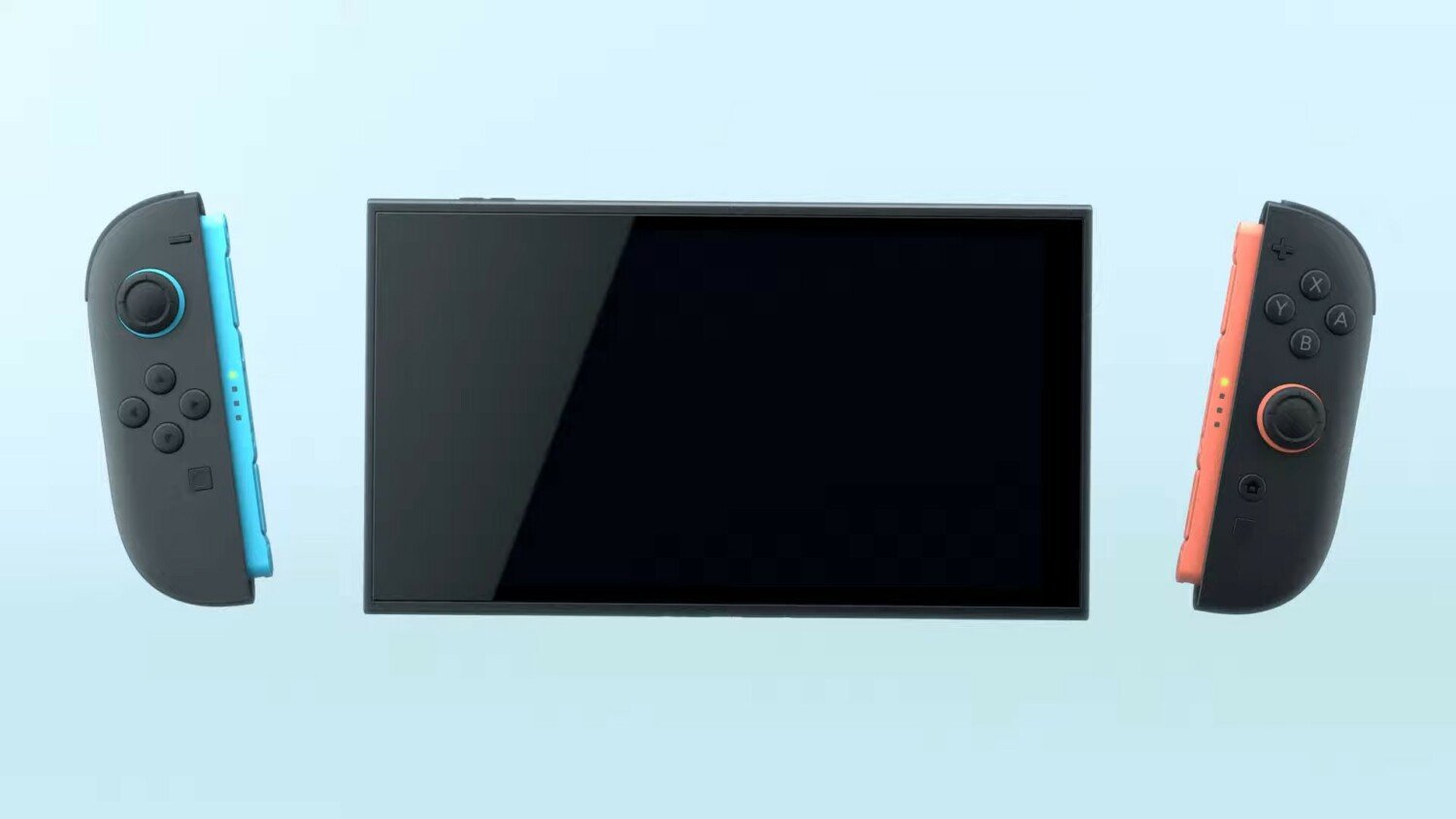
Nintendo has taken the gaming world by surprise with the announcement of the Switch 2. While details remain under wraps, one intriguing feature involves Joy-Cons that attach magnetically to the console. It’s a concept Nintendo toyed with years ago, ultimately setting it aside for mechanical rails on the original Switch. Now, rumors and official hints suggest that those early experiments have evolved into a new system that addresses previous issues with magnet strength. Fans are talking about how this development might reshape the way we play. It could usher in a future where Joy-Cons attach with a snap so satisfying that it feels almost magical. This shift might also give players an added layer of convenience, whether they’re gaming at home or on the go. Alongside this magnet system, the Switch 2 could pack improved performance, sharper graphics, and perhaps some unannounced surprises. All eyes are on Nintendo to see whether these bold ideas move from concept to the hands of gamers worldwide. Enthusiasts are already envisioning how magnetic Joy-Cons might elevate portability while maintaining reliable stability. As speculation mounts, one thing is certain: with each new console, Nintendo continues to push boundaries and challenge our ideas of what gaming can be.
Nintendo’s Switch 2: A Revolutionary Leap
Nintendo has long been known for taking unconventional approaches to console design. The Switch 2 is poised to continue that legacy, building on everything the original Switch introduced. Early impressions hint at stronger performance, enhanced visuals, and a new type of Joy-Con that attaches magnetically to the console. This direction suggests a renewed focus on user comfort and ease of setup, so gamers can jump right into their favorite titles without hassle. It’s no secret that Nintendo has been tinkering with next-generation ideas ever since the original Switch launched. Players quickly grew fond of the iconic click of the Joy-Con rails, even if some early prototypes attempted different solutions. Now, the magnetic attachment might bring back that sense of tactile satisfaction in a brand-new way. Could these magnets revolutionize handheld gaming, or will they simply be a clever piece of tech that subtly improves daily gameplay routines?
Early Magnet Joy-Con Concepts
Before the Switch hit store shelves in 2017, developers explored multiple methods of attaching the Joy-Cons to the console. According to Nintendo’s Yoshiaki Koizumi, one idea involved using magnets to create a seamless snap. Back then, this approach promised a convenient setup that quickly locked everything into place. Yet, in practice, early magnet prototypes had a crucial flaw: the magnets weren’t strong enough to prevent accidental detachment. Gamers could be deep into a thrilling match, only to discover their Joy-Con slipping off the console. Such frustrations led engineers to pivot toward the sturdy rail system we’ve come to recognize today. Still, that magnetic dream never completely faded away. It lingered in the background of Nintendo’s collective imagination, waiting for technology to catch up with their vision.
Challenges With Magnet Strength
Magnets can seem deceptively simple, but they involve a delicate balance between magnetic force, weight, and user experience. If a magnet isn’t strong enough, the Joy-Con can easily detach at the worst moments. But if it’s too strong, removing the controller becomes a struggle. Striking that sweet spot has been a journey of trial and error. Nintendo’s design team wants to ensure the Joy-Cons feel secure while still allowing players to attach or remove them effortlessly. Magnetic fields also have the potential to interfere with certain hardware components if not carefully shielded. To address these concerns, researchers likely worked tirelessly, refining magnet materials and configurations. Over time, manufacturing processes improved, and new magnet composites emerged, providing the possibility of a robust but user-friendly attachment. That’s probably why Nintendo has revisited this concept for the Switch 2, confident that the technology has finally matured.
Why Nintendo Chose Mechanical Rails
The original Switch design adopted mechanical rails for practical reasons. These rails locked Joy-Cons in place securely, giving the user that signature click as a form of feedback. It also addressed the issue of inconsistent magnet strength, ensuring stability even during intense gameplay sessions. A major benefit was familiarity: slides, snaps, and locks are tangible, straightforward solutions. They’re not reliant on advanced materials or cutting-edge manufacturing techniques to function smoothly. Additionally, the mechanical system signaled to players that their Joy-Cons were connected and ready to go. Over time, the clicking rail has become an emblem of the Switch experience, signifying dependability. However, as nostalgic as that click might be, Nintendo is never one to stay still. A magnet-based solution, if perfected, could be the next step forward in giving gamers an equally satisfying snap, minus the occasional friction from a rail sliding in and out.
The Joy-Con’s Iconic Click
When you think of the original Switch, the sound of the Joy-Con clicking into place might be one of the first things that comes to mind. That click is more than just an audible cue—it’s a subtle symbol of the console’s hybrid nature. Slap on the controllers, and you’ve got a handheld system ready to entertain wherever you go. Remove them, and your setup transforms into a home console experience in seconds. Players latched onto that click as part of the Switch’s charm. Nintendo, ever attentive to user feedback, recognized it was a big part of the system’s identity. Moving to magnets could risk losing that familiar sound if not handled carefully. Yet, there are other ways to replicate that feedback through haptics or improved audio cues. The question is whether Switch 2 will strike a balance between the old and the new, merging the beloved click with a new kind of snap.
Engineering Lessons for the Future
With each console cycle, Nintendo refines its engineering knowledge, gathering lessons from both past successes and mishaps. The original Switch’s mechanical rails were a calculated choice, but it was always understood that there could be room for improvement. Fast-forward to today, and we see that magnet-based attachments might finally have the potential to solve earlier challenges. Stronger magnets, better shielding, and refined Joy-Con designs might allow the best of both worlds: ease of use combined with a firm grip on the console. Additionally, consumer electronics as a whole have advanced significantly in magnet applications. Smartphones use magnetic chargers and mounting systems; laptops sometimes incorporate magnets for accessories. Leveraging these broader industry improvements, Nintendo can build a solution that feels robust, convenient, and undeniably fun. The Switch 2 is likely to be the culmination of these engineering breakthroughs, offering a glimpse into how magnets might shape the future of handheld gaming devices.
Refining Magnetic Attachment
One of the key areas where magnets excel is the immediate, almost intuitive bonding they provide. Imagine simply nudging a Joy-Con close to the console’s body, and it practically zips into place on its own. This can streamline the process for younger players, or anyone who wants a more seamless approach. Of course, there’s also the potential for magnets to allow more flexible controller configurations. Nintendo could experiment with unique shapes or angles, letting you snap Joy-Cons on in different orientations. In addition, a well-calibrated magnetic system could be quieter and smoother than mechanical rails. No grinding parts or alignment issues—just a clean, guided connection every time. The real measure of success will be if these magnets can hold up to hours of motion controls, frantic button mashing, and unintentional bumps, all while preserving that hallmark Nintendo feel.
Potential Implications for Gameplay
If magnets make Joy-Cons easier to attach and remove, gamers may feel more inclined to switch between different play styles at a moment’s notice. Envision a scenario where you’re casually playing in handheld mode, and your friend wants to join. A quick snap of your Joy-Con, and it’s detached for multiplayer. Smooth transitions can deepen immersion and make local co-op sessions more inviting. For motion-heavy titles like fitness or dance games, strong magnets could enhance stability, reducing accidental disconnects that might plague older or weaker attachment methods. It also opens the door for future Joy-Con variations. Perhaps more advanced motion sensors, specialized grips, or additional features can be integrated if the base design is flexible. People are already speculating how these new controllers might change everything from shooters to platformers. With magnets serving as a foundation, the possibilities could expand far beyond the Switch’s initial scope.
Launch Expectations & Community Hype
Nintendo fans have never been shy about expressing their enthusiasm. Once word got out about the Switch 2 and its rumored magnet-based Joy-Cons, forums and social media lit up with theories, hopes, and a fair bit of fan art. Some are convinced this new hardware will launch at the tail end of the year, ready to dominate holiday shopping lists. Others are more cautious, waiting for official specs or a demonstration of the console’s magnetic capabilities. Either way, the excitement is palpable. Everyone remembers the buzz the original Switch generated upon its unveiling. Nintendo seems poised to repeat that magic, although the competition is fiercer than ever. Gamers today are treated to advanced consoles, PC setups, and a booming indie scene, so the next Switch needs to stand out. The magnet feature might be the key to making that first impression both memorable and iconic—just like the original Joy-Con click. In the end, the Switch 2’s success will hinge on how well it delivers on the many promises circulating in the gaming community.
What Lies Ahead for Switch 2
Beyond the Joy-Con redesign, gamers are hungry for news about performance boosts, exclusive titles, and new ways to play. If history is any guide, Nintendo will likely pair the console’s unveiling with a fresh line-up of games that capitalize on its unique hardware. Could a new Mario, Zelda, or Metroid title harness the advantages of magnetized Joy-Cons? Perhaps players will discover novel control schemes that leverage precise sensor alignment. There’s also speculation about improved battery life and a sharper display. Together, these upgrades might help the Switch 2 maintain Nintendo’s dominance in the hybrid console space. Of course, Nintendo has always kept some surprises up its sleeve for launch day, so there may be features we haven’t even imagined yet. As new information trickles out, anticipation only grows. For now, all we can do is wait for the official reveal, crossing our fingers that it lives up to the hype and leaves an indelible mark on gaming history.
Conclusion
Nintendo’s pursuit of an ideal Joy-Con attachment method is more than just a design detail—it’s an embodiment of the company’s drive to innovate in ways that affect how we interact with games. The move from mechanical rails to magnets represents an ambitious step forward, potentially redefining the user experience from the moment a Joy-Con meets the console. While the familiar click has its nostalgic appeal, the prospect of a refined, easy-to-use, and secure magnet system could transform handheld gaming. Combined with other rumored enhancements, such as stronger hardware performance and expanded software offerings, the Switch 2 might once again show the world that Nintendo isn’t afraid to experiment. Fans are already dreaming about how these changes might shape the future of gaming. All that’s left is to see if Nintendo’s newest vision snaps into place just as neatly as they’ve been promising.
FAQs
- Q: Will the magnet Joy-Cons be backward compatible with the original Switch?
- A: There’s no official confirmation yet. Nintendo typically ensures new hardware coexists with older products, but the exact compatibility remains unclear.
- Q: How secure are the magnet attachments for intense gaming sessions?
- A: Based on rumors and Nintendo’s improvements, the magnets should be robust enough to handle vigorous play, but final details will surface closer to launch.
- Q: Do magnetized Joy-Cons still offer that satisfying click sound?
- A: The classic click was tied to mechanical rails, so any new click sound would likely be an intentional design choice or a simulated effect.
- Q: Could magnets interfere with the console’s internal components?
- A: That was a concern with early prototypes. However, modern magnetic design and shielding techniques may minimize any risk of interference.
- Q: When is the Switch 2 expected to release?
- A: Nintendo has not provided an official launch date, but many fans speculate it could arrive later this year. We’ll need to wait for formal announcements.
Sources
- Sounds like the Switch 2 has Joy-Cons that attach magnetically, Polygon, April 20, 2024
- Switch 2 Magnetic Joy-Cons Were Initially Planned For Switch, TheGamer, January 22, 2025
- The Switch 2 Joy-Cons snap onto the console in a whole new way, GamesRadar, January 22, 2025
- The Nintendo Switch 2 Is Changing How Joy-Cons Work, How-To Geek, January 22, 2025
- Here’s how you remove the Switch 2’s Joy-Cons, Polygon, January 22, 2025