














Summary:
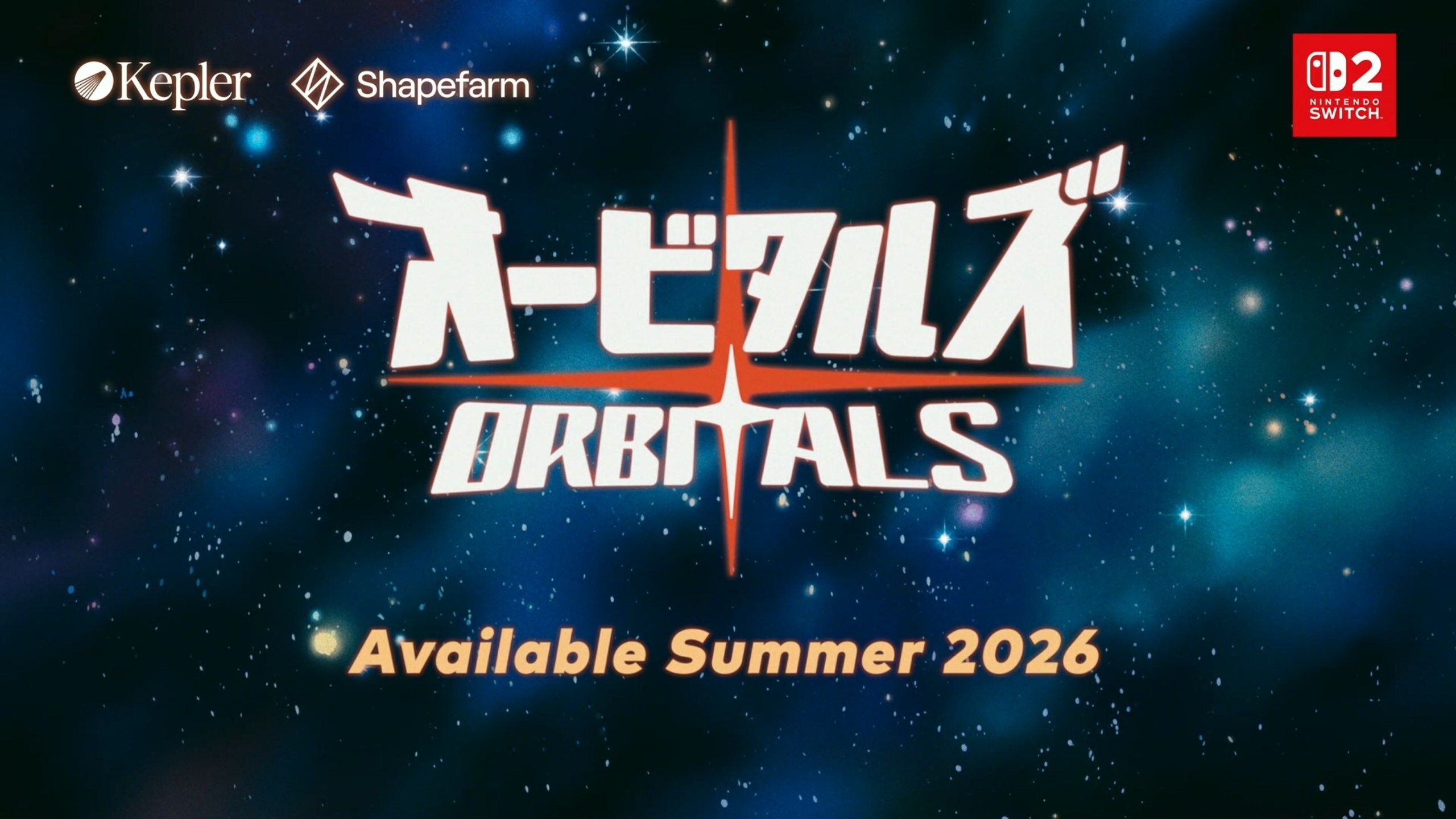
Orbitals popped up during the February 5, 2026 Nintendo Direct Partner Showcase with a simple promise that instantly makes co-op fans lean forward: we are getting a striking, retro anime-inspired two-player adventure that is set to be playable hands on this summer, even though an exact release date has not been pinned down yet. That combination is oddly perfect. We have enough clarity to know it is coming soon, and enough mystery to keep the group chat guessing about the exact day it lands. What is clear is the setup: Orbitals puts us in the suits of Maki and Omura, two explorers trying to help their crumbling space station home while it is trapped in a dangerous cosmic phenomenon often described as a storm. Nintendo’s own description frames it as an intergalactic co-op puzzle platforming adventure, designed around teamwork and communication, and available in both local split-screen and online play, with options that include GameShare and matchmaking with a friend.
The biggest takeaway is that Orbitals is not selling itself on solo heroics. It is selling the idea that two people, working together, can turn chaos into a plan. Think of it like trying to carry a wobbly table up the stairs: one person can brute force it for about five seconds, and then the laws of physics start laughing. With two people, suddenly it is manageable, even fun. That is the energy Orbitals is putting out. Add in the retro anime look, the sci-fi setting, and the promise of a summer release window on Nintendo Switch 2, and we have a co-op experience that looks built for evenings where you want a real adventure, not just a quick match.
Orbitals in one sentence
Orbitals is a Nintendo Switch 2 exclusive, retro anime-inspired two-player co-op puzzle platforming adventure where we team up as Maki and Omura to push through the perils of space and fight for the survival of their storm-trapped station home. That sentence matters because it tells us what the game is really prioritizing: cooperation, problem solving, and forward momentum through a cinematic sci-fi setting. If you have ever played a co-op game where one person ends up doing all the thinking while the other politely follows along, Orbitals is clearly trying to avoid that trap. The official framing leans into asymmetric teamwork and clear communication, which usually means both players have meaningful jobs to do. It also keeps expectations grounded on timing: Nintendo and the game’s partners have set a summer window rather than a day, so we know when to look, without pretending the calendar is already locked in.

A space station in trouble and a storm that won’t quit
Orbitals starts from a classic sci-fi pressure cooker: home is falling apart, help is far away, and the universe has decided to add a supernatural cosmic storm on top of everything. Nintendo’s own game description talks about a crumbling station home trapped within a cosmic storm, and that detail does a lot of storytelling work fast. It gives us a reason to move outward into the unknown, and it gives every puzzle a bit of emotional weight, because the stakes are not abstract. We are not collecting shiny objects just because the game says so. We are pushing forward because the station needs saving, and because the storm is not a background decoration, it is the problem. If the storm is a wall, then every step beyond it feels like a small act of defiance, like squeezing past a closing subway door with a backpack that is way too big.
Meet Maki and Omura
We are not playing as generic space marines here. Orbitals is built around Maki and Omura, described as two inseparable explorers with more determination than experience. That choice sets the tone. These are not flawless action heroes, which opens the door for humor, scrappy problem solving, and those “wait, what if we try this?” moments that co-op games live on. It also helps explain why teamwork is not optional. If the characters are learning as they go, the players can learn as they go too, and the game can make cooperation feel like part of the story rather than a menu setting. When a co-op game nails that, it stops feeling like two separate people sharing a screen and starts feeling like a duo with a shared mission.
The heart of Orbitals: teamwork first
Nintendo describes Orbitals as designed for asymmetric two-player co-op, rewarding smart teamwork and clear communication. That phrasing is a big neon sign that says, “Talk to each other.” In practice, that usually means puzzles are built so that each player sees, reaches, or controls something different, and success comes from combining those perspectives. It is the difference between two people rowing a boat in sync versus two people splashing around with paddles and hoping the river sorts it out. The fun in games like this often comes from the small victories: the moment we finally coordinate a tricky timing puzzle, or the moment we realize we have been doing it the hard way for ten minutes. Orbitals is positioning itself to deliver those moments on purpose, not by accident.
Communication as a mechanic, not a suggestion
When a game says it “rewards” communication, it is quietly telling us that silence is going to feel like playing with one hand tied behind our back. Orbitals looks like it wants the kind of co-op chatter where we are calling out timing, pointing at hazards, and laughing when a plan goes sideways. That can sound intense, but it is also what makes co-op feel memorable. It turns the session into a shared story: the close saves, the silly mistakes, and the little rituals that form, like the person who always says “okay, on three,” and then immediately forgets to count to three. If Orbitals sticks the landing, it will be the sort of game where we finish a segment and say, “Alright, one more,” and then suddenly it is midnight.
Why asymmetric design keeps both players engaged
Asymmetric co-op is a fancy way of saying, “You and your partner are not doing the same job.” That is important because it keeps Orbitals from becoming a mirrored experience where one player could be replaced by an autopilot. If one character is better suited to a specific tool, angle, or interaction, then both players stay mentally locked in. It also helps with pacing. Instead of both players staring at the same obstacle, each person can work a different piece of the problem and bring information back to the team. Done well, it feels like solving a puzzle with two brains and four hands, and suddenly the game space feels more alive because it is built to be discussed, not just observed.
How puzzles and platforming fit together
Nintendo’s description calls Orbitals a co-op puzzle platforming adventure, which is a useful label because it tells us the game is not only about thinking or only about movement. It is both. That blend usually creates a rhythm: explore, identify a challenge, coordinate a solution, and then execute it with timing and movement. If you like co-op games that keep you moving while still making you stop and think, this is the lane Orbitals is driving in. Platforming also makes co-op feel physical in a satisfying way. When a plan works, you do not just see it work, you feel it work as both characters move through space together. And when it fails, it is often funny in that “we were so confident and so wrong” kind of way.
Co-op tools and asymmetric roles
Orbitals has been presented with an emphasis on co-op tools and coordinated play, and multiple write-ups around the Nintendo Direct footage highlight that the game is showcasing how the duo works together moment to moment. Even without listing every single gadget like a shopping receipt, the direction is clear: the game’s obstacles are meant to be tackled with paired abilities and shared problem solving. The key detail is that the game is framed around two players cooperating as a system. That could mean one player sets up an interaction while the other capitalizes on it, or one player manages positioning while the other manages timing. The best co-op games make these roles feel natural, like passing ingredients across a kitchen while you are both trying not to burn the pasta. Orbitals seems built to capture that same “we are doing this together” energy, but in space, with a storm trying to ruin your day.
Local split-screen, online play, and GameShare
Orbitals is explicitly built for two-player co-op either in local split-screen or online, and Nintendo’s official description also calls out GameShare alongside online play options. That is great news for flexibility. Some nights you want couch co-op, snacks on the table, and the kind of teamwork that includes pointing at the screen like that is going to help. Other nights you want to play online with a friend who is not nearby, and you still want the game to feel designed for that format rather than awkwardly adapted. By highlighting both local and online options right away, Orbitals is telling us it wants to meet us where we are. The vibe is: pick your co-op style, grab your partner, and get moving. If you have ever bounced off a co-op game because it made online play feel like an afterthought, this emphasis should sound reassuring.
The retro anime vibe and why it matters
Orbitals is being pitched as retro anime-inspired, and that is not just a paint job. A strong art direction can shape how a game feels to play. Retro anime often leans into bold silhouettes, expressive character motion, and striking color contrast that makes environments readable at a glance without turning everything into visual noise. In a co-op game where timing and coordination matter, readability is a big deal. You want to instantly recognize what is dangerous, what is interactive, and where your partner is, especially when the screen gets busy. The other piece is mood. A retro anime sci-fi setting tends to feel adventurous and slightly nostalgic, like you are stepping into a world where heroism is scrappy and hope is stubborn. That tone pairs nicely with a story about two determined explorers trying to save their home from a cosmic storm. It is dramatic, but it can also be playful, and that balance is exactly what keeps co-op sessions feeling fun rather than exhausting.
What Nintendo Direct confirmed about timing
Here is what we can say without guessing: Orbitals was featured during the February 5, 2026 Nintendo Direct Partner Showcase, and it has a summer 2026 release window on Nintendo Switch 2, with no specific date announced yet. That matters for planning. We can reasonably treat “summer” as the target window for launch, and we can also treat the lack of a date as a sign that more updates are still coming. Nintendo also framed it in a way that makes the hands-on angle feel important, suggesting that the game’s moment-to-moment feel is part of the pitch. A co-op game lives or dies on feel: how responsive it is, how clearly it communicates objectives, and how satisfying it is when two players finally click into sync. The summer window puts Orbitals in that seasonal sweet spot where co-op games tend to thrive, because people have more time for longer sessions and shared play nights.
Why “no date yet” is not a red flag
A missing exact date can make people nervous, but in this case it reads more like caution than trouble. Nintendo and its partners are still giving a clear window, which is more than a vague “coming soon,” and the game has already been shown in multiple trailers and an official Nintendo listing. That combination usually means the project is real, visible, and moving forward, even if the final day is not ready to be printed on a calendar. It also keeps expectations clean. Instead of hyping a specific day and risking disappointment if plans shift, we have a season to watch and a clear signal that more information will arrive as the release window gets closer.
Who Orbitals is likely to click with
Orbitals looks like it is aiming squarely at players who want a true co-op experience, not just a game that allows a second controller to exist. If you like co-op adventures where both people feel essential, the emphasis on asymmetric teamwork should be appealing. If you enjoy puzzle platformers that make you think and move in equal measure, the genre blend should feel familiar in a good way. And if you have a soft spot for retro anime aesthetics, Orbitals is basically waving at you from across the room. The best part is that it does not sound locked to one type of friendship. This can be a couples game, a sibling game, a best-friends-on-headsets game, or a “we only play together once a week but we make it count” game. The premise is serious enough to keep you invested, but the duo-focused setup also leaves room for humor, mistakes, and those chaotic moments that become the highlight of the night.
A quick checklist before going hands on
Since Orbitals is framed around teamwork, the best prep is surprisingly simple: pick a co-op partner who enjoys communicating, not just sprinting ahead. This is the kind of game that will probably reward patience and curiosity, where asking “what do you see on your side?” is part of the fun. If you are planning to play locally, think about comfort. Split-screen co-op is a blast, but it is also a commitment, so a decent screen setup and a relaxed spot to play can make the experience smoother. If you are planning to play online, it is worth making sure you and your partner have a way to talk easily, because the whole “clear communication” promise works best when you are not typing messages mid-jump like you are sending a carrier pigeon. Most importantly, go in with the right mindset: co-op puzzle platformers are like dancing with a partner. You will step on each other’s toes at first, then you will laugh, then you will start moving like you practiced, even if you did not.
Conclusion
Orbitals is shaping up to be a stylish, teamwork-forward co-op adventure that knows exactly what it wants to be: two players, one mission, and a stormy sci-fi world that begs to be explored together. Nintendo has confirmed a summer 2026 window on Nintendo Switch 2 and spotlighted the game during the February 5, 2026 Partner Showcase, while keeping the exact date under wraps for now. The official framing around asymmetric co-op, split-screen and online options, and GameShare support makes it clear that flexibility and cooperation are the main course, not side dishes. If we want a co-op experience that feels like solving problems together instead of playing side-by-side in silence, Orbitals is worth keeping on the radar as summer gets closer.
FAQs
- What is Orbitals?
- Orbitals is a retro anime-inspired two-player co-op puzzle platforming adventure coming exclusively to Nintendo Switch 2, where we play as Maki and Omura on a mission tied to their troubled space station home.
- When does Orbitals release?
- Orbitals has a summer 2026 release window, but an exact release date has not been announced yet.
- Is Orbitals single-player?
- Orbitals is designed around two-player co-op, with an emphasis on teamwork and communication, as described in Nintendo’s official overview.
- How can we play co-op in Orbitals?
- Nintendo has described co-op options that include local split-screen and online play, with support that includes GameShare and matchmaking with a friend.
- What makes Orbitals stand out visually?
- Orbitals leans into a retro anime-inspired style, giving it a bold, distinctive look that fits its intergalactic setting and duo-focused adventure tone.
Sources
- Latest Nintendo Direct: Partner Showcase features new and classic titles coming to Nintendo Switch 2 and Nintendo Switch, Nintendo.com, February 5, 2026
- Orbitals, The Anime-Inspired Co-Op Puzzle Game, Launches Exclusively On Switch 2 This Summer, Game Informer, February 5, 2026
- Orbitals launches this summer, Gematsu, February 5, 2026
- The Switch 2-exclusive co-op adventure Orbitals launches this summer, Engadget, February 5, 2026
- Orbitals (Nintendo Switch 2 game page), Nintendo, February 5, 2026
- Orbitals – Nintendo Direct: Partner Showcase 2.5.2026, YouTube (Nintendo), February 5, 2026