














Summary:
Overwatch Spotlight 2026 sets a very clear tone: this isn’t a small patch cycle, it’s a reshaped year with a beginning, middle, and end. Blizzard is dropping the “2” from the name and moving forward as Overwatch, and that branding shift matches what’s happening inside the game. A year-long narrative arc, The Reign of Talon, is rolling out from Season 1 through Season 6, with story beats delivered through in-game events, hero trailers, voice lines, map updates, and more. The point is simple: we’re not getting scattered lore crumbs. We’re getting a story that keeps showing up while we queue, fight, and climb.
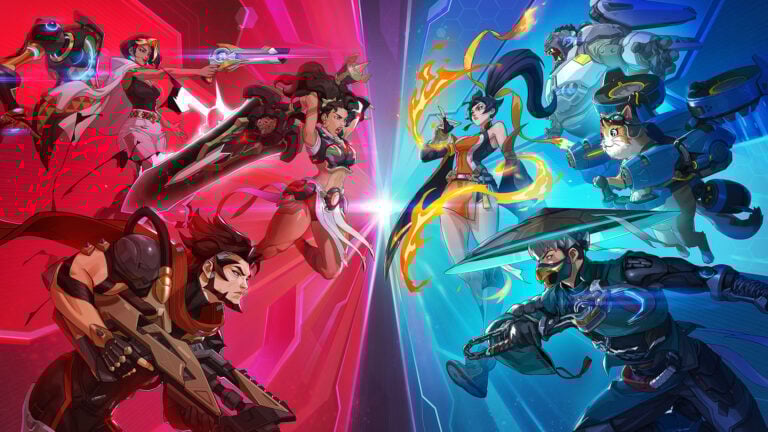
The headline gameplay punch is the hero plan. Ten new heroes are set for 2026, and Season 1 alone brings five at once on February 10: Domina, Emre, Mizuki, Anran, and Jetpack Cat. That’s a roster shake-up big enough to change what “standard team comp” even means for a while, especially with new role sub-roles and passives layered on top. On the systems side, we’re also getting a major UI and UX refresh, including a 3D hero lobby and faster navigation, plus features that aim to make sessions feel smoother and less menu-heavy. Then there’s Conquest, a multi-week faction war where we pick Overwatch or Talon, complete missions, and chase a pile of rewards.
And yes, there’s also a platform beat that matters: Overwatch is coming to Nintendo Switch 2 in Season 2, lined up for spring 2026. Put it all together and the message is hard to miss. Overwatch is trying to feel like one living game again, with a storyline you can actually follow, a steady release rhythm, and enough fresh tools and events to keep weekly play feeling purposeful instead of routine.
Overwatch Spotlight 2026 and the name change
Dropping the “2” isn’t just a cosmetic rename, it’s Blizzard planting a flag that Overwatch is meant to feel like a single, evolving home rather than a sequel that’s forever being compared to what came before. Names shape expectations, and “Overwatch 2” has carried a weird kind of baggage for years, like a label that kept inviting the same argument: “So what makes it a sequel?” By going back to Overwatch, we get a cleaner promise. The game isn’t being replaced, it’s being expanded. That matters when you’re deciding whether to return, whether to stick around, and whether your time investment will keep paying off. It also lines up with the bigger theme of Spotlight 2026: fewer disconnected updates, more long-range intent. If the year is going to have a story arc with a real ending, a big hero pipeline, and major system refreshes, the name needs to feel like a main stage, not a footnote. Think of it like repainting the storefront right before reopening the doors for a busy season.

The Reign of Talon and why the story is built to last all year
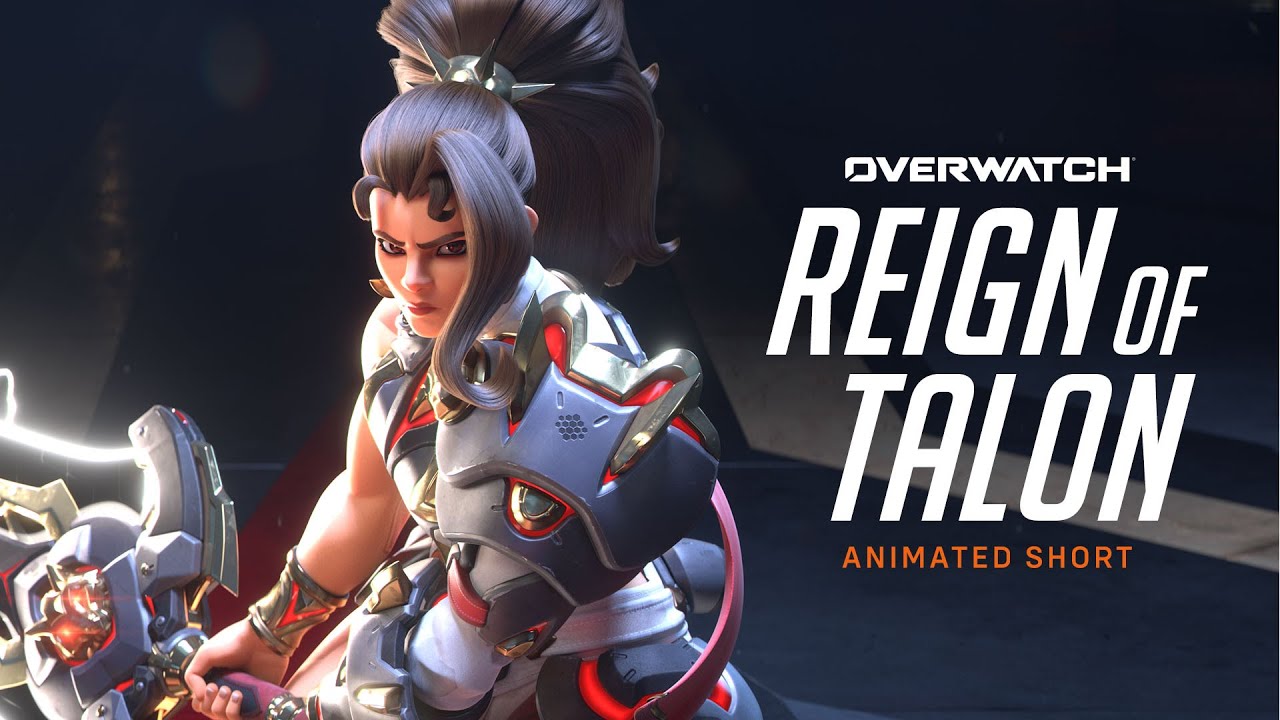
The Reign of Talon is being framed as a year-long narrative arc that runs from Season 1 through Season 6, and that structure is the real change. Instead of treating lore like optional side reading, we’re getting an arc with a set start and a planned finish, and the seasons are acting like chapters. Talon’s rise is the spine of the year, with Overwatch forced into a reactive role as the world shifts around them. The key idea is momentum. When a villain faction is written as “winning,” the universe feels like it’s moving, not just looping. And when the universe moves, cosmetic themes, map visuals, hero motivations, and even event rules can all point in the same direction. That kind of alignment is what makes a live game feel less like a playlist and more like a Saturday morning show you actually want to keep up with. If we’re honest, plenty of us love the matches first and the lore second, but a strong arc can still improve the vibe. It gives context to why new heroes appear, why locations change, and why we’re fighting in the first place, even if we never read every line.
How the story shows up in-game without slowing matches down
One of the smartest parts of this approach is that the story delivery is designed to ride alongside play, not replace it. We’re talking about in-game events, cinematics, animated hero trailers, short stories, voice lines, and map or visual updates that reflect what’s happening in the arc. That mix matters because it hits different player types without forcing everyone into the same funnel. If you only want to queue Competitive, you’ll still feel the narrative through the world’s presentation and the event structure. If you want the full picture, you can follow motion comics and written pieces that fill in the gaps. The result is a story that can be “background music” or “main track,” depending on how you play. It also helps that updates like map visuals and new interactions can make familiar spaces feel refreshed without asking anyone to learn an entirely new mode. It’s like redecorating a room you already know well. You still know where the couch is, but the lighting makes it feel like a different night.
The 2026 hero plan and why five heroes at once changes everything
Ten new heroes in one year is already a big promise, but launching five of them at once in Season 1 is the real shockwave. Normally, a new hero drops and the community spends weeks learning matchups, testing counters, and arguing about balance like it’s an Olympic sport. Now imagine that process multiplied, with new kits landing across Tank, Damage, and Support on the same day. That’s going to reshape early-season play because “the meta” won’t be a neat answer for a while, and that’s not necessarily a bad thing. Early seasons are supposed to feel lively, like everyone’s trying things and discovering new patterns. A big roster injection also encourages role variety. If you’re a Support main who’s bored of the same rhythm, a new Support kit can feel like someone opened a window in a stuffy room. And because these heroes are tied to the narrative arc, they aren’t just gameplay additions. They’re also characters with motivations that connect to the Talon versus Overwatch tension. That makes the launches feel less random and more like arrivals in a story we’re already watching unfold.
Season 1 hero lineup and the “who fits where” snapshot
Season 1 brings Domina (Tank), Emre (Damage), Mizuki (Support), Anran (Damage), and Jetpack Cat (Support). The lineup is deliberately split across roles so we don’t get a year that’s overly tilted toward one part of the roster. It also sets up a clear theme: Talon gets reinforcements, and Overwatch answers with its own new faces. From a match perspective, we’re looking at fresh tools for space control, mobility, survivability, and team utility. From a learning perspective, we’re also looking at a season where understanding kits quickly will be a real advantage, because confusion is basically guaranteed in the first wave. If you’ve ever joined a match on patch day and heard someone say, “Wait, what does that do?” you already know the vibe. The good news is that the lineup offers different flavors. Not everyone is a twitchy duelist, and not everyone is a pure heal bot. That range should help the season feel like a buffet instead of five servings of the same meal.
Domina and what a long-range tank really means
Domina is positioned as a long-range controller style Tank, and that immediately raises an interesting question: how do we tank without being glued to the front line? Her kit leans into hard-light tools, including a segmented barrier and a zoning-focused ultimate, which suggests we’re meant to shape fights with geometry, not just health pools. A segmented barrier is especially spicy because it changes how opponents break through. Instead of “delete one shield,” they’re dealing with multiple pieces that can create awkward angles and force decision-making. Add in displacement tools and an imprisoning ultimate, and we’re looking at a Tank who can decide where people are allowed to stand. That’s the kind of power that can make chokes feel safer, open space for teammates, and punish teams that clump too comfortably. The most exciting part, though, is what it does to pacing. A long-range Tank can slow chaos into something more deliberate, like turning a bar fight into a chess match. Not everyone will love that, but it definitely changes the texture of games.
Emre and the return of a run-and-gun damage style
Emre is described as a mobile, soldier-like Damage hero with a burst rifle, an aimed mode for accuracy, a grenade, and a temporary weapon swap that adds life-steal explosive pressure. That combination reads like a classic “take an angle, punish mistakes, rotate fast” kit, which is the bread and butter of many Damage players who like consistent output over flashy one-shots. The interesting twist is how the kit seems built to reward tempo. If you can keep moving, keep peeking, and keep your cooldown rhythm clean, you’ll get value without needing perfect highlight-reel aim every second. The ultimate also sounds like a high-impact window, the kind of button that can flip a fight if you time it into enemy cooldown gaps. In plain terms, Emre looks like a hero who will reward players who like pressure, who like taking space with their feet, and who enjoy that feeling of being the engine that keeps a team push rolling. If Domina is the chess match, Emre is the drummer keeping the beat.
Mizuki and the risk-reward of support utility
Mizuki brings Support utility that looks built around movement tricks, bouncing projectiles, and a mix of healing and control. A heal that can bounce between allies is the kind of tool that feels amazing when your team is grouped and brutal when everyone is playing solo hide-and-seek behind separate corners. The leap-and-return movement ability suggests mind games, because repositioning is half the battle for Supports, especially when flankers smell fear. Add a tethering chain that hinders an enemy and an ultimate that creates a sanctuary that heals allies while absorbing projectiles from outside, and you can see the identity: protect the team’s space and punish anyone trying to crash the party. The passive healing aura angle also hints at a Support who wants to stay involved rather than sitting a mile back. That can be scary, but it can also be empowering. It’s like being the friend who refuses to leave the dance floor, even when the song gets intense.
Anran and what the hero trial is really for
Anran arrives as a high-mobility Damage hero with fire-based attacks and a hero trial window from February 5 to February 10, right before Season 1 fully launches on February 10. Trials like this do two things at once. First, they let players get hands-on time without the day-one chaos of five heroes landing simultaneously. Second, they let Blizzard collect real match data and feedback at scale, which matters when a kit includes mobility, damage amplification, and a pair of ultimate states that even includes self-revival behavior. That kind of design can easily swing between “fun and fair” and “why is this legal,” depending on tuning. From a player perspective, a trial is also a confidence builder. You can learn basic combos, get a feel for range and escape options, and walk into Season 1 with less guesswork. If you’re the type who hates feeling behind on patch week, the trial is basically a head start. It’s like being allowed to read the menu before the waiter shows up.
Jetpack Cat and how permanent flight changes team movement
Jetpack Cat is a Support with permanent flight, and that single phrase is enough to make people’s brains start drawing new map routes. Permanent flight changes not only survivability, but also the way teams rotate and the way angles are created. Add a transport mode that can tow an ally and increase movement speed while providing healing, and now you’re talking about repositioning as a core support function, not just a bonus. That could mean saving a slow teammate from a bad corner, accelerating a push through open sightlines, or pulling someone out of danger like a cartoon rescue scene where the hero grabs a friend by the collar and yanks them away from trouble. There’s also a pulsing area heal with a knockback, which suggests close-range disruption tools that could protect the backline while you’re floating above it. The ultimate adds more crowd control flavor. Put it all together and Jetpack Cat reads like a Support designed to make teams feel more mobile, more slippery, and harder to pin down, especially in messy mid-fight resets.
New role sub-roles and passives that reshape match pacing
Role sub-roles and passives are one of those changes that can look small on paper and feel huge in matches, because they influence how players behave every single fight. Tanks now split into groups like bruisers, initiators, and stalwarts, Damage gets distinctions like sharpshooters and flankers, and Support gets angles like tacticians and medics. The point isn’t to force a rigid identity, it’s to nudge play patterns. A flanker who gets more value from health packs is going to route differently through the map. A stalwart Tank who resists knockbacks is going to hold space more confidently against boops and slows. A tactician Support who can bank extra ultimate charge changes how you think about timing and carryover value. The best part of systems like this is that they create “soft rules” instead of hard ones. We still pick heroes for kit synergy, but now the game is also whispering little incentives into our ears. And yes, we’ll all pretend we’re immune to incentives, right up until we notice we’re making slightly different choices every match.
Conquest meta event and why faction choice matters
Conquest is a multi-week faction war where we align with Overwatch or Talon, complete missions tied to lore, and chase rewards that stack up across the event. On the surface, it’s a reward track with a story wrapper. In practice, it’s also a community momentum engine. When a game gives players a shared choice, even a symbolic one, it creates conversation: “Which side are you on?” It’s the kind of question that fills friend chats and keeps people logging in weekly to push progress. The reward list is also substantial, including a large lootbox haul, cosmetics, voice lines, titles, and a faction-themed Legendary Echo skin choice. That mix matters because different players care about different things. Some chase skins, some chase titles, some just want a reason to play with friends on a schedule. The smart part is the weekly cadence. It turns the arc into something you participate in rather than just watch. It’s like being in the crowd at a sports match instead of watching from the couch.
Competitive updates and what “a new year” actually changes
Season 1 also kicks off a new competitive year, and that phrase usually means resets, rewards, and a refreshed sense of “this is the season to grind.” New weapon skins and rank-based cosmetics are classic motivators, but the more important angle is how Competitive systems keep trust. Players need to feel that ranks mean something, titles reflect achievement, and rewards match effort. Spotlight 2026 points toward changes like new competitive cosmetics and title adjustments that roll forward with seasonal timing. The practical outcome is that early Season 1 will be loud. Five new heroes plus new role passives plus a competitive reset is like shaking a snow globe and asking everyone to climb while the flakes are still swirling. For some players, that’s the best part of the year. For others, it’s a reason to wait a week or two before committing hard. Either way, the season is clearly designed to feel like a reset moment, not a routine rollover.
UI and UX refresh: faster navigation, 3D lobby, and less friction
A UI and UX refresh sounds boring until you remember how much time we spend in menus. Loading into a match is the fun part, but everything around it shapes how the game feels session to session. Spotlight 2026 calls out modernized menus, faster navigation, a notification hub, and a 3D hero lobby that starts in Season 1 and expands to show full party presence later on. That combination is all about reducing friction. Less friction means we spend less time hunting for the button we need and more time actually playing. It also means returning players are less likely to bounce off the interface. A clean navigation flow can be the difference between “one more match” and “I’m done for the night.” The 3D lobby is also about personality. When you see your selected hero presented more like a character and less like a static icon, it helps the universe feel alive. It’s a small psychological nudge, but those nudges add up, especially in a game that’s trying to feel welcoming again.
Stadium updates, hero builder changes, and the Vendetta angle
Stadium continues to get attention as a pillar with its own identity, and Spotlight 2026 highlights updates like an armory icon overhaul and a smarter hero builder with recommended builds based on global player data. That’s a big deal for accessibility. Stadium can be intimidating because build choices create a knowledge gap, and knowledge gaps can make new players feel like they’re bringing a spoon to a sword fight. Recommended builds help bridge that gap without removing creativity. You can still go off-script, but you’re less likely to make a choice that quietly ruins your entire match. The addition of Vendetta into Stadium also ties the mode into the narrative direction, which keeps the year’s theme cohesive. When a mode reflects the story arc, it feels less like a separate toy box and more like part of the same universe. If the goal is to make the year feel connected, Stadium can’t be the weird side room. It needs to feel like another hallway in the same house.
Cosmetics, Mythics, and the Hello Kitty and Friends collaboration
Cosmetics are always a big part of Overwatch’s identity, but Spotlight 2026 frames them as part of the year’s theme rather than random drops. Faction-themed looks, seasonal collections, and Mythic releases create a rhythm that players can anticipate, and anticipation is half the fun. Knowing that a Mythic is coming for a certain hero can change how you play, what you collect, and what you show off. And yes, collaborations matter, because they pull in players who might not care about competitive resets but absolutely care about a skin that makes them laugh. The key is balance. We want cosmetics to feel like celebration, not obligation. When the lootbox pool is refreshed and older shop looks rotate back into availability, it can also reduce that “missed it forever” feeling that burns out collectors. The best cosmetic systems make players feel like they’re choosing what they love, not sprinting on a treadmill that never stops.
Hello Kitty and Friends collaboration and why it fits Overwatch’s tone
The Hello Kitty and Friends crossover runs February 10 to February 23, and it pairs specific heroes with Sanrio characters, including Juno as Hello Kitty, Kiriko as Cinnamoroll, Mercy as Pompompurin, D.Va as My Melody, Widowmaker as Kuromi, and Lucio as Keroppi. On paper, it sounds like chaos. In practice, it’s exactly the kind of tonal whiplash Overwatch has always been weirdly good at. Overwatch can do heartfelt cinematics and then immediately let you run around as a pastel-themed hero, and somehow it still works because the game’s core is personality. Crossovers like this are also pressure relief valves. When a season is packed with new heroes, new systems, and a serious narrative arc about Talon, a playful cosmetic event gives the community a chance to breathe and just enjoy being silly for a bit. It’s the gaming equivalent of putting a fun sticker on a serious notebook. The notes are still there, but you smile every time you open it.
Lootboxes, rewards, and why “earning stuff” needs to feel fair
Rewards systems live or die on one feeling: fairness. If rewards feel stingy, players get annoyed. If they feel overly generous in a way that breaks value, the system loses meaning. Spotlight 2026 leans into reward-heavy beats like Conquest and refreshed lootbox pools, and the important part is how those rewards connect to play. When missions are tied to lore and weekly participation, earning rewards feels like a result of showing up and engaging, not just opening a wallet. That’s healthier for community mood, because it creates a shared sense of progress. It also supports returning players, who often need that first “I’m back and I’m getting cool things again” moment to stick. A good reward loop is like a well-timed compliment. Too rare and it feels cold, too frequent and it feels fake. The sweet spot is steady, specific, and earned, and that’s what these event structures are aiming for.
Esports beats across 2026 and why they tie into rewards
Esports sits in a tricky place for any live game. Some players watch every match, some never watch at all, and yet the ecosystem can still benefit everyone when it’s connected to in-game rewards. Spotlight 2026 points to major beats like OWCS activity and the return of the Overwatch World Cup at BlizzCon, along with esports-themed lootboxes tied to viewing select broadcasts. That linkage is important because it turns esports from “other people playing” into “something we can participate in.” Even if you’re not an esports fan, you might tune in for a reward, then accidentally get invested in a storyline, a team rivalry, or a player who does something ridiculous on screen. That’s how audiences grow. And from Blizzard’s side, a healthy esports calendar reinforces the idea that the game has a future. It’s not just a ladder reset every few months, it’s a living competitive scene with moments that feel like seasons of a sport. If the goal is to make Overwatch feel like it’s thriving, esports is one of the loudest signals available.
Nintendo Switch 2 release timing and what to expect in Season 2
Overwatch is planned to arrive on Nintendo Switch 2 in Season 2, positioned for spring 2026, and that timing is meaningful. It avoids the immediate chaos of Season 1, where five heroes, new systems, and Conquest are already demanding attention, and it gives the Switch 2 launch its own breathing room. A new platform release is never just “same game, different box.” Players expect smoother performance, better readability, and an experience that feels native to the hardware instead of a hand-me-down. By anchoring Switch 2 to Season 2, Blizzard can treat it like a real moment rather than an afterthought. For players, it also creates a simple calendar: Season 1 is the big reset, Season 2 is the platform expansion. If you’re a Nintendo-first player, that’s a clear reason to keep an eye on the season transition. And if you’re already playing elsewhere, it opens the door to a second home for the same game, whether that’s for portability, convenience, or just the novelty of seeing how the new hardware handles the action.
Conclusion
Overwatch Spotlight 2026 is built around one central idea: the game is trying to feel unified again. The name change to Overwatch is the headline, but the real story is the structure underneath it. The Reign of Talon gives the year a spine, ten new heroes give the roster a surge of fresh energy, and Season 1’s five-hero launch makes it clear that this is meant to feel like a true turning point. Systems like role sub-roles, Competitive year updates, and the UI and UX refresh aim to change how the game feels moment to moment, not just how it looks on a roadmap. Conquest adds a community-driven, reward-rich layer that keeps the story present in weekly play, while Stadium updates and cosmetic beats round out the year so different player types have reasons to log in. And with Switch 2 arriving in Season 2, spring 2026 becomes another milestone rather than a vague “someday.” If we’ve been waiting for a year that feels intentional, Spotlight 2026 is Blizzard saying, “Alright, here it is – now let’s see you in queue.”
FAQs
- When does Season 1 launch, and what kicks it off?
- Season 1 launches on February 10, 2026, starting The Reign of Talon arc and bringing five new heroes into the roster at once.
- How many new heroes are planned for 2026?
- Ten new heroes are planned across 2026, with five launching in Season 1 and additional heroes arriving in later seasons.
- What is Conquest, and why should we care?
- Conquest is a multi-week faction event where we align with Overwatch or Talon, complete missions tied to lore, and earn a large set of rewards including cosmetics, titles, and a faction-themed Legendary Echo skin choice.
- What is changing in the menus and lobby experience?
- The UI and UX refresh introduces redesigned menus, faster navigation, a notification hub, and a 3D hero lobby in Season 1, with more expansions to party presentation planned later.
- When is Overwatch coming to Nintendo Switch 2?
- Overwatch is slated to come to Nintendo Switch 2 in Season 2, aligned with spring 2026 timing.
Sources
- Overwatch Spotlight: The Reign of Talon Begins, Overwatch (Blizzard), February 4, 2026
- Blizzard explains why it’s dropping the 2 from Overwatch 2, Polygon, February 4, 2026
- Overwatch’s big new collab of 2026: Hello Kitty and Friends, Polygon, February 4, 2026
- Overwatch 2 Ditches The Number In Huge Overhaul, Switch 2 Version Announced, Nintendo Life, February 5, 2026
- Overwatch will drop the ‘2’ as Jetpack Cat and four other heroes arrive on February 10, Engadget, February 4, 2026