














Summary:
Bandai Namco’s December 22 update for PATAPON 1+2 REPLAY adds a new mode called Boss Rush Challenge, and it’s built for players who want a tighter, meaner test of their timing and squad planning. Instead of spreading the action across the usual campaign flow, we jump straight into consecutive boss battles using armies we raised in PATAPON 1 and PATAPON 2. The hook is simple: the bosses change by stage, their order can vary, and our army’s health and survival state carries over within a stage. That single rule turns every decision into a small gamble. Do we push with a slightly bruised frontline, or rotate units and lean on the bigger recovery for reserves? It’s a bit like running a marathon where you’re allowed to swap shoes between miles, but only if you packed them ahead of time.
We also get clear boundaries that keep things stress-free for the main adventure. Losing Patapons or using items in Boss Rush Challenge doesn’t impact the main scenario, so we can go all-in without the fear of “ruining” a save. Saving is restricted to after clearing a stage, which adds tension but also keeps the mode focused on clean attempts rather than constant safety nets. Alongside the new mode, the update includes a batch of fixes and adjustments, including version numbers for each platform and tweaks to timing setting labels. If you’ve been waiting for a reason to revisit your old squads, this is the kind of mode that makes you say, “Okay, one more run,” and then look up and realize your snack disappeared an hour ago.
PATAPON 1+2 REPLAY Free update adds
December 22 is a meaningful date for PATAPON 1+2 REPLAY because the free update doesn’t just sprinkle in minor tweaks – it introduces a full new mode and rolls out a list of fixes and adjustments at the same time. The headline addition is Boss Rush Challenge, a mode where we take armies raised in PATAPON 1 and PATAPON 2 and fight consecutive bosses. That’s the new playground, but the update also brings practical improvements that matter when we’re playing for precision. Bandai Namco lists separate version numbers per platform, which is handy if you want to confirm you’re on the same build as a friend. Beyond that, the patch notes include fixes for visual issues, sound bugs, progression-halting issues, and a few smaller problems like key configuration quirks. There’s also a small but welcome change in the OPTIONS menu: timing setting values now show a plus sign for positive values, plus a tooltip explaining how the minus side shifts timing judgment toward earlier inputs. It’s the kind of detail that saves a lot of “Wait, did I just make it worse?” second-guessing when you’re tuning your rhythm.

A Boss Rush Challenge
Boss Rush Challenge is exactly what it sounds like, and then it adds a few rules that make it feel like its own little sport. We enter with our existing armies and take on a sequence of bosses, and the number and strength of bosses vary with each stage. Boss appearances can be random, which means we can’t rely on memorizing one perfect script and calling it a day. The biggest twist is carryover: our army’s HP and survival status persist throughout the same stage, and Patapons that hit 0 HP fall in battle without dropping a cap. Between fights, Patapons recover a fixed amount of HP, with reserves recovering more than the units we actively bring into battle. Hatapon is a special case and recovers full HP each battle, which is a nice anchor when everything else starts looking scuffed. Clear a stage and we reset back to the beginning state for the mode with HP restored and units revived, and only then can we save. In plain terms, we’re rewarded for smart pacing, not just raw aggression, and that makes every stage feel like a small campaign compressed into a string of boss rooms.
How runs are structured
A run in Boss Rush Challenge is built around stages, and stages are the key unit of progress. Within a stage, we fight multiple bosses back-to-back, and the stage number ties to the number of bosses we’ll face. The stakes rise because we can’t treat each fight like an isolated scene – damage, losses, and the general “state” of our army carries forward until the stage ends. If we wipe, we restart from the last save point, and saving is only possible after clearing a stage. That design does two things at once. First, it encourages planning: we need a squad that can survive a sequence, not just win one matchup. Second, it keeps the mode from turning into endless micro-saving, which can drain the drama from a boss rush. The best mental model is a relay race where each runner hands off the baton while tired. We can still win, but only if we manage our energy, rotate wisely, and avoid panicking when one leg goes poorly.
Carryover, recovery, and what resets
Carryover is the rule that makes Boss Rush Challenge feel different from a normal boss rematch playlist. HP and survival status carry over, so if a unit drops, it stays dropped for the remainder of that stage. Recovery exists, but it’s structured: Patapons recover a fixed amount each battle, reserves recover more than active units, and Hatapon gets full recovery every battle. That means we’re nudged toward thoughtful bench management instead of brute-forcing with the same lineup until it breaks. Then we get the reset at the right moment: after clearing a stage, our army returns to the status from the beginning of the mode with full restoration and revives, and only after clearing a stage can we save progress. Importantly, what happens inside this mode – losing Patapons or consuming items – doesn’t affect the main scenario. That’s a relief because it turns risk-taking into fun again. We can experiment, fail loudly, and come back swinging, without feeling like we’ve permanently dented a campaign save.
Why boss rush fits Patapon’s rhythm tactics
Patapon has always been at its best when rhythm and decision-making collide. We’re not just pressing buttons to the beat for style points – we’re using rhythm as the steering wheel for an army, and the road is full of sharp turns. Boss Rush Challenge leans into that identity by putting pressure on consistency. In a normal play session, a messy fight can be followed by a calmer stretch where we recover, farm, or reset our approach. In a boss rush, the game asks a different question: can we stay composed when the next threat is already waiting? Because HP and survival carry over, we can’t treat a sloppy victory as “good enough” – it becomes a debt we pay in the next battle. That’s a very Patapon kind of lesson. Rhythm games punish drift, and tactics games punish poor planning. Here, we get both, wrapped into a mode that rewards steady hands, clean inputs, and squads built for endurance. If the campaign is a road trip, boss rush is a timed lap – shorter, sharper, and very honest about our mistakes.
Who should try the new mode first
Boss Rush Challenge is designed for players who have cleared the main scenario, and that’s an important gate because it sets expectations. This isn’t meant to be our first taste of PATAPON 1+2 REPLAY. It’s a second course, the spicy one, the one that makes you reach for water and grin anyway. If you’ve finished the main story and you know your comfort squad inside out, you’re the exact person this mode is aimed at. If you’re returning after a break, it can still be a great re-entry point, but it helps to spend a bit of time reacquainting yourself with timing and unit roles before you jump into consecutive boss fights. The good news is that the mode’s consequences don’t spill into the main scenario, so even if you feel rusty, you can treat early runs as practice without fear. Think of it like going bowling with friends: the first game is warm-up, the second is when you start saying, “Okay, okay, I’m locked in now,” even if you’re absolutely not locked in yet.
Getting your army ready before you queue up
Preparation matters more in a boss rush than it does in a single boss encounter, because we’re building for survival across multiple fights, not just one matchup. The mode specifically uses armies raised in PATAPON 1 and PATAPON 2, and the carryover rules mean we should think about durability, rotation, and how quickly we can stabilize after a bad exchange. It’s not about chasing a perfect, fragile setup that explodes when something goes wrong. Instead, we want a squad that can take a punch, keep tempo, and still finish strong when the stage is nearly done and we’re tempted to get sloppy. The other reason prep matters is recovery behavior: reserves recover more HP than active units, which encourages us to build a bench we’re actually willing to use. If we never rotate, we’re ignoring a core advantage the mode hands us. The vibe is simple: pack like you’re going hiking, not like you’re popping out for milk. Extra socks win wars, and reserves win stages.
Loadouts that stay reliable under pressure
“Reliable” is the keyword for boss rush loadouts. Because bosses appear across stages and can show up in varying order, we can’t tailor everything to one specific target. We should aim for balanced roles: dependable damage, survivability, and tools that help us regain control when a fight starts slipping. The carryover system also makes it smart to avoid overly risky playstyles that trade half the squad’s health for a faster clear, because that bargain looks worse when the next boss is already loading in. Rotation is part of the plan, not a sign of failure. If reserves recover more, we should actually let them do that job and cycle units rather than stubbornly forcing the same group to carry every fight. Also, remember Hatapon’s special recovery rule – full HP each battle – which gives us a stable centerpiece even when the rest of the army looks battered. The goal isn’t perfection, it’s resilience. We want to finish the stage with enough structure left that we’re still making choices, not just reacting.
A simple prep checklist
Before we jump in, a short checklist keeps us from doing the classic rhythm-game thing: rushing in, missing the beat, and then blaming the controller like it personally insulted us. First, confirm we’re using cleared main scenario save data, since the mode is restricted to post-clear saves. Next, take a minute in options to verify input timing settings, especially now that positive values are labeled with a plus sign and the tooltip clarifies how minus shifts judgment earlier. Then, think about rotation – pick a lineup that has reserves you’re comfortable swapping in. After that, check that you’re updated to the correct version on your platform, because mismatched versions can lead to confusion when comparing notes with friends. Finally, go in with the right mindset: the mode is designed to test us, and early runs are supposed to feel like a reality check. If the first attempt is messy, good. That’s the game showing us where the weak seams are, so we can stitch them up and try again.
Reading the teaser and what it shows
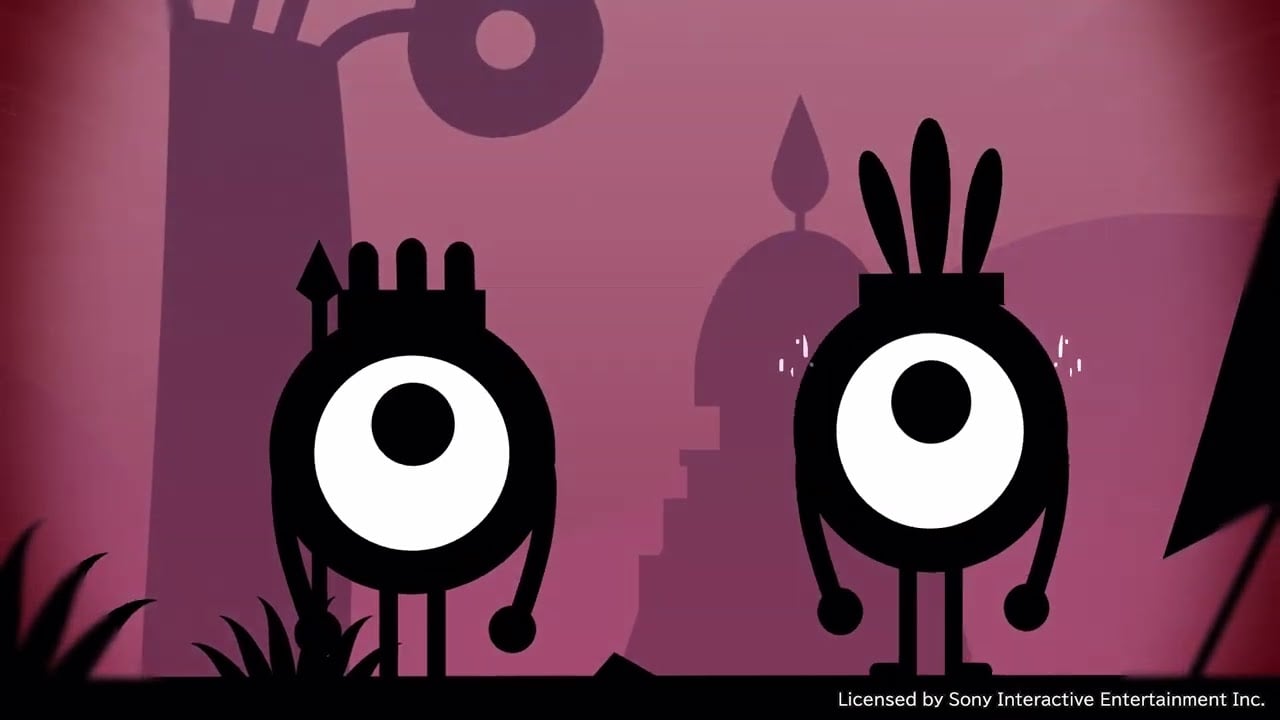
The teaser did its job by being short and direct: it pointed at a free update arriving December 22 and hinted at a new mode, without dumping a full lecture on how everything works. That kind of tease is like someone sliding a plate under your nose and saying, “Smell that? Dinner’s soon.” The important part is what the teaser doesn’t do. It doesn’t replace patch notes, and it doesn’t tell us every rule. For the real details, we rely on the official update notice and the mode overview, which explain how Boss Rush Challenge works, how saving is handled, and how carryover and recovery behave. Once you’ve read those details, the teaser becomes more fun because you can recognize what it’s pointing toward: consecutive boss battles, higher difficulty, and a clear focus on testing timing and squad management. In other words, the teaser is the doorbell, and the official notes are what’s actually inside the package. Both matter, but only one tells you what you just bought – or in this case, downloaded for free.
How to download the update on each platform
Updating is straightforward, but it’s worth doing deliberately so we don’t end up troubleshooting something that’s really just “Oops, we didn’t actually install the patch.” On Nintendo Switch, updates typically apply from the HOME menu by checking for software updates on the game icon. On PlayStation 5, updates usually download automatically if settings allow, and we can also manually check for updates from the game’s options. On Steam, updates generally push automatically when the client is online, though queued downloads or paused updates can delay installation. The key is to follow through and confirm the version afterward, because Boss Rush Challenge is part of the December 22 update package. Also, keep in mind that the official update notice provides separate version labels for each platform, so we shouldn’t expect the same number everywhere. That mismatch is normal, not a red flag. Think of it like shoe sizes in different regions: the label changes, but the shoe is still the shoe, and the goal is making sure you’re actually wearing it.
Verifying your version and checking patch notes
Version verification is the easiest way to confirm we’re on the correct update, and the official notice lists the platform versions clearly. For PlayStation 5, the December 22 update is labeled ver 01.000.006. For Nintendo Switch, it’s ver 1.0.7. For Steam, it’s ver 1.0.9. If you’re comparing with a friend, those are the numbers you want to match to your platform, not to theirs. Patch notes are also where we see the extra fixes beyond the new mode: graphics-related issues, sound bug fixes like a missing “CHAKA” sound for the Earthquake Miracle command, progression-halting bugs, and adjustments such as the timing setting label change in OPTIONS. Reading notes might feel like eating your vegetables, but it pays off because it explains what changed and why things might feel slightly different. If something odd happens after updating, patch notes are the first place to check before we spiral into conspiracy theories about haunted drum inputs.
Tips for keeping rhythm when the stakes climb
Boss Rush Challenge is a consistency test, and consistency is basically rhythm’s love language. When the stage stretches on and HP carryover starts to matter, the temptation is to tense up and overcorrect. That’s when timing gets worse, not better. A simple approach helps: focus on clean, repeatable inputs rather than trying to “hero” a fight with frantic commands. If you notice yourself missing beats, pause mentally and reset your breathing for a moment, because rhythm games punish panic like it’s their job – and here, it literally is. Another practical habit is to keep your eyes and attention on the same cues every time, so you’re not switching between watching animations, health, and effects in a way that overloads you. The mode also encourages smart rotation since reserves recover more HP, so don’t treat swapping as defeat. It’s strategy. Finally, remember the mode doesn’t affect the main scenario, so you can afford to experiment. Some runs should be “practice runs” where the goal is staying steady, not clearing the highest stage immediately.
Fair expectations for difficulty and time investment
This mode is described as high difficulty on the official side, and the rules back that up. Consecutive bosses, random appearances, and carryover survival mean that even strong squads can get worn down if we play sloppy or refuse to rotate. It’s the kind of mode that rewards learning patterns and making small improvements each attempt, rather than expecting a clean sweep on the first try. Time investment can also vary because stages scale with multiple bosses, and a run can end quickly if a bad sequence catches you off guard. That’s not wasted time, though. In a boss rush, failed attempts teach us what breaks first: timing, durability, or decision-making. The saving rule – only after clearing a stage – can make sessions feel more intense, but it also creates natural stopping points. Clear a stage, save, and take a break before you start playing like a sleep-deprived drummer in a washing machine. If you treat it as a mode you return to in bursts, it stays fun instead of feeling like homework.
Sharing progress and turning it into a friendly challenge
Boss Rush Challenge is the sort of mode that practically invites friendly competition, even if there’s no official leaderboard staring us down. Because stages test both skill and planning, it’s fun to compare approaches: which squads people use, how they rotate units, and what small habits keep them consistent when the run gets tense. If you’re sharing tips with friends, the best way to keep it helpful is to focus on repeatable ideas rather than pretending there’s one magic setup that solves everything. Compare stage clears, talk about what went wrong in failed attempts, and swap small improvements like timing settings or rotation habits. And since the mode doesn’t impact the main scenario, it’s low-pressure to experiment and report back. Treat it like a potluck: everyone brings something different, and the table ends up better than any one person’s meal. The December 22 update gives us a fresh reason to revisit our old armies, and Boss Rush Challenge turns that nostalgia into a real test – the fun kind, where we laugh, learn, and inevitably say, “Okay, one more try.”
Conclusion
The December 22 free update for PATAPON 1+2 REPLAY lands with a clear purpose: give us a tougher, sharper way to use the armies we’ve already built, without putting our main scenario progress at risk. Boss Rush Challenge does that with smart rules – consecutive bosses, varying stages, and carryover HP and survival that force us to plan, rotate, and stay steady on rhythm. Saving only after clearing a stage adds tension, but it also creates satisfying milestones, and the fact that losses and item use don’t affect the main scenario keeps experimentation fun instead of stressful. Add in the extra fixes and small quality tweaks like clearer timing labels, and this update feels like both a new playground and a tune-up at the same time. If you’ve cleared the main scenario and want something that tests your consistency, this mode is a solid reason to pick up the drums again and see how far you can march.
FAQs
- What is Boss Rush Challenge in PATAPON 1+2 REPLAY?
- It’s a new mode added in the December 22 update where we use armies raised in PATAPON 1 and PATAPON 2 to defeat consecutive bosses across stages, with rules like HP and survival carryover within a stage.
- Do we need to finish the main scenario to play the new mode?
- Yes. The official update notice states the mode can only be played using save data after clearing the main scenario.
- Does losing Patapons in Boss Rush Challenge affect the main scenario?
- No. The official mode description explains that losses and item consumption within the mode do not affect the main scenario, so we can play aggressively without worrying about campaign consequences.
- What are the platform version numbers for the December 22 update?
- According to the official update notice: PlayStation 5 is ver 01.000.006, Nintendo Switch is ver 1.0.7, and Steam is ver 1.0.9.
- When can we save progress in Boss Rush Challenge?
- Saving is only available after clearing a stage. If we get a Game Over, we restart from the last save point, so clearing stages is the key to locking in progress.
Sources
- PATAPON 1+2 REPLAY Update Notice – December 22, 2025, Bandai Namco Entertainment, December 22, 2025
- PATAPON 1+2 REPLAY: New Mode – Boss Rush Challenge, Bandai Namco Entertainment, December 22, 2025
- Experience the new BOSS RUSH CHALLENGE in PATAPON 1+2 REPLAY free update, Bandai Namco Entertainment Europe, December 22, 2025
- PATAPON 1+2 REPLAY new game mode update launches December 22, Gematsu, December 19, 2025