














Summary:
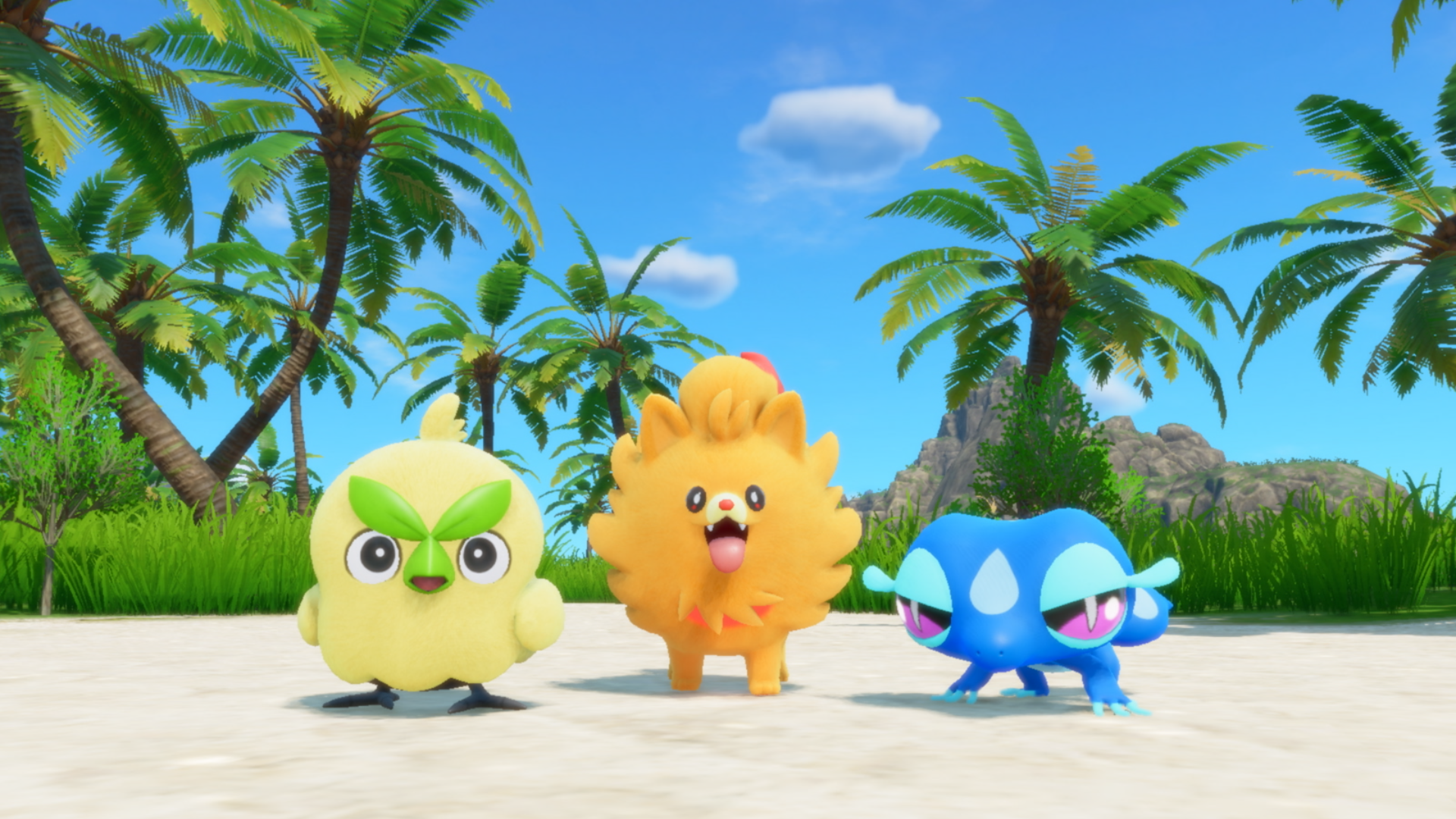
Pokémon Day 2026 didn’t just feel like a birthday party – it felt like a roadmap. The Pokémon Company group marked 30 years of Pokémon with a Pokémon Presents packed with reveals that touched nearly every corner of the franchise, from big RPG ambitions to competitive battling, cozy spin-offs, live events, and nostalgia that lands right in the soft spot for anyone who grew up in Kanto. The headline for many was the reveal of Pokémon Winds and Pokémon Waves, the next mainline RPG entries from GAME FREAK, confirmed for Nintendo Switch 2 with a 2027 release window and an island-and-ocean setting that leans hard into exploration. We also met the first partner Pokémon trio – Browt, Pombon, and Gecqua – which immediately tells us the tone is bright, adventurous, and built to be shared.
But the announcements weren’t only about what we’ll play later. We also got near-term plans: Pokémon Champions arriving on Nintendo Switch in April 2026, Pokémon Pokopia launching on Nintendo Switch 2 on March 5, 2026, and fresh details around San Francisco hosting the 2026 Pokémon World Championships alongside PokémonXP, a new fan-focused experience. Add in talk of a Pokémon TCG celebratory expansion designed for a coordinated global launch, plus classic Pokémon FireRed and Pokémon LeafGreen showing up on Switch, and you’ve got a celebration that doubles as a promise. The message is simple: Pokémon is treating its 30th year like a starting line, not a finish line, and there’s something on the schedule whether you’re here to battle, collect, build, travel, or relive the early days.
The big picture: Pokémon turns 30 and the announcements hit different
Thirty years is a wild number for anything in entertainment, and Pokémon wearing that age so confidently tells you everything about its staying power. The Pokémon Presents for Pokémon Day 2026 landed with the energy of a reunion where everyone shows up at once – the RPG crowd, the competitive crowd, the collectors, the mobile regulars, and the “I still remember my first starter” crew. What made this one stand out is how it balanced long-range hype with short-range payoff. We didn’t just hear about a far-off future – we also got concrete dates and clear next steps for multiple projects. That mix matters because it keeps excitement from feeling like a tease. It’s also a reminder that Pokémon isn’t one thing anymore. It’s a whole ecosystem, and when it’s firing on all cylinders, you can pick the lane that fits your mood without feeling like you’re missing the point.

Pokémon Winds and Pokémon Waves: what’s confirmed so far
The mainline reveal is Pokémon Winds and Pokémon Waves, developed by GAME FREAK and slated for Nintendo Switch 2 with a 2027 release window. The early messaging points to an open-world RPG built around windswept islands and a vast ocean, which is an immediately readable fantasy. Islands naturally create bite-sized regions with distinct identities, while the ocean becomes both a barrier and an invitation. You can almost feel how exploration will work: hop from place to place, chase landmarks on the horizon, and treat the sea like a giant blue question mark that keeps daring you to push farther. The biggest takeaway is the platform call. By tying it to Nintendo Switch 2, the framing is clear that this is being positioned as a next-step mainline experience, not a “best effort” cross-gen compromise.
Starters and first impressions: Browt, Pombon, and Gecqua
The starter trio sets the emotional tone for any new generation, and Browt, Pombon, and Gecqua are doing that job right out of the gate. Browt is presented as the Grass-type option, with that classic “small and sturdy” vibe that tends to evolve into something dependable. Pombon carries the Fire-type energy that usually screams personality, the kind of partner that looks like trouble but in a fun way. Gecqua, as the Water-type pick, signals agility and approachability, which often translates into a starter that feels useful early and stylish later. Even if you’re not the type who stares at stat charts, the simple reality is that starters are identity badges. We choose one, then we defend that choice like it’s a sports team. Expect the debates to be loud, playful, and relentless.
What the setting suggests about exploration and pacing
Islands can be a brilliant design tool because they help structure freedom without killing it. In a giant single landmass, the temptation is to let players sprint everywhere and accidentally bypass the rhythm of discovery. With islands, the world can still be open, but travel routes become meaningful: you earn access, you unlock new ways to move, and you gradually build your mental map of where everything lives. The ocean is the secret sauce because it can turn traversal into its own kind of gameplay. If the world is built to reward curiosity, the sea becomes the place where rare encounters, hidden routes, and optional challenges can live without cluttering the main path. In other words, it’s an open world that can breathe, instead of one that constantly shouts for attention.
Language expansion: Brazilian Portuguese support and why it matters
Starting with Pokémon Winds and Pokémon Waves, Brazilian Portuguese is confirmed as a selectable language option. That might sound like a “nice extra” if you’re not directly affected, but it’s bigger than it looks. Language support changes who gets to feel fully included on day one, and it removes friction that can keep players at arm’s length from story-heavy RPGs. It also signals something about priorities. Pokémon has always been global, but expanding supported languages is a practical way of proving that the “global” part isn’t just marketing. It’s also a reminder that Pokémon communities aren’t small pockets anymore. They’re huge, passionate crowds, and better accessibility means more people can share the same moments at the same time, without relying on translations that show up late or feel uneven.
Pokémon Champions: battles first, device choice second
Pokémon Champions is positioned as a battle-focused title launching on Nintendo Switch in April 2026, with a mobile release planned later. The way that’s framed matters because it’s basically saying, “Yes, this is competitive at heart, and yes, we want you to play it where you already are.” Switch gives it the living-room and handheld comfort zone, while mobile gives it reach and convenience. If you’ve ever wanted the battling side of Pokémon to be easier to jump into without committing to a full RPG journey, this kind of project makes sense. The real question is how it will feel moment to moment. A battle game lives or dies on clarity, speed, and how fair it feels when you lose. When it’s good, you say “one more match” until your sleep schedule files a formal complaint.
Pokémon HOME connection: why transferring could be the real flex
One of the most exciting hooks is how Pokémon Champions is set to connect with Pokémon HOME, including a specific tie-in with Pokémon Legends: Z-A. When a battle-focused game can pull compatible Pokémon from your broader collection ecosystem, it changes the emotional stakes. Suddenly, your roster isn’t just what you caught in one place – it becomes a greatest-hits playlist of your history with the franchise. That’s powerful because it rewards long-term engagement without forcing it. If you’re brand new, you can still compete on your own terms. If you’ve been building teams for years, you get the joy of bringing favorites forward and seeing them matter again. The mention of rewards connected to transferring certain Pokémon also suggests Pokémon wants to make the ecosystem feel connected, not fragmented.
PokémonXP and Worlds 2026: San Francisco becomes the meeting point
The 2026 Pokémon World Championships are set for San Francisco, with reporting pointing to August 28-30 and venues including the Moscone Center and Chase Center, and PokémonXP is positioned alongside it as a fan-focused experience tied to the 30th anniversary. That pairing is clever because it recognizes a simple truth: not everyone wants to compete, but a lot of people want to be close to the electricity of competition. Worlds has always been thrilling as a peak skill showcase, but adding an event experience next to it widens the door. You can come for the spectacle, the merch, the community, the photos, and the feeling of being in a city full of people who understand why you still remember your first Hall of Fame team. It turns a tournament weekend into a destination weekend.
Tickets and interest lists: how not to miss the window
The practical detail that matters most is the interest list window for multi-day passes running from April 2 through April 23, 2026, with additional options like single-day passes expected later. Interest lists can feel annoying because they aren’t instant gratification, but they’re also a reality check. These events are limited, demand is huge, and a fair system needs some structure. If you’re serious about going, treat those dates like a real deadline, not a “I’ll do it later” suggestion. Set reminders, double-check your account details, and be ready when the window opens. The goal is simple: reduce the chance you end up watching everyone else celebrate in person while you’re stuck refreshing social feeds like it’s your part-time job.
Pokémon Pokopia: cozy vibes, multiplayer, and a different kind of journey
Pokémon Pokopia is arriving on Nintendo Switch 2 on March 5, 2026, and the pitch is refreshingly calm: a cozy life simulation that leans into building, crafting, and creating a place where Pokémon can thrive. The Nintendo Store description also frames it around playing as a Ditto rebuilding a withered world with help from Pokémon friends, which is a fun twist because Ditto is basically the franchise’s ultimate “I can be anything” mascot. What makes Pokopia feel important is that it expands what “a Pokémon game” can mean without trying to replace the mainline RPGs. Sometimes you don’t want to save the world. Sometimes you want to plant crops, decorate your space, invite friends over, and watch your little corner of the map become a home.
Multiplayer and shared towns: the social glue
Pokopia supporting multiplayer with up to three other players pushes it from “solo comfort game” into “shared hangout space.” Being able to visit each other’s towns, invite friends to yours, and explore together creates the kind of soft social pressure that keeps games alive. You build something you’re proud of, then you want someone else to see it. You spot a clever layout idea in a friend’s town, then you steal it lovingly, like any good neighbor would. The detail about bringing along one Pokémon to explore together also hints at the emotional core: this is about companionship, not just construction. If the tone lands right, Pokopia could become the game you boot up when you want to relax your shoulders and unclench your brain.
Pokémon TCG 30th plans: global timing and what that signals
The Pokémon TCG is teasing a 30th anniversary celebratory expansion in 2026, with a simultaneously coordinated global launch in participating markets. That phrase is doing a lot of work. A coordinated global launch isn’t just a fun headline – it’s a logistics flex, and it suggests Pokémon is aiming to make the celebration feel shared instead of staggered. For collectors and players, timing matters because it shapes availability, hype, and how quickly information spreads. When releases are uneven across regions, the experience can feel split into “people who already opened packs” and “people trying to avoid spoilers while waiting.” A synchronized launch helps everyone ride the same wave, even if the scramble to find product will still be a sport of its own.
What collectors should watch for as details roll out
Until Pokémon shares product specifics, the smartest approach is to focus on signals rather than rumors. Watch for how Pokémon describes the set’s theme, whether it’s nostalgia-forward, mechanically ambitious, or built around new art styles that scream “anniversary.” Pay attention to how they talk about product waves across the year, because that can affect how hard it is to get items at launch. If you’re a player first, you’ll care about playable mechanics and competitive impact. If you’re a collector first, you’ll care about chase cards, special treatments, and how the set honors the franchise’s history. Either way, the key is patience. Anniversary sets tend to trigger impulse buying. The best wins usually go to the people who plan, not the people who panic.
Classic throwback moment: FireRed and LeafGreen on Switch
Pokémon FireRed Version and Pokémon LeafGreen Version arriving on Nintendo eShop and My Nintendo Store as digital titles is the kind of nostalgia move that hits instantly. These remakes were already a love letter to the original Kanto journey, and bringing them to modern hardware makes them easier to revisit without digging through old drawers for cables and cartridges. The appeal is simple: you get that early-series charm, the familiar landmarks, and the “I know where I’m going but I still want to see it again” feeling. For newer fans, it’s also a clean way to understand why Kanto has such a gravitational pull. It’s not just history. It’s the blueprint that still shapes how Pokémon tells adventure stories today.
Why old-school pacing still feels good
There’s a reason classic Pokémon still works, even when modern games have bigger worlds and more systems. The pacing is tidy. Progress is clear. Towns feel like milestones. Routes feel like small journeys with their own personality. You don’t need a checklist to know what you’re doing next, and that simplicity can feel like a relief in an era where many games throw a thousand icons at your map. It also highlights what makes Pokémon’s core loop timeless: explore, battle, catch, grow, and keep moving. When you replay something like FireRed or LeafGreen, you’re not only chasing nostalgia. You’re reconnecting with a style of design that’s confident enough to stay focused.
Pokémon Legends: Z-A – Mega Dimension: Mega Garchomp Z and Mystery Gift
One of the spiciest reveals in the wider lineup is Mega Garchomp Z being unveiled for Pokémon Legends: Z-A – Mega Dimension, tied to a Mystery Gift that unlocks a special distortion battle to obtain a related stone. When Pokémon introduces a new form or variant tied to a special challenge, it creates a “you had to be there” moment that players love to share. It also encourages people to jump back in, even if they’ve been away for a bit. These kinds of limited or event-style hooks can be thrilling when they’re handled clearly, because they turn the game into a living space where something new can happen without warning. The key is that it needs to feel rewarding, not exhausting.
Event battles as a celebration tool
Event encounters are basically Pokémon’s version of a surprise concert. You hear it’s happening, you show up, you get a story to tell. A special hyperspace distortion battle also sounds like Pokémon leaning into spectacle, which fits the Legends-style tone that often emphasizes moments that feel bigger than a normal route encounter. If you’re the type of player who likes a challenge with a specific prize, this is the good kind of pressure. If you’re more casual, it can still work as long as the game communicates the steps cleanly and doesn’t hide the ball. The most important thing is that these celebration events should feel welcoming. A 30th anniversary moment should pull people in, not gate them out.
Wider updates: the apps and live-service side of the franchise
No modern Pokémon Presents is complete without checking in on the ongoing games and apps, because that’s where Pokémon lives day-to-day for a huge part of the audience. Updates across Pokémon GO, Pokémon Sleep, Pokémon UNITE, Pokémon Masters EX, Pokémon Café ReMix, and the trading card ecosystem keep the franchise present in people’s routines. Even if you’re mainly here for the console RPGs, these updates matter because they shape the community’s shared calendar. One event weekend can flood social feeds with the same shiny hunt stories. One new feature can change how people talk about their favorite Pokémon. It’s a reminder that Pokémon isn’t only something you play when you sit down for a long session. For many fans, Pokémon is the little daily ritual that keeps the connection alive between the bigger releases.
Conclusion
Pokémon’s 30th anniversary celebration in 2026 feels like a confident statement: the franchise is honoring its past while setting up multiple lanes for the future. Pokémon Winds and Pokémon Waves gives the mainline RPG crowd a clear horizon on Nintendo Switch 2 in 2027, while Pokémon Champions and Pokémon Pokopia offer two very different vibes much sooner, one for battling and one for cozy creativity. On top of that, San Francisco hosting Worlds 2026 alongside PokémonXP turns the anniversary into a real-world gathering, not just an online celebration, and the TCG’s coordinated global launch plan hints at a year designed to be shared across regions. If you only take one thing away, let it be this: Pokémon is treating its 30th year like a new starting point, and whether you’re here to compete, collect, explore, or chill, there’s a reason to keep your Pokédex heart open.
FAQs
- When do Pokémon Winds and Pokémon Waves release, and what platform are they on?
- They are slated for a 2027 release window and are announced for Nintendo Switch 2.
- Who are the starter Pokémon in Pokémon Winds and Pokémon Waves?
- The revealed first partner Pokémon are Browt, Pombon, and Gecqua.
- When does Pokémon Champions launch on Nintendo Switch?
- Pokémon Champions is set to release on Nintendo Switch in April 2026, with a mobile version planned later.
- What are the interest list dates for PokémonXP and Worlds 2026 passes?
- The multi-day interest list window is April 2 through April 23, 2026, with additional single-day options expected later.
- When does Pokémon Pokopia release on Nintendo Switch 2?
- Pokémon Pokopia is listed with a March 5, 2026 release date on Nintendo Switch 2.
Sources
- Pokémon™ Pokopia for Nintendo Switch 2 (Nintendo Store), Nintendo, February 28, 2026
- Pokémon World Championships 2026 coming to San Francisco, San Francisco Chronicle, February 27, 2026
- Pokémon Winds & Waves Will Be Released “Exclusively” For Switch 2, Nintendo Life, February 27, 2026
- Pokémon Winds and Waves launch on the Switch 2 in 2027, The Verge, February 27, 2026
- February 2026 Pokemon Presents official recap announcement, Nintendo Everything, February 27, 2026
- Pokémon Pokopia Releasing on Nintendo Switch 2 on March 5, 2026, Pokémon Pokopia (Pokemon.com subsite), February 27, 2026