














Summary:
Pokémon Pokopia has arrived with the kind of critical response that instantly changes how people talk about a franchise. For years, Pokémon has remained commercially untouchable, but critical conversations have often been more mixed, especially when players started asking for bigger technical leaps, fresher ideas, and a stronger sense of surprise. Pokopia seems to have cut straight through that noise. Its review reception shows that critics are not simply reacting to brand recognition or nostalgia. They are responding to a game that appears to understand exactly what many fans have wanted from a Pokémon spin-off – something warm, playful, imaginative, and genuinely confident in its own identity.
What stands out most is how consistent the praise has been. Reviewers keep circling back to the same strengths: the game’s charm, its satisfying loop of building and discovery, the way it uses Pokémon personalities so naturally, and the sense that it offers plenty to do without losing its relaxed rhythm. That balance is not easy to pull off. Cozy games can sometimes drift into repetition, while management and building games can become too mechanical. Pokopia seems to thread that needle in a way that feels inviting rather than exhausting.
The score itself also matters because it puts Pokopia in rare company for the series. Instead of being remembered as a pleasant side project, it now looks like one of the most warmly received Pokémon releases in years. That gives this moment extra weight. Pokopia is not just having a good launch window – it is making a strong case that the franchise still has room to surprise people when it steps outside its usual lane.
Pokémon Pokopia lands a Metacritic score that changes the conversation
Pokémon Pokopia has entered release week with real momentum behind it, and that momentum is not based on hype alone. The game’s Metacritic standing has quickly become one of the biggest talking points around its launch because it signals something larger than a solid debut. It suggests that critics see Pokopia as more than a cute detour for the franchise. They see it as a genuinely successful game in its own right. That distinction matters. Pokémon games often arrive with huge sales expectations no matter what reviewers say, but critical praise still shapes the larger discussion around quality, ambition, and long-term reputation. In Pokopia’s case, the response feels unusually enthusiastic. Instead of the usual split between affection for the brand and frustration with execution, the reaction has leaned strongly toward admiration. That gives the launch a different kind of energy. It feels less like a familiar Pokémon release cycling through the usual talking points and more like a fresh arrival that has earned attention on its own terms.
Why an 89 matters so much for this franchise
An 89 is not just a nice-looking number to stick in a headline. For Pokémon, it carries real weight because the series has such a complicated relationship with critics. Fans adore the brand, the creatures, the world, and the sense of tradition, but reviews have often reflected a tug-of-war between affection and frustration. That is why Pokopia’s strong score lands so differently. It is a sign that the game is not merely coasting on Pikachu-shaped goodwill. It is doing enough right, in enough areas, to convince a broad range of critics that it deserves serious praise. That makes the score feel like a turning point rather than a footnote. It tells readers that Pokopia has connected with reviewers in a way many recent Pokémon releases have struggled to do. When a franchise this established gets a reaction this warm, people pay attention. The number becomes shorthand for confidence, polish, and the feeling that something clicked.
How Pokopia climbed above past Pokémon favorites
Part of what makes the reception so striking is the company it keeps. Pokémon has plenty of beloved entries, and fans can argue for days about which generation deserves the crown. Some swear by the DS era, others hold up the Game Boy Advance years, and some remain surprisingly loyal to Pokémon X and Y. That is what makes Pokopia’s position so interesting. It is not just being compared to other spin-offs or judged on a softer curve because it tries something new. It is being placed alongside long-established favorites and still coming out looking unusually strong. That does not happen by accident. It means Pokopia has managed to present something familiar enough to feel unmistakably Pokémon while also offering a structure that feels refreshing. Think of it like a longtime band suddenly releasing a side project that reminds everyone they still know how to write a hit. You expect something pleasant. Then it arrives with far more bite than anyone predicted.
What makes that achievement feel even bigger
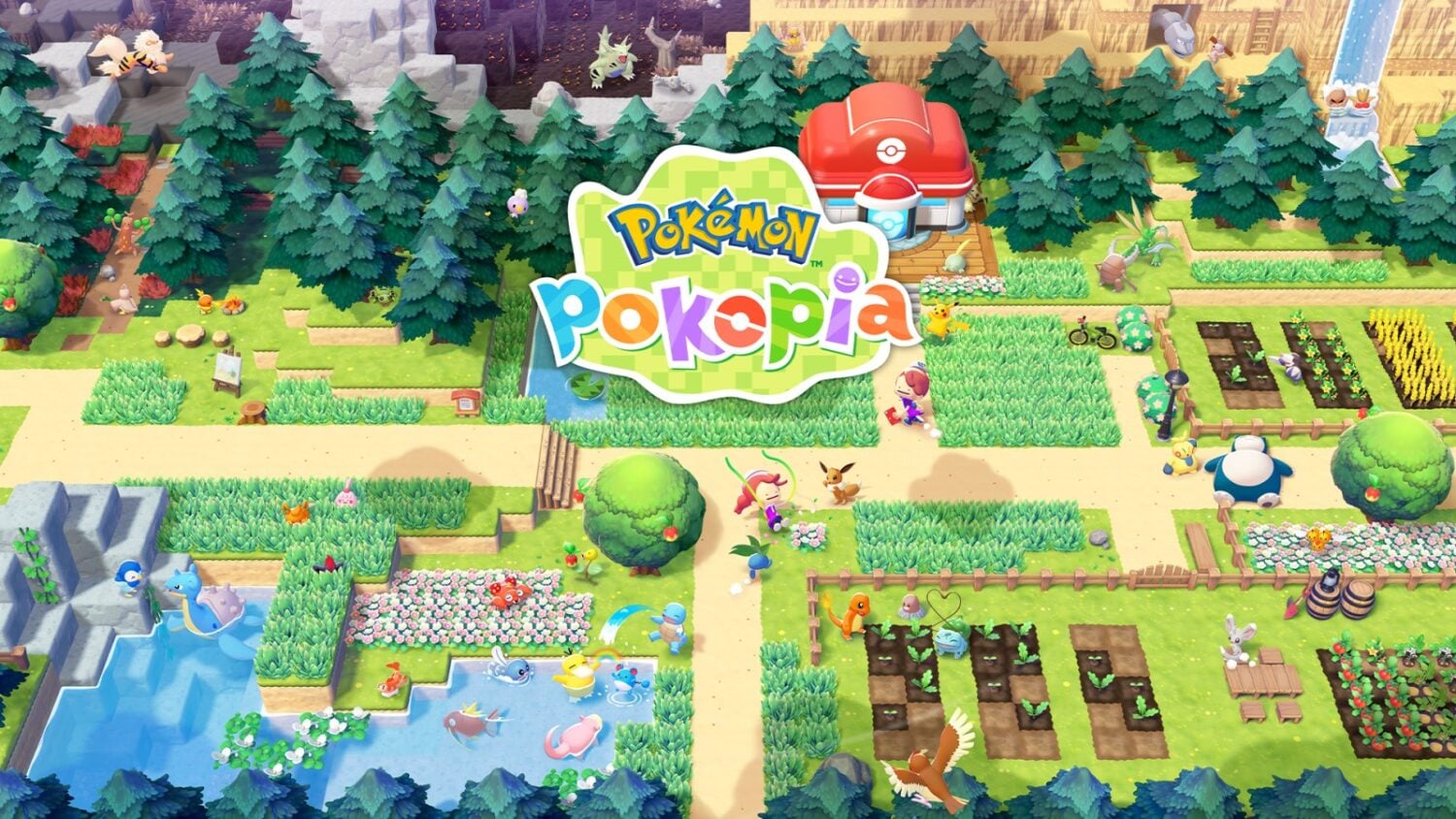
The bigger story is that Pokopia did not need to mimic the mainline formula to earn this kind of praise. In fact, its success seems tied to the opposite approach. Critics have responded to a game that leans into life simulation, town building, collecting, exploration, and environmental restoration without losing the heart of Pokémon. That blend gives it a sense of identity that stands apart from the usual gym-focused rhythm. It is still about connection, curiosity, and discovering how creatures shape the world around you, but it expresses those ideas through a calmer and more playful structure. That is likely a huge reason the game feels so distinct in review coverage. It is not trying to squeeze itself into an old mold. It is letting Pokémon breathe in a different genre, and reviewers clearly found that exciting.
What critics keep praising across major reviews
When multiple outlets land on similar strengths, it usually means a game is communicating its identity very clearly. That seems to be exactly what is happening here. Across the review roundup, Pokopia keeps getting praised for its charm, its sense of discovery, and the way it turns simple activities into something hard to put down. Some critics focus on the game’s building and town management systems. Others zero in on the warmth of its world and how naturally Pokémon fit into the loop. Either way, the pattern is obvious. Reviewers are not talking about one flashy gimmick carrying the entire experience. They are pointing to a broad mix of systems that reinforce each other well. That kind of praise tends to be more valuable than excitement over one standout feature, because it suggests the game feels cohesive. It knows what it wants to be and follows through on it.
The cozy life sim angle gives Pokémon fresh momentum
One reason Pokopia seems to be resonating so strongly is that it gives the franchise a fresh setting without losing its personality. Cozy life sims live and die by their mood. If the world feels flat, repetitive, or overly mechanical, the magic disappears fast. Pokopia appears to avoid that trap by using Pokémon not as decoration, but as part of the world’s rhythm. That matters because the creatures are the franchise’s emotional engine. When they are folded naturally into building, exploration, and progression, the result feels more organic and more memorable. Critics have picked up on that. Rather than describing the game as a simple Pokémon skin wrapped around familiar systems, several reviews suggest it feels thoughtfully built around the strengths of the brand. That is a huge difference. It means the concept is not just marketable. It is actually working. And when a concept works that well, people start wondering why the series did not try it sooner.
Creativity, discovery, and rebuilding give the game its heartbeat
The strongest impressions from critics point to a gameplay loop that keeps opening doors for the player. You explore. You gather. You build. You improve areas. You attract more Pokémon. You unlock more possibilities. It is an easy structure to understand, but easy does not mean shallow. In a good life sim, each small task feels like tossing another log on a fire. The warmth builds. That appears to be exactly what Pokopia achieves. Critics describe the game as rewarding curiosity and giving players reasons to keep experimenting, even dozens of hours in. That is one of the most encouraging details in the entire roundup. It suggests the game is not front-loaded with charm before tapering off. Instead, it keeps finding new ways to pull players forward. For a genre built on routine, that sense of momentum is gold. It turns gentle play into genuine obsession, the nice kind where you look at the clock and suddenly realize the evening has vanished.
Small complaints did not stop the game’s momentum
What makes the reception feel especially strong is that the praise has survived contact with criticism. Reviews are not pretending the game is flawless. Some outlets mention late-game grinding, progression snags, or a few finicky mechanics. That honesty matters because it makes the positive response feel sturdier. Pokopia is not being celebrated because critics ignored its rough edges. It is being celebrated because, for many of them, those issues did not outweigh the things the game gets right. That is often the clearest sign that a game has real charm. Players can forgive a few awkward bits when the overall experience has personality, warmth, and a clear sense of purpose. In Pokopia’s case, the criticisms sound more like pebbles in a shoe than cracks in the foundation. You notice them, maybe grumble a little, then keep walking because the journey is still worth it.
Why that balance matters for the game’s reputation
There is a big difference between a game that reviews well because it is polished and a game that reviews well because it leaves a genuine impression. The first can fade quickly once launch week passes. The second sticks around in conversation. Pokopia looks closer to the second category. The reviews suggest people are responding not just to clean execution, but to a game with a point of view. It has a mood, a structure, and a tone that critics remember. That gives it staying power. Even the minor complaints may end up helping its reputation in a strange way, because they make the praise feel more grounded. Readers are more likely to trust glowing impressions when those impressions still leave room for small frustrations. It sounds human. It sounds lived in. And that kind of reaction often travels further than generic approval.
Why Pokopia feels important beyond launch week
The most interesting part of Pokopia’s reception may be what it says about the franchise moving forward. This does not feel like a one-week curiosity or a temporary burst of good news before attention shifts elsewhere. It feels like proof that Pokémon still has meaningful room to grow when it hands its world to a different structure and lets new ideas take the lead. That is exciting for longtime fans because it opens the door to more than one kind of success. Mainline entries do not have to carry every creative ambition by themselves. Spin-offs can become real events too. Pokopia’s response shows there is a huge appetite for that. Players clearly want Pokémon to experiment, but they also want those experiments to feel thoughtful rather than disposable. If Pokopia continues to hold its reputation, it could become a reference point every time people talk about what the franchise should try next.
What this says about the future of Pokémon spin-offs
Pokémon spin-offs have always had an odd reputation. Some are beloved cult favorites. Others feel like curiosities people remember fondly but rarely revisit. Pokopia now has a chance to sit in a much stronger position. It is being talked about as a standout game first and a side project second, and that distinction could matter a lot inside the broader Pokémon strategy. Success like this creates confidence. It tells publishers and developers that audiences are willing to embrace bolder genre experiments as long as the result feels polished and sincere. For fans, that is the most encouraging takeaway of all. Pokopia is not just making a case for itself. It is making a case for ambition. It shows that Pokémon can move into new spaces without losing its soul, and honestly, that is the kind of result people have been waiting to see for years.
Switch 2 gets a release that immediately feels essential
There is also a platform angle here that should not be ignored. Launch window software always carries extra pressure because it helps define how people talk about a system in its earliest months. Pokopia looks like the kind of release that gives Nintendo Switch 2 a genuine boost in that conversation. It is accessible, recognizable, and easy to recommend, but it also seems substantial enough to keep people engaged well beyond the opening weekend. That is a valuable combination. Some launch period games are technical showcases. Others are comfort food. Pokopia appears to manage both mood and momentum in a way that makes it feel meaningful for the platform. A strong Pokémon release has always mattered, but a strong Pokémon release that also feels fresh is even more powerful. It gives the system a title people can point to and say, yes, this is one of the games that defines the moment.
Conclusion
Pokémon Pokopia’s review debut feels important because it combines something the franchise rarely gets all at once – strong critical praise, a fresh genre direction, and the sense that the idea genuinely fits Pokémon rather than merely borrowing its face. The Metacritic conversation may grab the headline, but the more lasting takeaway is what critics keep saying underneath that number. Pokopia is charming, rewarding, inventive, and easy to get lost in. Even with a few rough edges, it sounds like the kind of game that wins people over through warmth and momentum rather than brute force spectacle. For a series with this much history, that is no small thing. Pokopia does not just look like a success. It looks like a reminder that Pokémon still has plenty of room to surprise us when it chooses the right path.
FAQs
- What is Pokémon Pokopia’s Metacritic score?
- Pokémon Pokopia has been widely reported with a Metacritic score of 89 during its launch window, placing it among the strongest reviewed games of the year and at the top end of the franchise’s critical history.
- Why are critics praising Pokémon Pokopia so much?
- Reviews keep highlighting its charm, town building systems, rewarding exploration, cozy rhythm, and the way it uses Pokémon naturally within the life sim structure rather than treating them as simple decoration.
- Is Pokémon Pokopia considered one of the best Pokémon spin-offs?
- Based on the review response so far, yes. Several critics are treating it as one of the strongest spin-offs the franchise has produced, with praise focused on both its creativity and its long-term play appeal.
- Does Pokémon Pokopia have any notable weaknesses?
- Some reviewers mention late-game grinding, a few progression frustrations, and occasional fiddly mechanics. Even so, those issues have generally been framed as minor compared to the overall quality of the experience.
- Why does this launch matter for Pokémon as a series?
- It shows that Pokémon can thrive outside its usual formula when the concept is handled with care. Pokopia’s reception suggests fans and critics are very open to bold spin-offs that still feel true to the heart of the franchise.
Sources
- Pokemon Pokopia Reviews, Metacritic, March 2026
- Pokemon Pokopia Critic Reviews, Metacritic, March 2026
- Pokemon Y Reviews, Metacritic, October 12, 2013
- Pokémon Pokopia Review, Video Games Chronicle, March 3, 2026
- Review: I Could Play Pokemon Pokopia Forever, Siliconera, March 3, 2026
- Pokémon Pokopia Review – A Pleasant Paradise, Game Informer, March 2, 2026
- Pokémon Pokopia Review (Switch 2), Nintendo Life, March 2, 2026
- Pokémon Pokopia Is Available Now on Nintendo Switch 2, Pokémon, March 5, 2026