














Summary:
Pokémon Pokopia has barely had time to settle into players’ routines, and it is already creating the kind of conversation that usually surrounds cozy games with seasonal hooks and limited-time surprises. Recently, players discovered that the game’s first special event, More Spores for Hoppip, can be accessed before its official start simply by changing the system date to a point within the event window. That small discovery has turned a routine event announcement into something much more interesting. It suggests that at least part of the event is tied to the Nintendo Switch 2 system clock rather than a strict server-side lock.
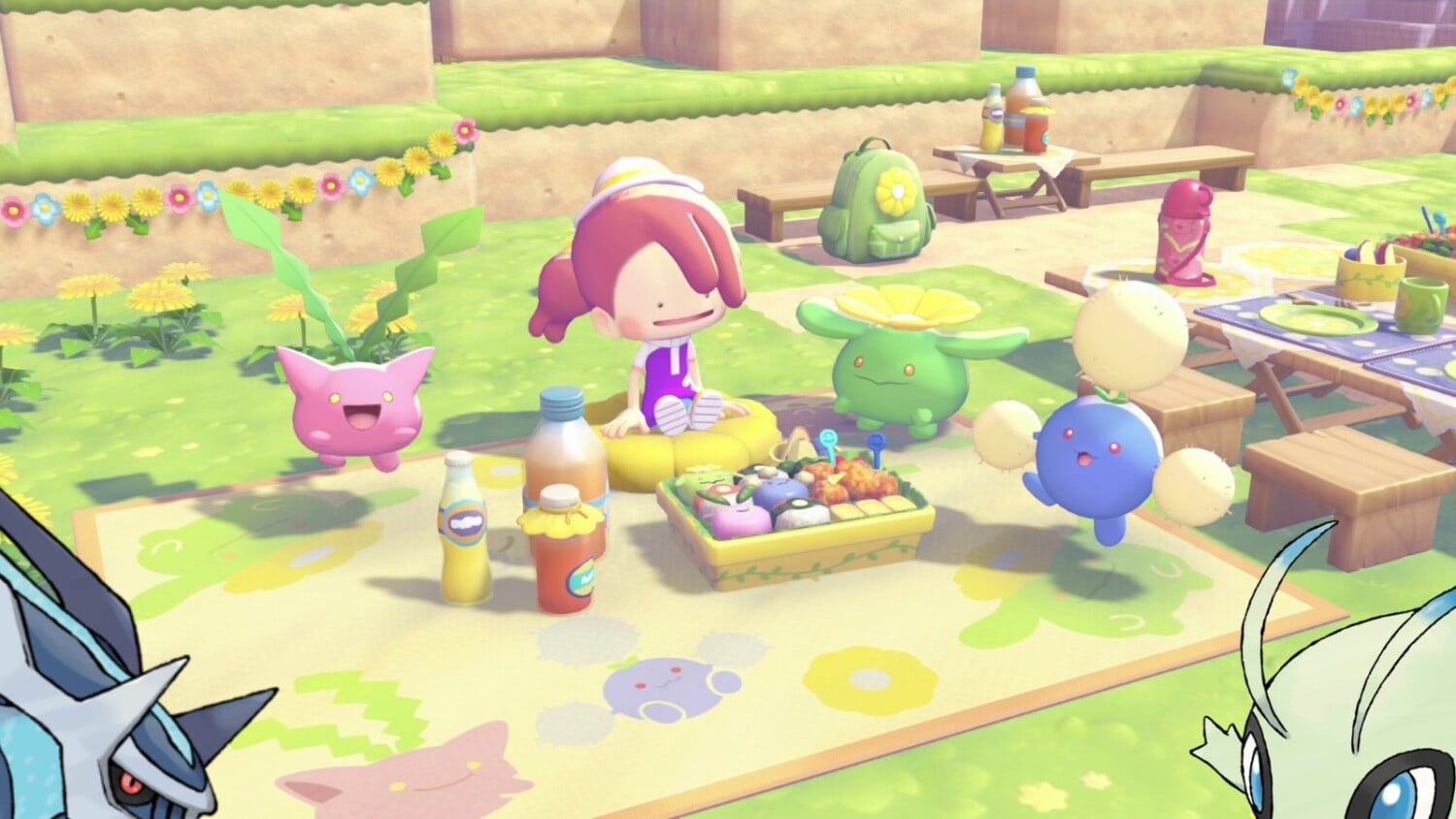
The event itself is built around Cotton spores and the chance to befriend Hoppip, Skiploom, and Jumpluff, giving players a fresh set of goals and a charming Grass and Flying-type theme to chase. For many fans, that alone is enough reason to pay attention. But the real story is what this early access trick could mean for the future. It opens up questions about how Pokémon Pokopia handles limited-time features, whether players who start later might still be able to enjoy them, and how much control The Pokémon Company wants to keep over the pace of in-game events.
There is also an obvious comparison to Animal Crossing, where changing the system clock became a well-known shortcut for revisiting holidays, rushing upgrades, or seeing upcoming events ahead of schedule. Pokémon Pokopia now finds itself in similar territory. That makes this moment feel familiar, but it also makes it important. For players, this is not just about getting Hoppip early. It is about understanding how the game works beneath the surface and what that means for time-limited content going forward.
Pokémon Pokopia’s first special event has arrived with an unexpected twist
Recently, The Pokémon Company revealed More Spores for Hoppip as the first special in-game event for Pokémon Pokopia, and it immediately caught attention for more than one reason. On the surface, it is exactly the kind of cheerful seasonal activity you would expect from a laid-back life sim set in the Pokémon world. It brings in the Hoppip evolution line, introduces Cotton spores as an event material, and gives players another reason to spend time shaping their town. That already makes it notable. What has really pushed it into the spotlight, though, is the discovery that players do not necessarily have to wait for the event to begin naturally. By adjusting the Nintendo Switch 2 system date to a time within the event window, some users have been able to trigger it ahead of schedule. That changes the conversation in a big way because it turns a normal event announcement into a look at how Pokémon Pokopia may be handling timed activities behind the scenes.
Why this event matters so early in the game’s life
First events always matter. They set the tone. They tell players what kind of support a game is planning to offer and whether limited-time activities will feel exciting, frustrating, or somewhere in between. In Pokémon Pokopia, More Spores for Hoppip feels like an early test of that balance. Players want new Pokémon to collect, new materials to gather, and fresh reasons to check in each day. At the same time, nobody likes the feeling of missing out because they started late, got busy, or simply did not own the game yet. That is why the early access discovery has become such a talking point. It hints that these events may be more flexible than they first appear. Instead of being locked behind a rigid server gate, there may be room for the system clock to play a role. For players, that is a bit like finding out the locked front door was actually just resting on the latch.
The official event window still defines the intended experience
Even with the early access method making the rounds, the official event schedule still matters because it tells players how the feature is meant to be experienced. More Spores for Hoppip is designed as a time-limited activity tied to a specific calendar window, with Cotton spores appearing during that period and the Hoppip family becoming available through event-related play. That schedule creates urgency, but it also shapes community discussion, because players are meant to discover the same things around the same time. Everyone compares strategies, shares screenshots, and swaps tips while the event is live. When players can jump in ahead of that window, it changes the rhythm slightly. It is a little like opening birthday presents the night before the party. The gifts are still real, but the timing shifts the mood. That does not make the event less important, though. It simply adds a layer of intrigue around how the game reads dates and activates special features.
Players are now looking beyond Hoppip itself
The biggest curiosity here is no longer just Hoppip, Skiploom, and Jumpluff. Players are now asking what this means for every future event in Pokémon Pokopia. If one event can be triggered by changing the console clock, could the same be true for others? Could seasonal furniture, future Pokémon visitors, or limited activities follow the same pattern? That possibility is what gives this story real staying power. It is not only about one cute Grass-type floating into town on a cottony breeze. It is about whether the game’s event system is built more like a local calendar than a live-service gatekeeper. For a cozy game, that matters a lot. It shapes how people plan their playtime, how much pressure they feel, and whether missing an official window is truly the end of the road or just a speed bump.
How players found a way into the event before its scheduled start
The method itself is wonderfully simple, which is probably why it spread so quickly. Players discovered that by changing the Nintendo Switch 2 system clock to any date during the event window, Pokémon Pokopia begins treating the event as active. Once that happens, the Cotton spores tied to More Spores for Hoppip can appear, and the path to befriending Hoppip, Skiploom, and Jumpluff becomes available. There is no complicated workaround, no hidden menu, and no mysterious sequence of steps that sounds like schoolyard myth. It is just a date change. That simplicity makes the discovery feel both surprising and oddly familiar. Anyone who spent time with Animal Crossing already knows where this road can lead. When a game relies on local time checks, players will eventually test the boundaries. Someone always does. That curiosity is practically a law of nature in games built around calendars, routines, and seasonal progression.
Why the system clock trick appears to work
The most likely explanation is that Pokémon Pokopia checks the console’s internal date to determine whether event conditions should activate. If the game sees a date that falls within the valid event period, it behaves as though the event is live. That is a very different setup from a fully server-locked event, where the feature would only activate after an online switch is flipped by the publisher. In practical terms, it means the console may be doing more of the decision-making than some players expected. That does not automatically mean every part of every future event will work the same way, but it does explain why the current trick seems effective. Cozy games often lean on local time because it helps create that feeling of a world moving alongside your real day-to-day life. The downside is obvious: once time lives in the player’s hands, some players will turn the clock like a dial and see what falls out.
The Animal Crossing comparison is impossible to ignore
This is where the Animal Crossing comparison feels completely natural. In that series, changing the system date became famous, or infamous depending on who you ask, as a way to speed up construction, revisit holidays, farm certain outcomes, or preview limited events. It was so common that the term time travel became part of the community’s everyday vocabulary. Pokémon Pokopia now seems to be stepping onto similar ground. The resemblance is not just about the act itself. It is about the design philosophy behind it. Games that want to feel cozy, slow, and tied to everyday rhythms often use the console clock as part of their structure. That can make the world feel warm and alive, but it also hands players a skeleton key. Once they realize they are holding it, curiosity usually does the rest. It is not cheating in the classic sense to many players. It is more like peeking behind the curtain and finding the stage crew still moving the props.
Early access does not automatically erase all uncertainty
Even though players can trigger the event ahead of time, there are still limits to what can be said with certainty. The discovery shows that the event can activate during the correct date window when the system clock is changed, but it does not fully answer every long-term question. It does not confirm whether future patches could change that behavior. It does not prove that all future events will operate the same way. Most importantly, it does not yet settle what happens after the event has passed in real time for everyone. That last point matters because it is where curiosity turns into concern for late adopters. Right now, the discovery is exciting because it reveals flexibility. Later, players will care more about permanence. Can they still revisit the event down the line, or is this trick only useful before the official window closes? That answer is still the missing puzzle piece.
What More Spores for Hoppip actually adds to Pokémon Pokopia
Setting aside the time trick for a moment, the event itself is charming and easy to understand. More Spores for Hoppip introduces Cotton spores as a new event-related item and uses them to connect players with the Hoppip line. That means Hoppip, Skiploom, and Jumpluff are the stars of the show, and the event gives players a dedicated reason to seek them out during the limited-time period. This is a strong first pick for Pokémon Pokopia because the line fits the game’s cozy tone perfectly. Hoppip already looks like it belongs in a breezy village square or drifting gently over a freshly decorated field. Skiploom and Jumpluff continue that soft, airy theme in a way that feels tailor-made for a relaxed building and life-sim experience. Some events arrive with fireworks. This one arrives like a dandelion floating through an open window, and honestly, that suits Pokopia just fine.
How Cotton spores connect the event to progression
Cotton spores are not just flavor. They serve as the mechanic that ties the event together. By collecting them during the event period, players can engage with the features built around the Hoppip family and event rewards. That makes the event feel active rather than passive. Players are not simply logging in to receive a gift and then moving on. They are participating, gathering, and working toward something. That loop matters because it fits the structure of Pokémon Pokopia. The game is at its best when it gives players little reasons to wander, tinker, and improve their space. Cotton spores do exactly that. They turn the event into something tactile. You are not just told Hoppip has arrived. You feel its presence through the systems you interact with. That kind of design tends to stick with players because it makes the event part of the world rather than a banner that appears and disappears.
Befriending the full Hoppip line gives the event extra value
One of the nicest details about More Spores for Hoppip is that it is not limited to just one Pokémon. Players can befriend all three members of the line, which makes the event feel more rewarding and more complete. If it were only Hoppip, the activity might still be cute, but it would also feel smaller. Including Skiploom and Jumpluff gives players a stronger sense of progression and a better payoff for participating. It also broadens the event’s appeal. Some players love collecting full families. Others are drawn to final forms or simply want a fuller range of Pokémon living in their settlement. By opening the door to the entire line, the event gives more players a reason to care. It is a simple choice, but it is a smart one. Instead of offering a single taste, it serves the full trio, and that makes the whole thing feel more satisfying.
The Pokémon Center requirement is worth remembering
There is one practical detail players should keep in mind before getting too excited. The event does not occur everywhere by default. It only appears in areas where the Pokémon Center has been repaired. That means some players may change the system date, expect instant results, and then wonder why nothing is happening. The answer may be progression rather than a failed trick. This requirement matters because it keeps the event tied to the game’s natural development. Players still need to reach a certain point before the feature becomes meaningful. In a way, that is a smart compromise. The system date may open the event window, but the game still asks players to earn the right to enjoy it through normal progress. That helps prevent the whole experience from feeling too detached from the rest of the game. You can open the door early, but you still need to have built the house.
What the discovery could mean for players who start later
The most interesting long-term angle here is what this could mean for players who do not start Pokémon Pokopia right away. Limited-time events often create pressure, and pressure is not always a great fit for a cozy game. When players hear that they only have a narrow window to unlock certain Pokémon, it can turn a relaxing experience into a checklist with a deadline attached. That is why the time travel discovery feels unexpectedly reassuring. If the event logic truly depends on the system date, then late adopters might still have a route to experience More Spores for Hoppip even after the official period ends. That would be a huge positive for anyone buying the game later, returning after a long break, or simply moving at their own pace. Of course, that remains a possibility rather than a confirmed long-term feature. Still, even the idea of that flexibility changes how players view the event. It softens the fear of missing out in a meaningful way.
Why this matters in a cozy game more than in many other genres
In a fast competitive game, limited windows can create urgency and excitement. In a cozy village-building game, the same mechanic can feel a bit like someone setting a kitchen timer while you are trying to enjoy your tea. Pokémon Pokopia leans heavily on comfort, creativity, and routine, so event design matters a great deal. If every interesting feature disappears forever once the calendar flips, some players will feel pushed instead of welcomed. That is why this whole situation matters more than it might in another kind of game. Players want to know whether Pokopia respects slow play. They want to know whether missing a week means missing a Pokémon forever. The time travel trick hints at a softer answer, or at least a softer possibility. It suggests the game may be more forgiving than the phrase limited-time event usually implies. For a title built on charm and daily rhythm, that is a very big deal.
The biggest unanswered question comes after the real event window ends
The key question now is not whether players can access the event early. That part appears settled. The more important question is whether they will still be able to access it later by moving the system date backward once the real-world event period has passed. That is the moment that will tell players whether this is merely an early activation quirk or a lasting loophole. Until that date has come and gone, nobody can say for certain how Pokémon Pokopia will behave in that scenario. The event may remain fully playable through system time adjustments, or the game may eventually rely on an online check that prevents it. It could even land somewhere in the middle. That uncertainty is why many players are watching closely. A cozy game can earn a lot of goodwill by respecting player schedules. It can also lose some by making early discoveries feel like mirages. The answer will shape how future events are perceived.
What players should take away right now
Right now, the clearest takeaway is that More Spores for Hoppip is not locked as tightly as many expected. Players who are already in Pokémon Pokopia and have met the event requirements appear able to access it by changing the system date into the event period. That makes the event more flexible in the short term and opens interesting questions for the future. At the same time, players should keep expectations grounded. This discovery does not guarantee permanent access, and it does not prove that every event will work the same way. What it does prove is that Pokémon Pokopia’s first special event has revealed something important about the game’s structure. For some, that means opportunity. For others, it simply means clarity. Either way, the news is useful. And for players who have been staring at Hoppip’s fluffy silhouette and wishing they did not have to wait, it also means the answer might be just a calendar setting away.
Conclusion
More Spores for Hoppip already looked like a strong first event for Pokémon Pokopia, but the system clock discovery has made it much more interesting than a standard event announcement. Players can apparently access the activity early by changing the Nintendo Switch 2 date to the valid event window, which lets them collect Cotton spores and work toward befriending Hoppip, Skiploom, and Jumpluff. That gives the event immediate appeal, while also raising larger questions about how Pokémon Pokopia handles limited-time content. The biggest one is still waiting for an answer: whether the same trick will continue to work once the official event period has passed in real life. Until then, the discovery offers a promising sign for players who value flexibility and dislike the pressure that often comes with timed activities. In a game built around comfort and creativity, that possibility matters almost as much as the event itself.
FAQs
- What is the More Spores for Hoppip event in Pokémon Pokopia?
- It is a limited-time in-game event centered on Cotton spores and the chance to befriend Hoppip, Skiploom, and Jumpluff in Pokémon Pokopia.
- Can players access the event before it officially starts?
- Yes, players have reported that changing the Nintendo Switch 2 system date to a time within the event window can activate the event early.
- Why is this being compared to Animal Crossing time travel?
- The comparison comes from the same basic idea – changing the console’s internal clock to trigger date-based features outside their intended timing.
- Do you need to unlock anything before the event appears?
- Yes, the event only occurs in areas where the Pokémon Center has been repaired, so players need to reach that point first.
- Will the event still work after the official period ends?
- That has not been confirmed yet. Players know the early access method works within the event window, but the long-term behavior after the real dates pass still remains to be seen.
Sources
- Pokémon Pokopia Is Available Now on Nintendo Switch 2, Pokémon, March 4, 2026
- Create Your Own Pokémon Paradise with Pokémon Pokopia Available Now, The Pokémon Company International Press Site, March 4, 2026
- Pokémon Pokopia Limited-Time Special Event Announced, Nintendo Life, March 5, 2026
- PSA: You Can Access Pokémon Pokopia’s First In-Game Event Right Now, Nintendo Life, March 6, 2026
- Pokemon Pokopia “More Spores For Hoppip” Event Announced For March 10th 2026, NintendoSoup, March 5, 2026
- Pokemon Pokopia “More Spores For Hoppip” Event Accessible Now Via “Time Travel”, NintendoSoup, March 6, 2026