














Summary:
Pokémon events have a special kind of electricity, and EUIC 2026 in London is about to add a new spark. Visitors at ExCeL London from February 13 to 15 can try an event demo of Pokémon Pokopia ahead of its March 5 launch, giving us a rare chance to get hands-on before release-day opinions harden into “hot takes.” That matters because early playtime is where we notice the little things: how smooth the controls feel, whether the opening minutes hook us, and if the game’s tone matches what we expected from trailers and screenshots. It’s also where we find out if the game feels like a cozy Sunday afternoon or a “just one more task” spiral that steals your bedtime.
EUIC is not only a place for top-level competition across multiple Pokémon games, it’s also where fans, families, and curious newcomers collide in the same halls. That makes the demo booth feel less like a quiet preview and more like a shared moment, the kind where someone behind you gasps at a familiar Pokémon and suddenly you’re both grinning like you’ve been friends for years. On top of that, demo stations for Pokémon Legends: Z-A – Nintendo Switch 2 Edition will also be available, which turns the showfloor into a two-course meal for anyone hungry for what’s next. With tickets noted as sold out, planning becomes the real secret weapon: timing, queues, comfort, and knowing what you want to learn from your brief play session. If we do it right, we leave with clearer expectations, better questions, and that satisfying feeling of being early to something exciting.
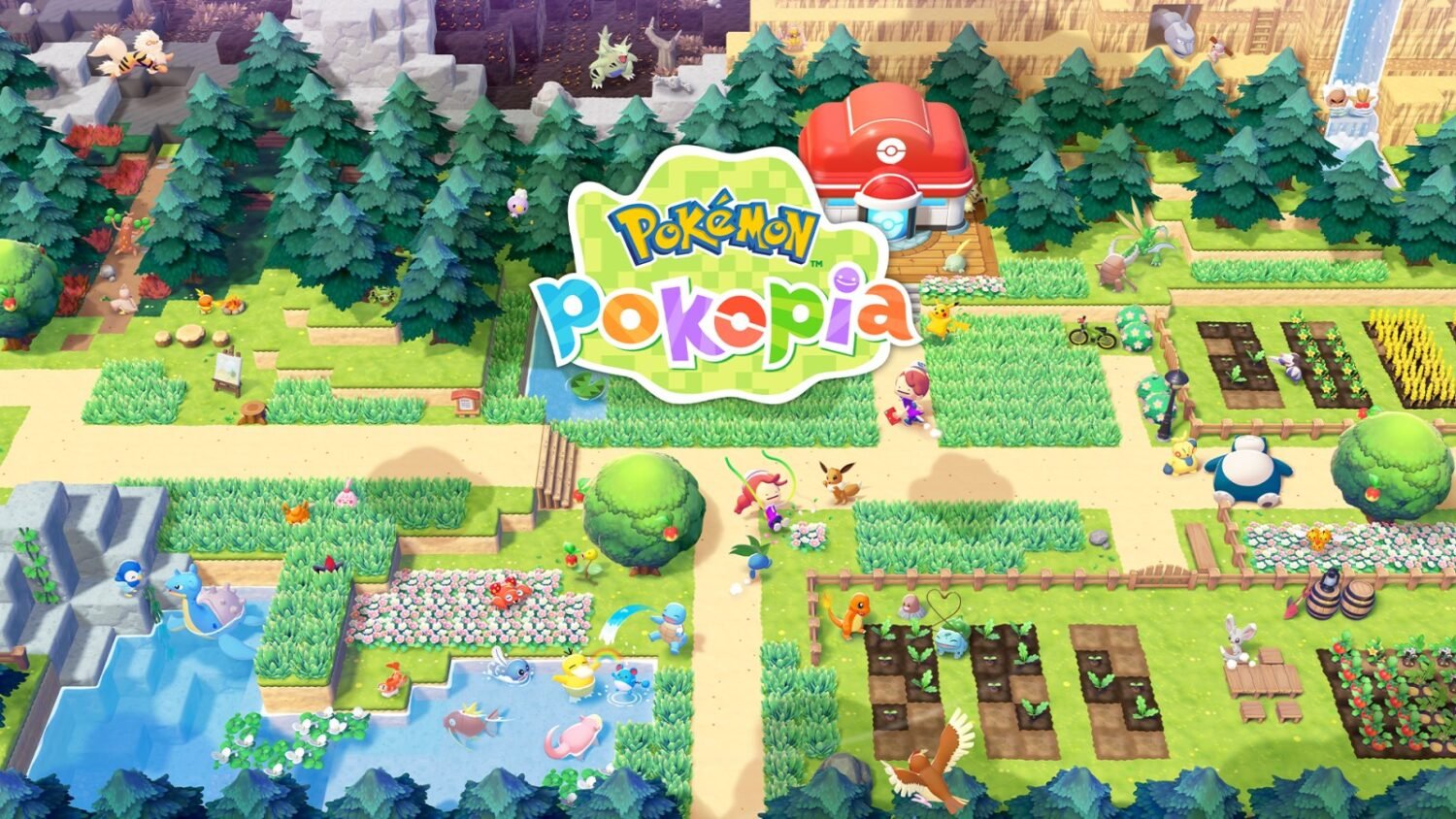
Pokémon Pokopia arrives on the showfloor in London
When a new Pokémon game gets an event demo, it’s like someone cracks open the door and lets the hype breathe real air. Pokémon Pokopia is getting that treatment at the 2026 Pokémon Europe International Championships in London, where visitors can try it on the showfloor before the March 5 launch. That’s a big deal because playing even a short slice can answer questions trailers never do. Does it feel snappy or floaty? Does the game communicate goals clearly, or does it toss us into the deep end with a smile and a shrug? And maybe the most important question of all: do we want to keep playing when the demo ends, or do we politely hand the controller back and move on? EUIC crowds also create a shared vibe, so impressions form fast, spread faster, and can swing the mood of the weekend in a heartbeat.
Why EUIC demos feel different than a typical hands-on
There’s a difference between trying a game in a quiet corner of a store and trying it at a major championship event where the energy is already buzzing. EUIC is packed with fans who care, competitors who are focused, and onlookers who are curious, which means the demo booth becomes part game preview and part social magnet. People talk while they wait, compare notes, and point out details you might miss alone. It’s the gaming equivalent of tasting a new dish at a busy restaurant: the food matters, but the room changes the experience. If Pokémon Pokopia is designed to be charming, relaxing, or surprisingly strategic, we’re going to feel that contrast even more strongly against the roar of a live event. And if something feels off, the setting makes it obvious quickly, like hearing a single wrong note in a concert hall.
Dates, venue, and what “sold out” means in practice
The demo runs during EUIC 2026 at ExCeL London from February 13 through February 15, and the official messaging notes that tickets are sold out and no longer available for purchase. In practical terms, that doesn’t just mean “too late,” it means the people inside the venue are the entire audience for this hands-on moment. That can make the demo booth feel even more in-demand because there’s no second wave of casual walk-ins. If you’re attending, it’s smart to treat time like a budget: once it’s spent, it’s gone. ExCeL is a large venue, and walking between areas can quietly eat minutes, especially when you’re navigating crowds and event signage. Planning a route, choosing priority times, and knowing where you want to be first can save you from the classic convention problem of doing a lot of walking and not enough playing.
What we can expect from the Pokémon Pokopia demo
An event demo is usually built to show the “feel” of a game quickly, like a movie trailer you can control. We should expect a curated slice that introduces the core loop without drowning us in menus or long tutorials. That might mean a short introduction, a simple objective, and a chance to experiment freely for a limited time. The real win is paying attention to what the demo emphasizes. If it pushes building, customization, or cozy pacing, we’ll know what the game wants us to value. If it leans into exploration, tasks, or progression hooks, that tells a different story. Either way, we can treat the demo like a first date: we’re not trying to learn everything, we’re trying to learn whether the chemistry is there. And yes, it’s totally normal to come away thinking, “I need more time,” because that’s often the point.
How to make the most of limited playtime
Demo time can vanish faster than a Potion in a tough battle, so it helps to go in with a tiny plan. Start by testing movement and camera control because if that feels good, everything else feels better. Then poke at whatever the game clearly wants you to do first, whether that’s interacting with Pokémon, placing objects, or completing a starter task. After that, spend a minute doing something “unnecessary” on purpose, like ignoring the objective to see how the world reacts. Does it feel alive? Are interactions quick and satisfying? Do animations and sound effects land with the right amount of charm, or do they feel repetitive already? If we leave the booth with three clear observations instead of a foggy “it was nice,” we’ve basically won.
Little details worth noticing while we play
The small stuff is where first impressions become lasting impressions. Pay attention to how the game explains things, because clarity is kindness when you’re learning. Watch the UI: does it feel clean or cluttered, and are prompts easy to read in a busy environment? Listen to the audio mix, too, because a great soundtrack can turn routine actions into a vibe, while weak audio can make everything feel flatter than it should. Also look for responsiveness in interactions, like how quickly actions register and whether the game respects your inputs. If the demo includes any customization or building tools, notice whether placement feels smooth or fiddly. These details might sound picky, but they’re the difference between “cozy and addictive” and “cozy but frustrating,” and we all know which one we’d rather live with.
How the demo can shape first impressions before launch
First impressions are like wet cement, and a hands-on demo is the moment people start leaving footprints. When we play Pokémon Pokopia at EUIC, we’re not just forming opinions, we’re forming the stories we’ll tell friends right after. That’s powerful because the game launches shortly after the event, so there’s not much time for the conversation to cool down. If the demo feels polished and welcoming, momentum builds naturally. If it feels confusing, slow, or rough around the edges, the chatter changes tone fast. The interesting part is that demos can also flip expectations in a good way. Maybe someone arrives skeptical and leaves sold, or arrives overhyped and leaves with a more grounded, healthier excitement. Either outcome is useful because it helps us set expectations for release day without pretending a demo equals the full experience.
Pokémon Legends: Z-A on Nintendo Switch 2 also gets hands-on time
EUIC 2026 is not a one-game tasting menu. Demo stations for Pokémon Legends: Z-A – Nintendo Switch 2 Edition are also available, which gives us a chance to compare two very different flavors of Pokémon future in the same weekend. That contrast is fun because it sharpens what we notice. After playing Pokopia, we might be more sensitive to pacing, calmness, and creativity. After playing Legends: Z-A, we might focus on motion, timing, and how battles feel in the moment. Even if you’re only mildly interested in one of them, trying both can give context. It’s like listening to two bands back-to-back: you suddenly understand what makes each one unique. And if you’re attending EUIC already, it’s a rare opportunity to turn a competitive weekend into a genuine hands-on preview of what’s coming next on Nintendo Switch 2.
Why pairing these demos at one event is smart
Putting Pokémon Pokopia and Pokémon Legends: Z-A on the same showfloor does something subtle: it keeps different kinds of Pokémon fans equally fed. Not everyone wants the same pace, and that’s fine. Some people want a game that feels like a warm blanket and a cup of tea, while others want something that gets the heart rate up. By offering both, the event becomes a conversation starter between fans who might not normally compare notes. Someone might say, “Pokopia felt so relaxing,” and someone else might answer, “Sure, but Legends: Z-A felt intense,” and suddenly you’ve got a friendly debate that makes the whole weekend more memorable. It also helps people decide what they’re buying next, especially if they’re managing a budget and trying to avoid impulse purchases driven by trailers alone.
How to plan your day at ExCeL London for demos and matches
EUIC can feel like a theme park where every attraction is competing for your attention, so planning is the difference between “best weekend ever” and “why are my feet angry at me.” If demos are your priority, aim to check the showfloor early, because queues tend to grow as the day fills up and word spreads. Factor in walking time, food breaks, and the simple fact that you’ll probably get distracted by something cool, like a pop-up store or an unexpected activity. Bring water, wear comfortable shoes, and keep a small snack handy, because hunger turns even the most exciting demo into a blurry memory. If you’re also watching matches, choose specific blocks you don’t want to miss rather than trying to see everything. Think of it like a buffet: pick favorites, sample a little, and don’t overload your plate.
Queue strategy: timing, pacing, and not burning out
Queueing is part of the deal at big events, but it doesn’t have to be miserable. The best strategy is to treat the queue like a short mission with comfort as the objective. If you can, arrive near opening to catch the first wave before lines fully form. If you’re attending with friends, decide whether you’re sticking together or splitting up and regrouping later, because both approaches can work depending on what you value more: shared experience or efficiency. While waiting, keep an eye on how the line moves and how staff manage play sessions, since that hints at how long you’ll be there. And pace yourself. If you sprint from one queue to the next all day, you’ll hit a wall and the last hours will feel like a slow crawl. Energy management is the real final boss.
What to write down right after you play
Memory is slippery, especially in a loud venue where a dozen things happen between the demo booth and the exit doors. Right after playing, jot down a few quick notes on your phone: what felt great, what felt odd, and what surprised you. Try to capture specifics instead of vibes, like “movement felt smooth,” “menus were easy to read,” or “the first task explained itself clearly.” If you noticed a feature you didn’t expect, write that down too, because those details become the most useful when you’re talking with friends later. Also note how you felt, not just what you saw. Did it make you smile? Did it make you impatient? Emotions are data, and they’re often the most honest part of the experience. Five short bullets can preserve the whole moment better than a blurry photo ever could.
What to watch for: signals about features, pacing, and polish
Even without trying to dissect every frame, we can still look for signals that hint at what the full game will feel like. Pacing is a big one: does the game reward you quickly, or does it ask for patience before the fun really starts? The feel of progression matters too, whether that’s unlocking options, meeting Pokémon, or improving a space over time. Polish shows up in transitions, loading, animation quality, and how often you bump into friction. If the demo is smooth, it builds confidence. If it’s rough, it raises questions, though it doesn’t automatically mean the final release will be the same. We should also watch how the game communicates goals and feedback. Clear feedback is like good signage in a big city: it keeps you moving without making you stop and squint every five seconds.
How to talk about the demo without spoiling the fun for others
After EUIC, people will be hungry for impressions, and it’s tempting to spill every detail. But there’s a nicer approach that keeps the magic intact, especially for friends who want to go in fresh on launch day. Focus on feel rather than specifics. Talk about tone, responsiveness, clarity, and what kind of mood it creates, without listing every step of the demo. If you share something concrete, keep it high-level and avoid describing surprises that are clearly meant to land emotionally. Think of it like recommending a movie: you can say it’s funny, heartfelt, or tense without explaining the ending. That way, we keep the conversation lively while still respecting the experience for everyone who hasn’t had the chance to play yet. Plus, it makes your impressions sound more thoughtful and less like a rushed checklist.
Conclusion
EUIC 2026 at ExCeL London is shaping up to be more than a competitive showcase, because it’s also a rare early hands-on moment for Pokémon Pokopia ahead of its March 5 launch. An event demo can’t reveal everything, but it can reveal what matters most: how the game feels in your hands, whether the tone clicks, and if the core loop makes you want to keep going. Add in the presence of Pokémon Legends: Z-A – Nintendo Switch 2 Edition demo stations, and the showfloor becomes a practical preview of two different directions Pokémon is taking on Nintendo Switch 2. With tickets noted as sold out, attendees have a built-in advantage: they’re the only ones who can turn speculation into real impressions before launch. If we plan our time, pace our energy, and pay attention to the details that matter, we leave EUIC with something better than hype. We leave with clarity, excitement, and a story worth telling.
FAQs
- When and where can we try the Pokémon Pokopia demo?
- The event demo is available during the 2026 Pokémon Europe International Championships at ExCeL London from February 13 to February 15, 2026.
- Is Pokémon Pokopia launching soon after the event?
- Yes, it launches on March 5, 2026, so EUIC is one of the closest hands-on opportunities before release.
- Will there be other Pokémon demos at EUIC 2026?
- Yes, demo stations for Pokémon Legends: Z-A – Nintendo Switch 2 Edition are also planned, so we can try more than one upcoming title.
- What’s the best way to handle demo queues?
- Arrive early, decide your priorities, and pace yourself. Treat queue time like part of the schedule, not an interruption, and keep notes right after you play.
- Can we still buy tickets for EUIC 2026?
- The official messaging notes that tickets are sold out and no longer available for purchase, so entry depends on already having access.
Sources
- Try out Pokémon Pokopia at the 2026 Pokémon Europe International Championships!, Nintendo UK, February 10, 2026
- Pokémon Pokopia Demo Event Is Heading To London This Week, Nintendo Life, February 10, 2026
- Registration Is Now Open for 2026 Europe International Championships, Pokemon.com, December 16, 2025
- Pokémon European International Championship 2026, ExCeL London, February 2026