














Summary:
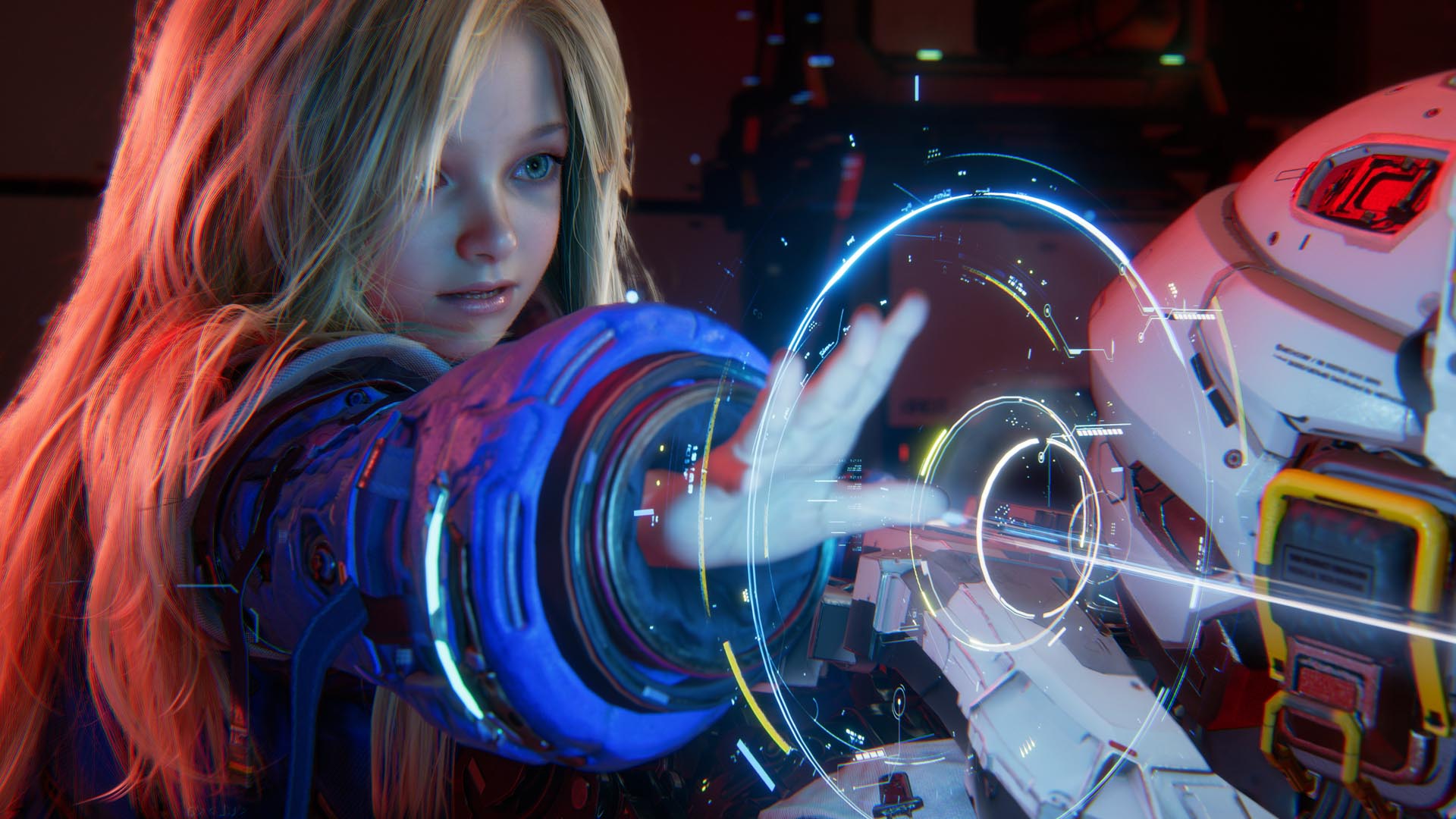
PRAGMATA hitting the gone gold milestone gives the game a jolt of real-world momentum that fans can actually feel. For a long time, it was the kind of project people watched from a distance with a mix of curiosity and caution. The concept looked stylish, the setting stood out, and the pairing of Hugh and Diana gave it personality, but until a game is truly locked in for release, there is always that little voice in the back of your head asking whether everything will come together on time. That is why this moment matters. Going gold means PRAGMATA is no longer floating in that uncertain space where anticipation can easily turn into doubt. It has crossed into the stage where launch stops feeling theoretical and starts feeling immediate.
Capcom’s celebratory message adds a welcome sense of confidence to that shift. It frames the milestone as something worth sharing with fans, and that matters because excitement lands differently when it comes with finality. Pair that with the fact that players can already jump into the demo on Nintendo eShop, and suddenly PRAGMATA is not just a name people recognize from trailers or event appearances. It becomes something you can actually test for yourself. That is a big difference. A good demo can do for a game what a first handshake does for a conversation – it turns distance into familiarity.
For Nintendo Switch 2 players especially, this is a timely reminder that PRAGMATA could end up being one of the more interesting sci-fi releases in the near term. The lunar setting, the action, and the hacking-focused combat give it a flavor that does not feel like it was assembled from a shelf of leftovers. Capcom still has polishing and post-launch support to think about, of course, because modern releases are rarely frozen in amber. Even so, the biggest hurdle has now been cleared. PRAGMATA is finished, the release date feels locked in, and the conversation around it has become much easier to believe in.
PRAGMATA reaches a meaningful moment for Capcom
There is something satisfying about seeing a game like PRAGMATA reach the gone gold stage. It gives the whole conversation around the release a firmer shape. Before this point, excitement can feel a little slippery. People may like the trailers, talk about the concept, and circle the release date on the calendar, but there is still that lingering uncertainty hanging overhead like a raincloud that refuses to move. Once a game goes gold, that mood changes. The project stops feeling fragile and starts feeling real. For Capcom, this is more than a routine production update. PRAGMATA is an original property with a distinct look, a chilly lunar setting, and a gameplay loop built around action and hacking working together. That alone makes it stand out in a market that often leans heavily on familiar names. Hitting this milestone tells fans that Capcom has brought the game across one of the most important finishing lines before launch, and that gives the release a welcome shot of credibility and momentum.
Why going gold still matters in modern game development
Some people hear the phrase gone gold and shrug, because modern games often receive patches, tweaks, and improvements after release. That part is true, but it misses the bigger point. Going gold still matters because it signals that the core build is complete enough to move into manufacturing, distribution, and final launch preparation. Think of it like a restaurant finally plating the dish after a long wait in the kitchen. The garnish may still be adjusted later, but dinner is no longer an idea. It is on the pass and almost at the table. That matters for players because it narrows the distance between announcement and reality. It matters for publishers because it helps lock in logistics, marketing beats, and platform readiness. And it matters for PRAGMATA because the game has spent enough time in the realm of mystery that this kind of concrete milestone has extra value. It does not just say the game exists. It says the game is ready to step out of the shadows and into players’ hands.
Capcom’s message gives fans a clear signal
Capcom’s celebratory post does exactly what a good milestone message should do. It keeps things simple, upbeat, and confident. There is no fog around it, no awkward hedging, and no vague language that leaves people wondering whether there is an asterisk hiding somewhere off-screen. The message tells fans that PRAGMATA has gone gold, thanks them for the support so far, and points directly to the launch date. That clarity matters. In an industry where players have learned to be careful with optimism, straightforward communication goes a long way. It helps steady the mood around a release and creates the sense that the publisher knows exactly where the project stands. For PRAGMATA, that is especially useful because the game has always attracted attention through intrigue as much as familiarity. When a release has mystery built into its identity, the most helpful thing a publisher can do near the finish line is replace uncertainty with confidence. Capcom has done that here without turning the message into a giant fireworks show.
The April 17 release date now feels much more real
A release date can sit on a store page for months and still feel oddly abstract. It is there, yes, but it can feel more like a promise written in pencil than something carved into stone. The gone gold update changes that mood in a meaningful way. PRAGMATA landing on April 17 now feels far less like a target and far more like an arrival point. That is the emotional shift players notice, even if they do not say it out loud. Suddenly the wait becomes easier to measure. You are no longer wondering whether the date will move again or whether the silence means trouble. You are simply counting down to a game that has cleared a major production hurdle. For Capcom, that is a valuable place to be. It lets the conversation move away from whether PRAGMATA will make it and toward whether it can leave a strong first impression. That is a much healthier discussion for any release, especially one trying to establish itself as a fresh name people will remember.
The demo turns curiosity into hands-on interest
If the gone gold announcement is the confidence boost, the demo is the handshake. Together, they form a much stronger combination than either would on its own. A lot of games live on promise for too long. They ask players to stay excited based on cinematics, short gameplay slices, or broad descriptions that sound great but still leave practical questions unanswered. PRAGMATA has a much better opportunity because people do not have to rely on imagination alone. There is already a demo available, which means players can move from passive interest to active judgment. That is always useful, but it feels especially important for a game built around a somewhat unusual combat concept. When action and hacking are supposed to work together in tandem, people naturally want to feel that rhythm for themselves. A trailer can suggest it. A demo can prove it. That difference is huge, and it could play an important role in turning mild curiosity into genuine excitement.
PRAGMATA’s hacking twist helps it stand out
One of the most interesting things about PRAGMATA is that it does not seem content to be just another sci-fi shooter with polished metal walls and a serious face. The game’s action is tied to a hacking mechanic that gives combat a more layered identity. That alone helps it avoid blending into a crowd of titles that may look slick but feel interchangeable after ten minutes. There is a practical upside here too. Distinct mechanics give players a stronger reason to remember a game, talk about it, and recommend it to someone else. It is the difference between saying, “That looked nice,” and saying, “You need to try this because it actually feels different.” PRAGMATA appears to be chasing the second reaction. The pairing of Hugh and Diana reinforces that identity because the game’s systems are built around their cooperation rather than around a lone hero bulldozing through every obstacle. That kind of design choice can make a game feel more deliberate and more personal, which is exactly what a new property needs if it wants to stick in people’s minds.
Nintendo Switch 2 players have a reason to pay attention
For Nintendo Switch 2 owners, PRAGMATA is worth watching because it gives the platform a type of experience that can immediately broaden its appeal. A stylish science-fiction action adventure with a distinctive gameplay hook is the sort of release that helps a platform feel varied rather than predictable. Not every player wants the same flavor every week. Sometimes you want bright and cheerful, and sometimes you want a cold lunar station, strange danger around every corner, and a combat loop that asks your brain to stay awake. PRAGMATA seems built for that second mood. The fact that there is a demo on Nintendo eShop makes that interest easier to act on. You do not have to stare at screenshots and make a guess from across the room. You can actually pick up the controller and see whether the movement, shooting, pacing, and hacking feel good in your hands. That is a much better way to build trust, and it gives Nintendo players a direct path into the conversation before launch arrives.
Capcom still has work to do after the master build is done
Going gold is a big milestone, but it is not the point where everybody in the building tosses confetti into the air and heads home early. Modern game development does not really work like that. Once the main build is locked, the focus often shifts toward final polishing, launch readiness, certification follow-through, marketing coordination, and the unglamorous but essential task of preparing for whatever bugs or technical quirks show up once thousands of players get involved. That is not a sign of trouble. It is just reality. Games are large, complicated systems, and even the best-prepared launch can produce surprises. For PRAGMATA, the encouraging part is that Capcom can now approach those last steps from a position of structure rather than uncertainty. The foundation is set. The attention can move to smoothing rough edges and making sure the launch window lands cleanly. In other words, the marathon is nearly done, but there is still a final sprint, and that last stretch can matter more than people think.
Why PRAGMATA feels more interesting now than it did before
Some games become more interesting as more information appears, and PRAGMATA seems to be following that path. Early on, it had intrigue. The visual identity stood out, the concept sounded unusual, and the mystery around the world helped it stay memorable. But intrigue is like a movie trailer with great music. It can pull you in, yet it cannot carry the full experience on its own forever. What makes PRAGMATA more compelling now is that the vague shape has become clearer without losing its personality. We know the release date. We know the demo exists. We know the core pairing of Hugh and Diana is central to how the game functions. And now we know the project has crossed the gone gold milestone. That combination creates a much stronger picture than atmosphere alone ever could. It turns PRAGMATA from a stylish question mark into a release that feels like it could genuinely matter. That is a valuable shift for Capcom because new properties need belief as much as they need visibility.
Launch momentum matters when a new IP is trying to break through
Established series can sometimes survive a sleepy lead-up because they already have history doing half the work for them. A new property does not have that luxury. It has to build recognition, trust, and excitement almost from scratch, and it needs those elements to show up at roughly the same time. That is why this stretch before launch feels so important for PRAGMATA. The gone gold message brings stability. The demo brings direct engagement. The release date brings urgency. Together, those things create momentum, and momentum is the oxygen that helps a new name breathe in a crowded release calendar. Without it, even interesting games can slip past people like a train in the fog. With it, a title has a much better chance of becoming part of the broader conversation. PRAGMATA still has to deliver when players finally sit down with the full release, of course. Nothing replaces that. But the runway into launch now looks a lot healthier than it did when the game was mostly surviving on concept and visual mystique.
What this milestone says about Capcom’s current rhythm
Capcom has spent the last several years building a reputation for steadier execution than many major publishers manage, and PRAGMATA reaching this point fits neatly into that image. It suggests a company that knows how to get a project to the finish line without letting the final stretch turn into chaos. That does not guarantee success, and no sensible person would pretend it does. Still, milestones like this shape perception for a reason. They give fans a sense of whether a publisher looks organized or scrambled, confident or uncertain. Right now, Capcom looks composed. That matters because players notice patterns. When a publisher repeatedly shows it can communicate clearly, release strong software, and handle rollout plans with confidence, people become more willing to lean in when something new appears. PRAGMATA benefits from that backdrop. It does not have to build its credibility in a vacuum. It arrives with the support of a publisher whose recent rhythm gives players more reason to pay attention and less reason to brace for disappointment.
Why this is the right time to try the demo before release
The best moment to try a demo is when curiosity is already warming up but before the full release rush drowns everything in noise. That is exactly where PRAGMATA sits right now. The gone gold milestone has put the game back into sharper focus, the launch date feels close and firm, and there is enough conversation around it to make people wonder whether it could be one of Capcom’s more interesting recent releases. That is your cue. Trying the demo now lets you form an opinion before launch chatter turns into a wall of hot takes, screenshots, frame-rate debates, and the occasional online overreaction that behaves like it has just seen a ghost. A demo will not tell you everything, but it can tell you a lot. Does the movement feel smooth? Does the combat click? Does the hacking element feel natural or awkward? Those answers matter more than any marketing slogan. For PRAGMATA, this is a smart moment for Capcom to let the game speak in its own voice, controller in hand.
Conclusion
PRAGMATA going gold is the kind of update that carries real weight because it changes the tone around the release. The game no longer feels like a stylish possibility hovering just out of reach. It feels immediate, grounded, and close enough to start judging on more than promise alone. Capcom’s message gives the milestone a confident face, while the available demo gives players a practical way to test whether the game’s ideas hold up in motion. That one-two combination is valuable for any launch, but it is especially important for a new property that needs to turn intrigue into trust. For Nintendo Switch 2 players and Capcom fans alike, PRAGMATA has become easier to believe in. The date is set, the build is finished, and the next step is simple – see whether the demo makes you want more.
FAQs
- What does it mean that PRAGMATA has gone gold?
- It means the main release build has been completed and approved for final manufacturing and launch preparation. In practical terms, it is one of the clearest signs that the game is on track for release.
- When is PRAGMATA releasing?
- PRAGMATA is set to release on April 17, 2026 in the regions reflected by Capcom’s recent announcement and Nintendo’s current store listings.
- Is there a PRAGMATA demo available?
- Yes. A playable demo is available, giving players an early chance to sample the game’s action and hacking-focused gameplay before release.
- Why is the demo important for this game?
- PRAGMATA has a gameplay setup that looks different from a typical sci-fi action release. A demo helps players judge whether that mix of combat and hacking actually feels good rather than just sounding interesting on paper.
- Will Capcom still update the game after launch?
- That is very likely. Modern releases commonly receive post-launch patches and adjustments, even after going gold, to improve stability and address issues discovered after release.
Sources
- PRAGMATA has officially GONE GOLD!, X, March 31, 2026
- Latest Nintendo Direct: Partner Showcase features new and classic titles coming to Nintendo Switch 2 and Nintendo Switch, Nintendo, February 5, 2026
- Demo Available Now – PRAGMATA, Nintendo, February 6, 2026
- PRAGMATA for Nintendo Switch 2, Nintendo, April 17, 2026
- Games coming to Nintendo Switch 2 and Nintendo Switch in 2026, Nintendo, December 30, 2025