














Summary:
Pragmata just gave Switch 2 owners something concrete to do right now: download a playable demo and get a feel for Capcom’s brand-new sci-fi action adventure before the full launch on April 24, 2026. That timing matters because trailers are fun, but hands-on time is where opinions form. The demo is positioned as a practical introduction to the game’s combat system and its sense of place, which is exactly what most of us want from a pre-release sample. We are not here to stare at menus and leave – we want to see how it moves, how it reads on a handheld screen, and whether the gameplay rhythm clicks within the first few minutes.
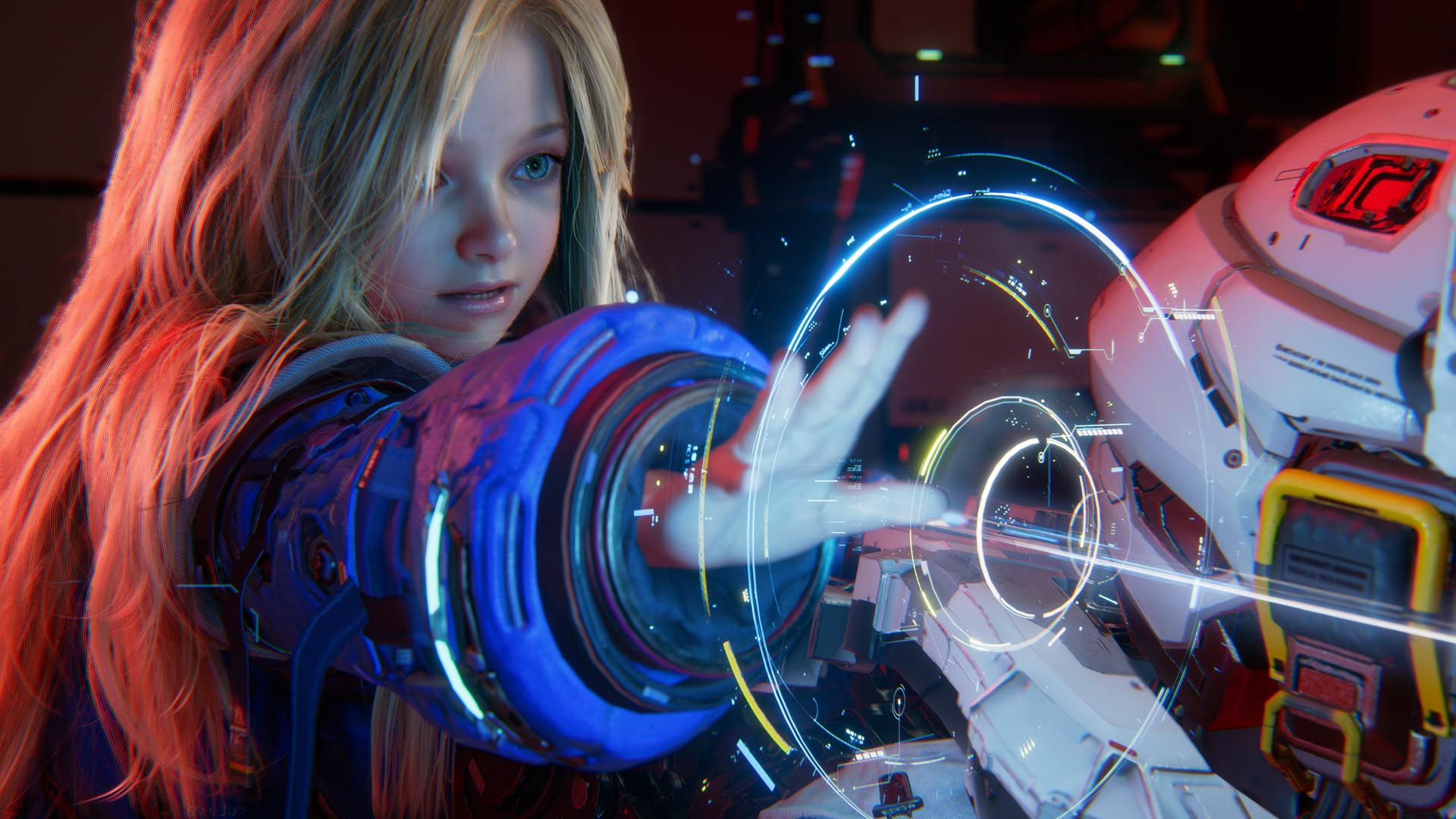
The key idea is that Pragmata isn’t selling itself as a mindless shooter. The demo highlights a combat approach that asks you to manage action and decision-making together, with Hugh and the android Diana working as a duo while navigating a lunar research station. That pairing is the hook: we get a human perspective grounded in physical movement and weapon handling, and we also get a partner who changes how encounters unfold. If you have ever played a game where you knew it was interesting, but the tutorial didn’t respect your time, this demo aims to do the opposite: show the concept clearly, let you try it immediately, and leave you curious about what the full version expands. Download it, get your hands on the systems, and you’ll have a much sharper read on whether Pragmata is your kind of sci-fi adventure.
Pragmata arrives on Switch 2 with a demo you can play
Pragmata showed up during the latest Nintendo Direct Partner Showcase with a simple message that hits harder than any marketing slogan: the demo is available on the Switch 2 eShop, and the full game launches on April 24, 2026. That combo is powerful because it removes the usual waiting game. We watch a trailer, we hear a date, and then we can immediately test whether the vibe matches the promise. Capcom is framing Pragmata as an action sci-fi adventure built around two characters, Hugh and Diana, who have to work together to survive and push forward through a lunar research station. The setting alone does a lot of work here, because a moon facility naturally implies isolation, harsh lighting, and that quiet hum of machinery that makes every hallway feel like it might be hiding something. If you are the type who likes to know how a game feels in your hands before committing, it’s your chance to stop guessing and start playing.
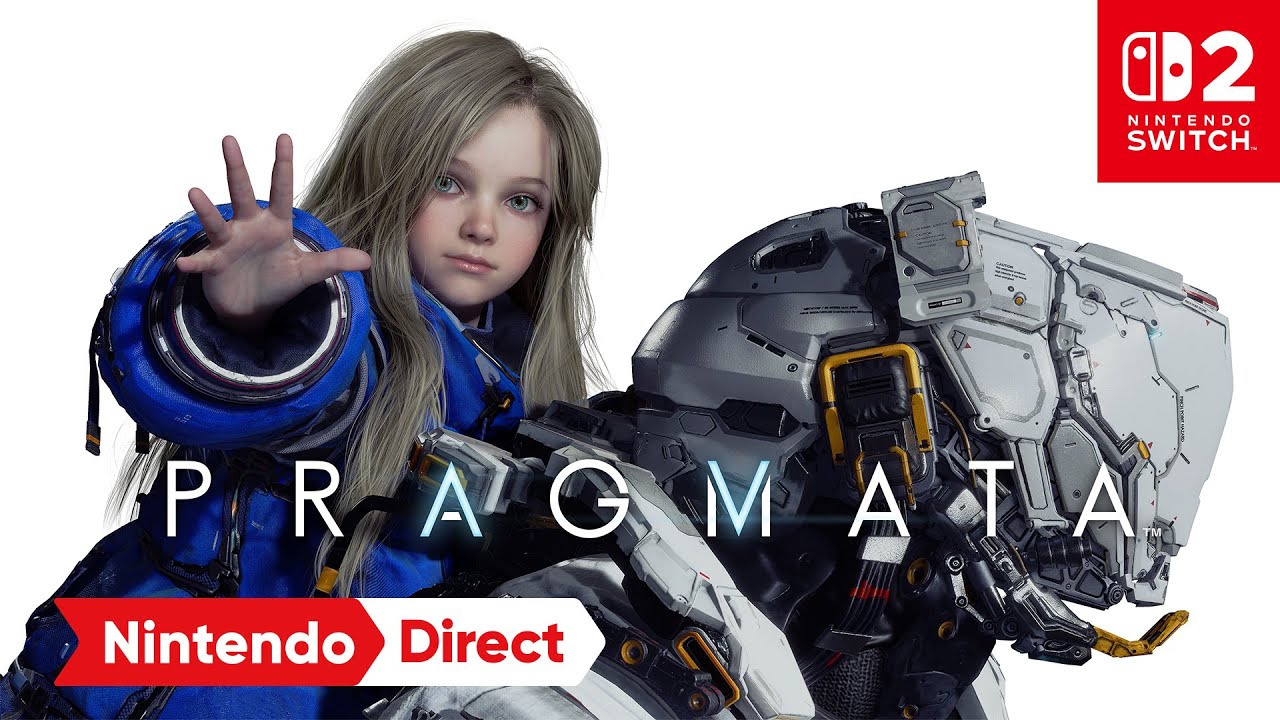
Where to find the demo on the Switch 2 eShop
Getting the demo is meant to be painless, and it helps to treat it like grabbing a movie ticket instead of planning a cross-country trip. Open the Switch 2 eShop, use the search function, and type “PRAGMATA” so you land on the correct product page without scrolling through unrelated results. On Nintendo’s official store listing, the demo is labeled as “PRAGMATA Sketchbook – DEMO,” which makes it easier to spot when you are looking at multiple options tied to the same game. From there, start the download the same way you would with any other eShop title, then launch it from your home screen once it’s installed. If you like keeping your system tidy, this is also a good moment to check your available storage and make sure you have room for downloads tied to demos and future updates. The whole point is to go from announcement to gameplay quickly, and the eShop flow is designed to make that happen.
What the PRAGMATA Sketchbook demo is designed to teach us
Nintendo’s listing describes the demo as a gameplay sample called “Sketchbook,” and the name is doing more work than it might seem at first glance. A sketchbook is where ideas get tested, where lines are drawn, erased, and drawn again until the shape feels right. That is a fitting metaphor for a demo that exists to teach the fundamentals without dumping the full game’s weight on your shoulders. The official description emphasizes trying out the combat system and getting a sense of traversing the lunar research station, which tells us the demo is focused on feel: movement, pacing, and the core decision-making loop. In other words, we are here to understand what makes Pragmata different, not to speedrun a story chapter and forget it five minutes later. If you approach it with that mindset, the demo becomes more than a teaser. It becomes a clear first impression of whether the combat concept is your kind of fun.
The core loop: shooting, hacking, and thinking fast
Pragmata’s combat pitch is that it “engages both sides of your brain,” and that reads like a playful way of saying we will be balancing action with quick tactical choices. The important thing is not the slogan, but the outcome: fights are meant to feel like a blend of reflex and planning, where you are not simply holding the trigger and hoping for the best. Hugh and Diana are built as a team, so the loop is about more than a single character’s firepower. That duo setup is where tension and creativity tend to live, because the game can ask you to manage positioning, timing, and system interactions in the same encounter. If you enjoy games that reward staying calm while things get loud, this is the kind of design that can feel like juggling knives in a circus – scary at first, but satisfying once the rhythm clicks. The demo’s job is to introduce that rhythm clearly, so you can tell whether the loop is exciting or exhausting for your playstyle.
Why the hacking layer changes the feel of every fight
Hacking mechanics tend to be the difference between a combat system that feels familiar and one that feels like it has its own personality. In Pragmata’s case, the hacking layer is presented as a key part of the combat identity, not an occasional trick you use once per level. That matters because it turns encounters into small puzzles under pressure. Instead of asking, “Can we aim well enough?” the game can also ask, “Can we make the situation easier by interacting with the system in front of us?” That shift changes how we read enemies and environments, because a hallway is no longer just cover and angles. It can be a playground of opportunities, depending on what the game lets us manipulate. The best part is that this kind of mechanic usually scales with player confidence. The first time, it can feel like patting your head and rubbing your stomach. After a few runs, it can feel like you are directing traffic with a whistle while everything moves exactly where you want it to go.
How teamwork between Hugh and Diana becomes the real weapon
When a game is built around two characters working together, the relationship is not only narrative. It becomes mechanical, and that is where the fun can sneak up on you. Hugh brings the grounded, boots-on-metal perspective of moving through space and handling direct threats, while Diana’s presence is framed as essential to pushing through what the station throws at you. That teamwork approach often leads to moments where you stop thinking of your partner as a sidekick and start thinking of them as a toolkit. The best co-op feeling can exist even in single-player games, as long as the design makes the partner feel meaningful rather than decorative. The demo is our first chance to see whether that is true here. If the systems encourage you to combine actions smoothly, you will feel that satisfying click where the duo becomes one strategy. If it doesn’t, it will feel like managing extra steps for no payoff, and the demo will make that obvious quickly.
Traversal and atmosphere on the lunar research station
Pragmata’s setting is a lunar research station, and that is one of those environments that practically writes its own mood. We expect cold corridors, clinical rooms, harsh contrasts between bright lights and deep shadow, and that uneasy sense that something is wrong even before anything jumps out. Traversal is not just moving from point A to point B in a place like this. It is how the game builds suspense and pace. When a corridor is long, it gives you time to listen. When a room is cluttered, it forces you to slow down and read the space. Nintendo’s description of the demo specifically calls out getting a feel for traversing the station, which suggests movement is not an afterthought. If traversal is smooth and readable, it makes the atmosphere more immersive because you are not fighting the controls. You are absorbing the environment. And in sci-fi, the environment is half the story, even when nobody is speaking.
Controls, readability, and how to avoid early frustration
New systems are exciting until they are confusing, and the fastest way to bounce off a game is to feel like it is speaking a language you do not understand. The trick with a demo like this is giving yourself permission to learn without rushing. Spend the first stretch paying attention to what the game wants you to notice: UI prompts, timing windows, and any visual cues tied to hacking or teamwork actions. If you are playing handheld, readability matters even more because small text and busy effects can turn clarity into chaos. Use the demo as a calibration session. Adjust camera sensitivity if needed, get comfortable with movement, and make sure you understand how to trigger the key actions that define the combat loop. This is not about playing perfectly. It is about getting to the moment where your hands stop thinking and start reacting. Once that happens, the demo stops feeling like a tutorial and starts feeling like a real slice of Pragmata.
Smart habits for a better first run in the demo
A good demo run is less about skill and more about approach, like tasting a new dish without chugging it like a sports drink. Start by experimenting instead of optimizing. Try actions in different orders, see what happens when you prioritize hacking over direct offense, and notice how the game responds when you move aggressively versus when you hold position. If the demo gives you a contained area, treat it like a sandbox rather than a hallway. The goal is to understand what choices you are allowed to make. Also, take short mental notes on what feels satisfying: is it the timing, the feedback, the sound design, the way enemies react? These impressions are valuable because they help you decide whether the full game is a day-one purchase or a “wait and see.” And if you are the kind of player who loves mastering systems, a demo like this is basically a free first lesson. We might as well learn something useful while we are here.
What this reveal says about Capcom’s Switch 2 plans
Capcom choosing to drop a Switch 2 demo the same day as a Partner Showcase appearance signals confidence, because demos are honest in a way trailers can never be. A trailer can hide rough edges with editing. A demo puts the controller in your hands and says, “Go ahead, test it.” That matters for Switch 2 as a platform, too, because it shows Capcom is willing to put a real playable build in front of the audience, not just promise a version later. It also helps set expectations early. If the demo feels good, it builds momentum that can carry into launch. If something feels off, it gives Capcom time to listen and adjust messaging or support. Either way, it creates a more grounded conversation around Pragmata on Switch 2. We are not debating hypotheticals. We are reacting to what is playable right now, and that is a healthier way to talk about a new release.
Release date, editions, and the pre-order items on Nintendo’s store page
The headline details are clean and easy to plan around: Pragmata launches on Nintendo Switch 2 on April 24, 2026, and Nintendo’s official listing also outlines specific pre-order contents. According to that store page, pre-orders include “Hugh Outfit – Neo Bushido” and “Diana Outfit – Neo Kunoichi,” described as samurai and ninja-inspired costumes tied to the Sengoku period theme. It is a small detail, but it tells us Nintendo’s page is treating Pragmata like a major release with standard storefront support: release date, edition selection, and clear add-on notes. If you care about cosmetics, it is a nice extra. If you don’t, it is still useful because it confirms what is being offered and how it is framed. The main point is that we have an official date and an official demo, which is the best combination for anyone who likes planning their next big game with real information instead of wishful thinking.
What to do after the demo: wishlists, updates, and staying current
Once you finish the demo, the best next step is simple: use what you learned to make your own call and set yourself up for launch day. If you enjoyed it, add Pragmata to your wishlist so it stays on your radar as April 24, 2026 approaches. If you are unsure, keep the demo installed and revisit it later, because first impressions can change once the controls and systems feel more natural. Also, keep an eye on Nintendo’s news updates and Capcom’s official messaging for any additional footage, feature details, or storefront changes tied to editions. The nice thing about having a demo is that we can measure new trailers against reality. If a future trailer promises a certain tone or pace, we can compare it to what we actually played. That keeps our expectations grounded, and it makes the wait feel less like staring at a calendar and more like preparing for something we already understand.
Conclusion
Pragmata’s Switch 2 demo being available changes the conversation from hype to hands-on reality, and that is the best gift a pre-release announcement can give. We have a clear runway to the full launch on April 24, 2026, and we can use the demo to learn the game’s language now instead of scrambling later. The “PRAGMATA Sketchbook – DEMO” is framed as a focused sample that lets us try the combat concept and experience movement through a lunar research station, which is exactly the kind of preview that helps players decide what they want. If the hacking-and-action blend clicks, the demo will feel like the first chapter of a story we actually want to finish. If it doesn’t, at least we learn that before spending money, and that is still a win. Either way, the download is the point where Pragmata stops being a trailer and starts being a real experience on Switch 2.
FAQs
- When is the Pragmata demo available on Nintendo Switch 2?
- The Pragmata demo is available on the Nintendo Switch 2 eShop, following the announcement during the Nintendo Direct Partner Showcase.
- What is the name of the Pragmata demo on Nintendo’s official listing?
- Nintendo’s official store page refers to it as “PRAGMATA Sketchbook – DEMO.”
- When does the full version of Pragmata launch on Switch 2?
- Pragmata launches for Nintendo Switch 2 on April 24, 2026.
- What are the listed pre-order items on Nintendo’s store page?
- The listing notes pre-order contents that include “Hugh Outfit – Neo Bushido” and “Diana Outfit – Neo Kunoichi.”
- What is the demo meant to showcase?
- The official description indicates the demo lets you try the combat system and experience what it’s like to traverse the lunar research station.
Sources
- Latest Nintendo Direct: Partner Showcase features new and classic titles coming to Nintendo Switch 2 and Nintendo Switch, Nintendo, February 5, 2026
- PRAGMATA for Nintendo Switch 2 – Nintendo Official Site, Nintendo, February 5, 2026
- Pragmata Looks Awesome In New Switch 2 Trailer, Free Demo Arrives Today, Nintendo Life, February 5, 2026
- Pragmata gains demo on Nintendo Switch 2 today, Nintendo Everything, February 5, 2026
- Pragmata demo available on Switch 2 eShop today, My Nintendo News, February 5, 2026