














Summary:
Rayman’s 30th Anniversary Edition feels like Ubisoft opening an old photo album, then handing you the actual camera so you can see how the shots were taken. The reveal frames this as a celebration of the original 1995 platformer, not a reinvention, and that distinction matters. Instead of chasing a glossy reboot, we’re getting a bundle that pulls together multiple versions of early Rayman across different platforms, each with its own quirks, pacing, and tiny historical fingerprints. That alone is a fun kind of chaos, because it lets you compare how the same game behaves when it’s shaped by different hardware limits and design decisions.
The headline curiosity is the unreleased SNES prototype. It’s not positioned as a complete experience, but that’s almost the point. A prototype is a museum display you can play, a snapshot of a timeline where Rayman might’ve landed somewhere else entirely. Alongside that, we’re also getting modern features like rewind and save states, which can take the edge off some of the classic difficulty spikes without sanding away the personality. Add an arranged soundtrack tied to Christophe Héral, plus an interactive documentary angle packed with interviews and archival material, and this starts to look less like a simple re-release and more like a playable anniversary package with actual care behind it. If you’ve missed Rayman, or you’ve only heard the name through nostalgia and memes, this is a neat way to meet the limbless legend where he began.
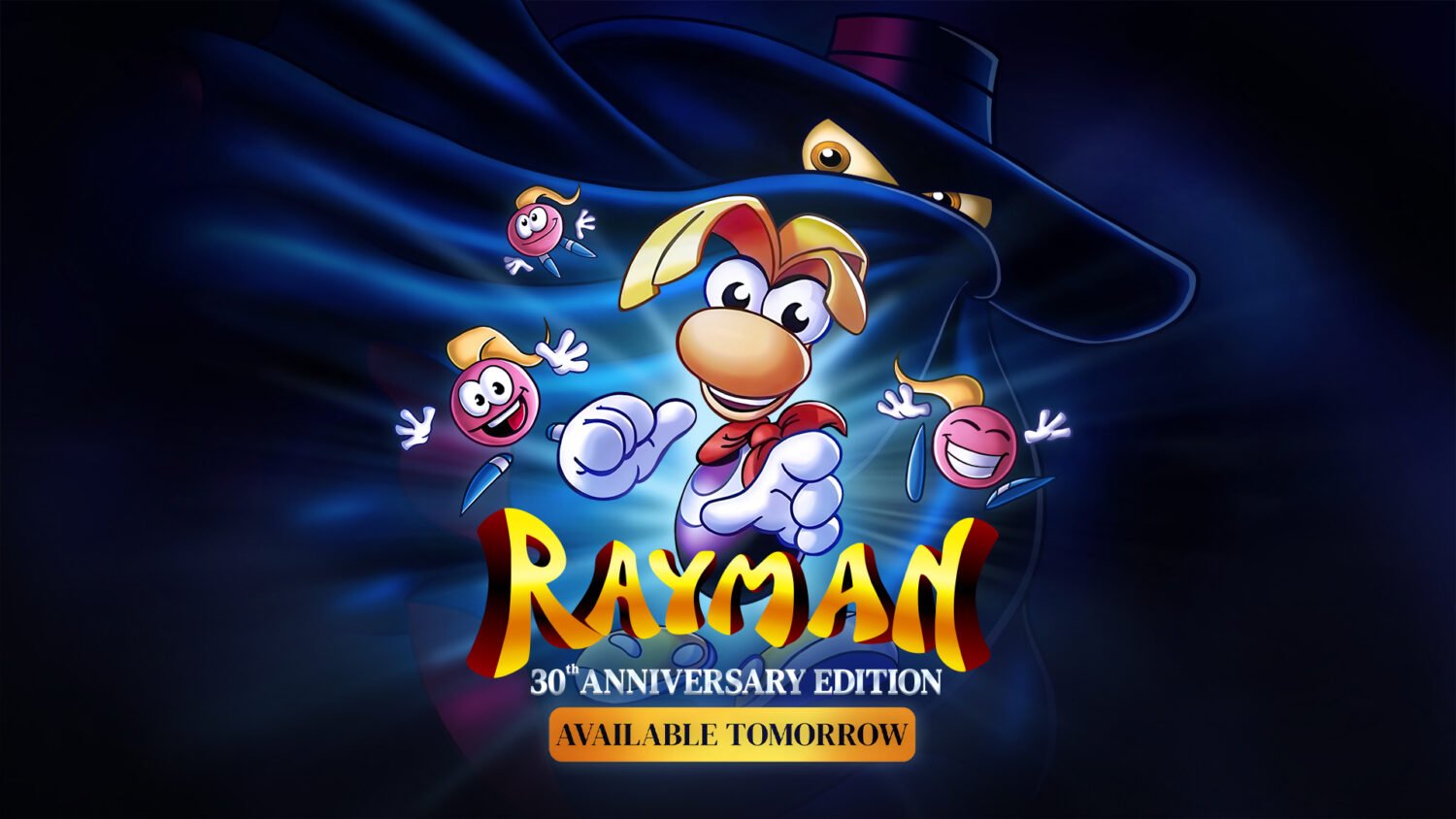
Rayman’s 30th Anniversary Edition: the reveal and the vibe
Rayman has been one of those characters who never really disappears, but also never fully kicks the door back open. So when Rayman 30th Anniversary Edition shows up in a major showcase, it lands like hearing an old friend’s laugh from across a crowded room. The reveal sells the idea of celebration more than reinvention, and that’s a smart play for a character whose legacy is tied to a very specific era of platformers. We’re talking about the original Rayman experience being preserved across multiple versions, then paired with modern conveniences that make it easier to enjoy in 2026 without turning it into something unrecognizable. The overall vibe is, “Here’s where Rayman came from, and here’s why it still matters,” which is exactly what an anniversary release should aim for. If you’ve ever argued with someone about which “old-school” platformer still feels good today, this package shows up like a confident mic drop, then politely hands you a controller.
Release date and platforms: where you can play on day one
The release timing is refreshingly clear. Rayman 30th Anniversary Edition launches on February 13, 2026, and it is positioned as a multi-platform release that hits PS5, Nintendo Switch, Xbox Series X|S, and PC. That spread matters because it keeps the conversation from turning into the usual “cool announcement, shame I can’t play it” spiral. It also fits the spirit of Rayman, a series that historically popped up in different forms across different machines. If you want a couch setup, PS5 and Xbox Series are right there. If you want handheld energy, Switch is the obvious pick. If you want PC flexibility, that option’s on the table too. In other words, you can choose the platform that matches your habits instead of choosing the platform that happens to be allowed. For a nostalgia-driven release, that kind of accessibility is the difference between a warm memory and an actual weekend plan.
What’s actually included: a collection of Rayman’s earliest forms
This package is built around multiple versions of the original 1995 Rayman, which is where the “anniversary” part earns its keep. Instead of acting like there is only one true version, it leans into the reality that Rayman existed across different systems with different strengths and limitations. That makes the collection feel like a playable timeline. You can hop between versions and notice how small changes affect the rhythm of play, the feel of movement, and even the general vibe of the presentation. It’s the kind of thing that turns casual curiosity into an evening of “wait, let me compare that again.” The lineup includes the PS1 version, MS-DOS, Jaguar, Game Boy Color, Game Boy Advance, and the unreleased SNES prototype. That mix hits both the mainstream memory lane and the nerdy corner where preservation fans love to hang out. If you like seeing how games evolve through hardware constraints, this is basically a buffet.
The PS1 version: the classic many people remember first
For a lot of players, the PlayStation version is the mental default when someone says “the original Rayman.” It’s the one that feels like the flagship snapshot of the era, the version that anchored Rayman’s early identity as a colorful, animation-forward platformer with a slightly mischievous edge. Including it here is non-negotiable, because it’s the baseline reference point you’ll compare everything else against. It also sets expectations for how the collection treats preservation. If the PS1 version is presented cleanly and runs well, it signals that the rest of the package is aiming for authenticity rather than over-polishing. And that authenticity matters because Rayman’s charm lives in the little things: how jumps arc, how momentum feels, how the world art pops, and how the difficulty can occasionally smack you like a prank from a friend who insists it was “just a joke.” This is the version many players will start with, then use as their compass while exploring the others.
MS-DOS and Jaguar: two routes into 1995
MS-DOS and Atari Jaguar inclusions are where the collection starts to feel like a real historical sampler instead of a greatest-hits rerun. These versions represent Rayman’s early life outside the console mainstream, and they’re the kind of entries that spark conversation because not everyone has direct nostalgia for them. That’s a good thing. It means you can approach them with fresh eyes and treat them like alternative cuts of the same film. The fun is in noticing what changes and what stays consistent, from presentation quirks to subtle differences in feel. It’s also a reminder that Rayman launched in a time when developers were juggling wildly different hardware realities, and “the same game” could be interpreted in multiple ways. If you enjoy the archaeology side of games, MS-DOS and Jaguar are the exhibits you stop at longest, partly because you’re curious, and partly because you can’t believe this is the same year that was steering the industry toward 3D obsession.
Game Boy Color and GBA: portable Rayman, different flavors
Handheld Rayman hits differently, and that’s exactly why these versions are worth including. Game Boy Color and Game Boy Advance entries aren’t just “the same thing but smaller,” they’re translations of Rayman’s identity into portable form. That usually comes with compromises and clever workarounds, which can be fascinating to see side-by-side with the home versions. The pacing can feel different, the visuals can take on a distinct style, and the overall experience often becomes more about bite-sized play sessions rather than marathon runs. If you’re the type who loves seeing how developers squeeze personality out of limited hardware, these versions are like little magic tricks. And if you’re a Switch player looking at this anniversary package, the portable angle gets even funnier in a good way. You can sit there in 2026 playing old portable Rayman versions on a modern portable system, like you’ve built a handheld time machine inside another handheld time machine. That’s the kind of layered nostalgia that makes people grin for no reason.
The unreleased SNES prototype: the “what if” time capsule
The unreleased SNES prototype is the most intriguing inclusion because it’s not about finishing a game, it’s about peeking behind the curtain. Prototypes are messy by nature. They’re proof-of-concept snapshots, sometimes incomplete, sometimes rough, sometimes surprisingly playable, and always interesting because they show decisions that didn’t make it to the final timeline. This prototype is framed as not being a complete experience, and that honesty helps set expectations. You’re not buying it to replace the main versions, you’re buying it to explore a lost branch of Rayman history. Think of it like finding a sketchbook page from an artist you love. The drawing isn’t “done,” but you can see the thinking, the style, and the direction. For Rayman fans, that’s a big deal, because it turns the anniversary package into preservation work you can interact with. And for newcomers, it’s a neat reminder that classic games didn’t arrive fully formed. They were built through experiments, false starts, and strange prototypes that sometimes only surface decades later.
Modern tools: rewind, save states, and quality-of-life perks
Classic platformers can be charming, but they can also be stubborn, like a cat that refuses to move when you’re trying to sit down. That’s where modern tools like rewind and save states can change the entire mood. Rewind lets you undo a mistake without turning one bad jump into a full replay of a section you already proved you can handle. Save states give you control over your own pacing, which is especially helpful when you’re balancing games with real life, like work, family, or the simple need to eat something other than snacks. The best part is that these tools don’t have to erase difficulty. They just make difficulty feel fairer, because you spend less time repeating “administrative” gameplay and more time actually learning and improving. For players who grew up with Rayman and remember the tough bits, these features feel like a friendly upgrade. For players who never touched the original, they’re the difference between appreciating a classic and bouncing off it after an hour. It’s like adding power steering to a vintage car: the drive stays the drive, but your wrists thank you.
New music energy: Christophe Héral’s arranged soundtrack
Music is one of Rayman’s secret weapons. It’s always had that playful, slightly offbeat tone that makes the world feel alive, even when you’re stuck on a level and questioning your life choices. An arranged soundtrack tied to Christophe Héral brings an extra layer of excitement because it suggests this anniversary release isn’t only about preservation, it’s also about celebration. Arrangements can highlight melodies that were already strong while giving them a richer presentation that fits modern audio expectations. It’s like taking a familiar tune you’ve hummed for years and finally hearing it performed by a full band. For returning fans, that can trigger instant emotional memory. For newer players, it makes the package feel less like homework and more like a party. It also pairs nicely with the documentary angle, because music and behind-the-scenes storytelling tend to amplify each other. If the soundtrack lands well, it becomes the kind of thing people stream in the background while working, then suddenly realize they’ve been nodding along for twenty minutes like they’re in a tiny Rayman concert.
Bonus levels and extra challenges: what “120 added levels” can mean
“120 added levels” is the kind of phrase that makes people lean closer to the screen and ask, “Okay, but what does that actually look like?” The most grounded way to think about it is as a blend of extra stages and legacy add-ons tied to how Rayman expanded across releases and versions over time. Anniversary packages often fold in bonus content that was previously scattered, region-specific, or tucked behind obscure releases, and the wording points to that kind of bundling approach. The important part is the intention: giving you more to play than the base run through the original game, so the package feels like a celebration rather than a single weekend rental. Extra levels can also serve different audiences at once. Some can be easier and playful for casual runs, while others can be tougher “prove it” challenges for veterans who want to show off. Either way, more levels only matter if they’re presented in a way that’s easy to access and fun to tackle. If the core platforming still feels sharp, then extra stages are like dessert. If the core doesn’t land, extra stages are just more treadmill. The good news is Rayman’s base identity is built for replaying, experimenting, and chasing that one clean run where everything finally clicks.
The interactive documentary: why it matters more than a menu extra
An interactive documentary can sound like a fancy way to say “bonus videos,” but the best ones feel like a playable museum where you can actually linger. When done right, it’s not just a timeline and a few interviews. It’s a curated walk through concept art, early sketches, design documents, and developer stories that explain why the game looks and feels the way it does. That’s especially valuable for Rayman because the original stands out for its art style and animation, and seeing the creative process behind that can make you appreciate the game in a new way. It also helps this anniversary release appeal to more than just speedrunners and nostalgia chasers. If you’re curious about game development, preservation, or how a 1995 platformer fought for attention in an era that was quickly sprinting toward 3D, the documentary angle gives you that context. It’s the difference between simply playing an old classic and understanding the people and decisions that shaped it. Basically, it turns the package into something you can explore even when you’re not in the mood to nail tricky jumps.
Who this release is for: collectors, first-timers, and lapsed fans
This release has a surprisingly wide target, and that’s why it has a chance to stick. Collectors get the appeal of a tidy anniversary package that bundles multiple versions and adds a rare prototype like a trophy on the shelf. First-timers get a clean entry point, plus modern features that soften the rough edges that can make older platformers feel intimidating. Lapsed fans get the “Rayman is back” moment, with enough new extras to make it feel like more than a replay. The multi-version structure also makes it social in a low-key way. You can have debates with friends about which version feels best, trade stories about weird differences, and dare someone to try the prototype just to see what surprises it hides. It’s also a release that respects different play styles. Some people want to finish the game. Some want to sample history. Some want to poke around in a documentary and soak up trivia like it’s popcorn. This package seems built to support all of those moods without forcing one “correct” way to enjoy it. And honestly, that’s the most Rayman thing possible: playful, flexible, and a little bit unpredictable.
Conclusion
Rayman 30th Anniversary Edition doesn’t try to pretend the past needs to be rewritten. It treats the original Rayman like something worth preserving, then adds just enough modern comfort to make that preservation easy to enjoy today. Multiple classic versions give you a playable timeline, the unreleased SNES prototype adds genuine curiosity, and rewind plus save states make the tougher moments feel more approachable without draining the personality out of the challenge. The arranged soundtrack and interactive documentary add celebration on top of preservation, which is the best-case combo for an anniversary release. If you want nostalgia with substance, this is a strong pitch. If you’re new and you’ve only heard Rayman’s name echoed through gaming history, this is a welcoming way to meet him at the start, with a few helpful handrails. Either way, February 13, 2026 looks like a pretty good date to throw a punch, spin up the hair-copter, and let a classic platformer remind you why it was special in the first place.
FAQs
- When does Rayman 30th Anniversary Edition release?
- It launches on February 13, 2026, with release information confirmed by Ubisoft and PlayStation’s official channels.
- Which platforms are getting the release?
- The announced platforms include PS5, Nintendo Switch, Xbox Series X|S, and PC.
- What versions of Rayman are included in the package?
- The collection includes the PS1 version, MS-DOS, Atari Jaguar, Game Boy Color, Game Boy Advance, plus an unreleased SNES prototype.
- Is the unreleased SNES prototype a full game?
- No, it’s presented as a prototype and is not described as a complete experience, which is typical for preserved unreleased builds.
- What modern features are included to make playing easier?
- Rewind and save state functionality are included, alongside other quality-of-life options that help reduce frustration while keeping the classic feel intact.
Sources
- Play Rayman: 30th Anniversary Edition Tomorrow!, Ubisoft News, February 12, 2026
- Rayman: 30th Anniversary Edition releases Feb 13 on PS5, PlayStation Blog, February 12, 2026
- Rayman: 30th Anniversary Edition announced for PS5, Xbox Series, Switch, and PC, Gematsu, February 12, 2026
- Rayman: 30th Anniversary Edition is out tomorrow and features 5 versions of the 1995 classic, as well as a lost SNES prototype, PC Gamer, February 13, 2026
- RAYMAN IS FINALLY BACK!!! @RaymanGame #Rayman #Ubisoft, X, February 12, 2026