














Summary:
Two Capcom games showing well on Nintendo Switch 2 is not just a “neat port” story – it’s a signal. The standout takeaway from the IGN hands-on impressions is simple: playing Resident Evil Requiem on Switch 2 did not create that familiar itch where you immediately start wishing you were on a bigger, more powerful box under your TV. That matters because it’s the emotional truth test for ports. You can forgive a softer image, but you can’t forgive that constant feeling of compromise that nags at you like a pebble in your shoe.
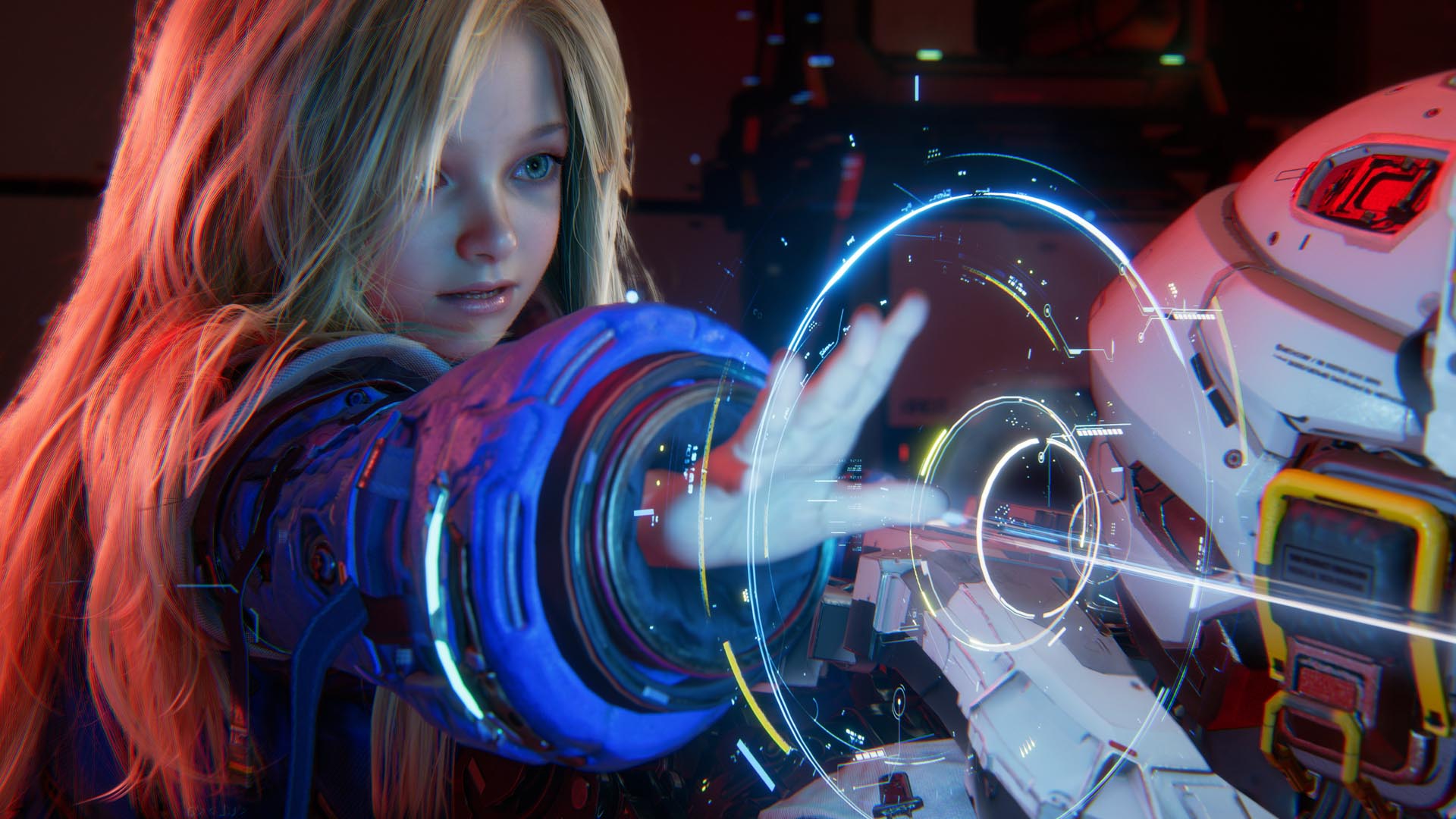
Requiem sounds like it benefits from its darker tone and tighter spaces, where atmosphere does heavy lifting and small visual tradeoffs stay less obvious. There’s still a noticeable jump when you go from a 4K television to a 1080p handheld screen, but the key point is that performance and overall playability stay strong enough that the experience holds together. Pragmata, on the other hand, is brighter and more open, which can make fuzzier details and rough edges easier to spot. Even so, it still comes across as responsive and enjoyable, which is a big deal for a game built around action beats, quick events, and timing-sensitive moments.
One extra detail helps explain why these impressions land: tactile feedback. Feeling the weight of movement through HD Rumble 2, especially when a character is stomping around in heavy gear, can make a portable version feel more “real” than its visuals alone might suggest. Put it all together and the message is clear: Switch 2 is starting to look like a place where major third-party releases can feel genuinely viable in both docked and handheld play, without turning every conversation into a debate about what you gave up.
Resident Evil Requiem and Pragmata hit Switch 2 with real momentum
When two high-profile Capcom releases show up on Nintendo hardware in a way that leaves a strong first impression, it changes the whole vibe of the conversation. Instead of asking, “How compromised is it?” we start asking, “Which mode fits my life today?” That’s a bigger shift than it sounds, because it treats Switch 2 as a primary place to play, not just the “nice-to-have” portable option. It also suggests Capcom is treating Switch 2 seriously rather than as an afterthought, and you can usually feel that in the little things: input response, stability, and whether the game looks like it’s fighting the system. If you’ve ever played a port that felt like it was held together with tape and hope, you know the difference immediately. These impressions point in the opposite direction. The story here is not perfection, it’s confidence. The demos reportedly felt viable, enjoyable, and steady enough that the focus stayed on the games themselves, which is exactly where Nintendo players want it to be.

Why “I didn’t miss my PS5 or Xbox” is the line that matters
There’s a specific kind of praise that lands harder than raw numbers, and it’s emotional: “I didn’t wish I was on my beefier machine.” That line matters because it describes friction, not pixels. Lots of people can live with lower fidelity, but they can’t live with constant reminders that they’re playing the “lesser” version. If you’re thinking about buying on Switch 2 for portability, that’s the fear you’re trying to dodge. These impressions suggest that, at least in the builds shown, Requiem avoids that trap. The version may not match PC or the latest home consoles on pure visual output, but it doesn’t sound like it collapses under pressure either. That combination is the sweet spot: you keep the core identity of the experience, and you gain the freedom to play where you want. It’s like choosing a great espresso from a smaller cup instead of a watery one from a huge mug. Size is not the whole story.
Visual expectations on Switch 2: the reality behind fidelity talk
Let’s be honest about the elephant in the room: Switch 2 versions are not expected to look identical to PC, PlayStation 5, or Xbox Series X. That’s not a scandal, it’s math. The interesting part is how visible those differences feel during real play, when you’re moving, aiming, reacting, and absorbing the mood. In darker games, lighting, contrast, and atmosphere can do a lot of the heavy lifting, and that can make a lower-resolution presentation feel less “off” than you’d expect. In brighter games with big open spaces, the same tradeoffs can stand out more quickly, because your eyes have more time and clarity to pick at the edges. These impressions basically follow that common-sense pattern: Requiem’s claustrophobic, horror-forward setup seems to hide shortcomings better, while Pragmata’s brighter environments expose them. The key is that “expose” does not automatically mean “ruin.” If the game still runs well and feels good, most players stop counting leaves on trees and start enjoying themselves.
A quick note on what players actually notice first
Most of us don’t notice texture resolution first. We notice whether turning the camera feels smooth, whether aiming is predictable, and whether movement feels consistent. That’s why impressions that emphasize “solid performance” tend to matter more than impressions that list a dozen tiny visual differences. If you want the cleanest image possible, you already know where you’re headed. If you want a version that stays responsive and enjoyable while giving you portability, stability is the headline. These hands-on notes lean heavily in that direction, and that’s why they’re sparking interest. The best compliment a portable version can earn is silence, in a weird way. If you forget you’re playing the portable version, it’s doing its job.
Handheld vs docked: what changes when the screen changes
Switch 2 lives in two worlds: the big-screen setup and the handheld bubble. That swap changes more than the size of the picture. It changes your distance from the screen, the way you perceive sharpness, and how much you notice small defects. One of the most grounded observations in the impressions is that switching from a 4K television to the Switch 2 screen creates a noticeable resolution difference, which is exactly what most players would expect. But the bigger point is that the handheld version still looked good and held solid performance in the demo. That’s the practical win. In handheld mode, your screen is closer, so a 1080p image can still look crisp to your eyes, even if it’s obviously not the same as a huge 4K panel across the room. The question becomes less about “Is it technically lower?” and more about “Does it still feel great while I’m actually playing?” The impressions suggest yes, especially for Requiem.
Why 1080p can feel better in your hands than it sounds on paper
On paper, “1080p” can sound like a downgrade when you’re used to 4K. In your hands, it’s often a different story because the viewing distance shrinks dramatically. Think of it like reading a paperback versus a billboard. The billboard is bigger, sure, but the paperback is right there in your face, and your brain adapts fast. What can break that illusion is instability: dips, stutter, mushy input, or muddy motion. That’s why the talk about maintaining solid performance is so important here. If the demo stays smooth enough that the horror pacing works, then the handheld version can still deliver the tension you’re chasing. You’re not buying a screenshot, you’re buying an experience that lives in motion.
Resident Evil Requiem impressions: horror clarity, movement, and pacing
Requiem appears to benefit from being a horror game that leans into tight spaces, strong mood, and a sense of being trapped. Those elements can mask minor visual sacrifices because you’re focused on survival, not scenery tourism. The hands-on notes also call out a third-person detail that matters more than it might seem: the character’s movement sells vulnerability. If Grace stumbles and trips when fleeing a threat, that’s not just animation flair, it’s tone. It reinforces panic and imperfect control in a way that makes the chase feel scarier. When a game nails that physicality, the experience feels more grounded, and your brain stops obsessing over the tech checklist. The point is not that the Switch 2 version matches the “best” version, it’s that the version shown still carried the mood and held together under play. For a Resident Evil release, that’s the whole battle.
The horror sweet spot: claustrophobic spaces can be a secret weapon
Bright open worlds are like white shirts: they show every stain. Dark hallways are more forgiving, and horror games often use that to their advantage. If Requiem is built around claustrophobic corridors, harsh lighting, and sudden threats, then the presentation can still feel sharp even if it’s not pushing the same level of detail as other platforms. That doesn’t mean visual quality is irrelevant. It means the art direction is doing part of the work of “performance,” because it steers your attention. You’re looking for movement in the shadows, listening for cues, and reacting to audio and timing. In that environment, the Switch 2 build simply needs to stay stable enough that the tension is not interrupted. The impression that it did exactly that is why the handheld conversation suddenly feels serious for a game like this.
The big-screen argument: lights off vs on-the-go chills
There’s a very real argument that Resident Evil belongs on a big TV, with the lights off, volume up, and your nerves already negotiating terms. That vibe is classic for a reason. But portability changes the deal. Handheld horror can be weirdly intense because the screen is close, your headphones isolate you, and you’re not watching from across the room like you’re at a safe distance. It’s like leaning closer to a scary story instead of listening from the doorway. The hands-on notes acknowledge that the big screen might be the “best fit” for the atmosphere, while still recognizing that handheld play was solid in the demo. That balance is exactly what players want to hear, because it doesn’t pretend portable is magically superior. It just says portable is legitimately usable, and that matters when your life includes commutes, late-night couch sessions, or stolen playtime between responsibilities. The best platform is the one you can actually use.
Pragmata impressions: brighter spaces reveal more, but it still runs well
Pragmata sounds like the slightly tougher test, not because it’s “worse,” but because its setting and lighting make shortcomings easier to see. Brighter, bigger areas give your eyes more to analyze, and they don’t hide fuzzier details the way a moody horror hallway can. The hands-on notes describe a few rough edges and softer presentation compared to Requiem, with the theory that brightness exposes those limits. That’s a fair observation and it matches how players typically perceive visual tradeoffs. The important part is what comes next: despite those visible differences, it still ran very well and felt great to play. That’s the difference between “we noticed compromises” and “we regret choosing this version.” If the core loop is fun, and the game stays responsive in action moments, most people will accept that the image is not the sharpest in the room. Fun beats forensic analysis.
Exploration and hacking: why “feel” matters more than tiny visual noise
Pragmata’s appeal is not only about shooting. It’s also about moving through a space station, dealing with systems, and solving light hacking puzzles while pressure builds. In that kind of gameplay, the sensation of control is everything. If movement is steady, actions register instantly, and your inputs feel reliable, your brain relaxes into the rhythm of the game. That’s why the talk about it “feeling great to play” is not a throwaway line. Even if the image is a bit fuzzier, a responsive game can still feel premium, because the interaction is smooth. And in a sci-fi setting, mood can come from sound design, pacing, and animation weight as much as it comes from raw resolution. If the build shown kept its footing across those elements, then Switch 2 players have a real reason to be optimistic about this one.
Action pressure test: responsiveness, quick events, and control feel
Timing-sensitive design is where portable versions often get exposed. Quick events, rapid prompts, sudden shifts in camera control, and fast combat transitions demand consistency. The hands-on notes specifically call out that responsiveness is very important in Pragmata because of quick-time events, and that the Switch 2 demo did not miss a beat. That’s one of the most useful details in the whole set of impressions, because it speaks to the part of performance you can’t hand-wave. A slightly softer image is tolerable. Missed inputs and lag are not. If the demo stayed responsive in those moments, that suggests the build was stable in the ways that actually affect outcomes. It also means Switch 2 can handle games where the pace changes quickly, which is a huge box to tick for third-party support. Nobody wants to fail a tense scene because the system blinked at the wrong time.
HD Rumble 2 details: why footsteps and feedback can sell weight
Visuals get the spotlight, but tactile feedback can quietly elevate a portable experience. The hands-on notes describe feeling the heft of Hugh’s armor through HD Rumble 2, with footsteps landing on the proper side of the controller. That kind of detail can sound small until you feel it, and then it becomes a little “oh, nice” moment that sticks. It’s like the difference between watching someone stomp in heavy boots and actually hearing the thud in your chest. When rumble feedback is precise and quick, it helps your brain believe the character has mass, and that makes movement feel more satisfying. It’s also a clever way for Switch 2 to add value that isn’t just raw pixels. If portability is the feature you’re paying for, extra sensory immersion is the bonus that keeps you smiling. And yes, it’s also the kind of thing you miss when it’s done poorly.
The portability advantage nobody can patch onto a home console
Here’s the honest advantage: you can’t patch portability into a system that stays under your TV. If you value playing on the go, a Switch 2 version that is “perfectly viable” changes your whole buying decision. It means you can pick the version that fits your schedule instead of the one that wins a screenshot contest. That’s not just convenience, it’s access. It’s the difference between playing now and playing “someday when I have time.” If Requiem holds performance in handheld mode and Pragmata stays responsive even when it’s throwing quick events at you, then the portable choice stops feeling like a compromise and starts feeling like a preference. That’s the point where Switch 2’s third-party lineup becomes something you plan around, not something you occasionally sample.
Portability tradeoffs that still feel worth it for many players
Not everyone buys games for the same reasons. Some people chase the cleanest fidelity possible and love tinkering with settings. Others want the version that fits into real life, where you play in short bursts, travel, or share the TV with family. These impressions speak directly to that second group without insulting the first. The Switch 2 versions reportedly do not match PC or other consoles in fidelity, but they still feel viable, enjoyable, and stable. That’s the exact pitch many players want, because it respects reality. You get the game, you get solid performance, and you get the option to play handheld. If the game is fun and the controls stay sharp, that’s a trade many will happily make. Think of it like choosing a great song on good headphones while you’re outside. It may not be the same as a full speaker setup at home, but it still hits, and sometimes it hits even more because it’s with you.
What this means for Switch 2’s third-party lineup next
Strong hands-on impressions for two major Capcom releases help build a new kind of expectation: that Switch 2 can host modern third-party games without them feeling like a novelty. That expectation is contagious. It affects how publishers think about the platform, how players budget, and how people talk about Switch 2’s identity. If more third-party releases land in this “viable, responsive, enjoyable” zone, Switch 2 becomes the system where you don’t just play Nintendo exclusives, you also keep up with big cross-platform releases in a way that feels natural. That’s the long game. Requiem showing well suggests horror and atmosphere-heavy games can translate nicely. Pragmata showing well, even with a few rough edges, suggests brighter action-forward sci-fi can still hold up when the important parts are prioritized. Either way, these impressions point toward momentum, and momentum is what turns a lineup into a habit.
Conclusion
The hands-on takeaway is not that Switch 2 versions magically look identical to PC or other consoles. The takeaway is that the versions shown can feel good enough that you stop thinking about what you’re missing and start thinking about what you’re doing next. Resident Evil Requiem appears to benefit from its darker tone and tighter spaces, keeping the horror mood intact while remaining solid in handheld play. Pragmata appears a bit more visually exposed in its brighter environments, but it still runs well, feels responsive, and even uses HD Rumble 2 to sell weight and presence in a way that fits the handheld experience. If you value portability, these impressions suggest you can choose Switch 2 without feeling like you’re signing up for frustration. That’s a practical kind of praise, and it’s the kind that actually changes buying decisions.
FAQs
- Did the Switch 2 versions look the same as PC, PS5, or Xbox Series X|S?
- No. The impressions note a clear fidelity gap compared to PC and other consoles, but the builds shown were still described as viable and enjoyable to play.
- Was there a noticeable difference between playing docked and handheld?
- Yes. The impressions mention a noticeable visual shift when moving from a 4K television to the Switch 2 screen, but handheld play was still said to look good and perform solidly in the demos.
- Why did Pragmata show more rough edges than Resident Evil Requiem?
- The impressions suggest Pragmata’s brighter, larger areas make softer details and rough edges easier to notice than Requiem’s darker, more claustrophobic spaces.
- Did Pragmata stay responsive during quick-time events on Switch 2?
- Yes. The impressions specifically emphasize that responsiveness is crucial for Pragmata and that Switch 2 did not miss a beat in the demo.
- What role did HD Rumble 2 play in the Pragmata demo impressions?
- It helped sell the heft of the character’s armor, with footsteps and vibration cues described as landing on the proper side of the controller, adding tactile weight to movement.
Sources
- We Played Resident Evil Requiem on Switch 2, IGN, February 2026
- We went hands-on with Resident Evil Requiem and Pragmata on Switch 2, IGN (Threads), February 2026
- Resident Evil Requiem, CAPCOM, 2025
- PRAGMATA, CAPCOM, 2020
- PRAGMATA for Nintendo Switch 2, Nintendo, 2026
- Nintendo Switch 2: System Features and Play Modes, Nintendo, 2025