














Summary:
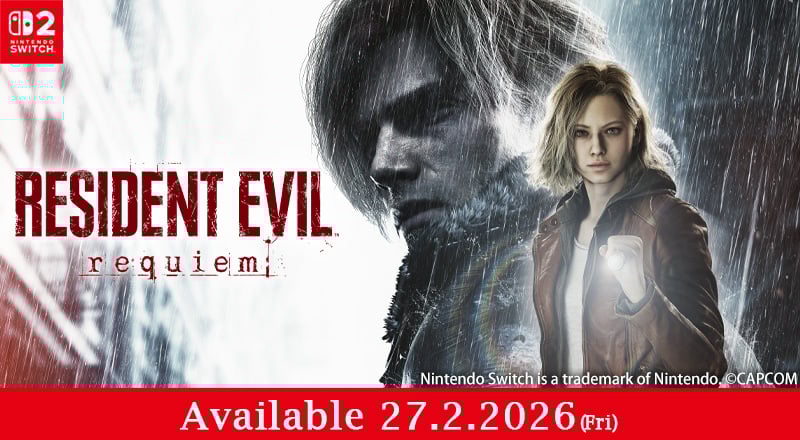
Resident Evil Requiem is shaping up to be the kind of launch that makes horror fans plan their evening like a little ritual. Lights low, volume up, phone face-down, and one last look at the release date to make sure we are not dreaming – February 27, 2026 is the day it lands on Nintendo Switch 2. If you have been craving that classic Resident Evil feeling where every hallway looks harmless until it absolutely isn’t, Requiem is leaning into that tension-first identity while still keeping the series’ modern momentum. We are talking about dread that builds slowly, then snaps tight like a tripwire you forgot was there.
What matters most is how Requiem frames itself. It is positioned as the ninth mainline entry, the next big step after the recent run of reinventions and remakes. That means we should expect the familiar Resident Evil rhythms – careful exploration, resource pressure, and the constant mental math of “do we fight, do we run, or do we regret everything?” – wrapped in a presentation designed for newer hardware. On Switch 2, that promise is especially exciting because handheld play changes how horror hits. When the screen is close and the audio is right in your ears, even small sounds can feel personal, like the game is whispering, “You sure you want to open that door?”
We also need to talk about why this particular setting and tone matter. Requiem pulls the series back toward the scars that shaped it, and that is not just nostalgia – it is a shortcut to emotional stakes. Whether you are a longtime fan who knows the shape of that fear or a newcomer who just wants a sharp, tense survival horror experience, Requiem looks ready to deliver the kind of night you remember the next morning. The good kind of remembered. The “why did I play that alone?” kind.
Resident Evil – A Requiem for the dead, nightmare for the living
That tagline is doing a lot of work, and it is not subtle about the vibe we are walking into. Resident Evil Requiem wants us thinking about aftermath, about places that should be quiet, and about problems that refuse to stay buried. If you have ever felt that specific Resident Evil tension where the safest-looking corridor suddenly feels like a trap, you already understand the mood. The Switch 2 trailer language leans into escape and panic, and that sets expectations: this is not a leisurely stroll through spooky scenery, it is a sprint that sometimes forces us to stop and listen. Horror is not just monsters – it is anticipation, and Requiem is selling anticipation like it is oxygen.

What Resident Evil Requiem is – and why “RE9” fits
Requiem is framed as the ninth mainline entry, which matters because mainline Resident Evil games tend to be the ones that set the tone for years. Spinoffs can experiment, remakes can refine, but the numbered entries usually decide what the series wants to feel like right now. So when Requiem plants its flag as the next major step, we should read that as intent: Capcom is not just adding another chapter, it is trying to define the next shape of fear for Resident Evil. For us, that means the stakes are not only inside the story – they are in the design choices, the pacing, and the way the game wants us to move through danger.
How the series balances fear, action, and story now
Resident Evil has always been a tightrope act. Lean too far into action and the fear gets diluted – like watering down hot sauce until it is basically tomato soup. Lean too far into slow dread and some players start itching for a release valve. The modern entries have tried to keep both plates spinning: give us moments of raw vulnerability where we feel underpowered, then let us breathe with bursts of confidence before pulling the rug again. If Requiem keeps that rhythm, we should expect a game that makes us feel clever one minute and absolutely doomed the next. That emotional whiplash is not a bug, it is the point, and it is what keeps a first playthrough feeling unpredictable.
Why the Nintendo Switch 2 version matters
When a survival horror game lands on a new Nintendo platform at launch, the conversation instantly becomes practical: how does it feel, how does it look, and does it preserve the tension without technical hiccups stealing the mood? Switch 2 matters here because horror depends on rhythm. A stutter at the wrong moment can turn fear into frustration, and a muddy image can flatten details that are meant to unsettle us. Requiem arriving on Switch 2 day-and-date puts it in the spotlight, and it also signals confidence. Capcom is not treating Nintendo players as an afterthought – it is treating the platform as part of the main event.
What “next-gen only” can mean for pacing and immersion
Even without getting lost in buzzwords, we know what newer hardware often enables in a horror game: denser environments, more reactive lighting, and transitions that do not break the spell. That matters because immersion is basically the currency of fear. If a game can keep us inside the moment – no awkward pauses, no clunky transitions, no “hold on while the tension loads” – then the scares land harder. Requiem is positioned as a modern flagship release, and on Switch 2 that can translate into a smoother, more locked-in experience where the world feels consistent. In horror, consistency is what makes a single strange noise feel like a threat instead of set dressing.
Handheld horror – the headphones factor
Playing horror handheld is its own flavor, and it is a little bit like reading a scary story under the covers with a flashlight – the world shrinks until it is just you and the fear. On Switch 2, that intimacy can be a strength if we lean into it the right way. Headphones are the secret weapon because sound is half the scare, sometimes more. Footsteps behind a wall, a distant metallic scrape, a soft voice that does not sound fully human – those details feel closer when the audio is right in your ears. If you want Requiem to hit like it should, handheld plus headphones is the setup that turns “spooky” into “why did I do this to myself?” in the best possible way.
Tone check – what kind of scary are we talking about?
Resident Evil can be scary in different ways. Sometimes it is body horror and gore, sometimes it is claustrophobia, sometimes it is the slow, suffocating dread of being hunted. Requiem’s framing points toward a tension-first tone where we are meant to feel the weight of each step. The tagline and the marketing language focus on escaping death and being chilled to the core, which is basically the series saying, “Yes, we remember what you came here for.” If you are hoping for horror that makes you pause at doors and second-guess your decisions, Requiem is presenting itself like it wants to deliver that exact feeling.
Raccoon City as a scar that never healed
Raccoon City is not just a location in Resident Evil history – it is trauma turned into geography. Bringing the series back toward that legacy can do something powerful: it can make the horror feel personal even before the first monster shows up. When a place carries a history of disaster, every quiet room feels haunted by what happened there. That is useful for storytelling, but it is also useful for atmosphere. We do not need constant jump scares if the setting itself feels wrong, like the world is remembering something it wants to forget. Requiem leaning on that legacy is not nostalgia for nostalgia’s sake – it is a way to make the dread feel baked into the walls.
Sound, silence, and the art of making you hesitate
The best horror games understand that silence is not empty – it is loaded. Silence is what makes us listen too hard, and listening too hard is what makes our imagination start writing checks the game might not even need to cash. Resident Evil has always played with that psychology. A single distant sound can turn a safe path into a risk, because we start asking the question that matters most: “If I go in there, can I get back out?” Requiem’s promise of a heart-stopping experience is not only about what we see – it is about timing, restraint, and those tiny audio cues that make our shoulders tense before anything even happens.
Small details that do heavy lifting
This is where horror becomes craft. Flickering lights are not scary because lights flicker – they are scary because they mess with certainty. A door that closes a little too slowly is not scary because doors exist – it is scary because it feels like the game is watching us. Resident Evil has a history of using small details to make spaces feel unsafe: a sudden shift in ambient noise, a shadow that moves in a way it shouldn’t, a room that looks normal until we notice the one thing that is slightly off. If Requiem nails these details, it will not need to rely on constant shock. It can build fear like pressure in a sealed container – and when it releases, we feel it.
Gameplay expectations – tension, resources, and tough choices
Resident Evil is at its best when every decision feels like it matters. Not because the game is grading us, but because the world is hostile and our tools are limited. That is where the classic loop shines: explore, collect, solve, survive – and try not to waste what we will desperately need later. Requiem being positioned as a major mainline release suggests it will respect that formula while smoothing the edges where modern players expect a cleaner flow. The real question is not “Will it be scary?” The real question is “Will it make us think under pressure?” Because that is the Resident Evil sweet spot: fear plus decision-making, like trying to play chess while someone keeps turning off the lights.
Inventory pressure and the “do we risk it?” loop
Inventory management is the series’ quiet genius. It is not glamorous, but it is brutally effective. Limited space forces priorities, and priorities create tension. Do we carry healing items, ammo, a key object, or something we suspect will matter later? Every choice has a cost, and that cost becomes emotional when we are limping with low health and the game offers us one more locked door and one more hallway that sounds occupied. If Requiem keeps that pressure intact, we should expect a play experience that stays engaging even between big moments, because the small decisions never stop. That is how the series turns ordinary exploration into stress – polite, methodical stress that somehow becomes fun.
Launch day on February 27, 2026 – how to enjoy it properly
February 27, 2026 is not just a date – it is the night a lot of us will test our courage and then immediately question our life choices. Launch day is also where the internet gets messy. Trailers, screenshots, thumbnails that “accidentally” reveal too much, and the kind of spoiler headlines that should honestly be illegal in polite society. If we want the first run to land the way it should, we need a simple plan: keep surprises intact, keep the setup comfortable, and give ourselves permission to play slowly. Horror is not a race. If we sprint through it, we miss the atmosphere – and atmosphere is the meal here, not the side dish.
Spoilers, preloads, and keeping the first run special
The easiest way to protect a first playthrough is to treat launch week like a spoiler minefield. Mute keywords, avoid recommendation feeds, and be extra cautious with video platforms where autoplay loves chaos. If you have ever been spoiled by a random thumbnail, you already know the pain. The funny part is we do this because we care – we want the fear to land naturally, not because a stranger decided we needed a plot twist delivered out of context. If you can preload and update early, do it, because nothing kills the mood like troubleshooting when you are ready to be terrified. Think of it like setting the stage before a horror movie – snacks ready, lights right, phone away, and then we let the game do its job.
Who Resident Evil Requiem is for
Requiem is for the longtime fans who still remember the feeling of entering a new Resident Evil space and immediately scanning for exits. It is also for newcomers who have heard the series name for years but want a modern entry point that feels current. The key is tone: if you want horror that leans on tension and atmosphere, you are in the right neighborhood. If you love the series because it mixes puzzle-solving, resource pressure, and moments of “oh no, oh no, oh no,” then Requiem is speaking your language. And if you are on Switch 2 specifically, there is a special appeal in getting a major survival horror release at launch – it is like the console is daring us to start our library with something that bites back.
Conclusion
Resident Evil Requiem landing on Nintendo Switch 2 on February 27, 2026 feels like a statement release – not loud in a flashy way, but confident in what horror fans actually want. We are being promised survival horror tension, a tone built on dread, and a setup that rewards patience and smart choices. If we approach it the right way, the first run can be the kind of experience that sticks – the kind where we remember specific rooms, specific sounds, and that one decision that felt harmless until it absolutely wasn’t. Whether you are here for the legacy, the fear, or the thrill of a big Capcom release on new Nintendo hardware, Requiem looks ready to deliver a night that is equal parts fun and brutal. In other words, it sounds like Resident Evil.
FAQs
- When does Resident Evil Requiem launch on Nintendo Switch 2?
- It launches on February 27, 2026 for Nintendo Switch 2, alongside other platforms.
- Is Resident Evil Requiem the ninth mainline Resident Evil game?
- Yes, it is positioned as the ninth title in the mainline Resident Evil series, which is why many people refer to it as RE9.
- Where should we start if we are new to Resident Evil?
- We can start with Requiem if we want a modern entry point, but it helps to know the series’ tone – exploration, tension, and smart resource use – because that is the core flavor.
- What is the easiest way to avoid spoilers around launch?
- Mute key terms, avoid autoplay-heavy platforms, and be cautious with thumbnails and social feeds during launch week, especially if we want the story beats to land naturally.
- How can we make the Switch 2 version feel as scary as possible?
- Handheld play with headphones is a strong setup for horror because the screen is close and the audio details feel more personal, which makes tension hit harder.
Sources
- Resident Evil Requiem, the Latest Title in the Series, Set to Release on February 27, 2026!, Capcom (IR), June 9, 2025
- Resident Evil Requiem, the Latest Title in the Series, Also Coming to Nintendo Switch 2 on February 27, 2026!, Capcom (IR), September 16, 2025
- Resident Evil Requiem is coming next year, The Verge, June 6, 2025
- Video: Capcom Releases Fourth Major Trailer For Resident Evil Requiem, Nintendo Life, February 13, 2026
- Resident Evil Requiem Has Been Officially Confirmed For Switch 2, Nintendo Life, September 12, 2025
- Capcom announces Resident Evil Requiem, Year 3 for Street Fighter 6, and updates to Onimusha: Way of the Sword, PlayStation Blog, June 6, 2025
- It’s internet lockdown time, Resident Evil fans as Requiem spoilers are reportedly out there – and I’m avoiding them too, TechRadar, February 19, 2026