














Summary:
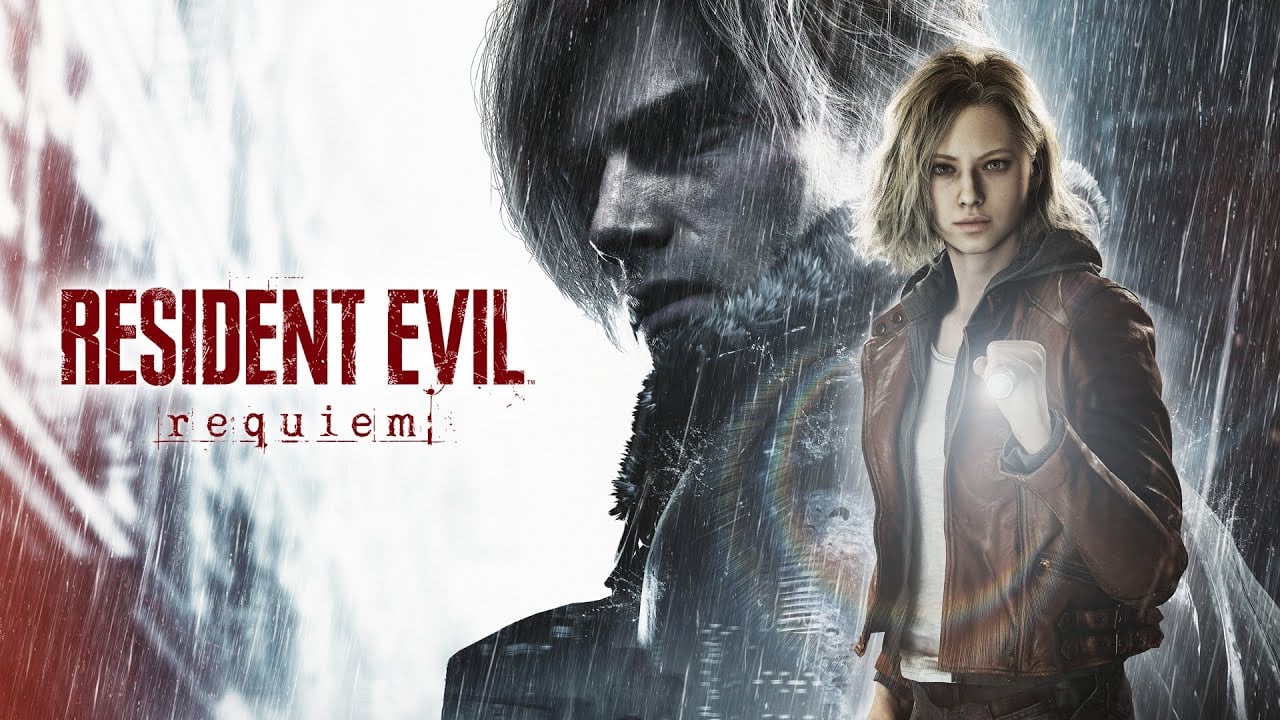
Resident Evil Requiem has hit a major milestone at exactly the right moment. Capcom has announced that the game has now sold more than six million units worldwide, and that alone would have been enough to get fans talking. What turns this into a much bigger moment is the extra detail that matters most – Requiem is now the fastest-selling Resident Evil game in the series’ long history. That is not a small badge to pin on the wall. This is a franchise that has spent decades shaping survival horror, reinventing itself across different generations, and building a fanbase that stretches far beyond one platform or one style of play. For Requiem to stand above all of that so quickly says a lot about how well it landed.
It also arrives just before Resident Evil’s 30th anniversary on March 22, 2026, which gives the whole announcement a sense of momentum rather than a simple victory lap. Capcom is not treating this like a number to celebrate for a day and then quietly move on from. The company has already pointed to continued support for the game, and reporting around the rollout has tied that to a Photo Mode, a mini-game, and extra story material still in development. On top of that, Capcom is preparing anniversary plans that include a collaboration with Universal Studios Japan and orchestral concerts in Japan, the United States, and Europe. Put all of that together and you get something bigger than a sales update. You get the feeling that Resident Evil is entering its 30th birthday with real energy, real confidence, and a game that has already proven it can carry the spotlight.
Resident Evil Requiem reaches six million sales worldwide
Capcom’s latest update puts Resident Evil Requiem above six million units sold worldwide, and that number instantly changes the conversation around the game. It is no longer just a strong launch or a hit with critics and longtime fans. It is a clear commercial heavyweight, and one that has arrived with the kind of speed that turns heads across the whole industry. Sales milestones can sometimes feel dry, like a stack of figures placed on a spreadsheet and left there, but this one lands differently. Resident Evil is one of Capcom’s defining series, so every major release already carries a huge amount of pressure. Requiem had to satisfy players who love the older survival horror style, players who prefer the more action-heavy entries, and people jumping in because the new release simply looked too good to ignore. Hitting six million units so quickly suggests it managed to speak to all of those groups at once. That kind of reach is hard to fake. It usually only happens when a series has real confidence in its identity and a game knows exactly what kind of experience it wants to deliver.
Why this milestone matters for Capcom and the series
This sales result matters because it does more than show that one launch went well. It shows that Resident Evil still has real pulling power three decades after the series began. That is impressive on its own, but it becomes even more meaningful when you think about how many times this franchise has changed shape over the years. Resident Evil has been tense and claustrophobic, loud and explosive, cinematic and experimental. Sometimes it has leaned into dread so heavily that every hallway feels like a trap. Other times it has sprinted forward with the swagger of an action blockbuster. Requiem arriving with this kind of response suggests players were ready for another big statement from Capcom, and Capcom delivered it. For the publisher, it confirms that Resident Evil remains one of its crown jewels, not a legacy brand that survives on nostalgia alone. For the series itself, it is a reminder that horror can still be one of gaming’s biggest draws when the execution is sharp. You do not reach six million on name value alone. You get there because people are excited, curious, and eager to be part of the conversation.
How Requiem became the fastest-selling Resident Evil
The most striking part of Capcom’s announcement is not the six million number by itself. It is the company’s statement that Resident Evil Requiem is the fastest that any title in the series has reached that milestone. That gives the achievement more bite. It is one thing to sell well over time. It is another to explode out of the gate faster than every previous entry in a franchise this established. The reason that detail matters is simple: it points to immediate demand. Players did not wait around to see whether Requiem was worth their time. They jumped in early, and in huge numbers. That usually happens when pre-release interest is strong, word of mouth clicks into place, and the final experience feels like it meets the promise. In practical terms, Requiem seems to have benefited from the rare kind of launch where curiosity and confidence move together. The brand recognition opened the door, but the response after release appears to have kept that door wide open. In a series with a history this long, becoming the quickest seller is like showing up to a family reunion and somehow outrunning every legend in the room.
What continued support means for players
Capcom has already made it clear that support for Resident Evil Requiem is not stopping at the launch window, and that matters almost as much as the sales milestone itself. A strong release gets attention, but steady follow-through is what keeps a game alive in everyday conversation. Capcom’s official language points to ongoing support and additional game content, while reporting around the announcement has linked that support to a Photo Mode, a mini-game, and extra story material in development. That is a smart mix. A Photo Mode gives players another way to interact with the world and characters, especially in a game built around striking visuals and tense atmosphere. A mini-game can add replay value and give the experience a different rhythm. Extra story material, meanwhile, is the kind of addition that tends to matter most in a series like Resident Evil, where lore, character threads, and unanswered questions can keep fans talking for months. In other words, this does not feel like Capcom putting a ribbon on the box and walking away. It feels more like the company knows it has a hit and wants to keep feeding that momentum while the excitement is still hot.
The timing could not be better with the 30th anniversary close
There is something almost theatrical about this milestone arriving just before Resident Evil turns 30 on March 22, 2026. A sales triumph is always useful, but landing one right on the doorstep of a major anniversary gives it a different flavor. It turns a celebration of the past into a statement about the present. Capcom is not simply saying, “Look how far Resident Evil has come.” It is also saying, “Look at how strong Resident Evil still is right now.” That distinction matters. Anniversary celebrations can sometimes lean too heavily on memory, trotting out old logos, old music, and old memories like treasured family photos. There is nothing wrong with that, but it is far more exciting when a series reaches a landmark year while one of its newest entries is already firing on all cylinders. Requiem gives Capcom a fresh center of gravity for the anniversary, which means the celebration can feel active instead of nostalgic. The brand is not just surviving long enough to blow out 30 candles. It is walking into the room like it owns the place.
Universal Studios Japan is part of the celebration
One of the most interesting details in Capcom’s announcement is the planned collaboration between Universal Studios Japan and Resident Evil Requiem in 2026. That kind of partnership matters because it pushes the series beyond the usual borders of a game release. Resident Evil has always had a cinematic streak, so it makes a lot of sense to see it take up space in a themed entertainment setting where atmosphere, fear, and spectacle can all be dialed up in a different way. Universal Studios Japan has a track record of turning major properties into physical experiences, and Resident Evil is the sort of series that naturally fits that model. Dark corridors, creeping tension, iconic enemies, and sudden chaos are practically begging to be staged in the real world. More importantly, tying the collaboration specifically to Requiem gives the new game extra cultural weight. It says this is not just the latest entry on a store shelf. It is the version of Resident Evil Capcom wants people to associate with its anniversary year. That is a powerful endorsement, and it gives fans one more reason to view Requiem as the current face of the franchise.
Orchestral concerts give the anniversary a different kind of spotlight
The anniversary plans are not only about spectacle and theme park thrills. Capcom has also pointed to orchestral concerts in Japan, the United States, and Europe, and that broadens the celebration in a smart way. Resident Evil has always been known for tension, dread, and sudden panic, but music has quietly done a huge amount of the emotional heavy lifting across the series. A well-timed sting can make your shoulders jump. A moody ambient track can make an empty room feel dangerous before anything even happens. Bringing that history into a live concert format gives the series a more reflective side without draining away its identity. It lets fans revisit decades of fear, action, and emotion through a format that highlights the artistry behind the games. It also shows how large the audience for Resident Evil has become. This is not a tiny niche celebration tucked into one region. Capcom is treating the music like a global event, which fits a franchise that has been building international momentum for years. There is something fitting about a series built on controlled panic now getting the full concert-hall treatment. Terror, but make it elegant.
Why the mix of game success and live events feels so strong
What makes this moment stand out is the combination of strong current sales and broad anniversary plans happening side by side. Either one would have been interesting on its own. Together, they create a much bigger picture. Requiem is not carrying the franchise alone, and the anniversary is not relying only on nostalgia. Each side is strengthening the other. The game gives the anniversary fresh momentum, while the anniversary gives the game a larger cultural frame. That creates a feedback loop that is hard to ignore. Fans who are already playing Requiem now have even more reasons to stay engaged, whether that means looking ahead to new features, following the concert rollout, or watching for details from Universal Studios Japan. At the same time, people who may have drifted away from Resident Evil could easily get pulled back in because the 30th anniversary suddenly feels like a real event rather than a quiet milestone. This is where brand management stops feeling like marketing language and starts feeling like simple common sense. Capcom has a hit, a historic date, and a lineup of tie-ins that all point in the same direction. That is the kind of alignment most publishers would love to bottle.
Resident Evil at 30 still knows how to surprise people
Reaching 30 years is one thing. Reaching 30 years while still feeling relevant is something else entirely. Resident Evil has managed to do both, and Requiem’s performance underlines that in bold fashion. Long-running series often struggle with the weight of their own history. They either cling too tightly to the past and start to feel stiff, or they change so drastically that they lose the qualities people loved in the first place. Resident Evil has had its share of twists and experiments, yet it continues to find ways to reconnect with players. That adaptability is one of the series’ greatest strengths. It can be eerie, explosive, intimate, ridiculous, serious, and stylish, sometimes all within the same era. Requiem’s success suggests that Capcom still understands the delicate balance required to keep that identity working. The series is old enough to have a legacy, but not so stuck in that legacy that it cannot move. That is rare. It is the difference between a museum piece and a living series. Resident Evil does not feel dusted off for special occasions. It still feels dangerous, active, and ready to make noise.
Requiem shows why the series keeps pulling players back
In the end, Resident Evil Requiem’s six million sales milestone says something bigger than “this game sold well.” It says the franchise still knows how to create urgency. Players still want to show up quickly, talk about what they found, compare reactions, and see where Capcom goes next. That matters because modern releases fight for attention every minute, and horror is not always the easiest lane in which to dominate the conversation. Yet Resident Evil keeps doing it. Part of that comes from history, sure, but history alone does not create fresh excitement. Requiem seems to have clicked because it offered the right mix of familiar identity and current appeal. Now Capcom has the chance to build on that with more support, anniversary celebrations, and experiences that stretch beyond the screen. For fans, that means this moment feels less like a finish line and more like a live wire. For Capcom, it is proof that Resident Evil remains one of the company’s sharpest weapons. And for anyone watching from the outside, the message is pretty clear: after 30 years, this series still has teeth, and it is still biting hard.
Conclusion
Resident Evil Requiem passing six million units worldwide would already be a major headline, but becoming the fastest-selling game in series history pushes it into another category entirely. Capcom now has a modern hit leading directly into Resident Evil’s 30th anniversary, and that gives the whole brand a sense of purpose that is hard to miss. Continued support for Requiem, anniversary concerts across multiple regions, and a Universal Studios Japan collaboration all point to the same idea – Capcom is treating this as a full-scale moment for the franchise, not a brief victory speech. That is why this update feels so important. It is not only about what Requiem has achieved already. It is about how much momentum Resident Evil is carrying into one of the biggest milestones in its history.
FAQs
- How many units has Resident Evil Requiem sold?
- Capcom has announced that Resident Evil Requiem has sold more than six million units worldwide.
- Is Resident Evil Requiem the fastest-selling game in the series?
- Yes. Capcom says Requiem reached the six million mark faster than any previous Resident Evil title.
- When is the Resident Evil 30th anniversary?
- The series celebrates its 30th anniversary on March 22, 2026.
- What anniversary plans has Capcom mentioned?
- Capcom has pointed to a Universal Studios Japan collaboration tied to Resident Evil Requiem in 2026, along with orchestral concerts in Japan, the United States, and Europe.
- Will Resident Evil Requiem receive more updates?
- Capcom has said ongoing support and additional game content are planned, and reporting around the rollout has linked that support to a Photo Mode, a mini-game, and extra story material.
Sources
- Resident Evil Requiem Sales Exceed 6 Million Units! – Capcom also plans to release additional game content, Capcom, March 16, 2026
- Press Releases, Capcom, March 16, 2026
- Celebrating the 30th anniversary, RESIDENT EVIL 30th Anniversary Concerts – Symphony of Legacy –, Resident Evil 30th Anniversary Concerts, accessed March 18, 2026
- World Tour Schedule, Resident Evil 30th Anniversary Concerts, accessed March 18, 2026
- Capcom celebrates 6 million units sold for Resident Evil Requiem, ‘the fastest that a title in the series has reached this milestone’, PC Gamer, March 16, 2026