














Summary:
Resident Evil Requiem has wasted no time making its mark. Capcom confirmed that the game has already passed 5 million copies sold, which instantly puts it in rare air for the series and turns an already strong launch into one of the biggest talking points around the franchise. That kind of number is not just a neat headline for social media. It says something bigger about momentum, trust, and the way Resident Evil continues to hold its grip on players across generations. Some series fade into nostalgia. Resident Evil keeps finding ways to feel familiar and fresh at the same time, which is not easy when you have decades of history riding on every new release.
What makes this moment especially interesting is that Requiem did not get here on name value alone. The game arrived with recognizable DNA, but it also had enough intrigue around its characters, tone, and direction to spark curiosity beyond the usual day-one crowd. Fans wanted to see where Capcom would take the series next, and plenty of players who may have drifted in and out of Resident Evil over the years had a reason to come back. That blend matters. A major launch is one thing. A launch that gets people talking, sharing reactions, and pulling others in is something else entirely.
There is also a wider Capcom story here. The company has become remarkably sharp at managing its biggest brands, and Resident Evil Requiem looks like another example of that confidence paying off. Five million copies so early sends a clear signal that survival horror is not living on fumes or nostalgia alone. It is still a main attraction. For fans, this milestone feels like a celebration. For Capcom, it looks like proof that the series still knows how to hit with force.
Resident Evil Requiem races past a major sales milestone
Resident Evil Requiem crossing 5 million copies so quickly is the kind of result that makes the whole industry stop and look twice. Big launches happen all the time, but not every launch carries this kind of weight. Resident Evil is one of those rare names that can pull in long-time fans, curious newcomers, horror diehards, and action players all at once. That broad pull matters because it turns a release from a niche event into a real mainstream moment. Requiem did not just arrive with noise around it. It arrived with expectations, pressure, and the burden of representing one of gaming’s most recognizable horror series. Clearing 5 million copies this early shows that Capcom did not just meet interest halfway. It caught fire almost immediately, and that kind of momentum is never accidental.
Why five million copies matters so much
Five million is more than a shiny benchmark to frame and hang on the wall. It is a signal that the game connected fast, and fast is the key word here. When a title reaches this kind of number early in its life, it usually means several things are working together at once. Awareness is high, excitement is real, and people who bought in early are not scaring others away. In fact, they are likely pulling more people toward it. A sales milestone like this also changes the conversation around the game. Instead of asking whether it launched well, people start asking how far it can go. That is a much better problem to have. It turns the mood from cautious optimism into confidence, and confidence can carry a game for months.
It changes the tone around the release
There is a huge difference between a game that opens well and a game that feels like an event. Requiem now sits in that second category. Once players see a title racking up sales at this speed, perception shifts. Fence-sitters start paying attention. Friends message friends. Group chats wake up like someone dropped a flashbang in the middle of them. Suddenly, the game is not just on the radar. It becomes the thing people feel they need to understand, discuss, or experience for themselves. That kind of visibility has a snowball effect. The number itself becomes part of the story, and that story keeps the game in the spotlight even after launch week fireworks should normally start fading.
It also reinforces franchise trust
One of the hardest things for any long-running series is keeping trust alive. Fans do not just want a recognizable logo and a familiar font. They want a reason to believe the next entry is worth their time and money. Resident Evil Requiem hitting this milestone so early suggests that Capcom has built a level of trust that many publishers would love to bottle and sell. Players clearly felt comfortable showing up early, and that says plenty. It means the franchise has not become a nostalgia machine running on old fumes. It still feels active, relevant, and capable of delivering something people genuinely want to experience rather than merely admire from a distance.
Capcom’s current hot streak keeps getting hotter
Capcom has been moving with the kind of confidence that makes even its biggest releases feel controlled rather than chaotic. That is not a small thing in a business where one messy launch can suck the air out of months of goodwill. Resident Evil Requiem gives the company another major result to point to, and it strengthens the idea that Capcom knows exactly how to manage its heavyweight series. The company has become very good at balancing spectacle with polish and legacy with accessibility. That balancing act is harder than it looks. Lean too hard into tradition and a series can feel trapped in amber. Push too far into reinvention and you risk losing the people who made the brand matter in the first place. Requiem looks like a smart example of threading that needle.
The Resident Evil name still carries serious weight
Not every franchise ages gracefully. Some get louder and emptier. Others become trapped by their own history, like a band that can still sell tickets but only if it plays the old hits. Resident Evil has managed to avoid that fate. The name still means something, and not just in a vague nostalgic sense. It signals tension, atmosphere, set-piece moments, familiar lore, and that constant question of whether you are prepared for what waits around the next corner. Requiem benefits from that legacy, of course, but it also adds to it. That is the important part. A strong franchise should not just cash old checks. It should keep writing new ones. Capcom seems to understand that, and fans are responding accordingly.
Legacy helped, but legacy was not enough on its own
There is always a temptation to explain big sales with a simple answer. Brand power. Hype. Marketing. Job done. Real launches are messier than that. Yes, Resident Evil is huge, but huge names can still disappoint. We have seen that movie before, and it usually has a gloomy third act. Requiem feels different because the interest around it did not seem purely inherited. The game had its own identity, its own hook, and enough distinct appeal to make people curious even if they were not automatically going to buy every new entry. That matters because lasting success comes from present-day appeal, not just historical importance. The logo may open the door, but the game still has to give people a reason to walk through it.
Requiem’s launch had the right mix of familiarity and freshness
One reason Requiem appears to have landed so well is that it seems to understand a basic truth about Resident Evil fans: they want the series to evolve, but they do not want it to forget what makes it feel like Resident Evil. That is a narrow ledge to walk. Too safe, and the game feels stale. Too wild, and it can feel like it wandered into the wrong franchise wearing someone else’s jacket. Requiem seems to have found that sweet spot. It carries recognizable horror identity, but it also has enough new energy around its setup and playable perspective to keep things from feeling like a routine replay of past ideas. It is a bit like hearing a favorite band return with a new album that still sounds like itself. You want surprise, but you also want the heartbeat to stay familiar.
Grace and Leon gave the game a wider pull
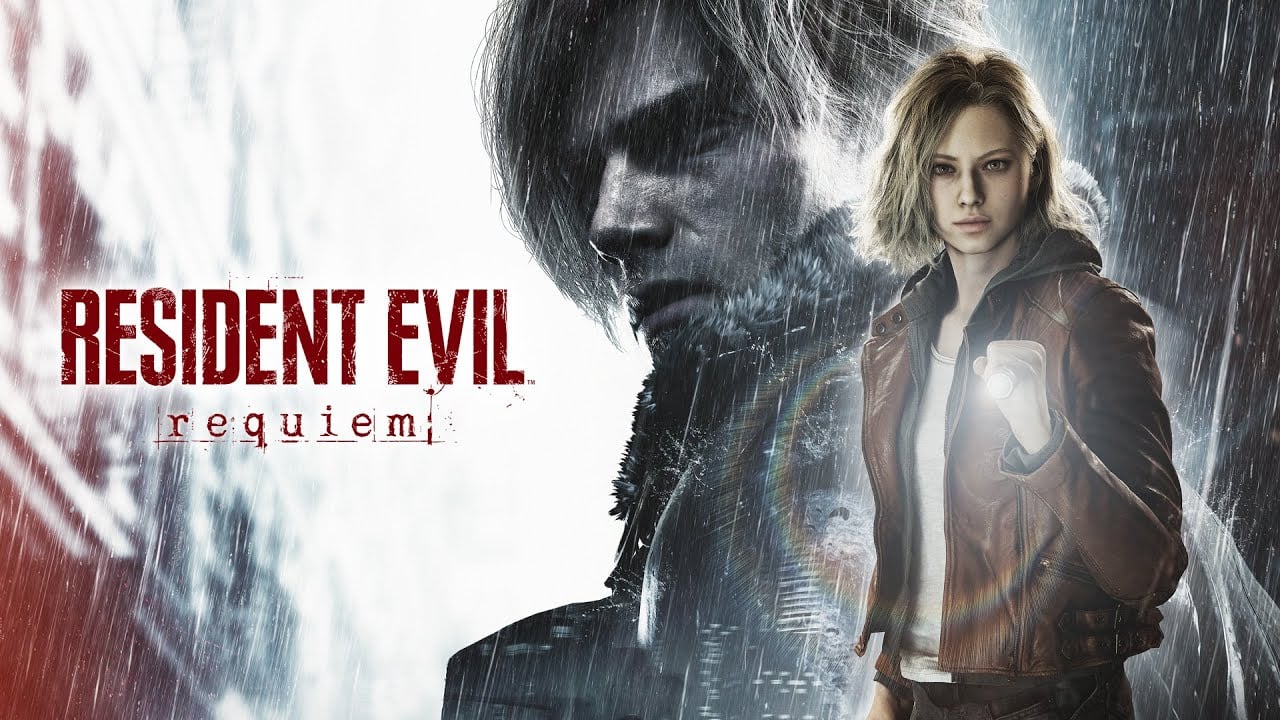
Character appeal matters more than some people like to admit. Players do not only buy into mechanics or atmosphere. They buy into faces, voices, motives, and the promise of seeing how different personalities collide under pressure. Requiem had a strong advantage here. Grace Ashcroft brings a fresh angle that adds intrigue, while Leon S. Kennedy carries the kind of series history that instantly grabs attention. That pairing creates a useful tension. One side offers novelty. The other offers recognition. Together, they widen the game’s appeal without making it feel unfocused. Fans who wanted a connection to the franchise’s past had one. Players who wanted something that did not feel too familiar also had a reason to lean in. That is smart positioning, and it likely helped the game reach beyond the usual core audience.
The horror-action balance helped broaden the audience
Resident Evil has always played with the line between dread and release. Too much horror, and some players tap out. Too much action, and the fear loses its teeth. Requiem appears to benefit from offering both a nerve-rattling survival edge and a more forceful, kinetic side. That blend matters because it gives different types of players an entry point. Some want to feel like every hallway is a bad decision waiting to happen. Others want the rush of pushing through danger with momentum and skill. By balancing those impulses, the game becomes easier to recommend. One friend says it nails the tension. Another says it still delivers satisfying action. Suddenly, the circle of interest gets bigger. That kind of cross-appeal can do serious work in the early days of a launch.
Perspective choice adds another layer of flexibility
The ability to experience the game from first-person and third-person perspective is the sort of feature that quietly does a lot of heavy lifting. It gives players control over how intimate, immediate, or classic they want the experience to feel. For some, first-person horror is pure nightmare fuel, the gaming equivalent of hearing a floorboard creak in an empty house and realizing you definitely do not live alone. For others, third-person feels more readable, more tactical, and more in line with parts of Resident Evil’s modern identity. Letting both approaches exist lowers friction. Instead of asking players to adapt to one single style, Requiem meets them halfway. That might sound like a small thing, but small points of flexibility often help turn curiosity into actual purchases.
Word of mouth turned a strong launch into a bigger moment
Marketing can get a game onto people’s screens. It cannot force genuine enthusiasm once the game is in players’ hands. That is where word of mouth steps in, and it remains one of the most powerful forces in gaming. When early buyers respond well, they do not just add to the sales chart. They become unpaid evangelists with very active thumbs. They post reactions, share clips, compare favorite moments, and convince hesitant friends that the game is worth the time. Requiem’s early momentum suggests that it benefited from exactly that kind of ripple effect. The first wave did not simply arrive and disappear. It looks like it helped pull in the next wave, and the one after that. That is how a fast launch starts to feel like a cultural moment rather than a routine commercial success.
Why fans are celebrating more than just a number
What makes this milestone feel especially satisfying for fans is that it is not only about money. It is about validation. When a beloved series lands a result like this, fans often treat it like proof that the franchise still matters at the highest level. It is a little like watching your favorite team win a huge match after a season full of nervous optimism. Relief mixes with pride. The sales figure becomes shorthand for something more emotional: the sense that Resident Evil is not coasting, not fading, and not struggling to justify its place. Requiem’s success gives fans something to rally around, and that celebratory mood matters. Enthusiasm is contagious. When a community feels energized rather than defensive, that energy tends to travel.
What this milestone could mean for Capcom next
A result like this gives Capcom more than a victory lap. It gives the company leverage, clarity, and confidence. When a game performs at this level, it strengthens the argument for continued investment around that style, that tone, and that approach to franchise management. It also gives Capcom a louder platform for whatever comes next, because success breeds attention and attention makes future announcements land harder. That does not mean every decision becomes easy. Big numbers can create pressure just as easily as they create freedom. Still, five million copies this early is the kind of result most publishers would frame, polish, and stare at lovingly for a week. For Capcom, it suggests that Resident Evil remains one of its strongest weapons and that the appetite for high-profile survival horror is still very real.
The series is proving it still has room to grow
The most encouraging part of this moment may be that Resident Evil does not feel boxed in. Some long-running series become predictable in ways that limit their future. Requiem’s early success points the other way. It suggests the franchise can still combine legacy appeal with new ideas and still reach large audiences in the process. That gives Capcom options. It can keep exploring different character dynamics, different balances of horror and action, and different ways of presenting the experience without losing the core identity that keeps players invested. That kind of flexibility is gold. It means the franchise is not just alive. It is lively. There is a difference, and fans can usually feel it immediately.
Conclusion
Resident Evil Requiem passing 5 million copies so quickly feels like more than a strong commercial result. It feels like a statement. Capcom has shown that Resident Evil still has the pull to dominate attention, generate excitement, and turn a release into a real event. Requiem appears to have hit the sweet spot between legacy and momentum, giving long-time fans something to celebrate while also pulling in players who simply wanted a great horror experience. The sales figure matters, but the confidence behind it matters just as much. This is what it looks like when a major series knows what it is, understands what players want, and still has enough spark to surprise people. For Capcom and for Resident Evil fans, that is a very good place to be.
FAQs
- How many copies has Resident Evil Requiem sold?
- Capcom confirmed that Resident Evil Requiem has passed 5 million copies sold worldwide, making it one of the biggest early launches in the history of the series.
- Why is the 5 million sales milestone important?
- It shows that the game connected with players very quickly and that interest in Resident Evil remains extremely strong. It also shifts the conversation from a good launch to a potentially historic one for the franchise.
- What helped Resident Evil Requiem sell so quickly?
- A mix of franchise trust, strong early buzz, recognizable characters, a fresh setup, and broad appeal across horror and action fans all likely played a role in the fast sales pace.
- Does this mean Resident Evil is still one of Capcom’s biggest brands?
- Yes. Requiem’s early performance reinforces the idea that Resident Evil remains one of Capcom’s most valuable and reliable series, with the power to draw major attention on release.
- What does this success mean for the future of Resident Evil?
- It gives Capcom even more confidence in the series and suggests there is still plenty of room for future entries to grow while keeping the franchise’s core identity intact.
Sources
- Resident Evil Requiem Surpasses 5 Million Units! – Worldwide acclaim contributed to strong sales –, Capcom, March 4, 2026
- Resident Evil Requiem, Capcom, accessed March 6, 2026
- At 5 million sales, Resident Evil Requiem is likely the series’ biggest launch ever, Video Games Chronicle, March 4, 2026
- Resident Evil Requiem has sold over 5 million copies in less than a week, but is still a few million off of slaying Monster Hunter Wilds as the fastest-selling Capcom game, GamesRadar+, March 4, 2026