














Summary:
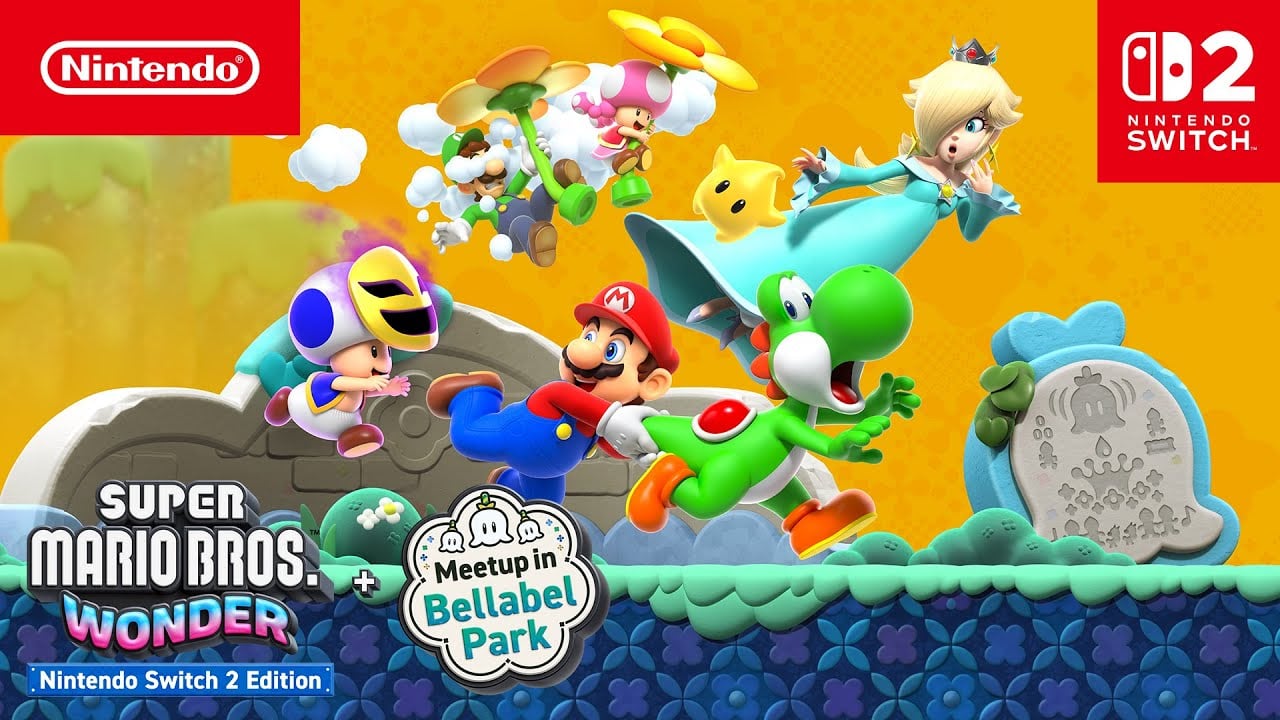
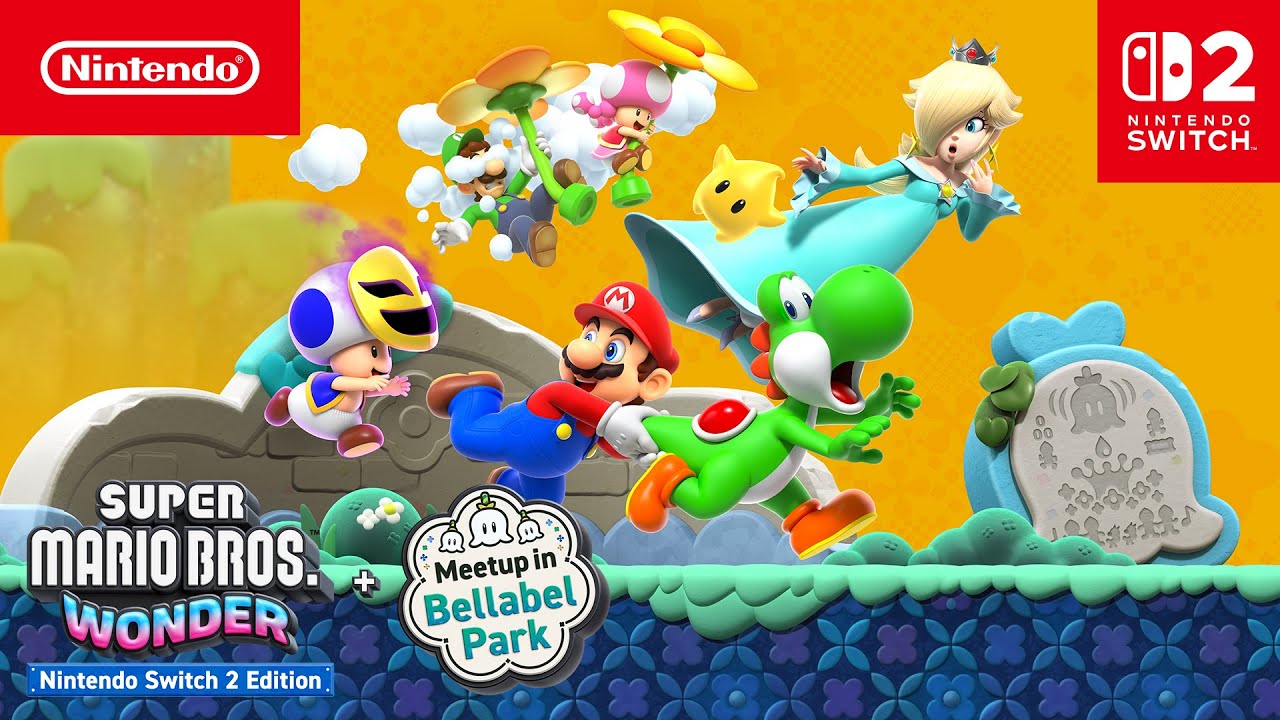
March 26, 2026 is the date circled in red for anyone who loves Super Mario Bros. Wonder and wants a reason to jump back into the Flower Kingdom with fresh surprises. We are getting Super Mario Bros. Wonder – Nintendo Switch 2 Edition + Meetup in Bellabel Park, and the name is a mouthful, but the idea is simple: more ways to play together, more reasons to explore, and a few new twists that make familiar stages feel different again. Bellabel Park is the headline addition, built around multiplayer attractions that let you team up or compete, whether you are on the same system or meeting up online. We are also getting Rosalina as a playable character, plus Co-Star Luma as a helper option in co-op that can support the team without taking damage, which is a small change that can make a big difference for mixed-skill groups.
On top of the park itself, we are dealing with a new problem in the Flower Kingdom: the seven Koopalings have stolen treasure hidden in Bellabel Park and scattered across the kingdom, which means we are not only playing minigames and cheering in plazas. We are tracking them down and taking them on in battles that slot into the broader adventure. If you already own Super Mario Bros. Wonder and you have a Nintendo Switch 2, there is also an upgrade pack option, so we are not forced into double-dipping just to join the party. Put it all together and the pitch feels like inviting your whole friend group to a theme park after hours: the rides are familiar, the lights are brighter, and somebody has definitely stolen something important – so we may as well chase them down while we are here.
Super Mario Bros. Wonder Nintendo Switch 2 Edition + Meetup in Bellabel Park Release date
We have a clear release date: Super Mario Bros. Wonder – Nintendo Switch 2 Edition + Meetup in Bellabel Park arrives on March 26, 2026. That matters because it turns all the speculation into something we can actually plan around – game nights, co-op sessions, and the inevitable “who’s bringing snacks” negotiations. This edition is positioned as more than a simple re-release, because it pairs the base adventure with Meetup in Bellabel Park, a new set of features focused on playing together. Nintendo has also confirmed an upgrade pack path for players who already own the original Super Mario Bros. Wonder and have a Nintendo Switch 2, which keeps the door open for returning players who just want the new additions. So the practical takeaway is easy: we are not waiting on vague windows, we are aiming at one date, and we are choosing between standalone or upgrade based on what we already own.
Bellabel Park and the idea behind the meetup
Bellabel Park is the kind of addition that makes sense the second you imagine it: a dedicated place inside the Flower Kingdom where multiplayer energy is the point, not a side effect. Instead of squeezing every group moment into standard stages, we are getting a new area that acts like a hub, built for quick sessions, repeatable challenges, and friendly rivalries that do not require a full story playthrough to feel satisfying. Nintendo frames it as a newly discovered part of the kingdom where we can gather friends and family and jump into attractions, which is basically Mario’s version of “meet us at the park after school.” The park also connects to other additions, like training-style challenges and the Koopaling treasure trouble, so it is not a disconnected arcade menu. The vibe is more like a festival ground – a place that turns the game into a social space, not just a finish-line sprint.
Attraction Central and how the park is structured
Attraction Central is where the park’s design becomes easier to picture, because it is not presented as one giant mash of modes. We are told Bellabel Park features two large plazas filled with attractions, and that split is important because different groups want different things. Sometimes we want couch co-op chaos on one screen, with everyone laughing at the same mistake in real time. Other times we want each player on their own system, moving at their own pace, with the game keeping everything tidy. By separating the attractions into distinct plazas, we get a clearer “pick your vibe” moment when we arrive. It also means we can treat Bellabel Park like a regular meet-up spot: warm up in one plaza, switch to the other when more friends show up online, and keep the momentum going without needing to restart our whole session.
Local Multiplayer Plaza and same-system play
The Local Multiplayer Plaza is built for the classic setup: one system, one screen, and up to four people arguing about who stole whose coin trail. Nintendo says this plaza includes 17 different types of attractions, which is a strong number because it suggests variety rather than one gimmick stretched too thin. The point here is quick-hit competition and co-op that feels immediate – the kind of mode you can boot up when you have twenty minutes before dinner or when somebody says, “One more round,” for the fifth time. Because everyone is sharing the same view, it naturally creates those loud, memorable moments where the room reacts together, whether that reaction is cheering or dramatic groaning. If we are trying to recreate that old-school party feeling, this plaza is clearly designed to be the first stop.
Game Room Plaza and online or wireless sessions
The Game Room Plaza is where Bellabel Park leans into bigger groups and more flexible setups. Nintendo describes this side as supporting online and local wireless play, with each player bringing their own system to join the action on their own screen, and it also calls out that up to 12 friends can compete in this plaza’s set of attractions. That immediately changes the vibe from “living room tournament” to “group hangout,” because bigger lobbies tend to create stories – surprise comebacks, chaotic pileups, and the kind of friendly trash talk that only works when everyone is in on the joke. It also helps mixed-distance friend groups, because not everybody can meet in person on the same night. With this plaza, we can still show up together, even if “together” means a mix of online and local wireless sessions depending on who is free.
GameShare and why it changes group play
GameShare is one of those features that sounds technical until you realize what it does to real-life group plans: it lowers the friction of getting everyone into the same session. Nintendo says the game supports GameShare functionality so one player with the game can share it with nearby players, and the details are framed as a way to bring friends into the fun even if they do not own the game themselves. That matters because multiplayer lives or dies on convenience. If the group has to stop and troubleshoot purchases or downloads, the momentum evaporates. With sharing built in, we can treat the game more like a party pick: the person who owns it can host, and everyone else can jump in. It is the digital version of handing a controller to a friend and saying, “Your turn,” except now the “turn” can include plaza attractions and shared laughter without a shopping trip first.
The Koopalings return and the Bellabel Park treasure trouble
Bellabel Park is not only rides and games – something goes wrong, because it is Mario and peace never lasts. Nintendo says treasure hidden inside Bellabel Park is stolen by the seven Koopalings, and they flee to various worlds across the Flower Kingdom. That setup does two things at once. First, it gives the new park a story hook, so it feels like a place that matters rather than a random bonus menu. Second, it turns the Koopalings into a reason to revisit the broader kingdom with fresh eyes, because their presence is tied to tracking them down across worlds. It is a neat twist: the park invites us in with fun, then it pushes us back out into the adventure with a new goal. If Bellabel Park is the party, the Koopalings are the uninvited guests who steal the good silverware and sprint off laughing.
How Koopaling battles fit into the wider journey
Nintendo explains that if we stumble upon a Koopaling, we will have to enter their course and engage in battle with them, which means these encounters are woven into the existing structure rather than isolated as a separate boss-rush screen. That approach is smart because it keeps the pacing familiar – we are still moving through the Flower Kingdom, still clearing stages, still building that “one more level” rhythm. The difference is that now we are also scanning for trouble, knowing a Koopaling encounter could pop up and pull us into a showdown. It is the difference between a parade that stays on one street and a parade that pops up across town: you have to move around to catch it. For players who already know the game’s flow, this kind of integration can make the journey feel refreshed without rewriting the whole foundation.
Rosalina as a playable character
Rosalina joining the playable roster is one of those announcements that makes people do a double-take, because she carries instant “special guest” energy. Nintendo confirms Rosalina is coming to the Flower Kingdom in this edition, and that she is fully playable across the experience. In practical terms, that means we are not picking her only for a tiny side mode and then going back to the usual lineup – we are able to bring her into the main adventure and our multiplayer sessions. That matters because character choice is part of how we tell our own story in a platformer. Some players are the “safe pick,” some players are the “chaos pick,” and some players are the “I have been waiting years for this pick.” Rosalina fits that last category for a lot of people, and the real win is that she is not treated like a cameo – she is treated like a real option when we are deciding who we want to be for the next run.
Co-Star Luma and the new co-op dynamic
Co-op can be magical, but it can also be messy, especially when skill levels are all over the place. Co-Star Luma is Nintendo’s answer to that problem, and it is a clever one: Nintendo says Luma can help by spinning to defeat enemies and collecting coins, while not taking damage. That instantly creates a role that is useful without being stressful. Instead of a newer player feeling like they are constantly dragging the group down, Luma lets them participate in a way that still matters to the team. It is the co-op version of giving someone a spotlight and a safety harness at the same time. For families, mixed friend groups, or anyone introducing a new player to Mario, this kind of helper role can be the difference between “That was frustrating” and “That was hilarious, let’s do it again.”
Mouse control and low-pressure helping
Nintendo also calls out that we can control Luma using Nintendo Switch 2 mouse control functionality, which is an interesting detail because it suggests precision without complexity. Luma moves differently than standard characters, so giving it a control option that feels more like pointing and guiding fits the role. It also supports the bigger theme here: making co-op smoother, not harder. When we think about what breaks co-op nights, it is usually friction – someone cannot keep up, someone is struggling with controls, or someone is not having fun but does not want to say it. A helper that cannot take damage, paired with a control approach designed for intuitive movement, is Nintendo quietly removing those friction points. It is like being the helpful friend at a crowded party who keeps everyone together without making it a big deal.
Toad Brigade Training Camp and skill-based challenges
The Toad Brigade Training Camp adds another layer to Bellabel Park that is not only about competing. Nintendo says we can put our skills to the test across a wide variety of challenges set in courses from the main game, and that these unlock as we progress through the adventure. That is a satisfying structure because it rewards regular play while giving us a new reason to revisit levels we might already love. Training-style challenges are also great for groups because they create clear goals that are not always “reach the flag.” Maybe we are chasing coin targets, maybe we are focusing on specific movement skills, maybe we are trying to clear objectives cleanly with friends. The big advantage is variety: when we are in the mood for a structured challenge instead of pure chaos, the training camp gives us that option without leaving the world behind.
Assist Mode and a smoother learning curve
Assist Mode is another piece of the “make co-op welcoming” puzzle, and Nintendo frames it as a way to help players recover quickly from falls and avoid taking damage no matter which character they play. The important part is the tone: it is not treated like a punishment or a hidden menu for “bad players.” It is treated like a normal option that keeps the pace fun. If we have ever played a platformer with someone new and watched them lose momentum after repeated mistakes, we already know why this matters. Assist Mode lets the group keep moving, keep laughing, keep trying, without the night turning into a slow grind. In a game built around surprise and momentum, that is huge. We still get the thrill of clearing a tricky section, but we lose some of the frustration that can make people put the controller down and scroll their phone instead.
Standalone vs upgrade pack and who should buy what
Nintendo makes the buying options pretty straightforward: we can pick up the standalone release, or we can purchase an upgrade pack if we already own Super Mario Bros. Wonder and have a Nintendo Switch 2. That second option is the one a lot of returning players will care about, because it respects the fact that many of us already have time and memories invested in the original version. The smartest way to think about it is simple: if we are new to Wonder, standalone keeps everything in one place. If we already own the original and we mainly want Bellabel Park, Rosalina, Luma, and the new features, the upgrade pack path is the cleanest route. Either way, the key is that Nintendo is not forcing one rigid choice. We get to decide based on what is already in our library and what kind of player we are – the “all-in” type or the “upgrade the essentials” type.
New amiibo launching alongside the game
Nintendo also ties the launch to new amiibo, naming three figures arriving on March 26: Elephant Mario, Poplin and Prince Florian, and Captain Toad and Talking Flower. Even if amiibo are not everyone’s thing, they are a good signal of how Nintendo is framing this release – as a real event, not a quiet re-drop. For collectors, new figures are an easy excuse to celebrate the game’s characters and moments in physical form. For everyone else, it is still interesting because it shows which characters Nintendo wants to spotlight alongside Bellabel Park and the Switch 2 edition features. Elephant Mario nods to Wonder’s power-up flair, Poplin and Prince Florian anchor the Flower Kingdom identity, and Captain Toad plus Talking Flower match the playful, social tone Nintendo is pushing. It is basically Nintendo setting the table for launch day with a few extra decorations.
A simple checklist before March 26
With a firm date on the calendar, we can actually prepare in a way that makes launch week smoother and more fun. First, we should decide who our regular co-op group is, because Bellabel Park’s plazas are clearly designed to shine when you have familiar faces to play with. Second, we should think about our preferred setup – same-system nights, online sessions, or a mix – and make sure everyone is comfortable with how those sessions will work. Third, if we are returning players, we should decide whether we are going standalone or upgrade pack, so we are not making last-minute purchase choices while friends are waiting. Finally, we should go in with the right expectations: this is still Super Mario Bros. Wonder at its core, but it is now dressed up for a bigger social moment, with Bellabel Park acting like the new hangout spot. If we treat it like planning a group outing, we are far more likely to get that “best night of the week” feeling out of it.
Conclusion
Super Mario Bros. Wonder – Nintendo Switch 2 Edition + Meetup in Bellabel Park is shaping up to be the kind of release that rewards both types of players: the ones who are already in love with Wonder and want a new reason to return, and the ones who somehow missed it the first time and are ready to jump in when the Switch 2 edition lands. March 26, 2026 is the clear moment to watch, and the headline additions are easy to get excited about – Bellabel Park’s attractions for group play, Rosalina joining the roster, and Co-Star Luma making co-op feel friendlier for mixed-skill teams. Add in the Koopaling treasure trouble and the Toad Brigade Training Camp challenges, and we are not only getting a new place to hang out. We are getting new motivations to roam the Flower Kingdom again with a different kind of energy. If we like our Mario nights loud, social, and full of “How did that just happen,” this is aiming directly at that sweet spot.
FAQs
- When does Super Mario Bros. Wonder – Nintendo Switch 2 Edition + Meetup in Bellabel Park release?
- It releases on March 26, 2026.
- Can we upgrade if we already own Super Mario Bros. Wonder?
- Yes. Nintendo has confirmed an upgrade pack option for players who own the original game and have a Nintendo Switch 2.
- What is Bellabel Park?
- Bellabel Park is a new area in the Flower Kingdom built around multiplayer attractions, including plazas designed for different ways to play together.
- Who are the major new playable additions?
- Rosalina is added as a playable character, and Co-Star Luma is available in co-op as a helper role that can assist by collecting coins and defeating enemies.
- What is the Koopaling twist in this edition?
- Nintendo says the seven Koopalings steal treasure hidden in Bellabel Park and flee across the Flower Kingdom, leading to new battles tied into the broader journey.
Sources
- Discover more of what’s new in Super Mario Bros. Wonder – Nintendo Switch 2 Edition + Meetup in Bellabel Park, Nintendo, January 22, 2026
- Super Mario Bros. Wonder Gets Switch 2 Upgrade, Playable Rosalina, And Bellabel Park In March, Game Informer, January 22, 2026
- Super Mario Bros. Wonder – Nintendo Switch 2 Edition reveals release date, Rosalina, more, Nintendo Everything, January 22, 2026
- Nintendo reveals Super Mario Bros. Wonder’s Switch 2 Edition is coming out in March with extensive local co-op and online modes, plus Rosalina and Luma, GamesRadar+, January 22, 2026