














Summary:
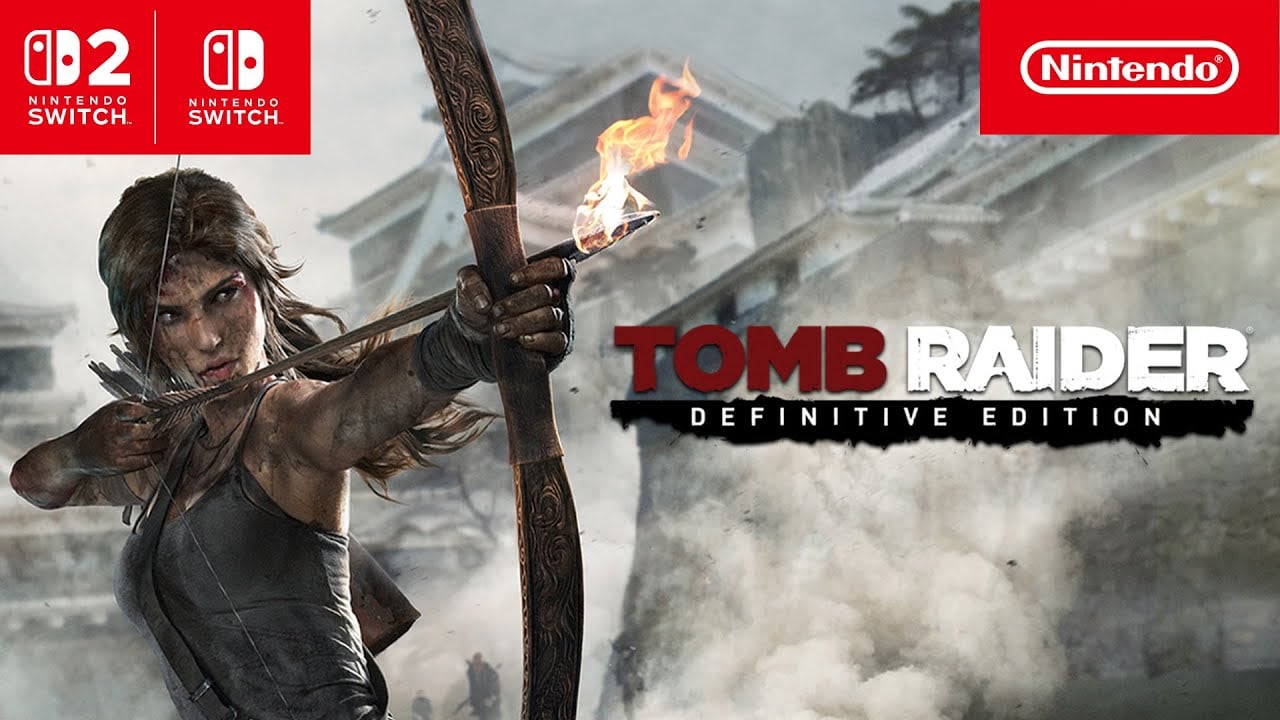
Tomb Raider: Definitive Edition showing up on Nintendo Switch 2 and Nintendo Switch wasn’t just a routine release, it was a pop quiz for the entire community. One minute, people are still talking about classic-era remasters, and the next minute Lara Croft’s modern origin story is sitting in the eShop like it owns the place. That surprise timing is exactly why Aspyr’s comments matter. We’re not only looking at what shipped, we’re looking at why it shipped this way, who was involved, and what the priorities were when the team had to make hard decisions. Aspyr points to a clear through-line: Nintendo players responded strongly to earlier Tomb Raider collections, and the appetite for the 2013 reboot was impossible to ignore. The release also lines up with a “new hardware moment,” which is the kind of spotlight publishers love because it turns a launch into a conversation.
From there, the interesting stuff gets practical. Aspyr describes a dual-target approach that kept development efficient across Switch and Switch 2, then used Switch 2’s extra headroom to chase a stable 60 frames per second. That choice comes with implications, because when performance is the north star, some visual luxuries can slide down the priority list. Even so, the goal is simple: make it feel great in your hands, not just look pretty in a screenshot. We also get confirmation that Crystal Dynamics was part of the process, and that multiplayer was always meant to stay in. Finally, the community’s biggest lingering questions are addressed in the most realistic way possible: patches are planned based on feedback, and future ports like Rise of the Tomb Raider and Shadow of the Tomb Raider are being discussed, but nothing is promised. In other words, we’ve got momentum, and momentum is how these dominoes usually start falling.
Tomb Raider: Definitive Edition lands on Switch 2 and Switch
When a well-known game arrives on Nintendo platforms, the conversation usually starts with one question: “Is it the full package?” In this case, Tomb Raider: Definitive Edition shows up on both Nintendo Switch 2 and Nintendo Switch as a digital release, and that instantly frames it as a modern, pick-up-and-play option for handheld life. That matters because Tomb Raider (2013) is not a tiny nostalgia snack, it’s a cinematic, systems-heavy adventure that leans on pacing, combat flow, and atmosphere. So the release isn’t only about getting Lara Croft onto Nintendo hardware, it’s about whether the experience feels smooth enough that you forget you’re playing a port. We also can’t ignore the emotional angle. This is the starting line for the “Survivor” era, the version of Lara that many players first connected with, and Nintendo fans have been asking for it for years. When that kind of long-running request finally gets answered, expectations come in hot, and every detail gets inspected.
Why the timing surprised Nintendo players
A lot of Switch owners expected “eventual,” not “suddenly.” That’s why the timing landed like a surprise party where the lights come on before you even took your coat off. Aspyr’s explanation centers on momentum and audience signals. The company points to strong responses to earlier Tomb Raider remaster collections on Switch, and that matters because publishers follow proof, not wishes. When fans actually buy and talk about releases, it becomes easier to justify the next step internally. The other half of the timing puzzle is hardware context. A new Nintendo system creates a fresh window where players are browsing, experimenting, and actively looking for showcase titles, even if those titles originally launched elsewhere years ago. In that kind of moment, a recognizable name can punch above its weight and become a “first month” staple. So the timing isn’t random, it’s strategic in the simplest human way: people were asking, people were buying, and the calendar offered a big stage.
Why the modern origin story mattered after the remastered collections
If the classic era remasters are like opening an old photo album, the 2013 reboot is more like switching to a high-energy documentary with shaky cameras and bruised knuckles. Different vibe, different audience, but the same character at the center. After Tomb Raider I-III Remastered and Tomb Raider IV-VI Remastered proved there’s real demand on Nintendo hardware, the missing piece became obvious: Nintendo players still didn’t have the modern starting point that leads into Rise and Shadow. That gap matters because it breaks the “play the era you care about” flow. People who meet Lara through the older games may want to see how the character was reimagined, while newer fans who know the Survivor tone may be curious about how it all began. Aspyr’s comments frame the reboot as a bridge between generations, and that’s a useful way to think about it on Switch 2. The platform itself is about carrying habits forward, and Tomb Raider’s timeline shift mirrors that.
What “bridging console generations” looks like in practice
In practical terms, “bridging generations” is less poetry and more project management. It means choosing tech paths that can scale, building a plan that doesn’t strand Switch players, and still giving Switch 2 owners a reason to pick that version without feeling like they bought the same thing twice. It also means honoring the original creative intent while accepting that each platform has constraints. Nintendo players care about portability and controls, and on Switch 2 there’s also a higher baseline expectation for responsiveness because the hardware is positioned as a leap forward. So bridging generations is really about balance: letting Switch owners join the party, while using Switch 2 headroom to make the party feel less crowded. If that sounds like trying to host two groups of friends in the same living room, yes, that’s the energy. You want everyone to have a good time, and you don’t want anybody tripping over the coffee table.
The surprise release decision and what it changes
The “shadowdrop” approach is basically the gaming equivalent of sliding a pizza onto the table when nobody ordered one, and then watching everyone suddenly become very awake. Aspyr describes the surprise launch as intentional and tied to rewarding Nintendo fans for their loyalty to prior releases. There’s a practical marketing angle here too, even if we keep it human: surprise releases create instant conversation because people are reacting in real time, without weeks of “maybe” and “what if” fatigue. That early wave of chatter can be a powerful feedback loop, especially when a community is already tuned in and ready to compare notes. The risk, of course, is that surprise also means less runway for players to calibrate expectations. If the community is hoping for a top-to-bottom reinvention, a sudden release can intensify disappointment when reality is more grounded. That’s why Aspyr’s emphasis on performance priorities and future patches becomes so important after the drop.
Why a sudden release can amplify community buzz
When a release is announced and launched right away, the first people who talk about it are the ones who actually bought it. That changes the tone. Instead of weeks of speculation, we get hands-on impressions: how it runs, how it looks, how it feels in handheld, and whether the controls behave the way players expect. It also creates a shared moment, and shared moments are what gaming communities feed on. Think of it like a big group chat where someone posts “it’s live,” and suddenly your notifications turn into a waterfall. The upside is that real players steer the early narrative. The downside is that any issues also travel fast, because nobody has been waiting long enough to cool down. That’s why the patch conversation matters right away, and why clear bug reporting channels matter even more. If the first wave is loud, you want the second wave to be improvements, not frustration.
Who worked on the Switch 2 and Switch versions
A question like “Was Crystal Dynamics involved?” is really a trust question. Players want to know whether the original studio had eyes on the project, because that can influence everything from asset approvals to feature parity decisions. Aspyr’s answer is direct: this was a collaborative effort with Crystal Dynamics, and Crystal’s support helped maintain the original vision while bringing the game to Switch and Switch 2. That kind of partnership usually means two things. First, the porting team isn’t operating in a vacuum, which reduces the risk of “this feels off” changes. Second, it suggests a pipeline where issues and improvements can be discussed with stakeholders who know the game’s history. That doesn’t magically solve technical limitations, but it can shape priorities and keep the experience aligned with what Tomb Raider is supposed to feel like. For fans, it’s reassurance that this isn’t a random spin-off effort. It’s a real release with real coordination behind it.
What Crystal Dynamics typically means for authenticity and approvals
When the original developer is part of the process, authenticity usually shows up in small, meaningful ways. It can be as simple as ensuring the presentation matches the intended tone, or as specific as confirming that feature decisions don’t break the “spirit” of the game. It also helps with communication clarity. If a porting team is unsure whether a behavior is a bug or a legacy quirk, having access to original knowledge can save time. For players, authenticity isn’t only about matching textures. It’s also about preserving pacing, responsiveness, and the overall feel of combat and traversal. In Tomb Raider (2013), that feel is central because the story leans on tension and momentum. If controls lag or the camera feels sticky, the game loses some of its bite. So Crystal Dynamics involvement won’t guarantee perfection, but it raises the odds that the decisions are intentional rather than accidental.
How the Switch 2 version was built
This is where the community curiosity gets very technical, very fast. Aspyr addresses the speculation that Switch 2 is largely based on the Switch version by saying there’s truth to it, but it’s more nuanced. The key phrase here is “flexible code branch.” In normal human terms, that means the team used a development path designed to target Switch architecture efficiently so both versions could launch together. That approach reduces duplicate work and lowers the risk of one version falling behind. Then, for Switch 2, the team focused on using the new hardware to push a stable 60 frames per second rather than simply raising resolution. That choice also explains why some features associated with other console versions may not be the priority. In portable play, smoothness can matter more than extra visual effects, because you’re constantly moving, aiming, and reacting with less margin for stutter.
Why a Switch-friendly code path matters for a dual launch
A dual launch is not just “export twice.” It’s more like cooking one meal that has to satisfy two different diets without tasting like compromise. If you build around the more constrained platform first, you create a stable baseline that can ship on time. That’s essentially what a Switch-friendly path offers: predictable performance targets, known memory budgets, and a clear set of trade-offs. Once that baseline works, Switch 2 can benefit from additional overhead in smart ways, like pushing frame rate or tightening loading. The alternative would be building from a higher-end base and then wrestling it down for Switch, which can create painful last-minute cuts. So the code path decision is about shipping reliably. Fans may wish the Switch 2 version started from a different foundation, but Aspyr’s explanation makes sense for a simultaneous release: build the stable core, then let the newer hardware flex where it matters most for feel.
Performance targets and the push for 60 frames per second
A stable 60 frames per second is the kind of upgrade you feel in your thumbs before you even consciously notice it. Aiming feels more responsive, camera motion feels cleaner, and action sequences become easier to track. On a portable system, that can matter more than extra visual flourishes because you’re often playing in less-than-perfect conditions: bright rooms, small screens, quick sessions, and lots of stop-and-start. Aspyr’s comments place fluidity at the top of the priority list for Switch 2, and that aligns with how many players actually experience third-person action games. If the game is smooth, you stay immersed. If it isn’t, you start noticing seams, and once you see seams, you can’t unsee them. That said, performance targets are also where expectations collide. Some players will accept visual reductions if the game feels great. Others will see any downgrade and feel like Switch 2 deserved more. Both reactions are understandable, because people value different parts of the experience.
The trade-offs that sometimes happen when fluidity is the priority
Any time a team prioritizes frame rate, something else often has to give, especially when you’re aiming for consistency rather than peaks. That “something else” can include lighting complexity, shadow quality, foliage density, or how aggressively distant details are drawn. These decisions can sound abstract, but they’re basically the difference between a scene feeling like a lush jungle and a scene feeling like a slightly tidier jungle. The important part is that the game still needs to communicate danger, atmosphere, and geography clearly. If the environment loses too much personality, the story beats can land softer. If the environment keeps its identity while performance stays smooth, most players will adapt quickly. It becomes like swapping from a glossy photo filter to a cleaner, sharper look. You might miss the glow, but you appreciate being able to read what’s happening during a fight. The best outcome is when the trade-offs are subtle enough that you stop thinking about them after the first hour.
Why multiplayer stayed in the package
It’s genuinely refreshing when a release doesn’t quietly drop modes that are inconvenient to maintain. Aspyr says multiplayer was always planned to be included because the goal was to deliver the complete experience whenever possible. That matters for two reasons. First, it respects players who remember the original release as more than a single-player journey. Second, it signals confidence that the online component is worth keeping alive on Nintendo platforms, where communities can be surprisingly sticky once they latch onto something. Multiplayer also changes value perception. Even if you personally never touch it, knowing it’s there makes the release feel less like a “trimmed” version. And if you do touch it, it becomes a fun palette cleanser between story sessions, especially in handheld. It’s the difference between buying a ticket for one ride versus getting access to the whole park. You might still spend most of your time on your favorite attraction, but the options make the package feel fuller.
Controls on Switch 2: gyro, mouse, and the reality of edge cases
Switch players love control options the way some people love choosing toppings: it’s not about one perfect setup, it’s about having the freedom to make it feel right for you. That’s why reports of gyro and mouse control issues get attention quickly. The upside is that Switch 2 supports flexible play styles, including motion aiming and mouse-like inputs, which can make third-person shooters feel more precise. The downside is that control systems are sensitive, and small platform differences can create weird edge cases, like features that work in menus but not in gameplay, or settings that appear but behave inconsistently. Aspyr’s stance is that the team is listening to feedback and plans improvements via patches over time. That’s the right attitude, but players also want speed, because control issues are the kind of thing that can sour a first impression. If aiming feels off, the game’s combat rhythm takes a hit, and that’s not the kind of “challenge” anybody asked for.
What players have reported
Community chatter has pointed to situations where gyro aiming or related control behavior doesn’t match expectations, and that naturally leads to the same two questions: “Is it a bug?” and “Will it be fixed?” Reports vary by setup, which is typical for input issues, because controller configurations, play modes, and in-game contexts can change outcomes. Some players also compare how controls feel across Switch and Switch 2, which can intensify scrutiny. The key is to treat early reports as signals, not verdicts. If enough players describe the same symptom, it becomes easier for a dev team to reproduce it and isolate the cause. That’s why clear bug reporting matters. The fastest way to get a fix is to turn a vague complaint into a reproducible pattern: what mode you’re in, what controller you’re using, and what exactly happens when you try to aim or switch input styles.
How to file a useful bug report with Aspyr Support
If we want fixes, we have to help the team catch the issue like a butterfly in a jar, not like smoke in the wind. Aspyr directs players to its support site for bug reports, and the most useful reports usually include a short checklist of details. Start with your platform version: Switch or Switch 2, plus the game version number if it’s shown in the menu. Then describe your setup: handheld or docked, Joy-Con or Pro Controller, and whether you’re using mouse mode or motion controls. After that, write the steps like a recipe: open settings, enable gyro, enter a specific gameplay section, aim, observe the behavior. Finally, include what you expected versus what happened, in plain language. If you can reproduce it consistently, say so, because “every time” is the magic phrase that makes debugging faster. It’s not glamorous, but it’s the most direct path from “this feels wrong” to “this is fixed.”
Patches and improvements: what “listening closely” usually means
A patch plan is basically a promise to keep showing up after launch, and Aspyr’s comments indicate that updates are part of the ongoing plan. The phrasing matters: the team says it’s listening closely to player feedback and intends to make improvements via patches so the experience can be the best possible for players. That’s a sensible approach, but it also sets expectations for a gradual process rather than a single magic update that solves everything overnight. The most common pattern is triage first, polish second. That means issues that block progress or break controls tend to get prioritized, while purely visual enhancements may take longer, especially if they require deeper tuning. For Switch 2, some fans are also hoping for graphical upgrades beyond performance targets, and that becomes a question of resource allocation. The important takeaway is that feedback matters most when it’s specific. If the community wants something, it needs to be described in a way that can be measured and tested, not just wished into existence.
The big sequel question: Rise and Shadow on Nintendo platforms
This is the question that hovers over everything like a big sign that says “To be continued?” Aspyr acknowledges that it has seen the community asking about Rise of the Tomb Raider and Shadow of the Tomb Raider, and it frames the current release as another step in a larger journey: classic era restored, origin story delivered, and now the obvious next chapters are sitting right there. At the same time, Aspyr doesn’t announce anything, which is the honest stance when deals, schedules, and technical planning are still in flux. The encouraging part is the reasoning: strong response to the current release is described as motivation to keep exploring possibilities. That’s not a guarantee, but it’s more than silence. If we treat this like a handshake, not a signed contract, it’s still meaningful. It tells us the company is paying attention, and that player interest is being logged, not ignored.
What Switch 2 support could look like for Aspyr going forward
Aspyr calls Switch 2 a major new chapter and says future cross-platform titles will treat the system as a primary target on the Nintendo front, while still being evaluated case by case to ensure quality. That’s a realistic strategy, because not every game is a good fit for a hybrid platform, and not every port is worth doing if it can’t meet a baseline standard. The interesting part is what “primary target” implies. It suggests earlier consideration in development planning, which can improve outcomes because the port isn’t an afterthought. It also suggests that the team sees Switch 2 as capable enough to handle a wider range of releases that might have been hard sells on older hardware. For Nintendo players, the best-case scenario is simple: more releases arrive closer to their original launch windows, with fewer compromises. And for Aspyr, it means building a repeatable pipeline that gets better with each project, like a workshop where every new tool makes the next job cleaner.
How long the original Switch remains part of the plan
Support for the original Switch is one of those topics that has to be handled with real-world pragmatism. Aspyr’s answer aligns with the broader industry approach: keep watching where players are on Nintendo systems. That’s not evasive, it’s reality. Install bases shift gradually, and publishers follow where the audience actually spends time and money. The original Switch is still a massive platform, and for many players it’s not being replaced overnight. At the same time, Switch 2 will naturally attract more “must run well” releases as developers lean into new capabilities. So the likely future is a transition period where some releases appear on both systems, while others become Switch 2-only based on technical needs. The important point for players is to read support statements as signals, not promises. If a company says it’s watching player distribution, it means the decision will be shaped by adoption trends, not by nostalgia. It’s like moving houses: you don’t abandon the old place until you’re sure everyone has the new address.
Conclusion
Tomb Raider: Definitive Edition arriving on Switch 2 and Switch is a lot more than a simple port story. It’s a snapshot of priorities: ship on both platforms, keep the package intact with multiplayer, collaborate with Crystal Dynamics to preserve intent, and use Switch 2 headroom to chase a stable 60 frames per second. That approach won’t satisfy every possible wish, especially for players who want the most lavish visual treatment, but it does aim straight at what many handheld players value most: responsiveness, consistency, and control flexibility. The release method also matters. A surprise launch creates instant energy, but it also means first impressions hit harder, which is why patch plans and clear bug reporting channels are essential. And then there’s the looming sequel question. Aspyr isn’t promising Rise or Shadow, but it’s clearly hearing the demand, and it’s signaling that Switch 2 is a primary Nintendo target for future work. If we want the next dominoes to fall, the best thing we can do is give clear feedback, report issues with useful details, and keep the conversation grounded in what the game is today while pushing for what it can become tomorrow.
FAQs
- Is Tomb Raider: Definitive Edition available on both Switch 2 and the original Switch?
- Yes. It has been released digitally on both Nintendo Switch 2 and Nintendo Switch, so players can choose the version that matches their hardware.
- Did Aspyr work with Crystal Dynamics on these versions?
- Yes. Aspyr described it as a collaborative effort with Crystal Dynamics, with Crystal’s support helping maintain the original vision across both platforms.
- How did Aspyr describe the Switch 2 build approach?
- Aspyr indicated the core structure came from a flexible code branch that supported a simultaneous launch, then used Switch 2 capability to push for a stable 60 frames per second.
- Are patches planned for issues like gyro or mouse controls?
- Aspyr says it’s listening to player feedback and plans improvements via patches over time. Players experiencing issues are encouraged to submit bug reports through Aspyr Support.
- Will Rise of the Tomb Raider and Shadow of the Tomb Raider come to Nintendo platforms?
- Aspyr has acknowledged the demand and said the strong response is encouraging, but it has not announced anything specific at this time.
Sources
- Interview: Aspyr on bringing Tomb Raider: Definitive Edition to Nintendo Switch 2 / Switch and future possibilities, Nintendo Everything, December 20, 2025
- Surprise! Tomb Raider: Definitive Edition Is Available Now On Switch & Switch 2, Nintendo Life, November 18, 2025
- PSA: Tomb Raider: Definitive Edition On Switch 2 And Switch Has Been Updated To Version 1.0.2, Nintendo Life, January 2026
- Aspyr Support, Aspyr, Accessed January 2026
- Tomb Raider: Definitive Edition (Nintendo Switch 2), Nintendo, Accessed January 2026