














Summary:
Nintendo has opened the door to Tomodachi Life: Living the Dream a little earlier by releasing the Welcome Version on Nintendo eShop, and that small move says a lot about how confident the company seems to be in the game’s appeal. Rather than asking players to wait until April 16 to see what makes this return special, Nintendo is letting them step onto the island now, build up to three Mii characters, and get a feel for the oddball rhythm that has always made Tomodachi Life stand out. It is a smart invitation because this series has never really been about explaining itself through a few bullet points. It works best when you actually watch the chaos unfold.
The Welcome Version also has a practical side that makes it easier to care about from the first minute. Progress can be transferred into the full game, which means time spent in the early version is not just a temporary distraction. It is a real start. On top of that, players can unlock a hamster costume, which is exactly the sort of silly reward that fits Tomodachi Life like a glove. It is cute, a little ridiculous, and impossible to separate from the series’ personality. More importantly, it reinforces the main idea behind the release. This is not just a preview. It is a warm-up that lets players begin shaping their island before the full experience arrives. For a game built on personal touches, weird interactions, and the simple joy of seeing Miis behave like tiny drama magnets, that kind of early access feels like the perfect fit.
Tomodachi Life opens the island gates early
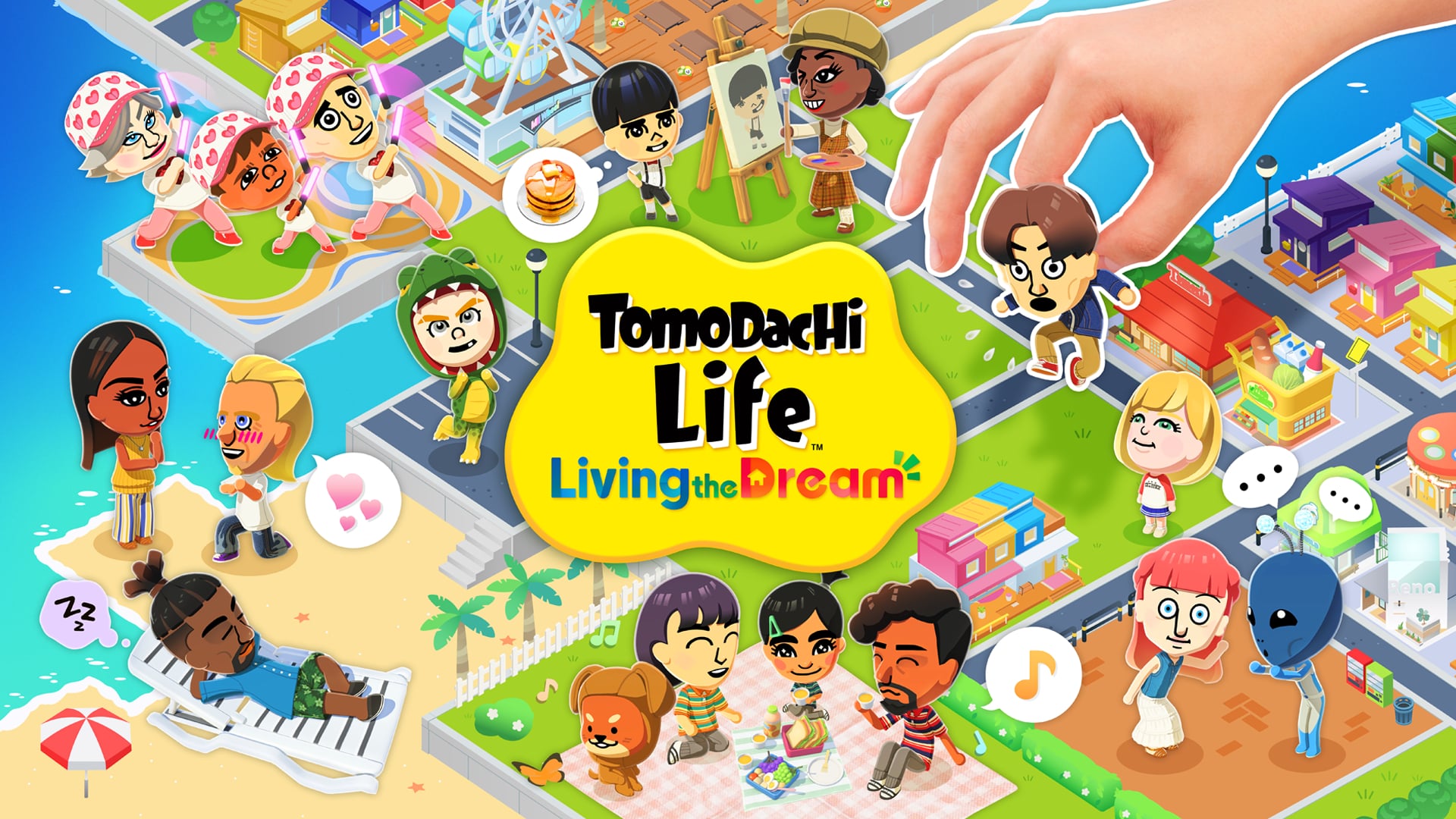
Nintendo has now made Tomodachi Life: Living the Dream – Welcome Version available on the Nintendo eShop, and that immediately changes the mood around the game’s upcoming launch. Instead of simply counting down to April 16, players can already step into the world and start playing with its core idea. That matters because Tomodachi Life has always been one of those games that sounds amusing when described, but becomes much more entertaining once you actually see it in motion. Miis talk, react, bond, surprise you, and occasionally behave like tiny roommates who have all had too much sugar. Giving players a chance to sample that energy now is a clever move. It lets the game speak in its own strange, charming voice. For returning fans, it feels like reopening the door to an old neighborhood that somehow got even weirder while you were away. For newcomers, it is an easy first step into a series that thrives on curiosity, personality, and the kind of nonsense that can make you laugh out loud when you least expect it.
Why the Welcome Version matters more than a simple demo
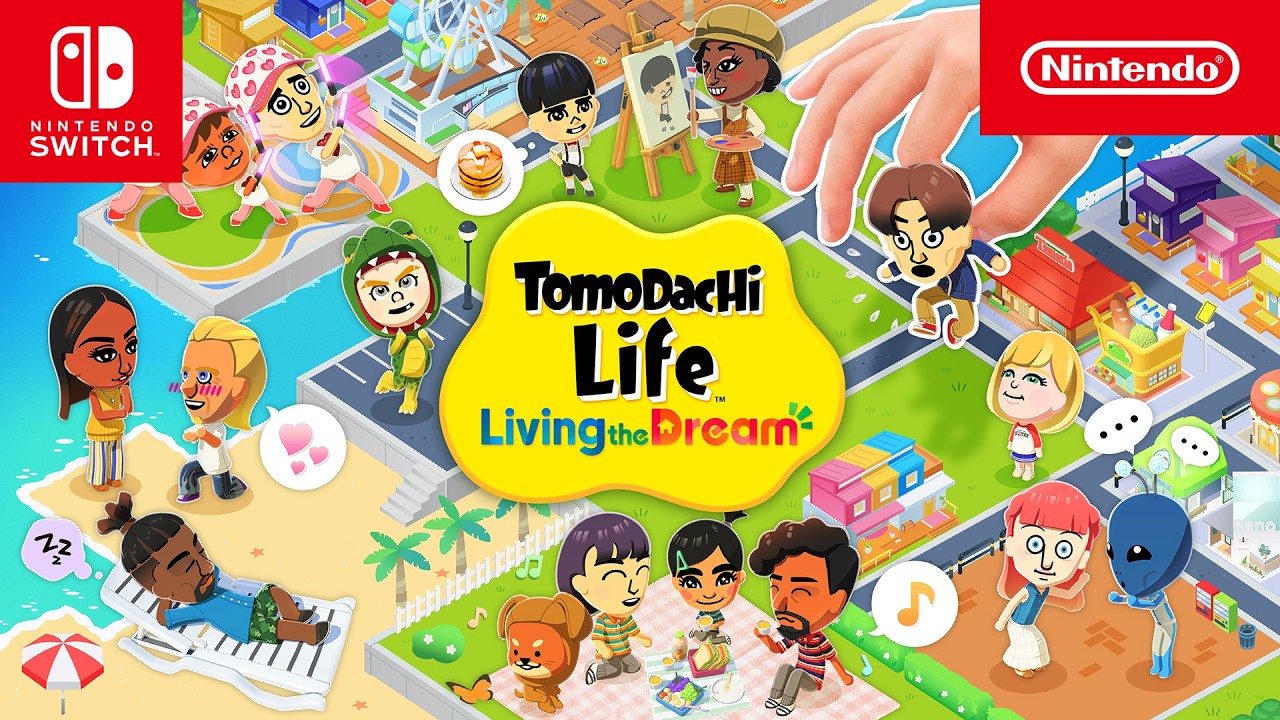
Calling this a basic try-before-you-buy download would undersell what makes it useful. Yes, it gives players an early taste, but the Welcome Version is more meaningful than a disposable sample because it allows you to begin building something that can continue later. That changes the way people approach it. You are not just pressing buttons for ten minutes and walking away. You are making choices that can carry forward into the full game. That sense of continuity gives the Welcome Version more weight and more appeal. It turns curiosity into investment. The moment players know their early work will not vanish into thin air, the whole experience becomes more inviting. It is the difference between doodling on scrap paper and sketching in a notebook you plan to keep. One is a throwaway moment. The other feels like the start of something. Nintendo clearly understands that Tomodachi Life works best when players begin forming attachments, and this setup helps that happen sooner rather than later.
Creating up to three Miis sets the tone immediately
One of the smartest parts of the Welcome Version is that it lets players create up to three Mii characters straight away. That number may sound small at first, but it is enough to spark the exact kind of playful experimentation the series feeds on. You can make yourself, create friends or family members, or go completely off the rails and invent a bizarre lineup just to see what happens when those personalities share space. Three Miis is actually a sweet spot for an opening sample because it gives players room to shape the start of their island without overwhelming them. It also nudges people into the personal side of the game right away. Tomodachi Life is not driven by giant explosions, tense boss fights, or high-speed action. Its magic comes from seeing familiar faces or absurd creations interact in unexpected ways. The Welcome Version understands that the first spark of attachment comes from character creation, and it wisely puts that front and center.
The first few residents can define the whole mood
Those first Mii choices are more important than they might appear. In a game like Tomodachi Life, the earliest residents often shape the tone of everything that follows. They are the seed from which the island’s personality begins to grow. If you choose people you know well, the humor lands in a very particular way because every odd reaction feels a little personal. If you invent a cast of absolute gremlins, the result can feel like a sitcom written by a sleep-deprived cartoonist. Either way, the point is the same. The Welcome Version gives players enough room to start that process and get hooked on the social unpredictability that defines the series. Even with only three Miis, you can already imagine where the full game might take things. That is the genius of the setup. It leaves you wanting more without making the opening feel thin or half-finished.
The island’s strange charm is the real hook
What has always made Tomodachi Life memorable is not just the act of creating Miis. It is the way the game turns them loose in a setting where weird little moments keep bubbling up. The island becomes a stage where drama, comedy, awkwardness, sweetness, and utter nonsense all share the spotlight. One second you are checking in on a simple daily interaction, and the next you are watching something so oddly specific that it feels like the game reached into your brain and pulled out a joke you did not know you were ready for. That tone is difficult to explain neatly because it lives in the unexpected. It is part life simulator, part social toy box, and part fever dream with better wardrobe options. The Welcome Version works because it gives players a chance to feel that offbeat energy rather than just read about it. Tomodachi Life has never sold itself through logic alone. It wins people over by being delightfully, unapologetically strange.
The hamster costume adds a playful reward
Nintendo also gives players a small extra reason to jump in early by offering a hamster costume that can be unlocked through the Welcome Version. That reward is tiny in the grand scheme of things, yet it fits the game perfectly. Tomodachi Life has always thrived on silly customization, and a hamster costume lands right in the sweet spot between adorable and faintly ridiculous. It is the kind of unlock that makes you smile because it feels so on-brand for the series. No one looks at a Mii dressed like a hamster and thinks, yes, this is a very serious simulation of everyday life. That is exactly why it works. It reinforces the playful identity of the game and adds a little sense of achievement to the early experience. Better still, it gives players something concrete to carry with them into the full release, turning a short early session into something with a visible payoff.
A reward like this matches the game’s personality
The hamster costume is not just a random extra tossed in for marketing sparkle. It reflects the tone Tomodachi Life wants to maintain from the very start. This series is fueled by small moments of absurd delight, and silly outfits play a big role in that charm. The costume tells players, almost with a wink, that this is a place where things are meant to be a little off-center. That matters because first impressions shape expectations. If the Welcome Version handed out some dull, purely practical reward, it would not have the same effect. A hamster costume is memorable because it taps into the exact spirit that makes the game appealing. It is cheerful, odd, and impossible to take too seriously. In other words, it feels like Tomodachi Life wearing its own personality on its sleeve, or in this case, on its tiny furry costume.
Save transfer gives every early minute real value
Perhaps the most important detail of all is that what you do in the Welcome Version can be transferred to the full game. That is the feature that transforms this from a fun curiosity into a meaningful beginning. Players are not just passing time until release day. They are getting a head start. Their created Miis, their early setup, and their first personal stamp on the island can all move forward once the full game arrives on April 16. That is a big deal because it respects the time players put in. Nobody enjoys building something they know will vanish the moment the proper version arrives. Save transfer solves that problem cleanly. It also gives the Welcome Version a stronger sense of purpose. You can start now, enjoy the weirdness immediately, and know that your early choices are not just temporary sparks. They become the foundation for what comes next. That makes the whole download feel far more worthwhile.
Why April 16 now feels much closer
A release date can sometimes feel distant, even when it is not actually that far away. The Welcome Version changes that feeling. Once players begin setting up Miis and seeing the game’s humor in action, April 16 stops being a date on a calendar and starts feeling like the next chapter of something already underway. That is powerful. It creates momentum. It gives fans a reason to talk about the game now instead of simply saving all excitement for launch day. It also helps build familiarity for players who may have missed the original Tomodachi Life era and are wondering what the fuss is about. By the time the full release arrives, they are no longer standing outside the door. They are already inside, already invested, already ready to keep going. That emotional shift matters more than people sometimes realize. Anticipation becomes stronger when it is attached to something you have already touched.
Nintendo’s approach makes jumping in easy
There is also something refreshingly straightforward about how Nintendo has handled this rollout. The Welcome Version is available through the Nintendo eShop, the setup is easy to understand, and the main benefits are immediately clear. You can create up to three Miis, unlock a hamster costume, and carry your progress into the full game. That clarity matters. It removes friction. It tells players exactly why this early version is worth their time without wrapping the idea in confusing conditions or unnecessary clutter. In a crowded release landscape, that kind of clean pitch can go a long way. You know what you are getting, you know why it matters, and you know that the full game lands on April 16. Sometimes that is all a game really needs. No smoke, no mirrors, just a weird little island waiting for you and a set of Mii faces that are probably about to start some drama the second you look away.
The early setup is small, but it plants a strong seed
What makes the Welcome Version especially effective is that it does not try to do too much. It gives players a small but meaningful start, and that restraint works in its favor. Tomodachi Life does not need an oversized opening sample to create interest. It just needs enough space for the game’s personality to take root. A few Miis, a little customization, a costume reward, and the promise that your progress continues into the full release are more than enough to create that first spark. It is a bit like planting a few strange seeds and already seeing the first crooked shoots appear. You know the full garden is still ahead, but even the earliest signs are enough to make you curious about what is going to grow. That is exactly the feeling Nintendo seems to be aiming for here, and it lands beautifully.
Tomodachi Life still thrives on personality and surprise
The biggest reason this release works so well is that it leans into the one thing Tomodachi Life has always done better than almost anyone else: turning personality into entertainment. Plenty of games let you customize characters. Plenty of games let you build a little world. Tomodachi Life stands apart because it combines those ideas with social unpredictability and a deliberately offbeat sense of humor. It is not trying to feel cool in a polished, distant way. It is trying to make you grin because one of your Miis just did something unexpected, slightly awkward, or wonderfully ridiculous. The Welcome Version taps directly into that strength. It invites players to begin with the part that matters most, the people, and lets the game’s odd chemistry start doing the rest. That means even a smaller early slice can still feel full of life. When a series is this dependent on personality, the quickest way to prove its appeal is simply to let people spend time with it.
This early taste sets up the full release nicely
By the time players finish with the Welcome Version, the most likely result is not that they will feel finished. It is that they will want more. That is exactly what an early release like this should accomplish. It gives enough room for the core charm to shine, adds a reward that suits the game’s style, and makes sure the time invested actually counts once the full version arrives. It is a neat, confident setup for April 16, and it gives Tomodachi Life: Living the Dream a softer, more personal runway into launch. Rather than making a huge noise and hoping people show up, Nintendo is letting the game’s peculiar personality do the persuasive work. That feels fitting. Tomodachi Life has never been the loudest thing in the room, but it often ends up being the one people cannot stop talking about. With the Welcome Version now available, that conversation has every reason to get a lot livelier.
Conclusion
Tomodachi Life: Living the Dream – Welcome Version is a smart and playful way to begin the countdown to the full game. It gives players a real starting point instead of a throwaway sample, lets them create up to three Miis, offers a hamster costume that perfectly matches the game’s sense of humor, and makes sure that early progress can move into the full release on April 16. More than anything, it reminds people why Tomodachi Life stands out in the first place. This is a series built on personality, surprise, and the simple joy of watching strange little social moments unfold. The Welcome Version captures that spirit nicely and turns curiosity into momentum. For returning fans, it is an inviting reunion. For newcomers, it is a cheerful first handshake. Either way, the island is open, and it already looks like trouble in the best possible way.
FAQs
- What is Tomodachi Life: Living the Dream – Welcome Version?
- It is an early downloadable version on Nintendo eShop that lets players try part of Tomodachi Life: Living the Dream before the full game launches on April 16.
- How many Mii characters can players create in the Welcome Version?
- Players can create up to three Mii characters, which gives them a solid starting point for building their island and shaping its early personality.
- Can progress from the Welcome Version be used in the full game?
- Yes. Nintendo says save data from the Welcome Version can be transferred to the full game, so your early setup is not lost.
- What reward can players unlock in the Welcome Version?
- Players can unlock a hamster costume, a fun extra that fits the playful tone of Tomodachi Life and can be carried into the full experience.
- When does Tomodachi Life: Living the Dream release in full?
- The full game releases on April 16 for Nintendo Switch, following the early availability of the Welcome Version on Nintendo eShop.
Sources
- Tomodachi Life: Living the Dream for Nintendo Switch, Nintendo, January 2026
- Tomodachi Life: Living the Dream, Nintendo UK, 2026
- Tomodachi Life: Living the Dream Direct spotlights quirky fun with player-made Mii characters; game launches on Nintendo Switch April 16, Nintendo, January 29, 2026
- Tomodachi Life: Living the Dream Direct 1.29.26, Nintendo, January 29, 2026