














Summary:
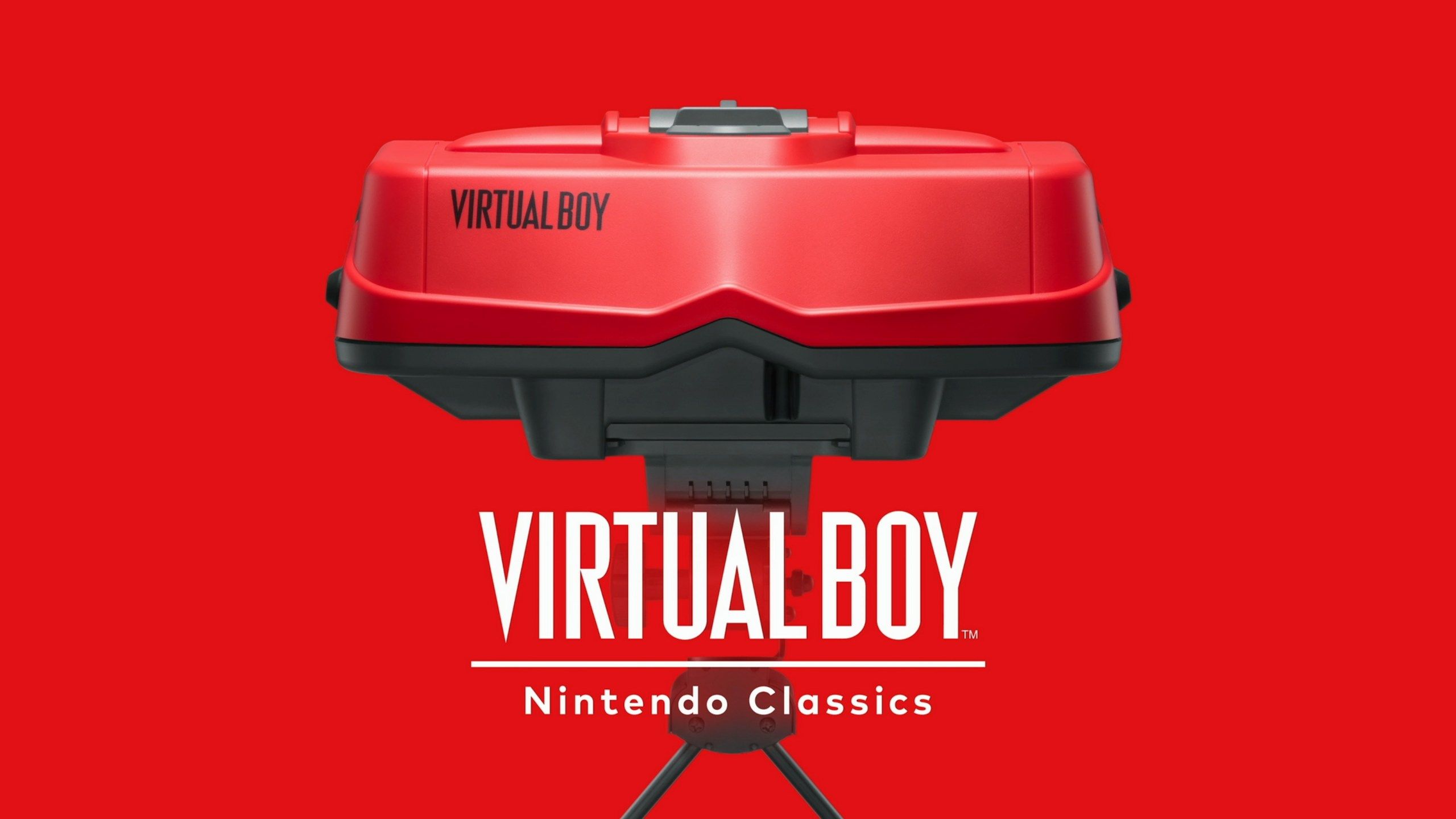
Nintendo is bringing the Virtual Boy name back in a way that feels equal parts retro and weirdly practical. Instead of launching a standalone system, the new Virtual Boy accessory is built around hardware you already own – a Nintendo Switch or Nintendo Switch 2. You slide your system into a dedicated viewer, grab your Joy-Con controllers, and get stereoscopic 3D for Virtual Boy – Nintendo Classics. That part is the headline, but there’s a fun side effect that makes the accessory more than a nostalgia shelf piece: it can also be used with VR modes in a small set of Switch games that already support a headset-style view.
Those compatible VR modes come from updates originally made for Nintendo Labo’s VR Goggles, and they include Super Mario Odyssey, The Legend of Zelda: Breath of the Wild, Super Smash Bros. Ultimate, and Captain Toad: Treasure Tracker. In other words, if you’ve ever wanted to peek into Mario’s VR mini challenges, stand in Hyrule like you’re holding a tiny window into the wild, watch Smash battles from a close-up perspective, or poke through Captain Toad’s diorama-like levels in VR, the Virtual Boy accessory can double as your viewer. Nintendo is positioning all of this around the launch of Virtual Boy – Nintendo Classics on Nintendo Switch Online + Expansion Pack, with the accessory releasing on February 17. It’s a niche idea, sure, but it’s the kind of niche that makes collectors grin and curious players ask, “Wait, Nintendo actually did this?”
The Virtual Boy name is back, and it’s not just nostalgia
Virtual Boy has always carried a strange reputation. It’s the “what were they thinking?” gadget that also has a cult following, mostly because Nintendo hardware experiments have a habit of aging into lovable oddities. This time, Nintendo isn’t asking anyone to buy a brand-new console that lives on its own island. The new Virtual Boy accessory is an attachment for Nintendo Switch and Nintendo Switch 2 that recreates the original idea – stereoscopic 3D through a dedicated viewer – while leaning on modern systems for the actual game running, controls, and updates. That shift matters because it turns the Virtual Boy name into a feature rather than a full commitment. We’re not choosing between “own a Virtual Boy” and “don’t,” we’re choosing whether we want a specific way to experience a specific library. And because the accessory can also act as a viewer for a handful of existing Switch VR modes, it sneaks into the present day instead of living purely in the museum wing.

Video credits go to GVG
What the new Virtual Boy accessory actually is
At its core, this accessory is a dedicated viewer designed for Nintendo Switch and Nintendo Switch 2. You insert your system into the unit, use the included stand, and play while holding Joy-Con controllers rather than gripping the console itself. That design mirrors the original Virtual Boy posture – a tabletop setup where you lean in – but with modern input and a modern screen powering the image. There are also multiple versions being sold, including a premium-style accessory and a cardboard-style alternative that aims for a more playful, Labo-like vibe. The key point is that this is not a full VR headset in the “room-scale, waving your arms” sense. It’s a stereoscopic viewer built for close-range play. Think of it like putting your Switch into a tiny theater that only you can see, except the screen is presented with a 3D effect where supported.
Where it fits in: Virtual Boy – Nintendo Classics on Switch Online
The main job of the accessory is to work with Virtual Boy – Nintendo Classics, which is tied to Nintendo Switch Online + Expansion Pack. That’s the gateway to the Virtual Boy library, with the viewer enabling the 3D presentation that made the original system stand out. If you’re expecting this to be a wild free-for-all of every Virtual Boy game ever, it’s smarter to treat it like Nintendo’s other classics collections: a curated lineup that grows over time. The appeal is obvious if you’ve never played these games as intended. Virtual Boy titles often rely on depth tricks, layered backgrounds, and objects that pop in and out, and those effects are hard to translate when flattened. With this setup, the 3D is the point. We get a throwback format that’s still anchored to modern conveniences like Joy-Con controls, system settings, and the broader Nintendo account ecosystem.
Release date and where to buy
Nintendo has tied everything to a clean calendar moment: February 17, 2026. That’s the release date for the Virtual Boy – Nintendo Classics experience, and it’s also when the accessory is set to launch. Availability is centered on Nintendo’s own storefronts, including the My Nintendo Store, which fits the collector-friendly nature of the product. That store-first approach also tends to mean stock can be unpredictable, especially when an item has novelty value and a limited-audience hype cycle. If you’re the kind of person who still keeps game boxes aligned like a tiny retail display, you already know the feeling. The practical takeaway is simple: if we want one close to launch, we should treat it like a specialty Nintendo drop rather than something that will sit calmly on every shelf forever.
Supported Switch game VR modes: what you can play
Here’s the part that makes the accessory feel like a bonus toy rather than a single-purpose nostalgia machine. A small set of Switch games already include “VR mode” options originally built around Nintendo Labo’s VR Goggles, and reports indicate the Virtual Boy accessory can be used as a similar viewer for those modes. The supported lineup includes Super Mario Odyssey, The Legend of Zelda: Breath of the Wild, Super Smash Bros. Ultimate, and Captain Toad: Treasure Tracker. It’s important to frame this the right way: these are not full games rebuilt for modern VR. They’re specific VR-style features, mini modes, or viewing options that split the image for a headset-style display. Still, that’s enough to change how these modes feel. Instead of holding cardboard goggles up like a DIY science project, we can use a dedicated viewer designed for this kind of close-range 3D experience.
Super Mario Odyssey VR: what it looks like in the headset
Super Mario Odyssey’s VR support is a great example of Nintendo being Nintendo – playful, focused, and not trying to pretend it’s something it isn’t. The VR mode is accessed from the main menu, and it’s built around a handful of tailored experiences rather than the entire adventure. In practice, that means we get bite-sized challenges and scenes that are designed to look fun in a split-screen headset view, with Mario’s world feeling like a toybox you can peek into. Through the Virtual Boy viewer, this style can feel more “arcade cabinet” than “VR simulator,” and honestly that’s the charm. If you go in expecting room-scale immersion, you’ll bounce right off. If you go in expecting a clever theme-park attraction, it lands better. It’s the difference between buying a ticket for a roller coaster and complaining it isn’t a road trip.
Zelda: Breath of the Wild VR: the good, the bad, the pixelated
Breath of the Wild in VR is the mode everybody talks about, partly because it’s the most ambitious in scope and partly because it highlights the limits of the hardware. This VR option requires an update and is built around the idea of viewing Hyrule in a headset-style split image. The “wow” moment is real the first time you look around and realize you’re seeing depth in the world, especially in open landscapes where distance matters. The downside is just as real: the Switch’s screen resolution and the way the image is divided for each eye can make things look softer and more pixelated than the standard handheld view. If you’re sensitive to that, you’ll notice it fast. The best way to enjoy it is to treat it like a sightseeing mode – a way to revisit places, take in vistas, and mess around for a session – rather than the default way to play for dozens of hours.
A quick reality check on comfort and session length
Even when everything works perfectly, headset-style play can be tiring if we push it too long. Eye strain and neck posture are the obvious culprits, especially with a tabletop viewer format where you’re leaning in. The good news is that these VR modes are easy to enjoy in short bursts, which matches how Nintendo designed most of them anyway. Set yourself up like you’re about to read a book at a desk: stable surface, relaxed shoulders, and breaks when your eyes start feeling like they’re doing push-ups. Also, keep the room lighting comfortable. Too bright and reflections can annoy you, too dark and your eyes work harder. It’s not glamorous advice, but it’s the difference between “that was neat” and “why do my eyeballs feel like they ran a marathon?”
Super Smash Bros. Ultimate VR: ringside seats for fights
Smash Ultimate’s VR mode is built around spectacle. Instead of trying to turn Smash into a motion-controlled brawler, it gives us a way to view battles up close, with the sense that we’re right there near the stage. There are limitations, including that VR-style play is tied to single-player use, but the novelty is strong because Smash is already a game about reading motion, spacing, and chaos. In VR viewing, the chaos feels different. A final smash or a heavy hit can look more dramatic simply because depth changes how you judge distance. It’s a bit like watching a puppet show from backstage – you still know it’s a show, but the perspective makes everything feel more physical. If you’ve ever wished you could “sit” inside a Smash stage for a minute, this is the closest Nintendo is offering without turning your living room into a tournament arena with padded walls.
Captain Toad VR: bite-sized levels, big charm
Captain Toad: Treasure Tracker might be the most naturally suited to this format because the game already feels like a set of handcrafted dioramas. The VR update focuses on a limited selection of levels rather than the full campaign, but those levels show why this style works. Depth makes the puzzle boxes easier to read, and it adds a tactile feel to ladders, platforms, and hidden corners. The whole thing comes across like you’re peering into a miniature model on a shelf, spotting secrets from angles you don’t normally use. If you’re the type who loves tiny details, this mode is candy. And if you’re the type who gets motion sick easily, Captain Toad’s slower pace can be a friendlier entry point than faster games. It’s gentle, charming, and it doesn’t demand that you play for hours to appreciate what it’s doing.
Setup, comfort, and play space tips
Because the Virtual Boy accessory is a tabletop viewer, setup is less about clearing furniture and more about getting your posture right. We want a stable surface at a height that doesn’t make us hunch like a cartoon goblin guarding treasure. A desk or table works best, and a chair that lets you sit upright without leaning too far forward is a quiet hero here. Controller choice matters too. Since the console is inserted into the viewer, Joy-Con are doing the heavy lifting, and that can actually be more comfortable than holding a full system the whole time. For VR modes in supported Switch games, keep expectations grounded: we’re viewing split-screen headset output, not running a headset with external tracking. That simplicity is part of the appeal. It’s plug-in, lean-in, play, and then go back to normal handheld or docked gaming whenever you feel like it.
Who this is really for
This accessory isn’t trying to convert everyone into a 3D evangelist. It’s for people who enjoy Nintendo’s weird side, the collectors who want an official piece of hardware that feels like a time capsule, and the curious players who want to experience Virtual Boy games in a way that finally makes sense. The bonus support for select Switch VR modes sweetens the deal, but it’s not the main reason the accessory exists. If you’re buying it expecting a modern VR platform, you’ll be disappointed. If you’re buying it because you like the idea of sliding your Switch 2 into a dedicated viewer and playing a library that once felt locked in the past, it makes more sense. It’s a specialty tool that embraces being a specialty tool. And sometimes that’s exactly what makes a Nintendo gadget worth talking about in the first place.
Conclusion
Nintendo’s Virtual Boy accessory is a throwback with a modern twist: it brings stereoscopic 3D back through a dedicated viewer while relying on Switch and Switch 2 to do the real work. The headline is Virtual Boy – Nintendo Classics on Nintendo Switch Online + Expansion Pack, launching on February 17, 2026, with the headset-style accessory available through Nintendo’s storefronts. The extra fun is that the same viewer can be used with VR modes in a small set of updated Switch games – Super Mario Odyssey, Breath of the Wild, Super Smash Bros. Ultimate, and Captain Toad: Treasure Tracker. The best way to enjoy it is to treat it like a novelty you’ll actually use, not a replacement for how you normally play. Set it up comfortably, keep sessions reasonable, and let it be what it is: a quirky Nintendo idea that somehow feels both ridiculous and kind of brilliant.
FAQs
- Which Switch games work with the Virtual Boy accessory’s VR-style viewing?
- Super Mario Odyssey, The Legend of Zelda: Breath of the Wild, Super Smash Bros. Ultimate, and Captain Toad: Treasure Tracker are the supported games mentioned for VR-style modes when using a headset-like viewer.
- Is the Virtual Boy accessory the same thing as Nintendo Labo VR?
- No. Nintendo Labo VR uses Toy-Con VR Goggles made from cardboard, while the Virtual Boy accessory is a dedicated viewer designed around the Switch or Switch 2 system for Virtual Boy – Nintendo Classics, with bonus use for select VR modes.
- Do we need Nintendo Switch Online to use Virtual Boy – Nintendo Classics?
- Yes. Access to Virtual Boy – Nintendo Classics is tied to Nintendo Switch Online + Expansion Pack, and the accessory is intended to be used with that service.
- Is Breath of the Wild fully playable in VR mode?
- The VR mode is available via an update and is presented as a VR-style viewing option. Many players treat it as a feature for shorter sessions rather than the default way to play because the split-screen headset view can look softer than standard handheld play.
- When does the Virtual Boy accessory release and where can we buy it?
- The accessory and the Virtual Boy – Nintendo Classics rollout are dated for February 17, 2026, with availability through Nintendo’s official stores such as the My Nintendo Store.
Sources
- Virtual Boy accessories for Nintendo Switch 2 and Nintendo Switch now available for pre-purchase, Nintendo.com, January 27, 2026
- Virtual Boy™ for Nintendo Switch™ 2/Nintendo Switch™, Nintendo.com Store, February 2026
- Virtual Boy voor de Nintendo Switch 2/Nintendo Switch, My Nintendo Store (NL), February 2026
- Confirmed: Switch’s Virtual Boy headset can play VR-supported Switch games including Breath of the Wild and Mario Odyssey, Video Games Chronicle, February 13, 2026
- Meer functies | Super Smash Bros. Ultimate, Smashbros.com, accessed February 2026
- How to Adjust VR Settings (Super Mario Odyssey), Nintendo Support (UK), accessed February 2026
- How to Adjust VR Settings (The Legend of Zelda: Breath of the Wild), Nintendo Support (UK), accessed February 2026
- Captain Toad: Treasure Tracker is vanaf nu te spelen in VR, Gamekings, July 31, 2019