














Summary:
Nintendo’s recent wave of big updates for older Switch games is not a nostalgia victory lap. It’s a practical, customer-friendly way to keep momentum while a new platform ramps up. In an investor Q&A, Nintendo president Shuntaro Furukawa described the value of updating software for the widely adopted Switch, and the phrasing matters. He’s not talking about patching for patching’s sake. He’s describing a strategy where people keep playing on the hardware they already own, rediscover games they drifted away from, and feel good about staying in Nintendo’s ecosystem while Switch 2 grows its library.
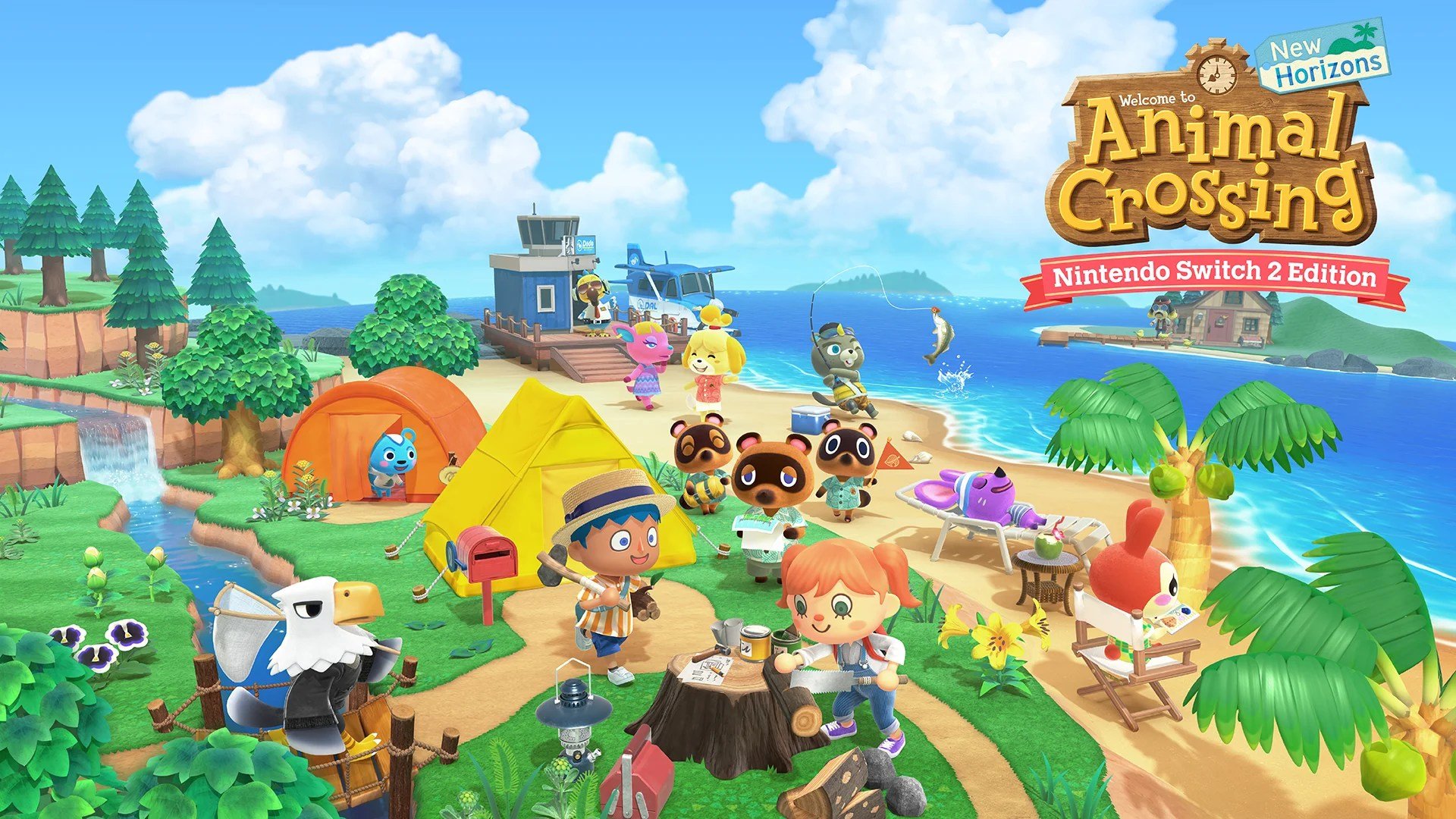
Animal Crossing: New Horizons is the clearest example. A substantial free update arrived in January, and Nintendo also released an upgraded Switch 2 Edition at the same time. That one-two move creates multiple “entry doors” for different players. If you already own the original game, you can come back without paying a cent. If you’re new, you can jump in on Switch 2 with an edition that fits the newer system. If you’re somewhere in the middle, the timing nudges you to revisit your island now and consider upgrading later, when the next must-play game finally hits your personal radar.
Splatoon 3 fits the same logic, just with a different vibe. Online communities can cool off fast if nothing new happens, so meaningful updates keep the scene lively, keep matchmaking healthy, and keep the brand top of mind. Put together, these updates maintain active usage on Switch while creating a smoother, more natural flow toward Switch 2 – no pressure, no hard cutoff, just steady reasons to keep playing.
Why Nintendo keeps updating Switch games in the Switch 2 era
When a new console shows up, you’d expect the old one to start collecting dust like a treadmill that turned into a coat rack. Nintendo’s approach is more like keeping both lanes open on a busy highway. Big updates for older Switch hits give people a reason to keep launching familiar games, which keeps the overall Nintendo audience active instead of splitting into “new console people” and “left behind people.” That matters because habits are sticky. If you stop playing on Nintendo hardware entirely, your next entertainment habit might become something else, and winning you back is harder than keeping you warm in the first place. Updating popular games also protects the Switch library’s reputation. It tells players their purchases still matter, which builds confidence the next time they’re deciding where to spend their time and money.
What Furukawa’s comments really signal
Furukawa’s investor answer points to two priorities that can coexist without stepping on each other’s toes. First, Nintendo still needs new releases to drive adoption of Switch 2, because new platforms live and die on steady software flow. Second, Nintendo wants to maintain a strong connection with customers who are already playing on Nintendo hardware, including those staying on Switch for a while. That’s the key nuance. Instead of forcing a sudden jump, Nintendo is smoothing the transition over years, not weeks. Updates help people revisit older games, and they also create a gentle nudge toward Switch 2 when the timing feels right for each person. It’s less “drop everything and upgrade” and more “keep having fun, and move over when you’re ready.”
The installed base as a living marketplace
The original Switch has a massive audience, and Nintendo treats that audience like an active town square rather than a closed chapter. If millions of people still boot up Switch games every week, that’s a marketplace with real energy: players discover games through friends, talk about updates, and buy add-ons or new releases that catch their eye. A healthy installed base also supports Nintendo’s partners and keeps the eShop ecosystem lively, which is valuable during any platform transition. From a business perspective, you don’t abandon a crowded room just because you opened a new room next door. You keep the crowd happy, keep the music playing, and make it easy for people to wander over when something shiny grabs them.
Updates as a low-friction re-entry point
Big updates are an invitation that doesn’t ask players to do homework. No need to learn a brand-new game from scratch, no need to commit to a 60-hour adventure, no need to justify a new purchase. You already own the game, you already understand the basics, and you can jump back in with the comfort of muscle memory. That’s why updates can trigger return waves, especially for games that people loved but drifted away from over time. Nintendo benefits because returning players re-engage with the platform, and players benefit because the game feels refreshed without feeling unfamiliar. It’s like visiting your favorite cafe and finding they added a few new menu items without changing the vibe that made you love it.
Animal Crossing: New Horizons as the proof of concept
Animal Crossing: New Horizons is a perfect test case because it’s both a comfort game and a social ritual. People play intensely, then take breaks, then come back when life lines up again. A major January update taps into that natural rhythm. It gives lapsed players a reason to check in, see what changed, and rebuild the daily habit of popping onto the island for a few minutes that turns into an hour. Nintendo also benefits because Animal Crossing attracts a wide audience, including people who do not buy new games every month. If those players are active again, they’re more likely to notice other Nintendo releases and features, and they’re also more likely to consider a hardware upgrade when something truly appeals to them.
Why a big January update matters
January is a smart moment to pull people back in because it catches players after the holiday period when routines reset. More importantly, Nintendo positioned Animal Crossing as a “start the year strong” move in the investor discussion, and that framing makes sense. A big update creates conversation, streams, social posts, and that contagious feeling of “maybe I should check my island.” It also helps Switch 2’s early period by giving the new system a familiar showcase title that people already trust. New platforms can feel intimidating if you think you need an all-new library to justify the purchase. A refreshed Animal Crossing lowers that barrier by making the new system feel immediately useful, even if your favorite games are older.
The Switch 2 Edition as a bridge, not a wall
Releasing a Switch 2 Edition alongside a free update is a balancing act, and Nintendo’s version of it is unusually player-friendly. The free update keeps existing owners included, so nobody feels punished for buying earlier. The Switch 2 Edition gives Nintendo a premium option for people who want the best version on the newest hardware, or for newcomers starting fresh. The clever part is that these two tracks can feed each other. If the free update brings back lapsed players, some of them will try the game on Switch 2 through family sharing, a friend’s system, or their own eventual upgrade. If the Switch 2 Edition brings in new players, they still contribute to the broader Animal Crossing buzz that encourages everyone else to return. It’s a bridge that supports traffic in both directions.
Splatoon 3 and the value of keeping a live community warm
Splatoon 3 lives and dies by the health of its online ecosystem. Even great competitive games can feel rough if matchmaking gets slow or the community shrinks. Major updates help avoid that “empty playground” feeling by giving players a reason to return at the same time, which boosts activity across all skill levels. Nintendo’s investor answer grouped Splatoon 3 with Animal Crossing as a major hit worth updating now, and that’s a strong signal that Nintendo sees long-term community value as a business asset. It’s not only about selling the game today. It’s about keeping the Splatoon audience engaged so future Splatoon releases, events, and hardware moments land with a crowd that’s already paying attention.
Competitive games hate cold starts
Competitive communities are a bit like campfires. If you keep feeding them, they stay warm and welcoming. If you walk away for too long, relighting them takes effort, and people may wander off to other games. Updates solve this by creating a shared moment where everyone tries new mechanics, experiments with strategies, and talks about what’s changed. That renewed chatter matters because it rebuilds social gravity. Friends invite friends back, creators post clips, and suddenly the game feels alive again. From Nintendo’s perspective, it also keeps the brand visible in a crowded market where attention is the rarest currency. Keeping Splatoon 3 active protects the value of the franchise during the Switch to Switch 2 transition.
Version updates as trust-building
There’s also a quieter benefit: updates build trust. Players are more willing to invest time in an online game when they believe it will be supported and refreshed. That trust carries forward. If you had a good experience with ongoing improvements in Splatoon 3, you’re more likely to buy the next Splatoon game on day one, and you’re more likely to see Nintendo hardware as a safe place to build a long-term library. It’s the difference between feeling like you’re renting your fun versus owning it. Nintendo’s choice to keep shipping meaningful updates signals that older Switch software still matters, which helps the entire ecosystem feel stable while Switch 2 grows.
The business logic behind “free”
“Free update” sounds generous, but it’s also strategic in a way that aligns with player happiness. Charging for every meaningful improvement can create resentment and fragment the player base, especially in games with social hooks. Free updates avoid that split: everyone gets the new features, everyone talks about the same changes, and everyone can return without a payment barrier. That shared experience is valuable marketing that feels organic rather than forced. It also supports hardware transition goals. If people are happily playing updated games on Switch, Nintendo keeps its relationship with them. If people are happily playing those same games with enhancements on Switch 2, Nintendo gets a showcase for the new system without demanding that everyone buy something brand new immediately.
Retention beats reacquisition
Keeping an existing player engaged is usually easier than convincing a lapsed player to start over with something new. Updates are retention tools because they refresh motivation and reduce the “I’m too far behind” feeling. That’s especially true for games built around routines, collections, or multiplayer skill. A big update gives players a clean excuse to return without guilt. “I’m not late, the game just changed” is a surprisingly powerful mental trick. Nintendo benefits because retained players remain part of the ecosystem, which increases the chance they will buy future games, subscribe to services, or eventually upgrade hardware. Players benefit because they get more life out of games they already love, without being treated like a wallet on legs.
Catalog value and long-tail sales
Nintendo’s older hits are not old in the way a loaf of bread gets old. They’re more like evergreen snacks you keep in the cupboard because they still hit the spot. Updates can reignite sales for these titles years after release, because attention returns to the game and new players decide it’s finally time to jump in. That long-tail effect is especially strong for Nintendo’s biggest franchises because they’re social and shareable. Someone sees a friend playing Animal Crossing again and thinks, “Okay, maybe now I get it.” Someone watches a Splatoon update clip and decides to try the game. Updates also support accessories and related products, from amiibo to controllers, because renewed engagement often leads to renewed spending, even if the update itself costs nothing.
Platform migration without pressure
The smoothest hardware transitions are the ones that don’t feel like a breakup. Nintendo’s approach, as Furukawa described it, supports players moving to Switch 2 at their own pace, often prompted by new titles they personally care about. Updates help maintain active usage on Switch while still making Switch 2 feel attractive through improved performance, upgraded editions, or better ways to play. That reduces anxiety for players who can’t or don’t want to upgrade immediately. It also helps Nintendo because it keeps the audience engaged across both platforms, which stabilizes revenue and community health during the transition years. In plain terms, Nintendo is building a moving walkway: you can step on whenever you want, and you’ll still end up where Nintendo is going.
Conclusion
Nintendo’s big free updates for major Switch games after Switch 2’s launch are a practical mix of customer care and smart platform planning. Furukawa’s comments lay out the intent clearly: keep the widely adopted Switch active, keep customers connected to Nintendo hardware, and create an easy flow toward Switch 2 when the timing is right. Animal Crossing: New Horizons shows how a major update can pull lapsed players back in while a Switch 2 Edition welcomes newcomers and upgrade-minded fans. Splatoon 3 shows how updates keep a live community healthy, which protects the long-term value of the franchise and the platform it lives on. The result is a transition that feels less like a hard cut and more like a steady handoff. Players keep their routines, keep their libraries relevant, and get more reasons to play, while Nintendo keeps momentum on both sides of the bridge.
FAQs
- Why would Nintendo spend money on free updates instead of only making new games?
- Free updates keep existing players active on Nintendo hardware, spark return waves for popular games, and support a smoother move to Switch 2 without forcing an immediate upgrade.
- Does updating Switch games help sell Switch 2 systems?
- Yes, because refreshed games give people a reason to keep playing and make Switch 2 feel useful right away, especially when upgrades or improved performance are part of the experience.
- Why is Animal Crossing: New Horizons such an important example in this strategy?
- Animal Crossing has a huge audience that returns in waves, so a major update can rapidly reignite engagement while a Switch 2 Edition offers a premium path for newcomers and upgrade-minded players.
- What does Splatoon 3 gain from major updates this late in its life?
- Online communities stay healthier with shared update moments, which improves matchmaking, keeps conversation alive, and maintains trust that the game is still supported.
- Is Nintendo trying to replace the Switch quickly with Switch 2?
- Furukawa’s remarks suggest a multi-year transition where Nintendo keeps Switch players engaged while encouraging a natural move to Switch 2 when new games motivate each person to upgrade.
Sources
- Nintendo explains why it released free major updates for Animal Crossing: New Horizons and Splatoon 3, Nintendo Everything, February 4, 2026
- Out now! Welcome back to the island with updates for both Nintendo Switch and Nintendo Switch 2, Nintendo, January 15, 2026
- New Horizons – Free update version 3.0, Nintendo, Accessed February 5, 2026
- What’s new in the Splatoon 3 – Version 11.0.0 update?, Nintendo (UK), January 27, 2026
- Animal Crossing: New Horizons is getting a big Switch 2 upgrade in January, The Verge, November 2025