














Summary:
WWE 2K26 is doing something that immediately changes how the “physical” purchase feels on Nintendo Switch 2. Instead of a traditional cartridge that holds the full game, and instead of the dreaded box that only contains a single-use download code, the Switch 2 version is set to ship as a Game-Key Card. That sounds like a small packaging detail, but it affects real-life decisions: whether you can trade it in later, how you plan storage on your console, and what your launch-day experience looks like when you just want to jump into a match without fiddling around.
The key idea is simple. A Game-Key Card is still a physical item you own and insert into your Switch 2, but it acts as your key to download the full game to your system. Once the download is done, you can start it like a normal game, but the card still needs to be inserted to play. That puts it in a sweet spot between “all on the card” and “here’s a code, good luck.” For players who like shelves, cases, and the option to sell later, this is a meaningful upgrade over code-only boxes because there is something tangible to pass on. For players who prefer instant installs and zero plastic, it is still a download-first situation, so storage and internet speed matter.
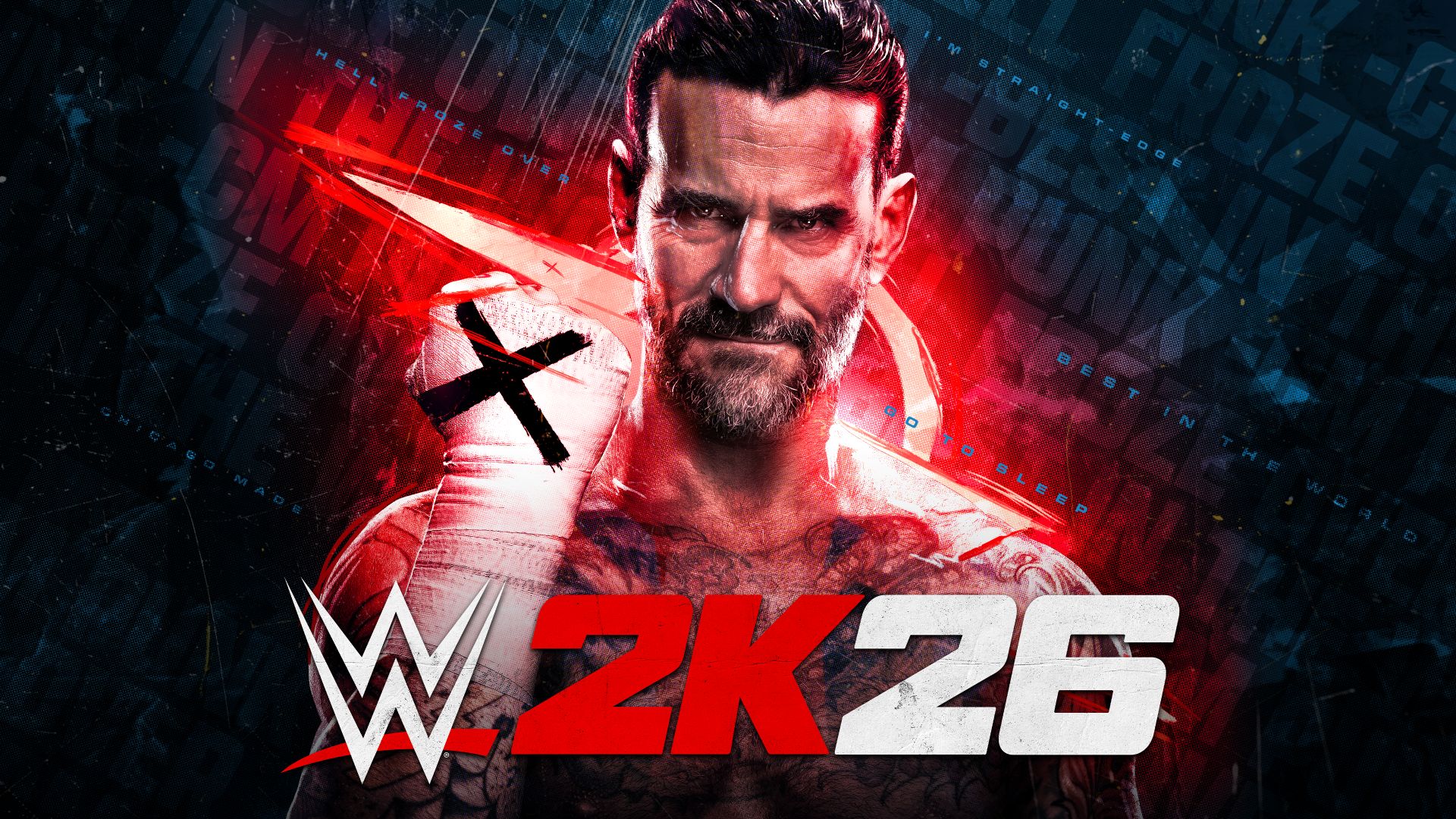
WWE 2K26 is scheduled to launch on March 13, 2026 across platforms including Nintendo Switch 2. So the real question becomes: how do we get ready, what should we expect the first time we boot it up, and what does this shift say about where Switch 2 physical releases are heading?
WWE 2K26 on Nintendo Switch 2 gets a physical release twist
WWE 2K26 arriving on Nintendo Switch 2 is already a big deal for wrestling fans who want a modern entry on Nintendo’s newest hardware, but the physical format choice is the part that quietly changes everyday buying habits. The Switch 2 version is set to be a Game-Key Card, which means the box is not just a display piece and it is not a one-and-done code scenario either. We still get a physical card to own, insert, and keep, and that matters because it restores a sense of ownership that code-only boxes tend to kill on contact. If you have ever tried to sell a code-only box and watched the offer drop to basically pocket change, you know the pain.
There is also a psychological side to it. A physical item feels like a commitment and a collectible, even if the bulk of the data lives on your system. That is why this announcement has people talking. It is not about nostalgia for plastic, it is about flexibility: lending, selling, trading, or simply keeping a library that still feels like a library. And yes, it also means we should think ahead about download size and storage, because “physical” here is a key plus a download, not a full install living on the card.

A quick reality check on the March 13 launch
Mark March 13, 2026 on the calendar if WWE 2K26 is on your radar, because that is the standard release date being communicated for the new entry. The timing matters for two reasons. First, it gives us a clear runway to plan: storage, internet, and whether we want to buy day one or wait for patches and price drops. Second, it frames the Game-Key Card decision as a launch strategy, not a vague “later” edition that might show up months after the digital version.
If you are the type who buys on release day, you know the drill. The closer we get to launch, the more we want everything to be frictionless: insert, install, play. A Game-Key Card can still deliver that smoother feeling than a code-only box, but it is not magic. We should expect a download step, and we should expect that the first boot might involve waiting, updating, or both. Think of it like arriving at a stadium early so you do not spend the whole main event stuck in the entrance line.
What a Switch 2 Game-Key Card really is
A Switch 2 Game-Key Card is basically your physical “ticket” to download the full game to your console through the internet. After the download is completed, the card still needs to be inserted to play, which keeps it closer to physical ownership than a box code ever could. The important detail is that you are not just buying a slip of paper with a string of characters on it. You are buying an actual card that functions as the key, and that key is required each time you want to launch the game.
This setup changes the relationship between the box on your shelf and the game on your system. The shelf item is no longer just a souvenir, and it is no longer something that becomes useless the moment a code is redeemed. Instead, it behaves more like a traditional physical game in day-to-day use, even though the data is downloaded. If you like the idea of physical collecting but also accept that modern games can be huge, this is Nintendo and publishers trying to meet both realities at once.
Why the card still matters after installation
Here is the part that makes Game-Key Cards click for most people: the card is still required to play after the game is downloaded. That one rule is what keeps resale, lending, and trading alive. Without the card, the game does not behave like a shareable physical purchase. With the card requirement, the system treats it more like a standard physical release, just with the heavy lifting moved to a download.
Practically, it also means we should treat the card like we would treat any physical game. If it goes missing under the couch, the game is not launching. If a friend borrows it, we cannot play until it comes back. That might sound obvious, but it is exactly the point: it restores the familiar “own and insert” rhythm that code-only boxes removed.
Where the Game-Key Card sits between physical and digital
Game-Key Cards sit in a middle lane. They are not fully physical in the classic sense, because we still download the game data. They are not fully digital either, because access is tied to a physical object rather than only an account license. So if we picture the options as a spectrum, code-only boxes are basically digital wearing a fake mustache, while Game-Key Cards are physical ownership with a modern install method. It is not perfect for everyone, but it is easy to see why many players prefer it over a code-only box.
Why Game-Key Card feels different from a box code
Box codes have one big problem: once the code is used, the box becomes a dead shell for anyone else. That affects resale value, trade-in options, and even the simple act of lending a game to a friend. A Game-Key Card avoids that trap because the “license” is effectively tied to the physical card. If you own the card, you own access. If you sell the card, you are passing that access on.
That is why this format can feel like a win even though it still requires downloading. It is not only about money, it is about choice. You can buy physical today, decide you are done in two months, and still turn it into store credit or cash. With a box code, you are locked in the moment you redeem. The minute you scratch that code and type it in, your exit door disappears.
Resale and trade-ins: why some players are cheering
If you trade games in, this is where the Game-Key Card decision really pays off. A physical item with ongoing access is something retailers can accept and resell, which means it retains at least some monetary value. That value might not be amazing, because trade-ins rarely are, but it is still value, and that is the key difference. A code-only box is often treated like a used gift card with zero balance. Nobody wants it.
There is also a collector angle. Even if you do not trade games in, knowing you could sell later changes how you feel about buying at full price. It lowers the risk. It is the difference between renting a seat forever and buying a ticket you can resell if your plans change. And for parents buying games for kids, or anyone on a budget, that flexibility is not a small perk. It is the kind of practical win that shows up months later when you are cleaning the shelf and deciding what stays.
The download step: what you should plan for
Let’s be blunt: a Game-Key Card still means downloading. So the smart move is treating launch day like a two-step process: get the card, then give the system time to pull the game down. If your internet is fast, this is mildly annoying and then you are playing. If your internet is slow or capped, this becomes the real hurdle, because you are not just popping in a card and going instantly.
The good news is that once the game is downloaded, starting it can feel like a typical physical experience as long as the card is inserted. The less-good news is that you need to be ready for the initial install and any updates that come with it. That is not unique to Switch 2, of course, but Game-Key Cards make it unavoidable to think about. If you want to play the moment you get home, plan the download like you would plan a long drive: snacks ready, power cable handy, and no pretending it will only take five minutes.
Storage and internet: the practical checklist
Because we are downloading the full game, storage is not optional planning, it is mandatory. Before you buy, it is worth checking your available space and deciding whether you need to archive older games, move data to a bigger storage option, or simply accept that your library needs a cleanup. Nothing kills hype faster than the console telling you there is not enough space right when you are ready to start. It is like showing up to a barbecue with no charcoal. You are technically present, but nothing is cooking.
Internet stability matters too. A download that fails halfway can be frustrating, especially if the system needs to verify files again. If you have the choice, a wired connection or strong Wi-Fi signal can make the process smoother. And if you share bandwidth with other people at home, launch night is the time to negotiate peace treaties. Ask nicely. Offer snacks. Do what you must, because nobody wants a choppy download because someone else decided it was the perfect moment to stream a 4K nature documentary.
What to expect when you boot it up the first time
The first boot experience for a Game-Key Card release tends to be straightforward but not instant. We insert the card, the system prompts the download, and once the base install is done, the game becomes playable with the card inserted. Depending on timing, we might also see updates queued immediately. That can mean a short wait or a longer one, and it is the reason planning matters. The goal is to get the “waiting” out of the way before you are in the mood to play.
After that, the day-to-day routine should feel normal. Insert card, launch game, play. If you remove the card, you lose access until it is back in. That is the trade-off that makes resale and lending possible. It is also why this format is more satisfying than a code-only box: it behaves like something you actually own, not a permission slip that vanishes the moment it is used.
Buying tips: choosing between physical and digital
So should we buy the Game-Key Card version or go fully digital? It depends on how you play and how you think about ownership. If you like the idea of trading, lending, or reselling, the Game-Key Card version has a clear advantage because the physical key carries value and can move to a new owner. If you hate swapping cards, travel often without bringing cases, or just want the cleanest “always there” experience, digital might still fit you better.
There is also a timing angle. If you buy physical on release day, you still need the download step, so the advantage is not faster access. The advantage is flexibility later. Think of digital as buying convenience up front, and Game-Key Card as buying options for the future. Neither is wrong. The best pick is the one that matches your habits, not the one that wins internet arguments.
The bigger pattern: why publishers are leaning this way
Game sizes keep growing, and publishers want physical releases without the cost or constraints of putting everything on a traditional game card. Game-Key Cards are a compromise that lets companies sell a physical product while shifting the heavy data load to downloads. For players, that can feel like a mixed bag: we gain resale and shelf presence, but we still need storage and internet. Still, compared to code-only boxes, this is a more player-friendly middle option because it restores the “own, insert, play” ritual while keeping modern distribution practical.
For Switch 2 owners, the bigger takeaway is that this format is likely to show up more often, especially for large games. WWE 2K26 is a good example because it is the type of modern sports title that can be huge and update-heavy. If we get used to Game-Key Cards now, we are basically training for the direction the market is already walking toward. Not sprinting, not tiptoeing, just walking steadily like it owns the sidewalk.
Conclusion
WWE 2K26 landing on Nintendo Switch 2 as a Game-Key Card is one of those decisions that sounds small until you picture how you actually buy and use games. It keeps the purchase physical in a meaningful way, because the card remains required to play and can be sold or traded later. At the same time, it makes the download step unavoidable, so storage space and internet quality become part of the buying decision. If you have been burned by code-only boxes before, this should feel like a relief. If you only care about instant access and never resell, digital may still be your simplest route. Either way, March 13 is the date to watch, and a little preparation now can save a lot of annoyance later.
FAQs
- Is WWE 2K26 on Switch 2 a code-only box?
- No. The Switch 2 physical release is described as a Game-Key Card, which is a physical card that acts as your key to download the full game and must be inserted to play.
- Can we resell or trade in a Game-Key Card version of WWE 2K26?
- Yes. Because access is tied to the physical card rather than a one-time code, it can retain resale and trade-in value like other physical games.
- Do we still need to download the game with a Game-Key Card?
- Yes. The card is your key to download the full game to the system via the internet, and you play with the card inserted after installation.
- What happens if we lose the Game-Key Card?
- If the card is required to play, losing it means you cannot launch the game until you have the card again, similar to losing a traditional physical game card.
- When does WWE 2K26 release on Nintendo Switch 2?
- The standard release date is March 13, 2026, with early access for certain editions starting March 6, 2026.
Sources
- Price, Release Date – WWE 2K26 – 2K Games, 2K Games, January 30, 2026
- Nintendo Switch 2 Game-Key Card Overview, Nintendo Support, (accessed February 2026)
- WWE 2K26: WrestleMania main eventer CM Punk is ready for clobberin’ time as cover star, Associated Press, January 31, 2026
- WWE 2K26 release date, editions, new match types, Ringside Pass system, Showcase mode and pre-order bonus revealed, Video Games Chronicle, January 31, 2026
- WWE 2K26 – Release Date, Pre-Orders, Platforms, & Modes, ScreenRant, February 2, 2026