














Summary:
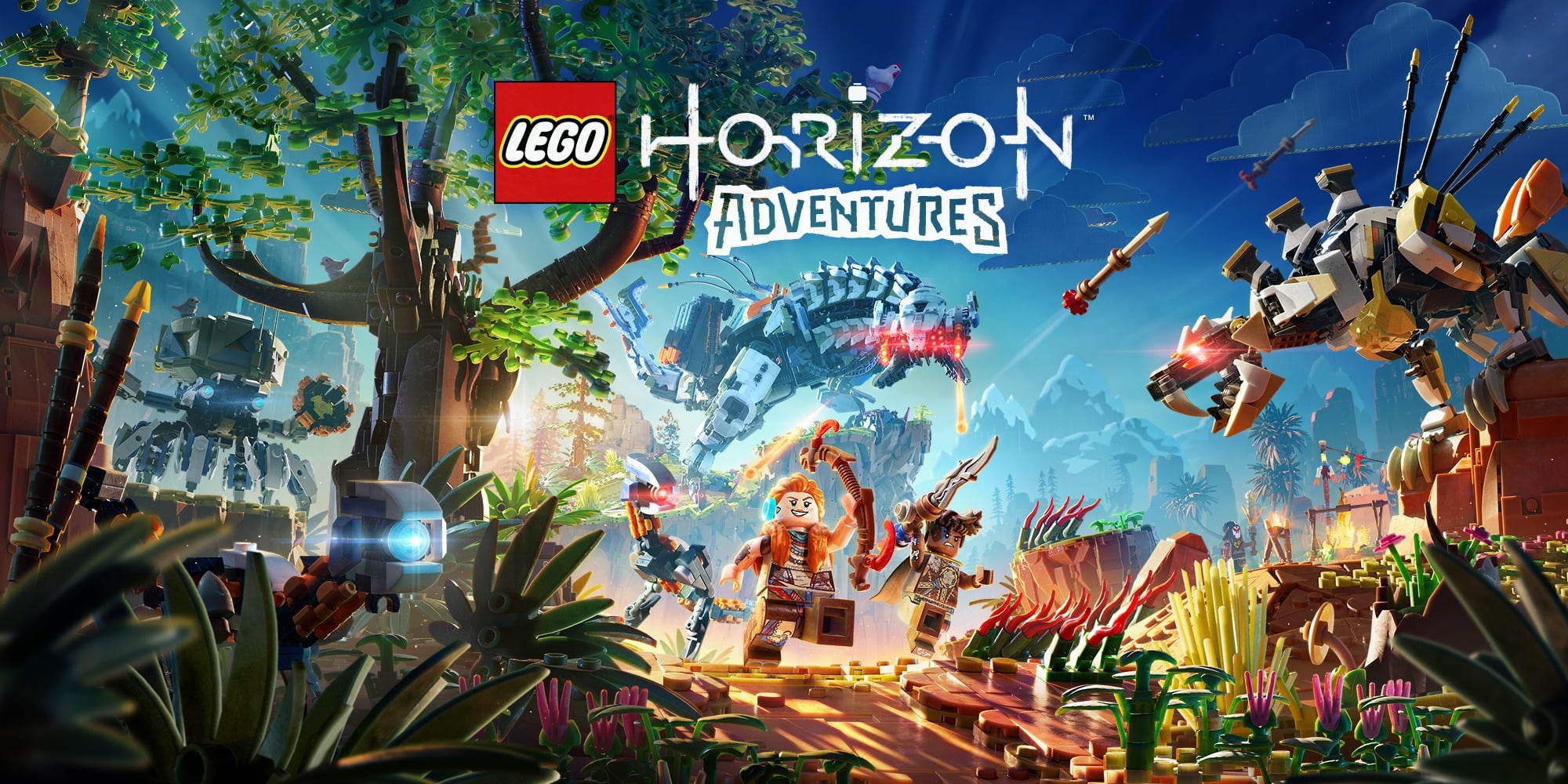
LEGO Horizon Adventures arriving on Nintendo Switch always stood out because it did not fit the usual picture people have of PlayStation publishing. Horizon is one of Sony’s best-known gaming series, so seeing a version of that universe land on Nintendo hardware immediately raised eyebrows. Recently, that conversation picked up speed again after KiwiTalkz stated on X that the Nintendo Switch release only happened because it was mandated by the LEGO Group. He also claimed that Sony still views Nintendo as direct competition. That combination is what has given the story its bite. It is not just about one release. It is about what that release may say regarding how Sony thinks, how LEGO negotiates, and how major brands can pull a project in directions that would not happen otherwise.
The key point here is that this remains an unofficial claim, not a confirmed statement from Sony, Guerrilla, or the LEGO Group. Even so, it lines up with why so many people found the Switch version surprising in the first place. LEGO Horizon Adventures has a family-friendly tone, bright visual identity, and broad appeal, which naturally makes Nintendo hardware seem like a comfortable fit. At the same time, the Horizon name belongs to Sony, and Sony does not usually place its character-driven series on Nintendo systems. That tension is what makes the situation so interesting. We are looking at a game that feels perfect for Switch on the surface, while possibly reflecting a business compromise behind the scenes. If the claim is accurate, then LEGO may have helped open a door that Sony would not normally unlock on its own. That possibility says a lot about the power of partnerships in modern gaming.
LEGO Horizon Adventures on Switch still feels unusual
When LEGO Horizon Adventures was first confirmed for Nintendo Switch, the reaction was immediate. A lot of players looked at the announcement and thought, “Wait, really?” That response made sense. Horizon is closely tied to PlayStation, and Sony has spent years building it as one of its major modern gaming brands. Nintendo, meanwhile, sits in that same console race, even if the two companies often appeal to players in very different ways. So when a Horizon project appeared on Switch, it felt like seeing a familiar face show up at the wrong family reunion and somehow fit in anyway. The LEGO angle softened that shock because LEGO games usually chase broad audiences, lighter energy, and cross-platform availability. Even then, the release still stood out because it crossed a line many people assumed Sony would keep in place.
What KiwiTalkz actually claimed on X
The latest discussion comes from KiwiTalkz, who said on X that LEGO Horizon Adventures only released on Nintendo Switch because it was mandated by the LEGO Group. He followed that up by saying the statement was not an educated guess, but information he knew, and added that Sony continues to view Nintendo as direct competition. Those are strong claims, and that is exactly why they spread so quickly. They offer a neat explanation for something that already seemed a little odd from the outside. At the same time, they are still unofficial. No public statement from Sony, Guerrilla, or LEGO has confirmed that the Switch version happened because of a requirement imposed by LEGO. So the claim is newsworthy because it is interesting and plausible to many fans, but it should still be treated with care rather than as settled fact.
Why this report has caught so much attention
This report has grabbed people because it helps explain a contradiction. On one side, LEGO Horizon Adventures looks tailor-made for Nintendo hardware. It is colorful, accessible, playful, and built around a toy brand that already has wide family appeal. On the other side, it is still Horizon, and Horizon is one of Sony’s franchises. That tension has been sitting in the background ever since the game launched. The KiwiTalkz claim gives fans a possible answer that feels clean and dramatic at the same time. Sony did not suddenly embrace Nintendo, the thinking goes – LEGO pushed for broader reach, and Sony went along because the partnership made it hard to say no. Whether that is true or not, people are paying attention because it matches the strange shape of the release. Sometimes the most talked-about rumors are the ones that snap neatly into an existing puzzle.
The LEGO Group may have had different priorities
If LEGO did push for a Nintendo Switch version, the logic would not be difficult to understand. LEGO is a global family brand first and foremost. It thrives on visibility, accessibility, and meeting audiences where they already are. Nintendo platforms are strong with younger players, families, and households that may not own a PlayStation 5 or a gaming PC. From LEGO’s point of view, keeping a playful project away from Nintendo hardware could feel like leaving bricks in the box. The whole point of a crossover like this is to widen the audience, not narrow it. That does not prove the claim, but it does explain why many people can imagine the LEGO Group taking that position in negotiations. For LEGO, platform reach can be just as important as brand consistency. For Sony, brand protection may matter more. That kind of tug-of-war happens in entertainment all the time.
Sony and Nintendo are still treated as rivals
The other part of the claim is just as important as the first. KiwiTalkz said Sony still sees Nintendo as direct competition. That idea will not surprise many industry watchers. Even though Sony and Nintendo often succeed in different ways and serve different audience habits, they are still competing for time, money, attention, and living room space. A player buying one console may delay or skip buying another. A family that spends its holiday budget on one platform may not stretch to a second one. Competition does not disappear just because business models differ. That is why a crossover release like LEGO Horizon Adventures stands out so much. It is not only about one game. It brushes against the larger question of how protective Sony remains over its franchises when Nintendo is sitting right across the table.
Why LEGO Horizon Adventures was easier to imagine on Switch
Of all the PlayStation-linked properties that could have reached Nintendo Switch, this one was among the easiest to picture. The LEGO presentation changes the temperature of the Horizon universe. Instead of a more serious action-adventure tone, players get something brighter, more playful, and more welcoming. That matters because Switch has long been associated with games that are simple to pick up and easy to share. LEGO also acts like a translator here. It takes a world that might otherwise feel too tied to one platform identity and turns it into something broader. The result is a game that does not feel like a traditional first-party migration, even though it still raises the same strategic questions. In other words, the Switch version made emotional sense to players long before anyone tried to explain the business logic behind it.
What the official launch tells us about platform strategy
Officially, what we know is straightforward. LEGO Horizon Adventures launched across PlayStation 5, PC, and Nintendo Switch, and the game was presented as a collaborative project involving Guerrilla, Studio Gobo, and the LEGO Group. That tells us the release was never hidden or treated like a quiet experiment. Nintendo availability was part of the plan the public saw. What official materials do not explain is how that decision was reached internally or who argued hardest for it. That gap is exactly where reports like this gain traction. Once a game is announced, the public sees the final plate on the table. It does not see the kitchen. Who chose the recipe, who changed the ingredients, and who insisted on adding one more platform are the questions that keep rumors alive. Sometimes those questions stay unanswered for years, if they are answered at all.
Why fans are separating fact from interpretation
One healthy sign in this conversation is that many fans are drawing a line between what is confirmed and what is inferred. The confirmed part is simple: LEGO Horizon Adventures launched on Nintendo Switch, PlayStation 5, and PC. The unofficial part is the claim that LEGO mandated the Switch release and that Sony still views Nintendo as direct competition in a way that directly shaped the situation. That distinction matters. It keeps the conversation honest. It also makes the discussion more interesting, oddly enough, because it forces people to weigh how believable the claim feels rather than treating it like a stamped press release. The internet loves certainty, even when certainty is wearing a fake moustache, but in cases like this a careful reading is better. The rumor is notable. The release itself is real. The motive behind it is still something to discuss, not something to declare closed.
What this could mean for future PlayStation projects
If the report is true, one takeaway is that major brand partners can influence where a game appears more than fans may realize. That does not automatically mean a flood of PlayStation properties is heading to Nintendo hardware. In fact, the claim points in the opposite direction. It suggests this may have been an exception created by the structure of the partnership, not a sign that Sony has changed its overall approach. That distinction is important because players often turn one unusual release into a forecast for the next ten. Business rarely works that neatly. A LEGO crossover is not the same thing as a standard PlayStation franchise rollout. A brand collaboration can carry its own priorities, audiences, and negotiation pressures. So rather than reading this as proof that Sony is softening broadly, it may make more sense to view it as a special case where a partner had unusual leverage.
The bigger picture around brand partnerships and platform reach
Big entertainment partnerships are like three people trying to steer the same shopping cart through a crowded aisle. Everyone wants to get somewhere, but not always by the same route. Sony wants to protect and strengthen its intellectual property. LEGO wants maximum visibility and appeal for a family-facing product. Development partners want the project to succeed creatively and commercially. Those interests can overlap beautifully, until they do not. When they clash, the final release can reveal more compromise than ideology. LEGO Horizon Adventures may be a textbook example of that. Even without confirmed behind-the-scenes details, the release already shows how flexible cross-brand projects can become when multiple priorities meet. Platform strategy is not always a rigid fortress. Sometimes it is more like a drawbridge that lowers when the right partner arrives with enough weight behind the request.
Why this story keeps resonating with players
People are still talking about this because it touches on something larger than one LEGO spin on Horizon. Players love reading platform moves like tea leaves. A single release can spark arguments about corporate rivalry, future ports, publisher confidence, and the shape of the industry. That may sound dramatic, but gaming fans have always been part detective, part sports commentator, and part neighborhood gossip committee. LEGO Horizon Adventures on Switch gave everyone material to work with. Then the KiwiTalkz claim added another layer by suggesting the release happened not because Sony wanted it, but because LEGO insisted on it. That turns a surprising launch into a story about influence and power. Whether the claim is ever publicly confirmed or not, it has staying power because it fits a broader debate players already care about.
How to read the situation without overstating it
The smartest way to look at this situation is with balance. It is fair to say the Nintendo Switch version of LEGO Horizon Adventures was surprising. It is fair to say the LEGO branding makes the fit feel more natural. It is also fair to say that an unofficial report claiming LEGO mandated the release helps explain why the project landed where it did. What is not fair is pretending that an unofficial claim has become confirmed company policy. That jump is where online discussions often wobble like a shopping cart with one broken wheel. The evidence supports interest, not certainty. So the best reading is this: the claim is notable, the official multi-platform release is real, and the broader question of how much influence LEGO had remains open unless one of the companies involved decides to address it directly.
Conclusion
LEGO Horizon Adventures on Nintendo Switch remains one of those releases that instantly tells you there is more going on behind the curtain than a standard platform announcement. Recently, KiwiTalkz added a striking explanation by claiming the LEGO Group mandated the Switch version and that Sony still sees Nintendo as direct competition. That framing has spread quickly because it gives players a clear reason for a launch that always felt a little unexpected. Still, the key word is claim. Officially, we know the game launched across PlayStation 5, PC, and Nintendo Switch as a collaboration involving Guerrilla, Studio Gobo, and the LEGO Group. Unofficially, we now have a report that suggests LEGO may have been the force that pushed the game onto Nintendo hardware. Until one of the companies confirms that, the strongest position is to treat it as a credible talking point rather than a locked fact. Even so, the story highlights something worth watching: when a powerful partner is involved, platform strategy can become a lot more flexible than fans expect.
FAQs
- Did Sony officially confirm that LEGO forced the Switch release?
- No. There has been no official public confirmation from Sony, Guerrilla, or the LEGO Group stating that the Nintendo Switch version was mandated by LEGO.
- What exactly did KiwiTalkz claim?
- KiwiTalkz said on X that LEGO Horizon Adventures only released on Nintendo Switch because it was mandated by the LEGO Group, and also claimed Sony still sees Nintendo as direct competition.
- Why does the rumor sound believable to many players?
- Many players think it sounds believable because LEGO is a broad family brand, Nintendo hardware fits that audience well, and Horizon is otherwise closely associated with PlayStation.
- Does this mean more PlayStation franchises are likely coming to Nintendo systems?
- Not necessarily. Even if the claim is accurate, it could reflect a unique partnership situation rather than a major shift in Sony’s overall platform strategy.
- What is the safest takeaway right now?
- The safest takeaway is that LEGO Horizon Adventures did launch on Nintendo Switch, but the reported reason behind that move remains unofficial and should be treated carefully.
Sources
- Oh look more twisting of my words again. I never said that …, X, March 5, 2026
- KiwiTalkz: Decision to bring LEGO Horizon to Nintendo Switch was mandated by LEGO Group, My Nintendo News, March 5, 2026
- LEGO Horizon Adventures launches November 14, Digital Deluxe Edition detailed, PlayStation.Blog, September 24, 2024
- LEGO Horizon Adventures launches today with new trailer, PlayStation.Blog, November 14, 2024
- LEGO Horizon Adventures, LEGO, Accessed March 6, 2026
- LEGO Horizon Adventures for Nintendo Switch, Nintendo, November 14, 2024