














Summary:
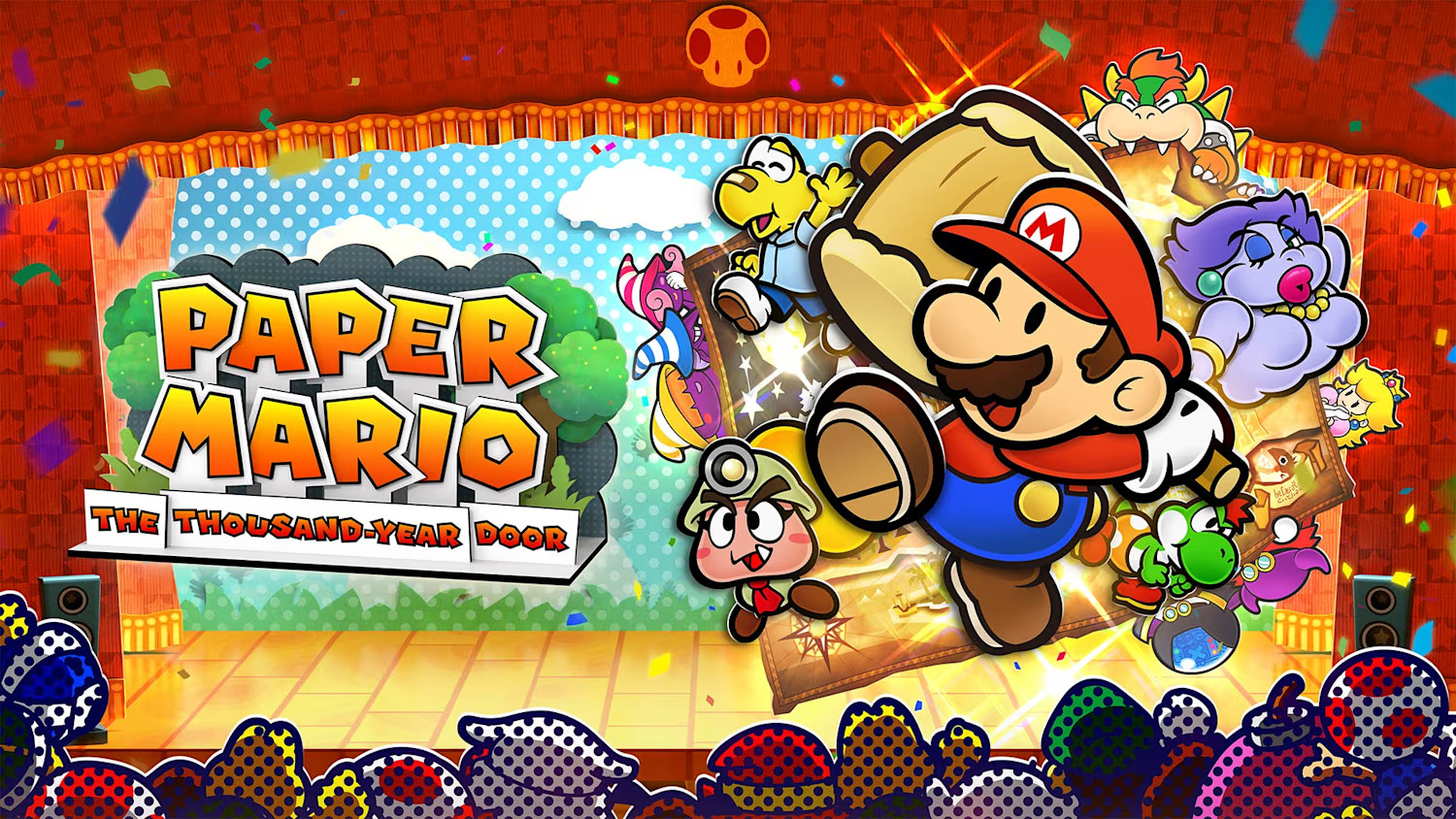
Nintendo’s recent remake of the beloved classic, Paper Mario: The Thousand-Year Door, has made significant waves in the gaming community and the company’s sales figures. Released earlier this year for the Nintendo Switch, the remake has impressively sold 1.94 million units, surpassing the original GameCube version’s lifetime sales of 1.91 million. This achievement positions the remake as the fourth highest-selling game in the Paper Mario series, trailing only behind Sticker Star, Origami King, and Super Paper Mario. The continued sales momentum is expected to persist, especially with the anticipated release of the Switch’s successor, which promises backwards compatibility. This ensures that fans can continue to enjoy the remake on the latest hardware, potentially boosting sales even further. The game’s success underscores the enduring popularity of the Paper Mario franchise and Nintendo’s ability to rejuvenate classic titles for modern audiences.
Paper Mario: The Thousand-Year Door Remake Sales
This year marked the return of a beloved classic as Nintendo released a remake of Paper Mario: The Thousand-Year Door for the Nintendo Switch. Originally a standout title for the GameCube, the remake brings enhanced graphics and updated gameplay mechanics to both new and returning fans.
Sales Milestones Achieved
In a recent financial results briefing, Nintendo announced that the remake has sold an impressive 1.94 million units since its release. This milestone highlights the game’s strong reception and the effective strategies employed in its promotion.
When compared to the original GameCube version, which achieved lifetime sales of 1.91 million, the remake has not only matched but slightly surpassed its predecessor. This is a notable achievement, considering the original’s established fan base.
Ranking Among Paper Mario Titles
With these sales figures, the Thousand-Year Door remake secures its position as the fourth highest-selling game in the Paper Mario series. It trails behind Sticker Star, Origami King, and Super Paper Mario, all of which have garnered significant sales numbers over the years. Several factors contribute to the remake’s success. Enhanced graphics, updated gameplay, and the nostalgia factor play pivotal roles. Additionally, the Switch’s popularity as a console provides a robust platform for the game’s distribution.
Backwards Compatibility and Future Sales
The anticipation surrounding the Switch’s successor has not dampened the remake’s sales. On the contrary, the promise of backwards compatibility ensures that the game will remain accessible to a broad audience, potentially driving further sales as new consoles release. With the upcoming Switch successor, players can look forward to continued support for their favorite titles. This seamless transition between consoles encourages ongoing engagement and investment in the Nintendo ecosystem.
Player Reception and Feedback
Feedback from players has been overwhelmingly positive. Reviews highlight the faithful recreation of the original game’s charm, coupled with modern enhancements that improve the overall gaming experience.
Nintendo’s strategic marketing campaigns have effectively targeted both long-time fans and newcomers. Utilizing social media, gaming conventions, and exclusive previews, the company has maintained a high level of interest and anticipation leading up to the remake’s release.
Future Prospects for Paper Mario Series
The success of the Thousand-Year Door remake bodes well for the future of the Paper Mario series. With consistent sales and a dedicated fan base, Nintendo is well-positioned to continue expanding the franchise with new titles and remakes. Given the remake’s performance, there is a strong possibility that Nintendo will consider developing additional titles within the Paper Mario universe, further enriching the series and offering more adventures for Mario fans.
Nintendo’s commitment to engaging with the community through updates, events, and interactive platforms ensures sustained interest and support for the Paper Mario series moving forward.
Conclusion
Nintendo’s remake of Paper Mario: The Thousand-Year Door has not only honored the legacy of the original GameCube title but has also surpassed its sales, establishing itself as a formidable entry in the series. With the backing of a dedicated fan base, strategic marketing, and the promise of future support through backwards compatibility, the remake is poised for continued success. As Nintendo looks ahead to its next console, the enduring popularity of Paper Mario underscores the franchise’s significant role in the company’s lineup, promising exciting developments for fans and new players alike.
Frequently Asked Questions
- When was the Paper Mario: The Thousand-Year Door remake released?
- The remake was released earlier this year for the Nintendo Switch.
- How does the remake compare to the original GameCube version?
- The remake features enhanced graphics and updated gameplay mechanics while retaining the charm of the original.
- What are the sales figures for the remake?
- The remake has sold 1.94 million units since its release.
- Will the remake be available on future Nintendo consoles?
- Yes, with the upcoming Switch successor supporting backwards compatibility, the remake will be accessible on new hardware.
- Is there potential for more Paper Mario titles in the future?
- Given the remake’s success, it’s likely that Nintendo will continue to develop and expand the Paper Mario series.
Sources
- Paper Mario: The Thousand-Year Door’s remake has surpassed sales of the GameCube original, Nintendo Wire, November 5, 2024
- Paper Mario: The Thousand-Year Door On Switch Has Already Outsold The GameCube Original, Nintendo Life, November 5, 2024
- Paper Mario The Thousand-Year Door On Switch Has Surpassed Original Version’s Sales, The Outerhaven, November 5, 2024
- Paper Mario: The Thousand-Year Door has sold 1.76 million units since launching in May, Shacknews, August 2, 2024
- Paper Mario: The Thousand-Year Door Was Nintendo’s Best-Selling Switch Game In May 2024 (US), Nintendo Life, July 2, 2024