














Summary:
Patapon 1+2 Replay bundles two beloved rhythm-action adventures in a single, turbo-charged package for Nintendo Switch. We revisit the hypnotic drum-based commands that defined handheld gaming in 2007 and 2008, explore the fresh support features that make timing easier than ever, and break down every visual, audio and quality-of-life upgrade hiding beneath the cute exterior. Whether you’re a returning Mighty or someone who’s never led an eyeball army to Earthend, this deep dive unpacks the gameplay loop, explains how to craft the ultimate Patapon squad, and highlights why July 11 2025 is shaping up as a red-letter day for rhythm fans. We also share practical tips for mastering Fever Mode, outline new co-op options, and capture community excitement sparked by the recent “Gameplay Overview” trailer. By the end, you’ll know exactly why the chant “Pata-Pata-Pata-Pon!” still echoes in players’ hearts after all these years.
Patapon Returns: The Beat Never Stops
The moment that first war-drum thump hits, muscle memory snaps back to life. We feel the pulse in our thumbs, recall the cadence of four timeless syllables, and remember why Patapon became a cult phenomenon in the first place. In Patapon 1+2 Replay, Bandai Namco doesn’t just re-package two PSP classics; it invites a new generation of players to experience a rhythmic tug-of-war where every command is literally music to your troops’ ears. The Switch version lets us take the march anywhere—train rides, lunch breaks, late-night couch sessions—while the bigger screen and sharper resolution make every googly eye gleam. Nostalgia is powerful, yet Replay succeeds because it respects that nostalgia enough to polish, tweak and modernise without losing the primal joy of beating virtual drums. It’s a celebration of timing, improvisation and communal chanting, wrapped up in an art style that looks like a pop-up book come to life.

A Legacy Forged on PSP
Back in 2007, the original Patapon exploded onto Sony’s handheld with a premise so simple it felt brave: issue commands by drumming out four-beat patterns. Success rested on the player’s ability to keep perfect time while adapting tactics on the fly—a rhythm game disguised as a strategy campaign. Patapon 2 doubled down a year later by introducing the Hero unit, deeper customisation and more elaborate bosses. These games became synonymous with on-the-go fun, carving out a niche somewhere between Pikmin’s unit management and a metronome. Replay honours that portable legacy while giving the adventure room to breathe on modern displays. We can still hear playground legends about conquering Dodonga the Fire Dragon on a flickering PSP screen; now, those stories can unfold at a crisp 1080p in docked mode or vibrant 720p handheld.
From Portable Drums to Console Glory
Translating Patapon’s rhythm action to Switch isn’t as simple as blowing up assets. The development team re-rendered backgrounds, tweaked colour palettes to pop on OLED displays, and remastered the soundtrack so every Don, Chaka and Pata resonates through modern speakers. Joy-Cons and Pro Controllers also offer tighter analog sticks for timing adjustments, something PSP face buttons never quite mastered. While we lose the original’s physical volume slider, we gain HD rumble that subtly mirrors drumbeats—an elegant cue for players who might miss a visual prompt. It’s like switching from a trusty travel guitar to a full-bodied electric: the melody stays the same, but the resonance fills the room.
Core Gameplay: Rhythm and Tactics
At its heart, Patapon is a conversation. We call out a four-beat pattern, and our army answers in song. Marching forward (“Pata Pata Pata Pon”), attacking (“Pon Pon Pata Pon”) and defending (“Chaka Chaka Pata Pon”) become second nature, yet the battlefield never stops shifting. Each stage throws new terrain, weather effects and enemy types our way, forcing quick mental arithmetic: Should we risk another charge, or hold a shield stance until that swooping Wyvern passes overhead? The joy comes from syncing instinct with percussion, turning button taps into a hypnotic dance. Miss a beat and the troops stumble; nail a combo and Fever Mode kicks in, doubling damage and creating a symphony of war cries. It’s pick-up-and-play accessible, but the pursuit of flawless timing offers endless mastery.
The Four Sacred Drum Commands
Just four drums—Pata, Pon, Don and Chaka—power an entire army. That minimalism breeds creativity. Think of them as linguistic syllables: combine them to form verbs like “advance,” “retreat,” and “charge,” then string those verbs into strategic sentences. For instance, sending a Tatepon shield wall forward with “Pata Pata Pata Pon” before ordering Yumipon archers to pepper foes with “Pon Pon Pata Pon” feels like conducting a tiny orchestra. Replay’s constant drum-icon option keeps the command map visible, helping newcomers memorise patterns without pausing. Veterans chasing perfect chains can toggle the HUD off for extra swagger. It’s the same reassuring call-and-response mechanic, yet now we can fine-tune timing in the settings if latency creeps in—a blessing for modern TVs.
Quality-of-Life Upgrades in Replay
We’ve all fumbled a rhythm sequence because a toddler tugged the Joy-Con or a cat wandered across the screen. Replay anticipates real-world chaos with three difficulty modes—Easy, Normal and Hard—plus a timing adjustment slider that compensates for display lag. The ability to keep drum icons visible at all times reduces mental overhead, freeing players to focus on enemy patterns instead of pulse counting. Autosave checkpoints are more generous, and loading screens now include quick-tip pop-ups rather than static art. Accessibility tweaks extend beyond gameplay: text localisation covers nine languages, and colour-blind filters make elemental cues easier to read. These additions prove that respect for the original doesn’t mean stubbornly clinging to old frustrations.
Visual and Audio Enhancements
Patapon’s silhouette art has always resembled a living shadow-puppet play, but HD textures reveal delightful subtleties unseen on PSP. Feathered arrows glint in sunlight; rainstorms leave glossy puddles that reflect dancing campfires. Animations run at 60 fps, smoothing out the jitter that occasionally plagued older hardware. Audio receives equal love: the iconic chant samples have been re-recorded with higher bitrate, and a new surround mix lets ambient drums echo behind the player. Plugging in headphones feels like standing amid a festival parade—each beat spatially distinct, with kik drums thudding underfoot while soft chimes flutter overhead. It’s proof that visual fidelity and sound design can elevate a game’s rhythm without overshadowing its minimalist charm.
Building and Customising Your Patapon Army
Strategy hinges on unit variety. We start with humble Yaripon spear-throwers, but soon unlock the resilient Tatepon, agile Kibapon cavalry and explosive Megapon bombardiers. Replay resurrects the bustling Patapon village hub, where we can smelt ore into helmets, combine monster drops into elemental spears and hatch rare classes via the Tree of Life mini-game. Over 400 weapons and gear pieces translate into countless squad builds, and new UI filters let us sort by damage type, weight or rarity. Hunting missions return, rewarding precise timing with meat and hides that evolve basic troops into legendary forms. It’s a satisfying feedback loop: drum well, gather loot, strengthen the battalion, drum even better.
Weapon Types and Classes
Narrowing a favourite load-out feels like choosing instruments for a band. Do we equip Yumipon archers with fire-tipped arrows to roast wood-based foes, or give them ice shafts that slow aggressive Karmen tribesmen? Kibapon lances gain lightning properties that stun flying enemies, while Megapon horns unleash sonic booms best suited for crowd control. Mixing elements isn’t just cosmetic; it influences Fever multipliers and dictates whether a boss staggers or counters. Replay’s equipment screen now displays DPS charts and elemental affinities, trimming spreadsheet guesswork. We can even preview attack animations before committing materials—no more crafting a rare weapon only to discover it clashes with our timing rhythm.
Multiplayer and Local Co-op Fun
Patapon 2’s ad-hoc boss hunts were legendary among PSP owners, and Replay revives them through local wireless on Switch. Up to four players sync beats to topple gargantuan beasts, sharing loot and revelling in chaotic chants. The host sets drum timing, ensuring everyone marches to the same metronome, while a shared Fever bar encourages teamwork: break rhythm and the whole squad loses momentum. Portable co-op transforms lunch breaks into impromptu jam sessions, and docked play lets living rooms erupt in tribal cheers. It’s easy to imagine distant friendships rekindled through rhythmic rivalry—who can keep the chain alive longest under pressure?
Release Information and Editions
Patapon 1+2 Replay marches onto Nintendo Switch globally on July 11 2025, with PlayStation 5 and PC versions dropping the same day. A standard digital copy lands at an accessible price, while a Deluxe Edition layers in a 40-track soundtrack, a digital artbook and exclusive golden drum skins for in-game use. Pre-ordering on the Nintendo eShop unlocks a special “Retro Hero” mask inspired by the original PSP cover art, along with early access to the Training Ground stage. Physical collectors can grab a cartridge bundle that ships in a faux-leather drum pouch—perfect mantelpiece material for die-hard fans.
Community Buzz Around the Trailer
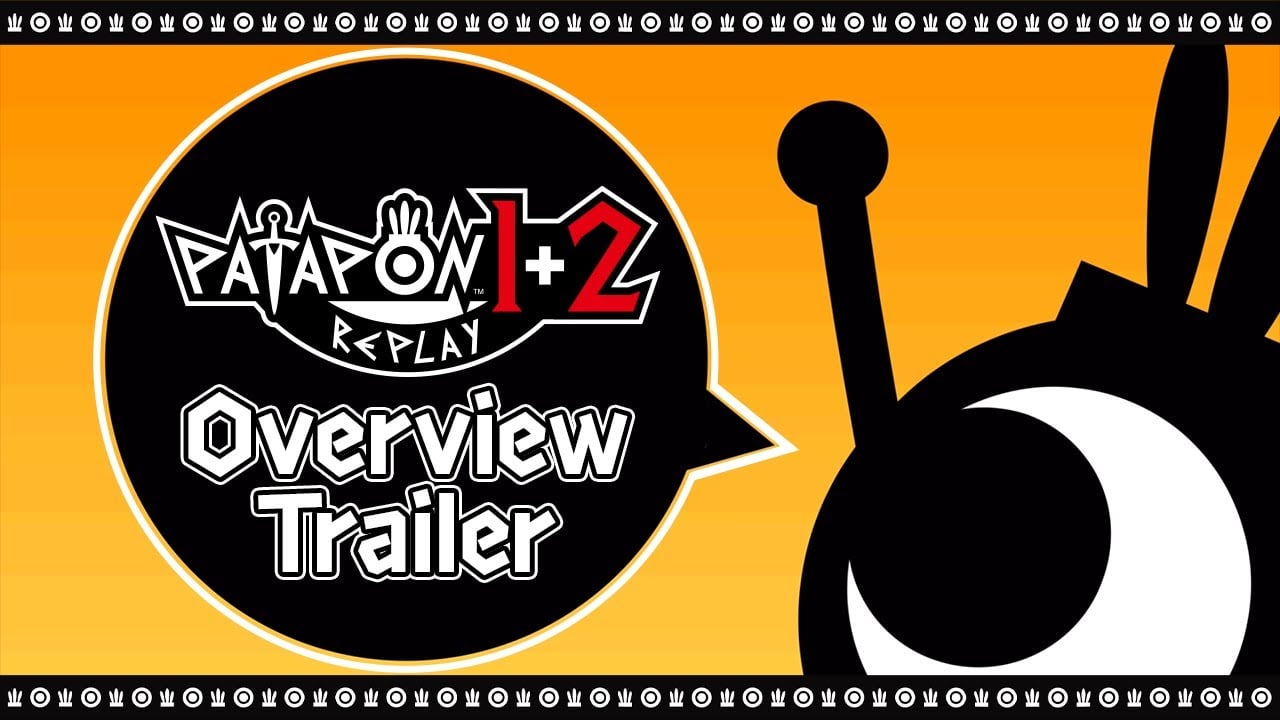
The recent “Gameplay Overview” trailer spread like wildfire across social media, racking up reaction videos dissecting every animation tweak. Long-time fans cheered the new UI clarity, while rhythm newcomers praised the difficulty options. Memes erupted around the adorable Masked Hero dancing to an EDM remix, and hashtags like #PataPonOnSwitch trended within hours. Influencers who missed the PSP era admitted surprise at how tactical the game looks beneath the cute wrapper, comparing it to a musical version of Advance Wars. The consensus? Replay has potential to be the sleeper hit of summer 2025—an antidote to big-budget photorealism and a reminder that style and substance can coexist without 200 GB installs.
Strategies for New Players
If the idea of drumming gives you stage fright, remember: Patapon rewards consistency over speed. Start in Easy mode to internalise rhythm patterns, then gradually raise the stakes. Use practice missions to test new commands without penalties, and pay attention to the sound of your own button presses—treat the Joy-Con as a percussion block. Don’t hoard materials; early upgrades snowball power quickly, making later hunts less daunting. When Fever Mode triggers, resist the urge to mash; maintain tempo and watch damage soar. Above all, listen: the game’s soundtrack doubles as a metronome, guiding inputs even when eyes are glued to enemy animations.
Mastering Fever Mode
Think of Fever Mode as a rhythmic adrenaline rush. Every perfectly timed command fills a combo counter; reach ten beats, and your army enters a heightened state where attacks hit harder, arrows fly farther and morale skyrockets. The trick is breathing through the excitement—many players break rhythm the instant Fever begins. Count beats softly under your breath, and tap buttons a hair early rather than reacting to on-screen flashes (visual latency can betray you). Equip lighter classes like Yaripon during practice sessions; their shorter animations leave wider timing windows. Once the rhythm lives in muscle memory, swap in heavier hitters like Dekapon to maximise Fever DPS.
Bandai Namco’s roadmap hints at periodic challenge stages, time-limited hunts and cross-platform leaderboards tracking highest Fever chains. Dataminers have already unearthed placeholder icons for seasonal drum skins, suggesting cosmetic events tied to holidays. While no DLC expansions are confirmed, community polls show appetite for a Patapon 3 remaster in the same engine. For now, Replay’s twin campaigns offer dozens of hours of rhythmic conquest, and the prospect of free post-launch updates keeps the beat marching well into 2026.
Conclusion
Patapon 1+2 Replay is more than a remaster; it’s a rhythmic revival that bridges handheld history with modern playstyles. We drum, we strategise, and we watch an army of googly-eyed warriors sing our commands back at us—a delightful reminder that games can be both charmingly simple and fiendishly deep. On July 11, grab your Joy-Con, feel the beat, and lead the Patapons toward Earthend once again. The chant awaits: Pata Pata Pata Pon!
FAQs
- Is Patapon 1+2 Replay a remake or a remaster?
- It’s a remastered bundle featuring upgraded visuals, audio and new support features while preserving original gameplay.
- Does the Switch version support motion controls?
- No—commands rely on button timing for precision; motion would introduce unwanted latency.
- Can I adjust input lag on my TV?
- Yes, Replay includes a timing adjustment slider so you can offset display latency and stay on beat.
- Is local co-op available at launch?
- Absolutely—up to four players can team up via local wireless to tackle dedicated boss missions.
- Will my save transfer between Switch and PC?
- Cross-save isn’t supported at launch, but cloud backup works within each platform’s ecosystem.
Sources
- PATAPON 1+2 REPLAY | Official Site, Bandai Namco, March 27 2025
- PATAPON 1+2 REPLAY for Nintendo Switch, Nintendo.com, July 11 2025
- Patapon 1+2 Replay Releases New Overview Trailer, BleedingCool, June 21 2025
- Patapon 1+2 Replay announced for PS5, Switch, and PC, Gematsu, March 27 2025