














Summary:
Something rare happened in the modern physical game tug-of-war: a publisher listened, recalculated, and changed course. ININ Games confirmed that the Nintendo Switch 2 version of R-Type Dimensions III will ship on a full physical cartridge across the European and US production run. That’s the kind of detail collectors obsess over, because it decides whether you truly own a playable game in the box or you’re holding a fancy permission slip that still asks for a big download. ININ’s message framed the shift as newly possible thanks to smaller cartridge options entering the picture, which is why the announcement immediately lit up discussions about what formats Nintendo is making available behind the scenes.
There’s a catch, and it’s the kind you can feel at the checkout screen. ININ says the retail and special edition pricing for the Switch 2 version will increase by €10, pointing to higher production costs. At the same time, the company carved out a clear “thank you” for early supporters: anyone who pre-ordered the special edition early keeps the original price they paid, while still getting the game on cartridge. That combo of good news and real-world cost is basically the story of physical releases in 2025: fans want the real thing, publishers want to deliver it, and manufacturing math keeps trying to punch the controller out of everyone’s hands.
What makes this update stick is how practical it is. It doesn’t just say “we hear you.” It spells out what’s changing, where it applies, what it costs, and who gets protected from the price bump. And it also forces an important distinction: what a publisher can confirm about its own release is not the same as what Nintendo has publicly detailed about cartridge capacities. That gap matters, because it’s where rumors grow legs. So we’re left with a clear takeaway you can act on: for R-Type Dimensions III on Switch 2, ININ is committing to a true cartridge release, even if the wider cartridge-size story is still unfolding.
What changed for R-Type Dimensions III on Nintendo Switch 2
ININ Games’ update boils down to one big switch that physical fans actually care about: the Nintendo Switch 2 edition of R-Type Dimensions III is now planned to ship on a full cartridge for the European and US production run. That means the game is intended to be playable from what’s inside the box, rather than leaning on a format that behaves like a “key” while the real install happens through a download. If you’ve ever opened a case expecting a classic plug-and-play moment and instead got hit with a giant download bar, you already know why this matters. ININ also attached real consequences to the decision, because manufacturing doesn’t run on vibes. The Switch 2 retail and special edition prices are increasing by €10, and the company explicitly ties that bump to higher production costs. The twist that softens the blow is that early special edition pre-orders keep their original price, which is a surprisingly consumer-friendly move in an era where price changes often arrive with a shrug and a “terms may vary.”
Why cartridge size options matter on Switch 2
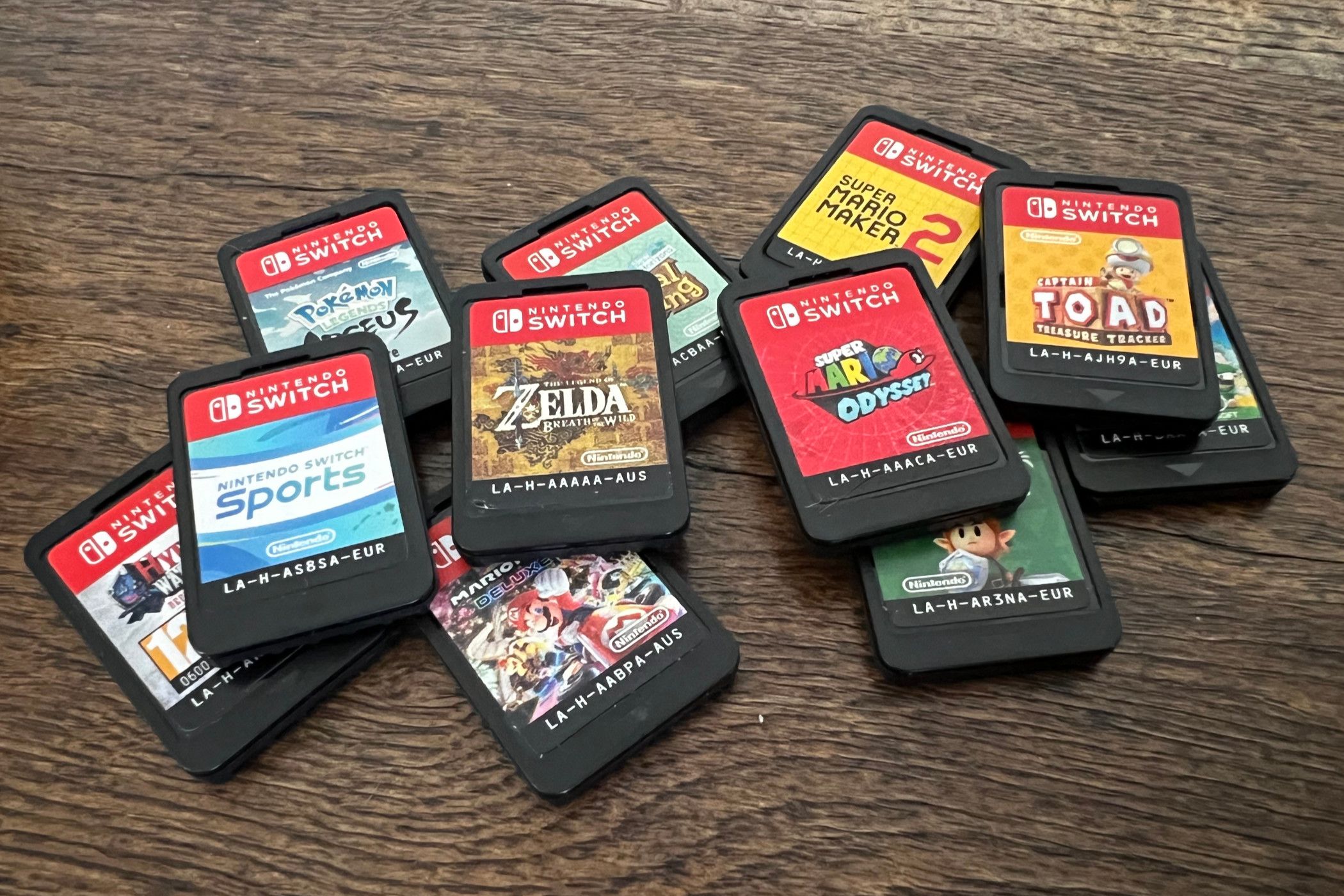
Cartridge size options sound like a nerdy supply-chain detail, but they shape what ends up on store shelves and how it’s priced. Think of it like trying to pack for a trip when your suitcase only comes in “tiny backpack” or “moving van.” If your game is small, a huge cartridge can feel wasteful and expensive. If your game is large, forcing it onto one high-capacity option can make the physical version financially awkward, especially for smaller publishers who don’t have blockbuster margins to hide the cost. That’s why any hint of more sizes instantly turns into a bigger conversation about physical releases as a whole. It’s not just about one shoot-’em-up getting the deluxe treatment. It’s about whether publishers can choose a format that matches their game’s footprint without paying a premium that forces uncomfortable choices: raise the price, switch to a key-style format, or skip physical entirely. ININ’s update landed right in the middle of that pressure cooker.
The 64GB baseline and why it gets expensive
When only a top-tier capacity is treated as the default option for a physical release, the economics can get weird fast. High-capacity media costs more to produce, and that cost doesn’t politely stay behind the curtain. It tends to pop up in one of three places: the consumer price, the publisher’s margins, or the physical format choice. For a publisher, that’s a constant balancing act, like trying to keep a spaceship steady while every system alarm is screaming at once. You want the version in a box to feel like the “real” version, but you also need a price that doesn’t make customers feel punished for choosing physical. ININ essentially described this kind of recalculation problem in plain language: a production plan became possible now in a way it wasn’t before. That single line tells you everything about how tight the math was. The moment manufacturing costs shift even a little, decisions that were previously “nope, can’t do it” suddenly become “okay, we can make this work, but it will cost €10 more.”
Game-key cards and why players argue about them
Game-key cards sit in a weird middle ground that sparks arguments because they look physical but behave digital. On one side, some players like that they can still buy a box, lend it, resell it, and keep something tangible on a shelf. On the other side, the whole point of buying physical for many people is independence from future servers, storefront changes, and storage juggling. A key-style format can feel like ordering a pizza and receiving a receipt that says, “Congrats, you now have the right to smell pizza, please download the toppings.” That’s dramatic, sure, but it captures the emotional point: players don’t just want ownership, they want certainty. ININ’s community response highlights that this isn’t a tiny niche preference either. The company openly thanked people for the passionate discussion and feedback, and it framed that push as part of what made the new solution possible. When a publisher calls out community pressure as a real factor, that’s a sign the argument isn’t going away quietly.
ININ Games’ decision and what “full cartridge” means in practice
“Full cartridge” sounds simple, but it carries practical implications for how you buy, play, and preserve the game. In day-to-day terms, it’s the difference between popping the game in and playing right away versus treating the box as the first step in a longer install ritual. It also changes how the purchase feels years from now. A true on-cartridge release tends to age better, because it’s less dependent on storefront availability, patches staying hosted, or your storage situation being generous. That doesn’t mean updates will never exist, because modern games patch for all kinds of reasons, but it does mean the base product is more self-contained. ININ’s update is also unusually specific about scope: it’s not a vague “we’re looking into it.” It’s a commitment for the European and US production run. That’s a concrete promise you can hold the company to, and it’s the kind of clarity people have been begging for when physical formats get messy.
European and US production details
ININ didn’t bury the lede or hide behind regional ambiguity. The company stated that the entire European and US production of the Nintendo Switch 2 version will release on a full physical cartridge. That matters because physical releases can be inconsistent across regions, with one territory getting one format and another getting a different one, sometimes without clear labeling until boxes start showing up in the wild. By spelling out the EU and US scope, ININ is telling buyers exactly what to expect if they’re ordering from those markets. It also helps collectors avoid the worst-case scenario: importing a version you assume is fully on-cartridge, only to discover it’s not. If you’re the kind of person who keeps a sealed shelf copy and a play copy, this sort of clarity is gold. And if you’re not that person, it still helps, because it reduces the risk of surprise downloads when you just want to play the game you paid for.
What the €10 price increase is really paying for
Price hikes always sting, but the reason behind them matters because it tells you whether you’re being upsold for fluff or covering a real cost shift. ININ tied the €10 increase specifically to higher production costs for the Switch 2 version’s retail and special edition. In other words, this isn’t framed as “we think the market will pay more.” It’s framed as “this is what it costs to manufacture the format you asked for.” If you’ve ever wondered why some physical releases feel like premium items even when the game isn’t a huge blockbuster, this is the answer in motion. Physical media isn’t just plastic and a label. It’s manufacturing slots, component costs, logistics, packaging, and the risk of producing inventory that might sit. ININ is essentially choosing the path that makes collectors happiest while admitting the bill is higher. The company is also being honest about the trade: better format, slightly higher price, and a goodwill carve-out for early supporters.
Why physical manufacturing can be the hidden boss fight
For players, the hardest part of a shoot-’em-up is usually the screen-filling chaos. For publishers, the hardest part can be everything that happens before the game ever reaches your console. Physical manufacturing is the hidden boss fight because it stacks multiple challenges at once: cost, capacity, lead times, and the risk of making the “wrong” choice and getting roasted by your most dedicated fans. If you choose a key-style format, you might get accused of killing preservation. If you choose a full cartridge and the price jumps, you risk scaring off buyers who just want the cheapest option. And if you delay to figure it out, you annoy everyone who already pre-ordered and is watching the calendar. ININ’s update reads like a publisher finally finding the narrow safe lane between those obstacles. The community pressure didn’t magically lower costs, but it clearly made “solve it anyway” the priority. And the €10 bump is the receipt that proves the solution wasn’t free.
Early pre-orders and the special edition promise
The most goodwill-heavy part of ININ’s update is the promise to early special edition pre-order customers: they’ll receive the game on cartridge at the original price they ordered, even though the price is now increasing for new orders. That’s a meaningful distinction, because it protects the people who committed before the situation changed. It also avoids the kind of backlash that can happen when early buyers feel like they’ve been bait-and-switched into paying more or receiving less. Instead, ININ is doing the opposite: early supporters get the upgraded physical format without paying the extra €10. That’s the kind of move that makes a community feel seen rather than milked. It also sets a quiet standard for how to handle physical format changes. If a publisher has to adjust manufacturing plans midstream, protecting existing orders is a strong way to keep trust intact. In a world where trust is harder to rebuild than a damaged spaceship hull, that matters.
What we know – and what Nintendo has not officially stated
There are two separate truths running alongside each other here, and mixing them up is where confusion starts. First, ININ can confirm what it is doing with its own release: R-Type Dimensions III on Switch 2 is planned to ship on a full cartridge for EU and US production, with a €10 price increase, and with early special edition orders honored at the original price. Second, broader claims about Nintendo’s cartridge capacity options are not the same thing as an official public statement from Nintendo. ININ issued a correction making it clear that there has been no official announcement or confirmation from Nintendo concerning cartridge storage capacities, and that any references to specific sizes should not be interpreted as official Nintendo information. That correction doesn’t erase the practical outcome for R-Type – the release plan still changes – but it does put guardrails around what anyone should claim Nintendo has formally announced. If you care about accuracy, that distinction is the whole game.
How this could influence other third-party releases
Even if you only care about R-Type, this update matters because it shows how quickly physical plans can change when the manufacturing equation shifts. Publishers watch each other. If one company proves that a true cartridge release is possible without turning the price into a joke, others take notes. On the flip side, the €10 increase is also a warning label: physical decisions still come with real costs, and those costs often land on the buyer. The more interesting ripple effect is the pressure it adds to transparency. Players clearly respond well when a publisher explains what’s happening instead of hiding behind vague wording. ININ didn’t just flip a switch and walk away. It told people what changed, why it changed, what it costs, and how early buyers are protected. If more publishers follow that approach, the whole conversation around physical formats gets less toxic. You might still disagree about formats, but at least you’ll be arguing with facts instead of shadows.
How to spot a true on-cartridge release when you shop
If you want to avoid surprises, you need a simple habit: treat physical packaging like a detective case, not a trust fall. Look for clear labeling that indicates whether the game data is on the cartridge or whether a download is required to play. Check retailer listings, official publisher updates, and product pages that spell out the format. And when in doubt, look for direct statements like the one ININ made about the entire EU and US production being on a full physical cartridge. That’s the kind of wording that leaves less room for interpretation. Also pay attention to language that hints at the opposite, like references to needing a download, an activation key, or anything that sounds like you’re buying access rather than software on the media. It’s not paranoid, it’s practical. The industry has blurred the line between physical and digital enough that a little skepticism saves you from disappointment later, especially if you’re buying as a gift.
Why collectors care – and why casual players should too
Collectors care because physical media is part nostalgia, part preservation, and part personal museum. A cartridge that contains the game feels like a finished object, something you can keep, lend, or revisit years later without worrying whether a storefront still exists. But casual players have reasons too, even if they don’t keep a single box after finishing a game. A true cartridge release can reduce install friction, save storage space, and make it easier to jump in quickly. It also preserves flexibility: you can trade it, resell it, or hand it to a friend without explaining a download requirement like you’re passing along a set of complicated house rules. ININ’s update hits both audiences at once. It’s a nod to the people who want a “real” physical version, and it’s also a practical improvement for anyone who’s tired of managing storage like it’s a second job. The €10 increase isn’t nothing, but the format change is the kind of upgrade you actually feel the moment you put the cartridge in.
Conclusion
ININ Games’ R-Type Dimensions III update is a small story with big implications. On the surface, it’s simple: the Switch 2 version is planned to ship on a full cartridge across the European and US production run, and the retail and special edition prices rise by €10 to cover higher production costs. Underneath that, it’s a live example of how physical releases are shaped by manufacturing realities and by loud, organized community feedback. The most important practical detail is also the most reassuring one: early special edition pre-order customers keep the original price they paid while still receiving the cartridge version. At the same time, the wider cartridge-size conversation needs care, because a publisher’s production explanation is not the same as an official public Nintendo confirmation about capacities. Put together, the takeaway is clear and useful: if you’re buying R-Type Dimensions III on Switch 2 in EU or the US, ININ is committing to a true cartridge release – and the company is being unusually direct about the costs and the promises that come with it.
FAQs
- Will R-Type Dimensions III on Switch 2 include the full game on the cartridge in EU and the US?
- ININ Games says the entire European and US production run for the Switch 2 version will release on a full physical cartridge, meaning the planned format is a true on-cartridge release for those markets.
- Why is the Switch 2 retail and special edition price increasing by €10?
- ININ attributes the €10 increase to higher production costs tied to manufacturing the Switch 2 version on a full cartridge, rather than using a key-style format.
- Do early special edition pre-orders still pay the original price?
- Yes. ININ states that early pre-order customers of the special edition will receive the game on cartridge at the original price they ordered, even after the later €10 increase.
- Is Nintendo officially confirming new cartridge storage capacities for Switch 2?
- ININ issued a correction stating there has been no official announcement or confirmation from Nintendo concerning cartridge storage capacities, and that any references to specific sizes should not be treated as official Nintendo information.
- How can we avoid surprises with physical formats when buying Switch 2 games?
- Check official publisher statements and product pages for clear wording about whether the game is fully on the cartridge or requires a download. Look for explicit format confirmations rather than assumptions based on box art or retailer shorthand.
Sources
- Update on the Nintendo Switch 2 Physical Release of R-Type Dimensions III, ININ Games, December 19, 2025
- Did a publisher’s slip-up reveal smaller Switch 2 cartridges?, The Verge, December 19, 2025
- Nintendo will offer an alternative to Switch 2’s controversial Game Key Cards, dev claims, Video Games Chronicle, December 20, 2025
- Switch 2 Game Ditches Game-Key Cards For A Physical Release, But It’ll Cost More, GameSpot, December 19, 2025
- Nintendo Switch 2 to reportedly get smaller capacity game cartridges soon, offering an alternative to costly 64GB cards, Tom’s Hardware, December 21, 2025
- The Switch 2 could be getting two smaller game cartridges as publisher reveals and then backtracks, GamesRadar+, December 20, 2025