














Summary:
The Restored Content DLC for Star Wars: Knights of the Old Republic II on Nintendo Switch has become one of the most frustrating sagas in modern Star Wars gaming. Players were promised an official version of the famous fan project that fixes bugs and restores missing story material, only to see the plan scrapped and replaced with a free game offer and a courtroom battle. Court documents and new reporting now make it clear that Disney’s legal team, not Aspyr alone, stood between Switch owners and the DLC they expected. The core problem was not technical performance or lack of interest, but old fashioned legal risk around licensing a massive community mod on consoles. Questions about who owns which assets, how every contributor should be credited, and whether non union voice actors could be used in a high profile Star Wars release all piled up until the easiest answer for Disney was simply no. Here we walk through how the project began, why it collapsed, what the lawsuit argued, and what it might mean for future collaborations between big publishers and passionate modding communities.
Disney’s legal block on KOTOR 2’s Restored Content DLC for Switch
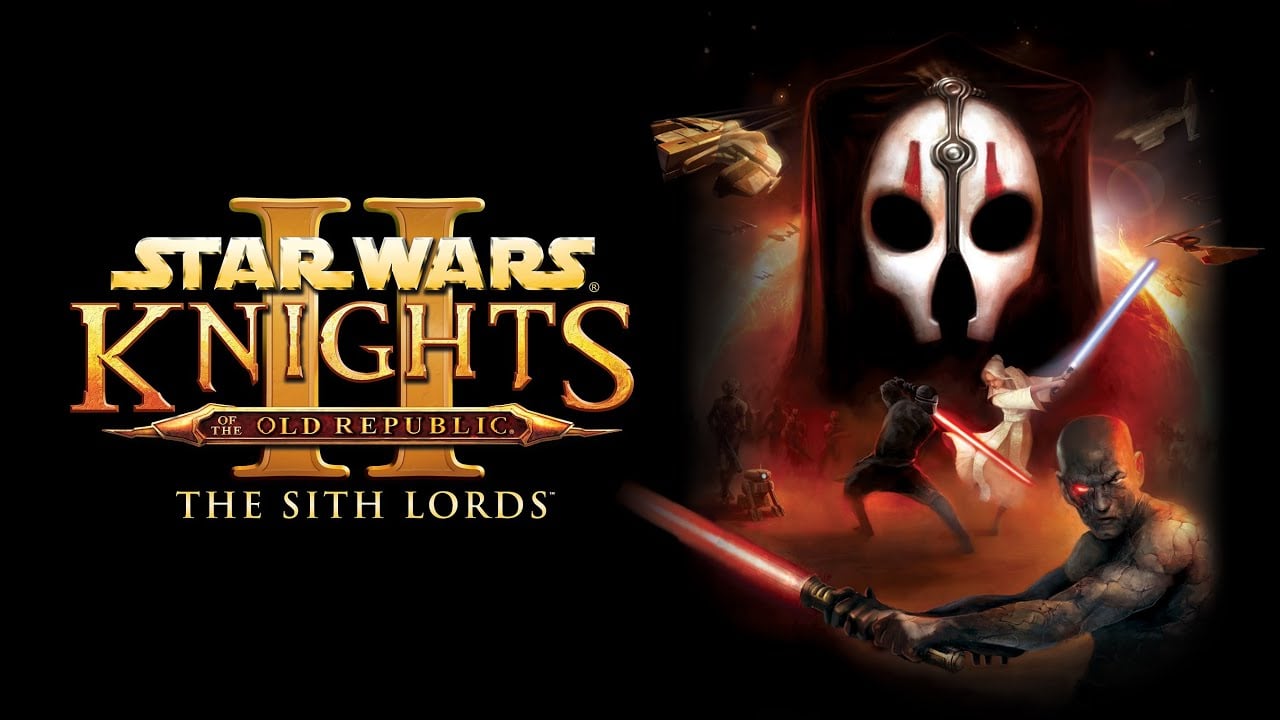
The starting point for understanding this story is simple but painful for fans: Disney’s lawyers blocked the Restored Content DLC from ever launching on Nintendo Switch. Aspyr had publicly promised the DLC when it brought KOTOR 2 to the system, framing it as a later update that would finally let console players experience a more complete version of the game. Behind the scenes, however, Disney’s legal team reviewed the project and grew uncomfortable with the risks tied to turning a fan made mod into an official Star Wars release on a modern platform. Internal correspondence and timelines shared in court show that both the mobile version and the Switch version ran into the same roadblock. Approval from Disney never came, and without that green light Aspyr could not put the DLC on the eShop at all. For a brand as tightly managed as Star Wars, legal caution ended up outweighing goodwill toward long time KOTOR fans.
How a fan made mod evolved into official Restored Content
To see why this was such a tricky situation, you have to remember what the Restored Content actually is. Years after KOTOR 2 originally released, players dug through the game’s files and discovered large amounts of unfinished or disabled material tied to story arcs, character interactions and late game sequences. Modders gradually pieced this material together, fixed bugs, wrote glue where needed and built what became known as The Sith Lords Restored Content Mod. On PC this project turned into the preferred way to play KOTOR 2 for many people, especially those who felt the original ending was abrupt. When Aspyr decided to remaster KOTOR 2 for Switch, partnering with the mod team to bring an official version of that work to consoles probably looked like a smart move. It respected the community, added value to the release and addressed one of the biggest long standing criticisms of the game. The catch was that the original modding effort had grown organically over years, pulling in many contributors under aliases and informal agreements that traditional lawyers are not fond of.
Aspyr’s Switch release and the promise of post launch DLC
When KOTOR 2 arrived on Nintendo Switch in 2022, the promise of the Restored Content DLC was one of its biggest selling points for dedicated fans. Marketing materials and store listings highlighted that an update would follow, bringing the restored material as free downloadable DLC after launch. Players who had waited for a portable, modern way to experience the more complete version of KOTOR 2 took that promise seriously. Many bought the game on that basis, expecting that the wait would be a matter of months at most. At the time, there was no public sign of trouble. The assumption was that Aspyr and Disney had agreed on a plan, and that release timing was mostly a matter of polish and certification. Only later did it become clear that while the game had shipped, legal approval for the DLC itself was still not firmly locked in. That gap between expectation and reality laid the groundwork for anger, and eventually for legal action from players.
Inside the documents that reveal why Disney said no
The real turning point in the story came when court documents and investigative reporting exposed internal communication about the DLC. These materials showed that Disney’s legal department had raised several specific concerns about the project long before the public cancellation announcement. The Restored Content DLC was not being blocked because it was low quality or off brand. Instead it collided with policies around who owns what, how creative works are credited and how external contributors are vetted. Legal departments are trained to look for weak links that could turn into claims later, and the documents make it clear that the mod based nature of the DLC set off alarms. For fans, that explanation may not make the outcome any less frustrating, but it does clarify that Aspyr did not simply lose interest. The project was reviewed, questioned and ultimately blocked at a high level inside the corporate structure that controls Star Wars games.
The struggle to credit every modder behind the project
One of the biggest practical problems was figuring out how to properly credit everyone who had touched the Restored Content over the years. The mod team’s representative, known as Zbyl, explained that he could not reliably contact every contributor who had provided material or code. Some people had drifted away from the community, changed handles or left no straightforward contact information. Disney and Lucasfilm, on the other hand, wanted clear, auditable credits for everyone whose work would appear in an official release. They also wanted those credits to use real names, not online aliases. That requirement collided with the way many modders prefer to work, especially in older scenes where using a handle felt normal and safer than publishing personal details. Without a full list of reachable, consenting contributors using their legal names, the credit screen that Disney expected simply could not be built. From a legal standpoint, that uncertainty made the project look messy in a way that risk averse teams try to avoid.
Real names, aliases and union rules around voice acting
Credits were only part of the legal headache. Another sticking point involved voice work. The Restored Content mod uses lines recorded by non union voice actors to fill gaps in scenes and restore cut dialogues. For a fan project shared for free on PC, that is common and rarely controversial. For an official Star Wars release on a current console store, however, standards are stricter. Disney’s legal team questioned whether using non union talent inside branded DLC would create problems with existing agreements or with unions that cover voice work in games. Combined with the insistence on real names instead of aliases in the credits, this turned into a tangle of questions that would take time and money to solve. From the outside, it might look like a minor detail, but within a company that manages relationships with actors, unions and licensors across many projects, even small inconsistencies can cause headaches. Rather than redesign the DLC around new recordings and fully renegotiated credits, the decision makers stepped away from the project altogether.
Why Aspyr abandoned the DLC instead of rebuilding it
Given how much love there is for KOTOR 2, some players wonder why Aspyr did not simply rebuild the Restored Content from scratch in a way that made Disney comfortable. The answer seems to come down to scope and cost. Recreating years of community work in house, with new voice recording sessions, rewritten scenes where contributors could not be reached and fully documented rights for every asset, would effectively turn the DLC into a major internal project. That is a very different proposition from polishing and packaging an existing mod in cooperation with volunteers. Once Disney’s legal team outlined the requirements for proper credits and union safe casting, Aspyr was left with a choice between a far larger investment or cancellation. The studio ultimately chose cancellation and tried to soften the blow by offering affected players a free game from a list of titles. For fans who primarily wanted a complete version of KOTOR 2 on Switch, that trade felt hollow, but from a business perspective it closed the book on a project that had become far more complicated than planned.
The class action lawsuit and what players argued in court
The story did not end with that cancellation announcement. Some players decided that the original promise of the Restored Content DLC formed a key part of why they bought KOTOR 2 on Switch in the first place. A class action lawsuit accused Aspyr and its partners of false advertising, arguing that promoting the DLC and then cancelling it months later broke trust with buyers. The complaint highlighted marketing messages, eShop descriptions and public statements about the planned DLC to support the claim that purchasers reasonably expected it to arrive. Aspyr’s response emphasized the free game offer and framed the situation as a change in plans rather than deliberate deception. As the case moved ahead, discovery brought more internal emails and timelines into the light. That is how the broader public learned just how central Disney’s legal stance had been to the DLC’s demise. The lawsuit became both a way for some players to seek compensation and a window into the mechanics of game publishing under a giant media company.
What this means for future mod collaborations on consoles
Beyond KOTOR 2 itself, this saga raises important questions about the future of official collaborations between major publishers and modding communities, especially on consoles. On one hand, Restored Content showed how powerful fan projects can be in extending a game’s life and reputation. On the other hand, the legal problems that surfaced here will make some companies think twice before promising to ship community work as official DLC. If a publisher cannot easily verify every contributor, secure rights to every asset and bring everything in line with crediting and union policies, the safest option may be to leave mods where they began: on PC, distributed for free and at arm’s length from corporate branding. That is a loss for players who dream of curated, console ready versions of beloved fan projects. It may also push future official collaborations to start much earlier in a game’s life, with clear agreements and contributor tracking from day one instead of trying to retrofit structure onto a long running volunteer project.
How KOTOR 2 fans feel today and what could come next
For many KOTOR 2 fans, especially those on Switch, the whole situation still stings. People who were excited to finally play a more complete version of the RPG on a handheld hybrid ended up stuck with the same abrupt ending and missing sequences they had hoped to leave behind. The free game offer, while appreciated by some, did not replace the experience of seeing restored storylines on their platform of choice. At the same time, recent reporting around the lawsuit has surfaced another twist: internal plans for a full KOTOR 2 remake that would legally rebuild the restored material from the ground up. That project, sometimes mentioned under a codename, has not been formally announced to the public, and plans can always change. Still, it suggests that the idea of giving KOTOR 2 a more complete future has not been abandoned. For now, though, Switch owners remain in an awkward spot. They have a portable version of a classic, but not the definitive take they were once led to expect, and the story of how that happened has turned into a cautionary tale about how fragile ambitious promises can be when they collide with legal reality.
Conclusion
The cancellation of KOTOR 2’s Restored Content DLC on Switch sits at the intersection of fan passion, corporate caution and the messy history of a much loved RPG. What began as a feel good plan to celebrate a legendary mod on consoles ran into the hard limits of legal policy around credits, voice talent and ownership of collaborative work. Aspyr’s promise, Disney’s risk calculations and players’ expectations all pulled in different directions until the only path left was to cancel the DLC and deal with the fallout. The class action lawsuit and the documents it surfaced have at least given fans clarity on how things played out, even if that clarity does not fix the disappointment. Looking ahead, this saga is likely to influence how publishers approach community projects, pushing them toward more controlled partnerships and away from retrofitting old mods into official releases. For KOTOR 2 itself, there is still hope that a future remake can give the game the complete, polished treatment it deserves. Until that day arrives, this story remains a reminder that in modern gaming, legal details can shape our experiences just as much as design decisions.
FAQs
- Why was the KOTOR 2 Restored Content DLC cancelled on Nintendo Switch?
- The Restored Content DLC for KOTOR 2 on Switch was cancelled after Disney’s legal team declined to approve it. Their concerns focused on licensing a large community mod as official Star Wars material, properly crediting every contributor with real names and addressing issues around non union voice actors. Without that approval, Aspyr could not release the DLC on the eShop, so the project was ultimately dropped despite earlier public promises.
- What role did fan modders play in the Restored Content project?
- Fan modders were at the heart of the Restored Content project. Over many years they restored disabled scenes, fixed bugs and rebuilt late game sequences that had been left incomplete in the original release. When Aspyr planned the Switch version, it worked with representatives of this modding team to bring their work to consoles as official DLC. That community origin, however, also meant there were many contributors, often using aliases, which later created serious challenges around rights and credits when Disney’s legal department reviewed the project.
- Why were credits and real names such a big issue for Disney?
- Credits and real names mattered because Disney wanted a clear, verified list of everyone whose work would appear in an official Star Wars release. Many modders had contributed under online handles, and the project lead could not contact every single person to obtain consent to use legal names. From a legal perspective, incomplete or ambiguous credits can make it harder to prove that all necessary permissions were obtained. That uncertainty made the DLC look risky to Disney’s lawyers, who preferred to avoid potential future disputes over authorship or compensation.
- How did the class action lawsuit against Aspyr come about?
- The class action lawsuit emerged after Aspyr cancelled the DLC while having previously promoted it as a coming feature for the Switch version of KOTOR 2. Some players argued that the promise of Restored Content formed a major part of their decision to purchase the game, and that cancelling it months later amounted to false advertising. The complaint pointed to official messaging about the DLC, while Aspyr highlighted its compensation offer of a free game key. During the case, internal emails and timelines became public, revealing how much Disney’s legal stance influenced the decision.
- Could future Star Wars games still collaborate with modders after this case?
- Future collaborations between Star Wars publishers and modders are still possible, but this case is likely to make companies more cautious. Any partnership would probably need clear agreements from the start, with tracked contributors, real name permissions and voice acting arrangements that fully align with union and licensing policies. Instead of retrofitting old, informal projects into official DLC, publishers may focus on new collaborations built with legal structure in mind from day one. That approach could reduce the risk of another situation where enthusiastic promises later collide with legal red lines.
Sources
- Star Wars: Knights Of The Old Republic II “Restored Content” DLC Was Cancelled On Switch Due To Disney, NintendoSoup, December 11, 2025
- Who killed Star Wars: Knights of the Old Republic II’s ‘Restored Content DLC’ for Switch? Disney lawyers, Game File, December 8, 2025
- Disney’s lawyers blocked Star Wars KOTOR 2’s ‘Restored Content DLC’ from appearing on Switch, Video Games Chronicle, December 9, 2025
- Star Wars: Knights of the Old Republic 2 “Restored Content DLC” for Nintendo Switch shut down by Disney’s legal team, Nintendo Everything, December 9, 2025
- Star Wars Fans Are Suing KOTOR 2 Developers Over Canceled DLC, 80 Level, September 25, 2023
- We finally know what happened to Aspyr’s Restored Content DLC for KOTOR 2, KitGuru, December 9, 2025