














Summary:
We’ve got a clear picture of what Bandai Namco is aiming for with Tales of Berseria Remastered, and it’s a classic “pick the version that matches your habits” situation. On Nintendo Switch, the technical target is 30fps, with Bandai Namco noting that the frame rate can temporarily change depending on what’s happening on screen. That detail matters because it sets expectations the right way: the goal is a steady, playable experience, but heavy action can still nudge performance around. Resolution targets on Switch are equally straightforward – 1080p when docked and 720p in handheld, both listed as native targets. On PlayStation 5 and Xbox Series X|S, the target shifts to 60fps, which is the kind of jump you feel immediately if you care about responsiveness, camera motion, and that “everything snaps into place” sense during combat strings.
Release timing is also worth getting right. You’ll see February 26, 2026 in some places and February 27, 2026 in others, depending on region and storefront. That’s not a mystery so much as a reminder that global launches don’t always present as a single universal date on every page you check. The practical takeaway is simple: if you’re planning a day-one session with friends or you’re timing a download around work, trust the date shown by your local store.
From there, it’s about priorities. If you’re a handheld-first player who values convenience, Switch makes sense. If you want the smoothest combat feel and the highest performance targets, PS5 and Xbox are positioned to deliver that. Either way, we’re walking into launch week with enough concrete specs to choose confidently, instead of guessing and hoping for magic.
What Tales of Berseria Remastered is, in plain terms
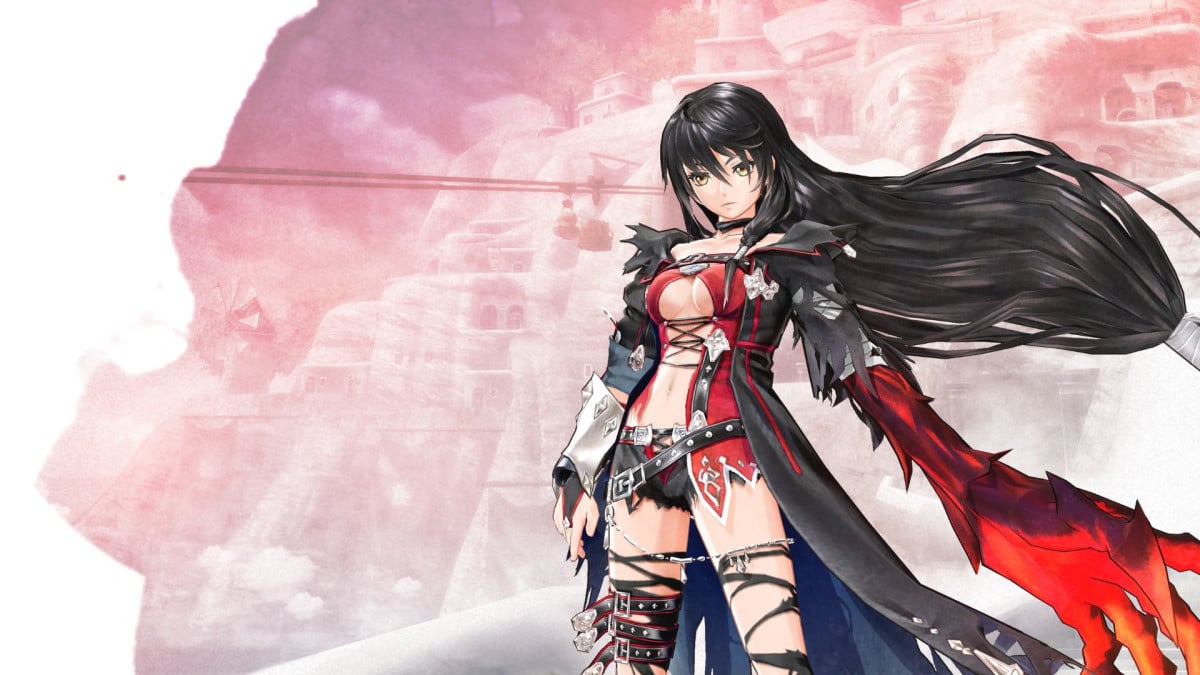
Tales of Berseria Remastered is Bandai Namco taking an already well-liked action RPG and tuning it for current platforms, with a focus on smoother usability and modern platform support. Think of it like renovating a house you already love: we’re not rebuilding the foundation, we’re sanding down rough edges, improving the lighting, and making the layout easier to live in day to day. For returning players, the big appeal is getting a cleaner, more convenient way to replay Velvet Crowe’s story without digging out older hardware or juggling older versions. For new players, it’s a chance to jump in at a moment where the series is easier to access on multiple systems. The key thing is expectation management. A remaster is usually about upgrades that make the experience feel better to use, not a total visual reinvention that looks like a brand-new game. If you go in wanting the same heart, tone, and combat rhythm, just packaged with better fit and finish, you’re thinking about it the right way.
Release timing and why you may see two different dates
Here’s the part that can trip people up: you’ll see February 26, 2026 on some official materials, and February 27, 2026 on others. That doesn’t automatically mean a delay or conflicting plans – it’s often the reality of regional rollouts and storefront presentation. In practice, what matters is the date shown in the store tied to your account region, because that’s the one your console will follow for preloads, unlock timing, and “can we play yet?” moments. If you’re the type who plans a launch-night session like it’s a mini holiday, treat this like checking a train time: don’t rely on what a friend in another country sees. Check your local listing, set expectations around that, and you avoid the classic frustration of staring at a locked icon while someone else swears it’s live. It’s a small detail, but it’s the kind that decides whether your first evening is hype or annoyance.
How regional rollout affects what stores display
Regional storefronts don’t always speak with one voice, even when the underlying plan is consistent. One region may list a launch date that aligns with local time zones or platform standards, while another region shows the next calendar day because the release crosses midnight somewhere along the line. That’s why we can see February 26, 2026 referenced alongside February 27, 2026 across different official pages and coverage. The smart move is boring but effective: check the store page you would actually buy from, because that storefront is the one that controls your download timing, your purchase button, and your unlock window. If you’re buying on Switch, confirm the Switch listing in your region. If you’re buying on PS5, confirm the PlayStation Store listing you’ll use. Same idea on Xbox. Once you do that, the “two dates” issue stops being confusing and becomes a simple reality of global launches.
Frame rate targets across platforms
Performance targets are where the versions start to separate in a meaningful way. Bandai Namco has laid out different goals depending on platform, and that’s actually a good sign because it means the plan is tuned to hardware realities instead of being wishful thinking. On Nintendo Switch, the target is 30fps, with a note that it may temporarily change depending on the play situation and environment. On PlayStation 5 and Xbox Series X|S, the target is 60fps. In plain language, that’s the difference between “stable and playable with a cinematic feel” and “smoother motion with quicker response and cleaner camera movement.” Neither is automatically better for every person, because your preference depends on how sensitive you are to motion smoothness and how you play. If you mostly play handheld in short sessions, 30fps can be totally fine. If you love fast combat strings and you notice every hitch, 60fps tends to feel more satisfying.
Nintendo Switch: the 30fps target and what “may change” means
On Switch, the game is targeting 30fps, and the wording around “may change temporarily” is doing important work. It’s basically Bandai Namco saying, “We’re aiming for this, but we’re not going to pretend every moment is identical.” In real play, frame rate variation usually shows up when the screen gets busy: big effects, multiple enemies, lots of particle-heavy attacks, or chaotic camera moments. The good news is that a 30fps target is a familiar goal for Switch, and it’s often the most sensible way to keep visuals and responsiveness balanced on that hardware. The other good thing about having an explicit target is that it sets expectations early. You’re not buying the Switch version hoping for a surprise 60fps miracle. You’re buying it because you want Berseria on Switch, with native resolution targets for docked and handheld play, and a performance plan that’s been stated clearly instead of left vague.
Moments that can push the frame rate around
If you’re wondering when you might feel that “temporary change,” think about the game like a stage play with a fog machine. One actor on stage is easy. Ten actors, smoke, fireworks, and a rotating set is where things get harder. In action RPG terms, that means crowded fights, flashy special moves, and scenes with lots of overlapping effects. Boss encounters can do it too, especially when the game tries to show you spectacle and danger at the same time. Another factor is your environment: portable play can mean different thermal conditions, and that can influence how hard hardware can push over long sessions. None of this is meant to scare you off. It’s meant to help you pick the version that matches your tolerance. If you’re fine with occasional dips in exchange for the convenience of Switch, you’ll likely be happy. If dips drive you nuts, that’s a signal to lean toward the platforms targeting 60fps.
A quick comfort checklist for smoother sessions
We can’t magically rewrite performance with a checklist, but we can make your sessions more comfortable and predictable. First, keep your system storage healthy so updates and patches install cleanly, because nothing kills momentum like a download error at the worst time. Second, if you’re playing handheld for long stretches, give the system a chance to breathe – a quick break can help avoid the “why does this feel worse after two hours?” question. Third, if you’re sensitive to motion, consider whether docked play on a stable setup feels better for you than handheld play on the go. Fourth, update the game when patches arrive, because launch window updates often focus on stability fixes that smooth out rough moments. Finally, be honest about your preferences: if you’re chasing the smoothest combat feel, Switch is the convenience pick, not the peak-performance pick. Choosing with that mindset makes the whole experience feel better.
PlayStation 5 and Xbox Series X|S: the 60fps target
On PS5 and Xbox Series X|S, the target is 60fps, and that’s the version choice that usually appeals to players who want combat to feel as responsive as possible. At 60fps, camera pans look cleaner, quick movements feel more immediate, and the game tends to feel “lighter” in your hands because there’s less visual drag between input and on-screen action. It’s not only about competitive reflexes either. Even casual play can benefit because the world feels smoother when you run through areas or chain attacks in battles. Another bonus is that 60fps targets often come with more performance headroom, meaning the game can absorb busy moments without feeling like it’s fighting itself. If you’re planning to play mostly on a TV, and you care about motion clarity and responsiveness, these versions are aligned with that. The tradeoff is obvious: you lose the portability and pick-up-and-play freedom that makes Switch so tempting.
Resolution targets and what they look like on real screens
Resolution numbers look simple, but they land differently depending on how you play. A crisp 1080p image on a TV can look great, but the same number doesn’t automatically guarantee the same “wow” if the screen is huge, you sit close, and you’re picky about sharp edges. Likewise, 720p in handheld can be perfectly fine because the screen is smaller and your eyes aren’t scanning a massive image. The important detail here is that Bandai Namco has provided native resolution targets for Switch in docked and handheld configurations. That’s useful because it tells you what the baseline image should be. On higher-end platforms, there’s room for higher resolution output, and official specs also outline different resolution targets for Xbox Series X and Series S. The takeaway is practical: match your expectations to your screen size and your viewing distance, not just the number printed in a spec table.
Nintendo Switch: 1080p docked and 720p handheld
On Switch, Tales of Berseria Remastered is targeting native 1920×1080 in TV mode and native 1280×720 in handheld or table mode. That pairing makes sense for how Switch is used, and it’s a clean, easy-to-understand setup. Docked play aims to look solid on a standard 1080p display, while handheld keeps the picture appropriate for the smaller screen. The big win here is predictability. You’re not guessing whether the game is going to look blurry in handheld, because the target is spelled out. If you’re the kind of player who likes taking a JRPG on the couch, on the train, and then plugging in for a longer session at night, this is the version designed for that lifestyle. Just keep expectations anchored to the 30fps performance target. The Switch version is about portable consistency and convenience, with a resolution plan that fits the hardware.
PS5 and Xbox: higher ceilings and what “up to 4K” signals
On PS5, the official spec table lists 3840×2160 output as the target. On Xbox, it lists 3840×2160 for Series X and 2560×1440 for Series S, which is exactly the kind of split you’d expect given the differences between those consoles. When you see “up to 4K” language around versions like these, it usually signals higher output resolution and a sharper overall presentation, especially on large TVs where 1080p can start to look softer. Another detail in the same official spec table is that HDR support is not listed for these versions, which is worth knowing if you were hoping for the extra pop HDR can add on modern displays. Pair those resolution targets with the 60fps target, and you’ve got the performance-focused way to play. If your ideal Berseria session is “big screen, smooth motion, and sharp image,” PS5 and Xbox are the obvious fit.
What “remastered” changes usually feel like while playing
The best remaster upgrades are the ones you notice without thinking about them. That sounds almost paradoxical, but it’s true. Quality-of-life improvements are often like fixing a squeaky door: you don’t celebrate it every time, you just enjoy the silence. Official announcements for Tales of Berseria Remastered mention usability-focused updates such as destination icons, the ability to toggle encounters, and early access to the Grade Shop, plus included DLC packs from the original release. Those are the kinds of changes that make the experience feel more welcoming, especially if you’re starting fresh or returning after years away. Destination icons help keep momentum when you’re navigating, encounter toggling can reduce friction when you want to move through areas faster, and early Grade Shop access can make the game’s progression tools feel less back-loaded. None of that changes the core identity of Berseria. It simply reduces the “why does this feel harder to manage than it needs to be?” moments.
Picking the right version for how you actually play
This decision gets easier when we stop arguing about specs like they’re trophies and start asking a basic question: where will you play most often? If you know you’ll play on a TV, you like smooth camera motion, and you care about responsiveness in combat, the 60fps target on PS5 and Xbox Series X|S is the strong pull. If you know you’ll play in handheld mode, you want the flexibility to squeeze in sessions anywhere, and you’re fine with a 30fps target that can vary in heavy moments, Switch becomes the lifestyle pick. There’s no wrong answer here, but there is a wrong expectation. Buying Switch and expecting a 60fps feel is setting yourself up for disappointment. Buying PS5 or Xbox and expecting portable convenience is also a mismatch. Pick the version that matches your routine, and you’ll feel like you made the right call every time you boot it up, not just on launch day.
Launch week habits that save you headaches
Launch week is when excitement and reality wrestle in the parking lot, and sometimes reality wins because you forgot to charge your controller. A few simple habits can make the first week smoother. Make sure your system firmware is up to date so you don’t get hit with a surprise update right when you want to play. Confirm you have enough free storage for the game and any day-one patches, because running out of space mid-install is the fastest way to turn hype into grumpiness. If you’re buying digitally, preloading can be a great move, but only if your storefront supports it and your region’s release timing is clear. Also, give yourself permission to start slow. Remastered releases often get small stability updates shortly after launch, and installing those updates can improve overall smoothness. The goal is simple: spend your first night playing the game, not troubleshooting your system like an unpaid IT intern.
Conclusion
Tales of Berseria Remastered is arriving with enough confirmed technical detail to make a confident platform choice. Switch is targeting 30fps with the note that performance can temporarily change depending on what’s on screen, while aiming for native 1080p docked and 720p handheld. PS5 and Xbox Series X|S are targeting 60fps, with higher resolution targets outlined in official specs, including 4K output targets for PS5 and Series X and a 1440p target for Series S. The release date can show up as February 26, 2026 or February 27, 2026 depending on region and storefront, so the most reliable plan is to trust your local store listing for unlock timing. If you want portability and convenience, Switch is built for that. If you want the smoothest motion and the strongest performance targets, PS5 and Xbox are positioned as the best fit. Either way, we’re going into February 2026 with clear expectations, which is the nicest gift a remaster can give before we even hit Start.
FAQs
- Why does Tales of Berseria Remastered show February 26 in some places and February 27 in others?
- Different official pages and storefront regions can display different dates based on regional rollout and timing. The safest plan is to follow the date shown in the store tied to your account region.
- What frame rate is Tales of Berseria Remastered targeting on Nintendo Switch?
- On Switch, the target is 30fps, with Bandai Namco noting it may temporarily change depending on the play situation and environment.
- What resolution is the Switch version aiming for in docked and handheld play?
- The listed targets are native 1080p in docked TV mode and native 720p in handheld or table mode.
- What are the performance targets on PS5 and Xbox Series X|S?
- PS5 and Xbox Series X|S are targeting 60fps. Official specs also list higher resolution targets on those platforms compared to Switch.
- Which version should we choose if we care most about smooth combat feel?
- If smooth motion and responsiveness are your top priorities, the versions targeting 60fps on PS5 and Xbox Series X|S are the most natural fit. If portability matters more, Switch is the convenience choice.
Sources
- Follow a Path Forged by Vengeance in Tales of Berseria Remastered, Releasing February 2026, Bandai Namco Entertainment America, November 19, 2025
- A path forged by vengeance in Tales of Berseria Remastered coming february 2026, Bandai Namco Entertainment Europe, November 19, 2025
- テイルズ オブ ベルセリア リマスター | バンダイナムコエンターテインメント公式サイト, Bandai Namco Entertainment, November 19, 2025
- Tales of Berseria Remastered details Nintendo Switch frame rate, resolution, Nintendo Everything, January 11, 2026
- Tales Of Berseria Remastered – Switch Performance And Resolution Detailed, Nintendo Life, January 11, 2026