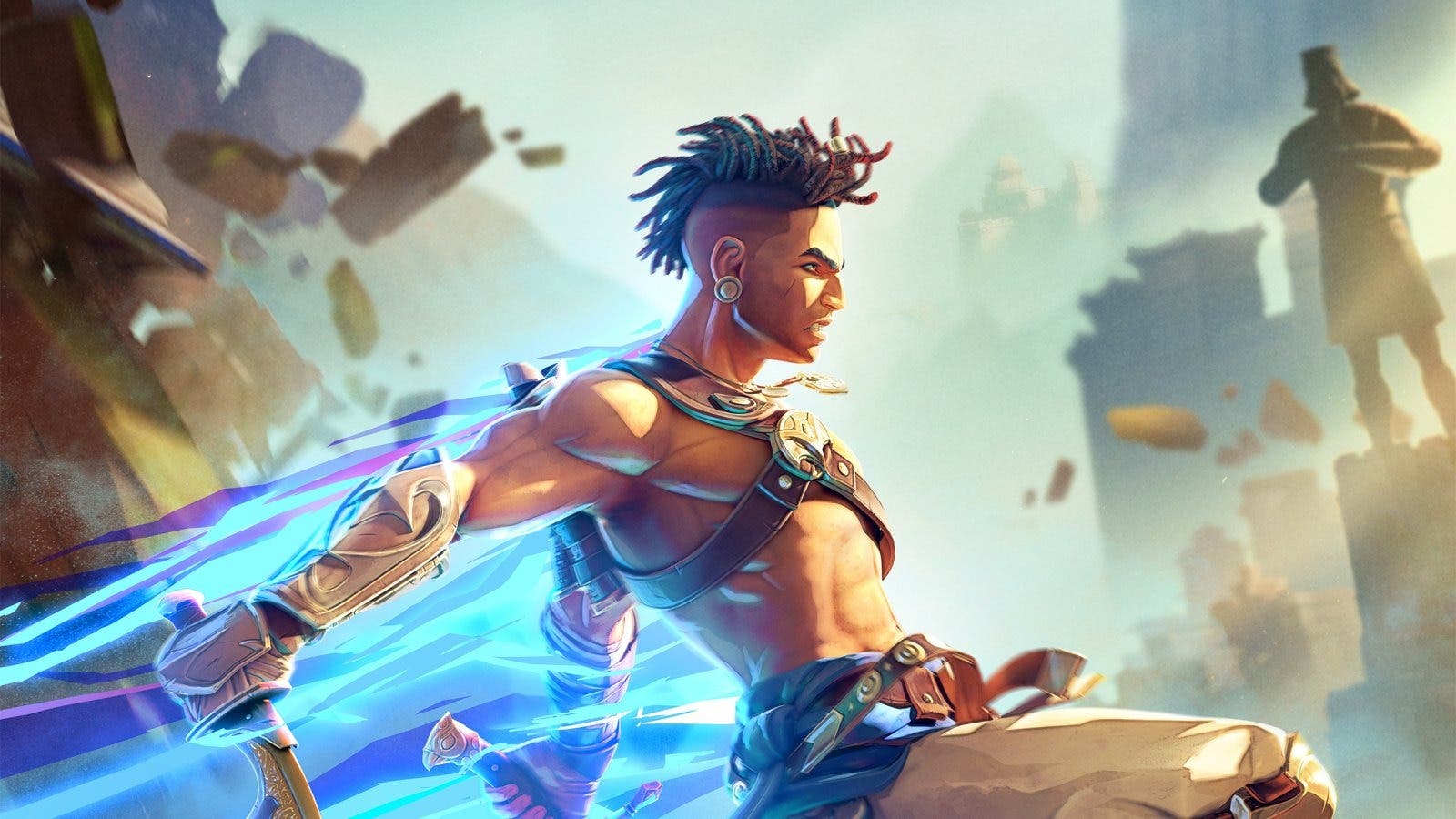
Summary:
Ubisoft has recently announced the disbandment of the development team responsible for the acclaimed action-packed 2D platformer, Prince of Persia: The Lost Crown. Despite receiving widespread praise from critics and fans alike for its engaging gameplay and artistic design, the game failed to meet the company’s sales expectations. This decision marks a significant moment for Ubisoft, reflecting the challenging dynamics between critical success and commercial viability in the gaming industry. The closure of the team not only affects the talented individuals who brought the beloved franchise to life but also raises questions about the future direction of Prince of Persia. As the gaming landscape continues to evolve, Ubisoft’s strategic shifts indicate a focus on projects with more assured market performance, potentially altering the trajectory of other cherished series.
This development underscores the complexities game developers face in balancing creative ambitions with financial realities, highlighting the ever-present pressures within the competitive market. The community’s reaction has been mixed, with many expressing disappointment over the loss of a promising team while others understand the economic imperatives driving Ubisoft’s decision.
Moving forward, Ubisoft’s approach to future projects and franchise management will be closely watched, as the company navigates the delicate balance between innovation and profitability. This situation serves as a poignant reminder of the fragile nature of success in the gaming world, where even highly regarded titles can struggle to achieve commercial success. Ultimately, the disbandment of the Prince of Persia: The Lost Crown team represents both an end and a potential new beginning for Ubisoft and its creative endeavors.
Ubisoft’s Decision Overview of Prince of Persia: The Lost Crown
Prince of Persia: The Lost Crown emerged as a beacon of innovation within Ubisoft’s expansive portfolio, reinvigorating a beloved franchise with fresh mechanics and a captivating narrative. As a 2D action platformer, The Lost Crown distinguished itself through its seamless blend of traditional Prince of Persia elements and modern gameplay enhancements. Players were drawn to its intricate level designs, fluid combat systems, and the rich lore that expanded the universe of the iconic protagonist.
The game’s artistic direction, characterized by stunning visuals and meticulously crafted environments, further cemented its status as a standout title. Additionally, the incorporation of puzzle-solving elements and platforming challenges provided a multifaceted gaming experience that appealed to a diverse audience. The Lost Crown’s ability to balance nostalgia with innovation played a crucial role in garnering critical acclaim, positioning it as one of Ubisoft’s premier offerings in recent years. The development team behind the project was lauded for their creativity and dedication, contributing to the game’s positive reception across various gaming communities and review platforms. Despite these strengths, the game’s journey was met with unforeseen challenges that ultimately influenced Ubisoft’s strategic decisions regarding the team’s future.
Announcement of Team Disbandment
The recent announcement by Ubisoft to disband the team behind Prince of Persia: The Lost Crown has sent ripples through the gaming community and industry alike. Official statements from the company cited the game’s inability to meet expected sales targets as the primary reason for this difficult decision. This move marks a significant shift within Ubisoft, signaling a reevaluation of resource allocation and project prioritization. The disbandment affects not only the core team members but also ancillary staff and collaborators who contributed to the game’s development. Industry analysts interpret this decision as a reflection of the broader market dynamics, where even critically acclaimed titles are not immune to commercial pressures. The timing of the announcement, juxtaposed with the game’s performance metrics, underscores the stringent expectations Ubisoft places on its projects to achieve financial viability alongside artistic merit. This development raises questions about the sustainability of creative endeavors in an environment heavily influenced by sales performance and market trends. Furthermore, it highlights the precarious balance developers must maintain between innovation and profitability, a challenge that is increasingly prominent in today’s competitive gaming landscape.
The Success of Prince of Persia: The Lost Crown Critical Acclaim and Reviews
Prince of Persia: The Lost Crown garnered substantial critical acclaim upon its release, with reviewers praising its innovative approach to the beloved franchise. Critics highlighted the game’s ability to seamlessly integrate traditional Prince of Persia mechanics with modern gameplay elements, resulting in a refreshing yet familiar experience for long-time fans. The narrative depth and character development received particular commendation, with many noting the enhanced storytelling that added layers of complexity to the protagonist’s journey. Additionally, the game’s visual aesthetics were lauded for their artistry and attention to detail, creating immersive environments that captivated players from the outset. The fluidity of the combat system and the intricacy of level design were consistently highlighted as standout features, demonstrating the team’s commitment to delivering a high-quality gaming experience. Despite these positive reviews, there was a noticeable disconnect between critical reception and commercial performance, a disparity that has become a focal point in discussions surrounding Ubisoft’s strategic decisions. The acclaim from both critics and players underscored the game’s potential, making its underperformance in sales an unexpected and perplexing outcome within the industry.
Gameplay and Features
The gameplay of Prince of Persia: The Lost Crown is a testament to the development team’s dedication to creating a dynamic and engaging experience. The game employs a 2D platforming framework, enriched with fluid combat mechanics that allow for seamless transitions between exploration and action. Players navigate through intricately designed levels that challenge their agility and strategic thinking, incorporating a variety of obstacles and enemies that require both skill and adaptability to overcome. One of the standout features is the game’s time-manipulation mechanics, which add a strategic layer to both combat and puzzle-solving scenarios. This innovative approach not only enhances the gameplay experience but also provides a fresh take on the traditional platformer genre. Additionally, the inclusion of diverse environments—from lush forests to desolate ruins—ensures that each level offers a unique aesthetic and set of challenges, maintaining player engagement throughout the game. The artistic design complements the gameplay, with visually stunning backdrops that immerse players in the Prince of Persia universe. Furthermore, the game’s narrative interweaves seamlessly with its mechanics, offering a cohesive and compelling story that drives the player forward. Collectively, these features contribute to a robust and enjoyable gaming experience that resonated well with both critics and players, despite the eventual commercial shortcomings.
Sales Performance Analysis Expected vs. Actual Sales Figures
When Prince of Persia: The Lost Crown was developed, Ubisoft projected robust sales figures based on the franchise’s historical performance and the positive buzz generated by pre-release previews. These expectations were further bolstered by the critical acclaim that the game received prior to and following its launch. However, the actual sales figures fell significantly short of these optimistic projections. Various factors contributed to this disparity, including market saturation, shifting consumer preferences, and perhaps insufficient marketing efforts to convert critical praise into commercial success. The underperformance in sales metrics has had substantial implications for Ubisoft, leading to the difficult decision to disband the development team. This outcome underscores the unpredictable nature of the gaming market, where even highly anticipated and well-received titles can struggle to achieve the financial milestones necessary for continued support and development. The discrepancy between expected and actual sales highlights the challenges that game developers face in accurately forecasting market reception and the inherent risks involved in the production and release of major titles.
Market Conditions and Competition
The release of Prince of Persia: The Lost Crown coincided with a particularly competitive period in the gaming industry, marked by the launch of several high-profile titles across various genres. This intense competition may have diluted the market’s attention and consumer spending, making it more challenging for The Lost Crown to capture the desired share. Additionally, the gaming landscape is continually evolving, with emerging trends and shifting player preferences influencing purchasing decisions. The rise of alternative genres and the increasing popularity of free-to-play models could have impacted the game’s appeal to a broader audience. Furthermore, the marketing strategies employed by Ubisoft may not have been sufficient to distinguish The Lost Crown amidst a crowded marketplace, limiting its visibility and reach to potential players. Economic factors, such as consumer spending habits and the overall health of the gaming sector, also played a role in the game’s sales performance. These market conditions, combined with the fierce competition, created an environment where even a critically acclaimed title like The Lost Crown faced significant hurdles in achieving commercial success.
Reasons Behind the Disbandment Financial Considerations
At the forefront of Ubisoft’s decision to disband the Prince of Persia: The Lost Crown team are the financial implications tied to the game’s sales performance. Despite the critical acclaim, the game’s inability to meet projected sales targets resulted in a shortfall that impacted Ubisoft’s overall financial health for the fiscal period. In an industry where return on investment is paramount, the underperformance of a high-profile title necessitates a reevaluation of resource allocation. Maintaining a development team involves substantial ongoing costs, including salaries, benefits, and project-related expenditures. When a game’s revenue does not align with these costs, companies like Ubisoft must make difficult decisions to ensure financial sustainability. The disbandment of the team is a direct response to mitigate further financial strain and to reallocate resources towards projects with higher potential for profitability. This move reflects a pragmatic approach to business, where financial considerations take precedence over creative endeavors when the two are at odds.
Strategic Shifts at Ubisoft
Beyond immediate financial concerns, Ubisoft’s decision to disband the Prince of Persia: The Lost Crown team is indicative of broader strategic shifts within the company. In an effort to adapt to the rapidly changing gaming landscape, Ubisoft is likely reassessing its portfolio to focus on projects that align more closely with current market trends and consumer demands. This may involve prioritizing genres that have demonstrated sustained popularity, investing in emerging technologies such as virtual and augmented reality, or exploring new intellectual properties that offer fresh narratives and gameplay experiences. Additionally, Ubisoft may be streamlining its operations to enhance efficiency and reduce overhead costs, ensuring that resources are directed towards initiatives with the highest potential for success. These strategic shifts are aimed at positioning the company for long-term growth and competitiveness in a dynamic industry. The disbandment of the Prince of Persia team serves as a tangible manifestation of these broader strategic priorities, underscoring Ubisoft’s commitment to maintaining relevance and financial stability in an ever-evolving market.
Impact on the Prince of Persia Franchise Future of the Series
The disbandment of the team behind Prince of Persia: The Lost Crown has significant implications for the future of the franchise. Historically, Prince of Persia has been a flagship series for Ubisoft, known for its innovative gameplay and compelling storytelling. The closure of the development team raises questions about the continuity and evolution of the series moving forward. Without a dedicated team to spearhead future projects, the franchise may face challenges in maintaining its established quality and fanbase. Ubisoft may need to explore alternative approaches, such as partnering with external developers or reallocating internal resources to revive the series under new leadership. Alternatively, the company might choose to shift the franchise in a new direction, potentially exploring different genres or narrative styles to reinvigorate interest. The long-term prospects of Prince of Persia will depend on Ubisoft’s strategic decisions and their ability to leverage the brand’s legacy while adapting to contemporary gaming trends. The community’s response and the market’s reception to any new installments will play a crucial role in determining the series’ viability in the future.
Fan Reactions and Community Response
The announcement of the team disbandment has elicited a range of reactions from the Prince of Persia fanbase and the broader gaming community. Many fans expressed deep disappointment and sadness over the loss of a team that delivered a highly regarded installment in the series. Social media platforms and gaming forums have seen a surge in discussions lamenting the end of The Lost Crown team, highlighting the emotional investment and connection players have with the franchise. Some fans have voiced concerns about the potential decline in quality and innovation for future Prince of Persia titles, fearing that the absence of the dedicated team may lead to stagnation. Conversely, there are segments of the community that understand Ubisoft’s decision from a business perspective, acknowledging the challenges of balancing creative ambitions with commercial realities. These varied responses reflect the strong attachment and high expectations that fans have for the series. The community’s engagement and feedback may influence Ubisoft’s approach to managing the franchise moving forward, as the company seeks to navigate the delicate balance between honoring the series’ legacy and ensuring its sustainability.
Implications for Ubisoft Effects on Company Reputation
Ubisoft’s decision to disband the Prince of Persia: The Lost Crown team carries implications for the company’s reputation within the gaming industry and among consumers. On one hand, the move may be perceived as a pragmatic business decision, demonstrating Ubisoft’s commitment to maintaining financial health and strategic focus. However, the closure of a team responsible for a critically acclaimed title could also be viewed as a sign of instability or mismanagement, potentially eroding trust among developers and investors. The negative publicity surrounding the disbandment might impact Ubisoft’s image, particularly if stakeholders perceive the decision as undermining the company’s dedication to supporting and nurturing creative talent. Additionally, the gaming community may question Ubisoft’s ability to sustain successful franchises, leading to skepticism about future projects. To mitigate potential reputational damage, Ubisoft will need to communicate transparently about the reasons behind the decision and outline their plans for supporting other successful initiatives within their portfolio. Demonstrating a clear and consistent strategic vision can help maintain confidence among stakeholders and preserve the company’s standing in the competitive gaming market.
Future Project Strategies
In light of the disbandment of the Prince of Persia: The Lost Crown team, Ubisoft is likely to reassess its strategies for future projects to ensure alignment with both market demands and company objectives. This may involve a more rigorous evaluation process for project viability, emphasizing factors such as market trends, potential return on investment, and alignment with the company’s long-term goals. Ubisoft might also prioritize diversification of its game portfolio, investing in a broader range of genres and platforms to appeal to a wider audience. Additionally, the company could increase its focus on emerging technologies, such as virtual reality, cloud gaming, and artificial intelligence, to stay ahead of industry advancements and consumer expectations. Collaboration with external developers and strategic partnerships may become more prominent, allowing Ubisoft to leverage specialized expertise and innovative ideas without bearing the full burden of development costs. Furthermore, Ubisoft may implement more agile project management practices, enabling quicker adaptation to changing market conditions and more efficient resource allocation. These strategic adjustments aim to enhance Ubisoft’s competitiveness, drive sustainable growth, and mitigate the risks associated with game development and market fluctuations.
Industry Perspectives Expert Opinions on the Decision
Industry experts have weighed in on Ubisoft’s decision to disband the team behind Prince of Persia: The Lost Crown, offering a range of analyses and insights. Many analysts view the move as indicative of the broader challenges facing large game publishers in balancing creative ambitions with commercial imperatives. They highlight the increasing pressure to deliver high-quality titles that meet both critical and financial expectations, noting that even well-received games are not immune to market forces. Some experts suggest that Ubisoft’s decision reflects a strategic pivot towards more data-driven development processes, where projects are evaluated based on performance metrics and potential profitability. Others emphasize the importance of fostering strong internal teams and creative freedom, cautioning that frequent restructuring and team disbandments could stifle innovation and negatively impact company culture. Additionally, commentators have pointed out the volatile nature of the gaming industry, where rapid technological advancements and shifting consumer preferences necessitate adaptability and resilience from major players like Ubisoft. Overall, expert opinions underscore the complexity of decision-making in the gaming sector, where success is influenced by a multitude of interrelated factors.
Trends in Game Development and Sales
The disbandment of the Prince of Persia: The Lost Crown team occurs against the backdrop of evolving trends in game development and sales strategies within the industry. One notable trend is the increasing emphasis on live-service models, where games are continuously updated and monetized post-launch through in-game purchases, subscriptions, and downloadable content. This model shifts the focus from one-time sales to ongoing revenue streams, influencing how developers approach game design and community engagement. Additionally, there is a growing movement towards indie development, with smaller studios gaining prominence by delivering innovative and niche titles that cater to specific audiences. This trend highlights the importance of agility and specialization in an increasingly fragmented market. Moreover, the rise of digital distribution platforms and the decline of physical media have transformed how games are marketed and sold, enabling greater accessibility but also intensifying competition. The integration of advanced technologies such as virtual reality, augmented reality, and artificial intelligence is also reshaping game development, offering new avenues for creativity and interaction. These trends reflect a dynamic and competitive landscape, where companies like Ubisoft must continually adapt their strategies to remain relevant and successful.
The Team Behind The Lost Crown Team’s Achievements and Contributions
The development team behind Prince of Persia: The Lost Crown has been recognized for their significant contributions to Ubisoft’s portfolio and the gaming industry at large. Comprising experienced professionals with diverse expertise in game design, programming, art, and narrative development, the team successfully revitalized a classic franchise by introducing innovative gameplay mechanics and compelling storytelling elements. Their collaborative efforts resulted in a game that not only honored the legacy of Prince of Persia but also pushed the boundaries of what a 2D platformer could achieve in terms of complexity and depth. The team’s dedication to quality was evident in the meticulous attention to detail in level design, character development, and environmental aesthetics, which collectively enhanced the player’s immersive experience. Furthermore, their ability to integrate feedback from both critics and players played a crucial role in refining the game’s features and ensuring its critical success. The Lost Crown team also fostered a positive and creative work environment, encouraging experimentation and innovation that contributed to the game’s unique identity. Their achievements have set a benchmark within Ubisoft, showcasing the potential of talented teams to deliver exceptional and memorable gaming experiences.
Career Paths Post-Disbandment
Following the disbandment of the Prince of Persia: The Lost Crown team, members are poised to embark on new career opportunities within the gaming industry and beyond. Given their experience and the acclaim garnered by their work on The Lost Crown, many team members are likely to attract interest from other leading game developers and studios seeking skilled professionals. Opportunities may arise in various capacities, including game design, project management, narrative development, and technical programming, allowing team members to apply their expertise to diverse projects. Additionally, some may choose to pursue entrepreneurial endeavors, leveraging their creative and technical skills to launch independent game development ventures or consult on specialized projects. The network and reputation established through their work at Ubisoft will serve as valuable assets in facilitating these transitions. Moreover, the broader gaming community recognizes the talent and dedication demonstrated by the Lost Crown team, potentially opening doors for collaborative efforts and partnerships in future initiatives. The dispersal of the team members underscores the industry’s dynamic nature, where skilled professionals continuously contribute to its growth and evolution across various roles and organizations.
Lessons Learned Balancing Creativity and Commercial Success
The experience of the Prince of Persia: The Lost Crown team offers valuable lessons on the delicate balance between creativity and commercial success in game development. While the team achieved critical acclaim through their innovative approach and artistic vision, the game’s inability to meet sales expectations underscores the importance of aligning creative endeavors with market demands. This balance necessitates a strategic approach where creative freedom is exercised within the framework of business objectives and financial viability. Developers must navigate the tension between pursuing artistic excellence and ensuring that their projects resonate with a broad audience to achieve commercial success. This involves conducting thorough market research, understanding consumer preferences, and adapting creative strategies to meet the evolving landscape of the gaming industry. Additionally, fostering open communication between creative teams and business stakeholders can facilitate a more integrated approach, where artistic ambitions are harmonized with commercial considerations. The Lost Crown team’s journey highlights that sustainable success in game development requires both innovative creativity and a keen awareness of market dynamics.
Navigating the Competitive Gaming Market
Operating within the highly competitive gaming market demands agility, strategic foresight, and resilience from development teams and companies alike. The Prince of Persia: The Lost Crown team’s experience illustrates the challenges of standing out in a saturated market where numerous titles vie for player attention and spending. To navigate this environment successfully, developers must prioritize differentiation through unique gameplay mechanics, compelling narratives, and exceptional production quality. Additionally, effective marketing strategies are essential to build anticipation, reach target audiences, and convert interest into sales. Understanding and adapting to market trends, such as the rise of mobile gaming or the integration of new technologies, can provide a competitive edge. Furthermore, fostering strong community engagement and leveraging player feedback can enhance the game’s appeal and longevity. The competitive nature of the gaming industry also underscores the importance of continuous innovation and adaptability, enabling developers to respond to shifting consumer preferences and emerging opportunities. The Lost Crown team’s efforts serve as a case study in the complexities of achieving success in a dynamic and challenging market, offering insights into the strategies required to thrive amidst fierce competition.
Conclusion
Ubisoft’s decision to disband the team behind Prince of Persia: The Lost Crown underscores the intricate balance between creative success and commercial viability in the gaming industry. While the game garnered critical acclaim for its engaging mechanics and artistic execution, falling short of sales expectations led to this significant organizational change. This move not only impacts the talented developers involved but also signals a strategic shift within Ubisoft, potentially influencing the future of the Prince of Persia franchise and similar projects. The reaction from the gaming community highlights the delicate interplay between fan expectations and market realities. As Ubisoft navigates this transition, the broader implications for game development practices and franchise management become evident, offering valuable lessons on sustaining both creative integrity and financial success in a competitive market.
Frequently Asked Questions
- What led Ubisoft to disband the Prince of Persia: The Lost Crown team?
- Ubisoft decided to disband the team due to the game not meeting the expected sales targets despite its critical acclaim.
- Will there be any future titles in the Prince of Persia series?
- As of now, Ubisoft has not announced any future titles in the Prince of Persia series following the disbandment of the team.
- How has the gaming community reacted to the news?
- The community has shown a mix of disappointment over the team’s closure and understanding of Ubisoft’s business decisions.
- What does this mean for Ubisoft’s other franchises?
- This decision may lead Ubisoft to reassess its approach to other franchises, potentially focusing on projects with more assured commercial success.
- What are the career prospects for the disbanded team members?
- The talented developers from the disbanded team are likely to seek new opportunities within the gaming industry, bringing their expertise to other projects and companies.