














Summary:
A fresh rumor is making the rounds that bundles three attention-grabbers into one package: a brand new Bayonetta game, a Bayonetta 1 remake or remaster that allegedly aims higher than a standard touch-up, and a Metal Gear Rising Revengeance remake or remaster in a similar “not quite full remake” lane. The key word is rumor. None of this has been confirmed by PlatinumGames, Nintendo, Konami, or any platform holder, so the only honest way to talk about it is to separate what’s being claimed from what’s actually known. The claim set includes very specific project language, like “vertical slice,” a UE5 base, and a review gate tied to Tencent, plus a suggested release window that stretches into 2027 and 2028. Those details sound industry-fluent, which is exactly why they travel fast, but fluency is not proof.
What we can do, though, is read the rumor like a grown-up. We can ask whether the beats make sense for how games are funded, built, and marketed, and we can spot where the story leans on unverified leaps, like the idea that PlatinumGames has “bought back” Bayonetta and can now ship new entries across multiple platforms. We can also put the Bayonetta angle in context: Bayonetta 2 was published by Nintendo and became closely tied to Nintendo hardware, so any multiplatform future would require more than a confident sentence from an anonymous source. If you’re excited, that’s fair. If you’re skeptical, that’s healthy. Either way, we can keep our expectations grounded, watch for the kind of confirmation that actually matters, and avoid treating a spicy rumor as an appointment on the calendar.
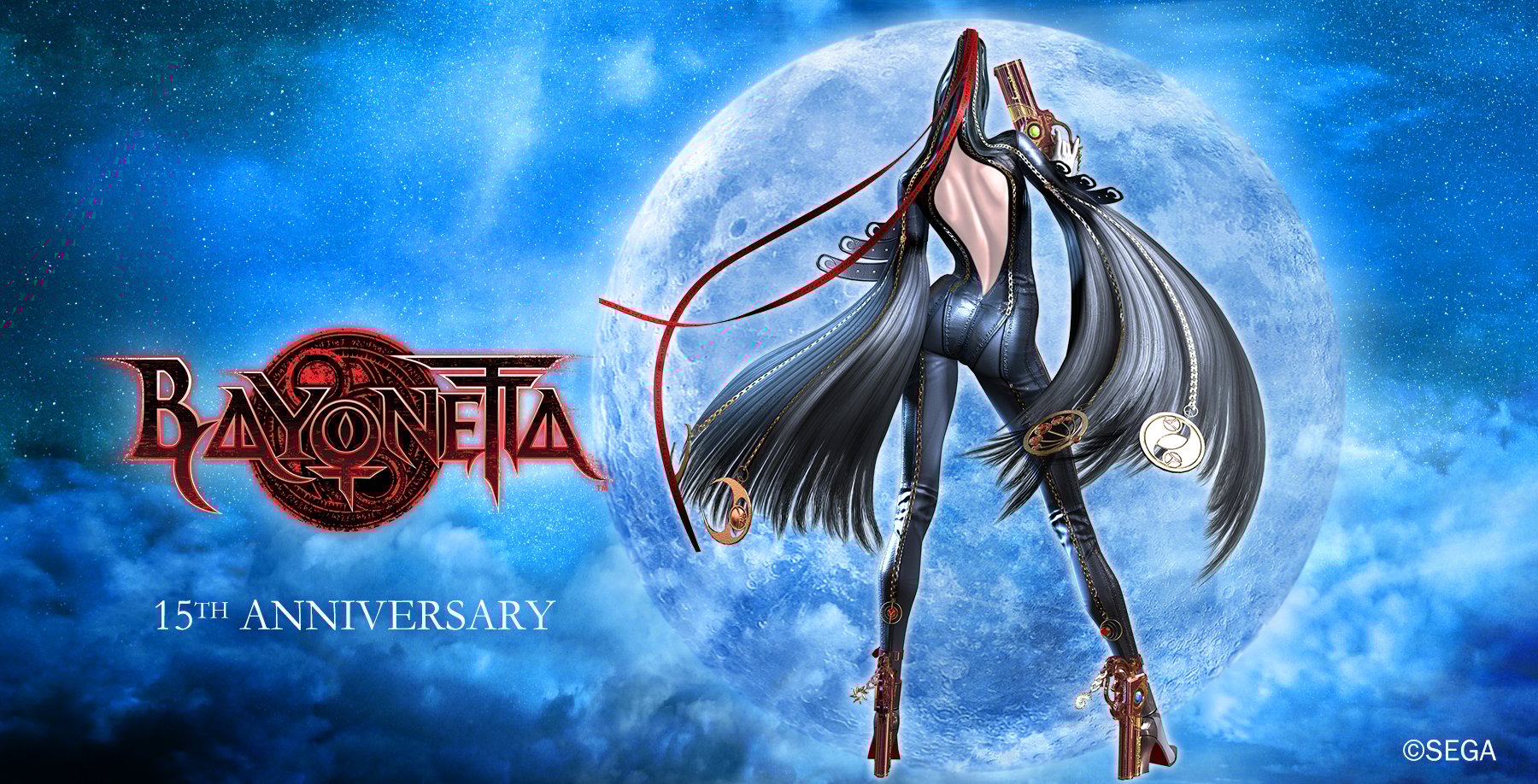
New Bayonetta game in development?
The rumor claims three separate projects are happening at once: a new Bayonetta game, a modernized Bayonetta 1 remake or remaster with some gameplay and level tweaks, and a Metal Gear Rising Revengeance remake or remaster. The leak-style summary also stacks on extra seasoning: it talks about the new Bayonetta being built in Unreal Engine 5, aiming for a massive budget, and targeting an early 2028 release, with a possible announcement in late 2026. That’s a lot of “future” for one paragraph, so we should treat it like a weather forecast from a stranger yelling out of a passing car. Interesting, maybe, but not something you plan your week around. The practical takeaway is simple: this is unverified information circulating through reposts and translations, and the only safe stance is to treat every detail as a claim until an official channel backs it up.
Where the claims came from, and why people noticed
According to the posts spreading the rumor, the origin point is a Chinese leaker on a forum, and the reason the rumor got traction is that the same person is said to have correctly shared details about Ninja Gaiden 4 before those details were public. From there, the information moves through a familiar pipeline: someone summarizes it, someone translates it, someone reposts it, and suddenly the most confident-sounding version becomes the “main” version. That’s not a moral failure, it’s just the internet doing what it does. The issue is that each hop can shave off context, add assumptions, or flatten nuance into something that reads like a final press release. So when we evaluate this, we’re not only judging the original claim, we’re judging the entire game of telephone it took to reach us.
The “track record” factor and why it matters
A leaker’s reputation is usually the hook: if they’ve been right before, people lean in. The problem is that “right before” can mean different things. Sometimes it means they truly had inside access. Sometimes it means they repeated something already circulating in private circles. Sometimes it means they made many claims and a few landed, and the misses quietly evaporated. In the Bayonetta rumor thread, the alleged Ninja Gaiden 4 accuracy is treated as the stamp of legitimacy, and that’s understandable because our brains love shortcuts. Still, the best approach is to treat track record as a reason to listen, not a reason to believe. If someone was correct once, they might be correct again, but it’s not a magic spell that turns anonymous text into a contract.
The Reddit translation layer and how details can drift
The rumor spread includes a translated summary posted by a Reddit user, which is helpful, but it also introduces a fragile step: translation is interpretation. Industry terms can be subtle, and phrases like “mass production” or “review” can carry specific meanings depending on context and language. Even if the translator is careful, the original writer might be vague, sarcastic, or hedging, and that tone can get lost. Add to that the way readers paraphrase what they think they read, and you end up with a rumor that gets sharper, not truer, as it spreads. If you’ve ever watched a group chat turn “maybe” into “confirmed,” you already know how this goes. The safest move is to keep the translation as a reference point, not as a final authority.
The new Bayonetta claims, broken into pieces
The rumor describes the new Bayonetta as a character action game that aims to reach a wider audience by reducing combat complexity while adding more gameplay content. It also claims mechanical changes, like Wicked Weaves being triggered by consuming a resource bar, plus shield guarding and shield counters, while dodge mechanics stay intact. None of that is confirmed, but we can still talk about what it would mean if it were real. Bayonetta’s identity is built on expressive combat, skill expression, and stylish freedom, so “simplifying” could be anything from better tutorials to fewer overlapping systems to more generous timing windows. The funniest part is that two people can read the same line and imagine opposite outcomes: one imagines “dumbed down,” the other imagines “less fussy and more fun.” Until we see actual gameplay, this section of the rumor is more like a mood board than a blueprint.
“Wider audience” combat changes, and what that could look like
If the goal really is accessibility, there are smart ways to do it without sanding off what makes Bayonetta feel special. A resource-based Wicked Weave trigger could make big, flashy moments easier to understand and plan, which might help newer players feel powerful without needing perfect execution. Shield mechanics could also be a way to offer defensive options that are more readable than pure dodge timing, especially for players who struggle with reaction-heavy systems. The risk is obvious: if shields become the safest option, they can pull attention away from Bayonetta’s dance-like dodging and the rhythm that fans love. But if shields are tuned as a high-skill counter tool, they could add flavor rather than replace the core. Think of it like adding a new spice to a signature dish: it can be delicious, or it can overpower everything, and the difference is in the balance.
UE5, vertical slices, and what those milestones usually mean
The rumor leans hard on production language, saying the project has been in development for two years, is past R&D and prototype, and is building a vertical slice with established core gameplay and quality standards. In game development terms, a vertical slice is often a polished sample that proves the concept, showing a representative slice of gameplay, visuals, and pipeline capability. It can be used to secure funding, align stakeholders, and set a bar for the rest of production. If the claim is accurate, it suggests the project is being run like a big-budget production with checkpoints and gates, not a scrappy experiment. Still, studios can build strong vertical slices and then hit walls later, especially when scaling up content, performance, and polish across a full campaign. So even if the milestone talk sounds convincing, it’s not a guarantee of smooth sailing.
Why “Tencent review” reads like a business gate, not a trailer
The rumor claims the project would enter “mass production” if it passes Tencent’s review in March. That phrasing, if accurate, sounds like a publisher or investor gate where a partner evaluates progress, scope, and risk before greenlighting the next spend. It does not sound like something designed for players to cheer at, and that’s exactly why it rings plausible as a business detail. At the same time, Tencent is a huge name that rumor writers love to drop because it instantly makes a story feel “real” and “global.” The honest position is this: a Tencent gate could exist, but it’s also a convenient bit of specificity that can’t easily be checked. Until a credible report ties Tencent to a Bayonetta-related project in a verifiable way, this remains one of the rumor’s biggest “prove it” moments.
The Bayonetta 1 remake or remaster claim
The second pillar of the rumor is a Bayonetta 1 remake or remaster that aims higher than a typical remaster but stops short of a full remake. It claims an Unreal Engine 5 base, upgraded models and textures, and some tweaks to gameplay and level design, framed as being similar in spirit to Metal Gear Solid Delta: Snake Eater. This is the kind of pitch that hits a sweet spot for publishers: it promises something that looks and feels modern without the full cost and risk of rebuilding everything from scratch. It also makes sense from a franchise perspective, because refreshing the entry point can pull in newcomers who missed the older releases, especially if a new mainline game is supposedly planned. But again, none of this is confirmed. The only fair takeaway is that the idea is logical, not that it’s real.
“More than a remaster, less than a full remake” explained
This middle category can mean a lot of things. On the lighter end, it can be a remaster with modern lighting, higher-res assets, improved performance targets, and quality-of-life improvements. On the heavier end, it can include rebuilt environments, re-authored cutscenes, rebalanced encounters, and revised pacing, while still keeping the original structure intact. If you’ve ever renovated a house without moving the foundation, you get the idea. You can make it feel new, but you’re still living with the layout choices made years ago. For Bayonetta 1, that could be appealing because the combat feel is the heart of the game, and many fans would rather see it respected than reinvented. The tricky part is that “tweak gameplay and level design a bit” is vague enough to mean anything from “small polish” to “you’re going to notice this immediately.”
The Metal Gear Solid Delta comparison, and what it implies
Comparing a Bayonetta refresh to Metal Gear Solid Delta is a deliberate choice, because Delta is widely discussed as a faithful modernization rather than a radical reinvention. That framing implies respect for the original, with updated presentation and some modern sensibilities layered on top. If the rumor is trying to communicate “don’t expect a new game wearing an old name,” that comparison is a shorthand way to do it. The key difference is that Metal Gear Solid Delta is an officially announced project with public footage and messaging, while the Bayonetta refresh is not. So the comparison works as a mental model, but it shouldn’t be treated as evidence. It’s like saying a mystery meal will be “kind of like pizza.” You now have an image in your head, but you still don’t know what’s actually in the box.
The Metal Gear Rising Revengeance remake or remaster claim
The rumor’s third piece is a Metal Gear Rising Revengeance remake or remaster project in that same middle zone: bigger than a simple remaster, smaller than a full remake. This is the kind of rumor that spreads fast because it taps into a real demand. Metal Gear Rising has a cult following, it has meme energy that never fully died, and it’s connected to a major franchise that has recently been in the spotlight thanks to Metal Gear Solid Delta and broader Metal Gear releases. When a franchise is active again, older spin-offs tend to get pulled into the conversation like magnets. Still, Konami has not confirmed anything about Metal Gear Rising’s return in this specific form, so we should treat it as a wish-shaped rumor until a credible announcement arrives.
Why this specific game keeps getting pulled into rumor cycles
Metal Gear Rising sits in a strange, exciting place: it’s not a mainline stealth entry, but it’s a beloved action title with a very loud personality. That makes it an easy target for “wouldn’t it be cool if” speculation, especially during periods when Konami is already remaking or re-releasing Metal Gear material. There’s also a practical angle: modern platforms, performance targets, and storefront expectations can make older titles feel creaky, so a refreshed version is easy to imagine. The biggest reason rumors stick, though, is that people genuinely want it. And when people want something badly, they’ll accept weaker evidence than they normally would. It’s not that anyone’s being silly, it’s that excitement is persuasive, and it can turn “possible” into “probable” in your head without you noticing.
The publishing and IP claims, and the parts that need proof
The most explosive part of the rumor is the claim that PlatinumGames has “bought back” Bayonetta and that the new game and the Bayonetta 1 refresh would release on multiple platforms. This is also the part that demands the most caution, because Bayonetta’s modern identity is tightly tied to Nintendo. If you’ve followed the series, you know Bayonetta 2 and Bayonetta 3 were published by Nintendo, and that reality shapes what can and can’t happen without major agreements. Rights and publishing deals can be complicated, split by game, region, and platform, and they rarely change quietly. That doesn’t mean change is impossible. It means we should not treat a rumor line about rights as if it’s already been signed, stamped, and filed. If any portion of this rumor ends up being real, this is likely the part that would surface through official channels, because business arrangements leave trails.
What’s known about Bayonetta’s publishing history
Bayonetta began as a 2009 action game developed by PlatinumGames and published by Sega, before later versions arrived on additional platforms over the years. Bayonetta 2, on the other hand, was published by Nintendo and launched as a Wii U exclusive in 2014, which helped cement the series’ modern association with Nintendo hardware. That history matters because it’s a reminder that “Bayonetta” is not one simple bundle of rights and relationships. Different entries have had different publishers, and that can affect what a studio can do on its own versus what requires negotiation. So when a rumor says “Platinum bought back Bayonetta,” the immediate question is: which pieces, specifically, and from whom, and with what platform constraints? Without answers, it’s just a headline-shaped claim.
Why Bayonetta 2 and 3 complicate any “buyback” story
The rumor itself tries to address this by claiming only Bayonetta 1 was reclaimed, while Bayonetta 2 and 3 are not part of the plan. That’s a neat way to make the story sound internally consistent, but it also highlights the complexity. If Bayonetta 2 and 3 remain tied up with Nintendo publishing, then a multiplatform “franchise reboot” becomes trickier to describe, because the most recent mainline entries are part of the brand’s living memory. Imagine trying to relaunch a TV series while two seasons are locked on a different streaming service. You can do it, but you need a strategy, and you can’t pretend the locked seasons don’t exist. If we ever get real confirmation of a Bayonetta rights shift, it will likely come with clear language about what’s included and what isn’t, because confusion helps nobody, especially not the people selling the next game.
The industry background claim, and the reality behind it
The rumor also includes a sweeping “industry background” explanation that Japanese companies are in a slump, lack confidence, and prefer remakes and remasters to lower risk. Even if you ignore the Bayonetta specifics, this part has a kernel of truth in a global sense: familiar brands and proven IP are safer bets than brand-new worlds, especially when budgets and player expectations keep rising. That said, it’s easy for rumor narratives to toss in broad industry claims to make everything feel inevitable, like the projects are part of a grand, unstoppable wave. The reality is messier. Some studios are absolutely investing in new ideas, while others are leaning on known names, and many are doing both at the same time. Remakes aren’t just fear, they’re also opportunity. They let teams bring older games to new audiences, modernize tech, and keep franchises alive between major releases.
Remakes as risk management, and why budgets get tighter
When costs go up, patience goes down. Players expect strong performance, high-quality visuals, accessibility options, and steady support, and all of that takes time and money. A remake or remaster can feel like a smarter bet because the concept, characters, and overall structure are already proven. It’s like reopening a popular restaurant with a renovated kitchen. You’re not guessing whether people like the food, you’re making sure you can serve it faster, hotter, and with fewer surprises. The danger is creative stagnation, but the upside is stability. If the rumor is trying to justify why multiple refresh projects would exist alongside a new Bayonetta, that logic is plausible. Still, plausible logic is not confirmation. It’s just a reminder that the rumor is shaped to sound like it belongs in today’s business climate.
How we can sanity-check leaks like this
The best way to read a rumor like this is to act like we’re cross-examining it, not cheering for it. Which parts are easy to invent, and which parts would be hard to fake? “A new game exists” is easy to claim. “It’s in UE5” is also easy, because UE5 is a common modern engine and it sounds impressive. Specific dates like “March review” and “early 2028 release” feel concrete, but they can be invented just as easily, and they’re far enough away that no one can quickly disprove them. The IP and publishing claims are the hardest part to fake long-term, because official entities have to align for them to become reality. So if you want a quick mental filter, treat mechanics and timelines as the fluffiest pieces, and treat rights and publishing as the pieces that demand real evidence.
The “specificity trap” and how fake leaks sound confident
There’s a classic trick in rumor writing: add production terms, add budgets, add engine names, and suddenly the whole thing feels like it came out of a boardroom. It’s the “specificity trap,” where detail creates trust even when the detail is unverified. Real insiders do sometimes talk like this, but so do people who want attention. If you’ve ever heard someone confidently explain how a movie “definitely” got reshot because of “test screenings,” you’ve seen the same trick in a different outfit. The antidote is boring but effective: ask what would need to be publicly true for the claim to hold up. For a Bayonetta multiplatform shift, we’d need clear messaging about who owns what, who publishes what, and where it’s launching. Until that happens, treat the rumor as entertainment, not a schedule.
What would count as real confirmation
Real confirmation usually looks unglamorous at first. It might be an official announcement from PlatinumGames, Nintendo, or Konami. It might be a credible report from established outlets citing named sources or consistent corroboration. It might be a platform storefront listing that appears with proper publisher metadata, not a placeholder. It might be a trademark filing that clearly aligns with a specific title and owner, though even trademarks can be tricky without context. The point is that confirmation has accountability. Somebody puts their name on it, or a legal footprint appears that can be checked. Rumors don’t have that. They have vibes, screenshots, and “trust me.” If you want to stay excited without getting burned, wait for accountability before you upgrade your belief from “possible” to “real.”
What to watch next, without hype spirals
If this rumor has any truth to it, the next signals will likely come from controlled channels rather than random reposts. Watch for PlatinumGames statements, platform partner showcases, and Konami communications that point toward older titles being refreshed. Also watch for how the conversation changes when official events approach, because rumor cycles tend to spike right before big showcases and then collapse when nothing appears. The smartest approach is to set a simple expectation: until something is announced, nothing is scheduled. If you’re a Bayonetta fan, the healthiest mindset is “that would be cool” rather than “that is happening.” That way, if the rumor turns out to be smoke, you haven’t built a house inside it. And if it turns out to be real, the excitement lands like a surprise party instead of a delayed delivery.
Conclusion
This rumor is interesting because it’s built to feel plausible: it uses industry language, it ties multiple projects into a strategy, and it leans on the idea of a leaker with a prior hit. But plausibility is not proof, and the biggest claims here, especially the IP and publishing angle, are exactly the kind that would require clear, public confirmation to be trusted. The safest way to engage with it is to separate “claimed details” from “known history,” enjoy the discussion, and keep your expectations on a leash. If a new Bayonetta is real, we’ll eventually see it in the only place that matters: an official announcement with real footage, real credits, and real publishing information. Until then, we can keep the hype fun, not fragile.
FAQs
- Is a new Bayonetta game officially confirmed?
- No. The information circulating right now is unverified rumor, and there has been no official announcement confirming a new Bayonetta project.
- What does “vertical slice” usually mean in game development?
- It usually refers to a polished sample that represents the intended final quality, used to prove the concept, align stakeholders, and validate the production pipeline.
- Does the rumor prove PlatinumGames owns Bayonetta now?
- No. The rumor claims a rights shift, but rights and publishing arrangements are complex, and nothing has been publicly confirmed by the companies involved.
- Could Bayonetta 1 realistically get a modern remake-style refresh?
- It’s a believable idea in the abstract because many older action games get modern upgrades, but there’s no official confirmation that such a project exists.
- What should we watch for if any of this is real?
- Official announcements from PlatinumGames, Nintendo, or Konami, credible reporting from established outlets, and verifiable storefront listings with correct publisher metadata.
Sources
- Rumour: New Bayonetta game in development, plus Bayonetta & Metal Gear Rising Revengence remaster/remakes, My Nintendo News, February 27, 2026
- New Bayonetta Game & Remaster/Remake (unconfirmed rumor thread), Reddit (r/Bayonetta), February 27, 2026
- Ninja Gaiden 4 announced at Xbox Developer Direct, Polygon, January 31, 2025
- Metal Gear Solid Delta producer views the remake as both a companion and a replacement, GamesRadar+, August 2025
- Bayonetta (video game), Wikipedia, updated 2026
- Bayonetta 2, Wikipedia, updated 2026